How Do Self Cleaning Litter Boxes Work? Rake, Rotating and Sifting Designs Explained

About the Author
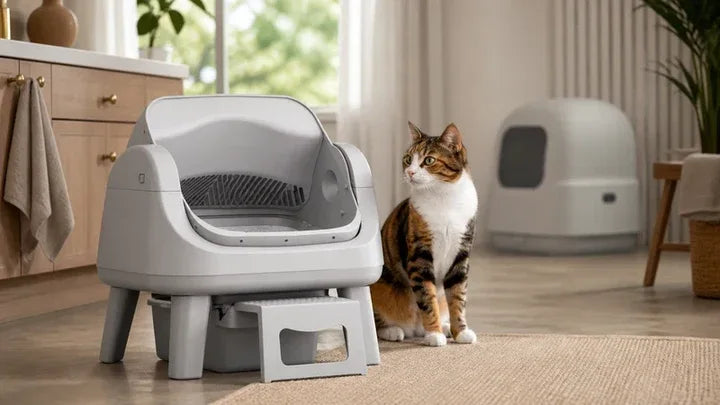
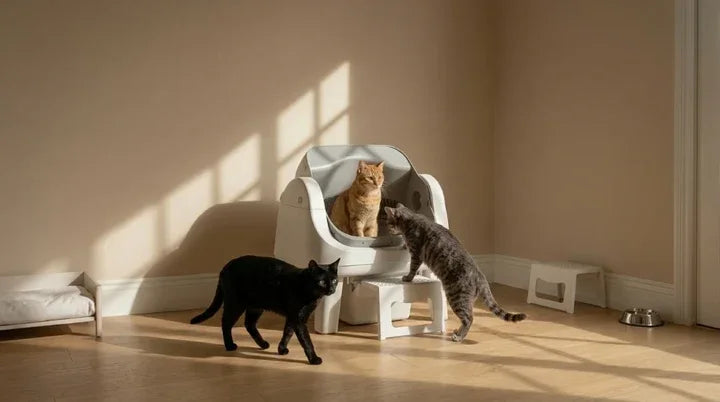
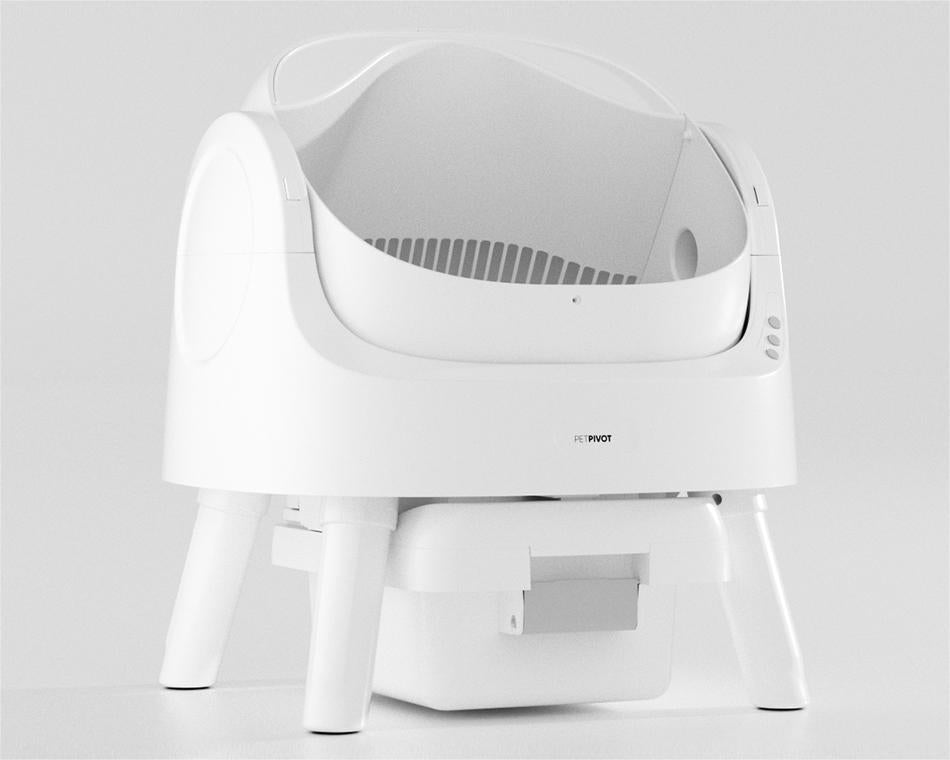
There are four stages of self-cleaning litter boxes. First, the sensors sense when your pet steps out. A timer holds on for the formation of clumps before the motor operates the raking, the rotating drum, or the sifting screen separates clumps from clean litter while disposing the waste in a bin. If I talk about the AutoScooper 12 Lite, the complete cycle lasts about 10 minutes. It includes 2-minute waiting period, 5-minute formation period of clumps and 3-minute rotation period. Differences occur in designs of litter boxes. Rake trays scoop the waste to one side. The enclosed globes and open top drums rotate the waste through screens, the sifting trays dump the waste through the grids, and self-washing systems flush the waste. Each box requires specific type of litter, each operates at different levels of noise and each breaks down differently which makes the prices range approximately between $70 to $600. What Happens During One Cleaning Cycle Every design follows the same four steps. The timings below come from the AutoScooper 12 Lite's user guide. 1. Sensors Notice Your Cat Infrared beams at the entrance, weight sensors under the litter, or both, tell the box a cat has arrived and left. Our electric cat litter box guide covers the sensors and power side in more detail. 2. The Box Waits for Clumps to Form Cleaning too soon smears wet litter across the bed. The 12 Lite waits about 2 minutes after your cat leaves, then allows 5 minutes of clumping time. Owners of other models often raise the delay to 15 minutes for the same reason. 3. The Mechanism Separates Clumps A rake, drum or screen moves clean litter one way and clumps the other. On the 12 Lite, the rotation itself takes about 3 minutes. 4. Waste Is Sealed and the Bed Resets Clumps drop into a lined bin, and the litter levels out for the next visit. If a cat walks back in mid cycle, a well designed box pauses and restarts the wait. Owners whose cats like to watch the cycle say this pause is what protects the motor as much as the cat. The 5 Main Types of Self Cleaning Litter Boxes 1. Rake Systems Comb made up of motors moves in the direction of a shallow tray to push clumps in a covered trough located at one side of the tray. Rakes require hard clumps. It has been observed that soft and large stools tend to block the rake during sweeping. 2. Enclosed Rotating Globes The globe rotates slowly and the screen within segregates clusters into the tray beneath. The cover confines the scatter and odor, yet many cats do not like the covered entrance, and the globe is hard to clean. Users of the earlier models report false alarms from the sensors and an odor of urine within the casing. 3. Open Top Rotating Drums This design uses the same drum and screen, but the top stays open so your cat can see out and leave fast. It's the design PetPivot uses, and we explain why below. 4. Sifting Tray Systems This involves sliding or tipping the litter tray through a screen, or raking crystal litter in a disposable litter tray. These systems are easy and inexpensive to use. However, they are expensive in the long run since one user estimated a monthly expense of around $60 for new trays. Also, crystal litter can accumulate after cats urinate. 5. Self Washing and Flushing Systems They hook up to the sewer system and dispose of the washable pellets and flush out the waste through the pipe. They are found to be on the high-end spectrum and require installation. It is included in the list of things that according to EPA septic system care, should never be flushed. Self-Cleaning Litter Box Comparison Chart Use this chart to narrow the field before you compare models. Design Cleaning method Litter it needs Noise Maintenance Entry Price tier Rake Comb sweeps clumps into a trough Firm clumping or crystal Moderate during the sweep Clean rake and trough; filters on some Open tray Low to mid Enclosed rotating globe Globe turns, screen sorts clumps Clumping, often a set grain size Low to moderate Large globe to wash; drawer and filter Covered Mid to high Open top rotating drum Drum turns, screen sorts clumps Small granule clumping Low (12 Lite: 38 to 40 dB) Washable chamber; empty bin every 5 to 7 days Open, wide Low to mid Sifting tray Bed tips through a screen, or a disposable tray Clumping, or crystal refills Low Tray refills or screen cleaning Open tray Low Self washing or flushing Washes granules, drains waste Reusable granules Moderate (water and pump) Plumbing and wash cycles Covered High Whatever the design, follow its litter rules. Owners note that overfilling a drum can make it stall mid cycle, because the extra weight reads like a cat stepping in. Why Self Cleaning Litter Boxes Cost $70 to $600 Price follows five things: the mechanism, whether it's enclosed, app and weight tracking, motor and build quality, and parts support. A connected, enclosed globe sits at the top. A simple rake tray sits at the bottom. Some extras earn their price. A published safety stop, a published minimum cat weight, a washable chamber and a store that sells spare parts all matter for years. The app is optional if you don't need visit logs. The cheapest boxes usually save on motors and sensors. That's where owners report trouble, from rakes that stall to units replaced several times in one year. If two boxes cost the same, buy the one with parts and a clear warranty. Open Top vs Enclosed: Why We Build Open Top An open top automatic self cleaning litter box keeps the drum's sorting action but drops the hood. Cornell's feline health experts note that most cats do best with simple boxes without hoods, and that's the cat we design for. Here are the trade offs both ways. Open top drum Enclosed globe Cat acceptance Cat can see out and leave fast Some cats avoid covered boxes Odor Relies on a sealed bin and quick removal Cover holds smell in, but grime builds inside Scatter More at the front; a mat or step helps Better contained Cleaning Removable, washable chamber Large globe; owners wash it outside or in the tub The AutoScooper 12 Lite pairs the open top with a 12.4 inch entrance, a sealed 8 L bin, a 30° rotation limiter and anti pinch protection. It takes small granule clumping litter, in line with veterinary litter box advice that most cats prefer unscented, fine clumping litter. What Still Needs Cleaning, and How Often No design removes the chores; they just come less often. Owners report changing the bag about once a week with one cat and about every 3 days with three, plus a light clean of the drum or globe once a month. On the 12 Lite, empty the bin every 5 days, never past 7, and wash it about every 15 days. Rake trays need the trough scooped before it smells, which one owner described as a tray holding a week of waste. A full scrub of an enclosed unit can take an owner over an hour because of hard to reach parts. You can still keep an eye on your cat's health. The waste stays visible in the bag, so glance at clump size and number when you empty it. Which Self Cleaning Litter Box Design Fits Your Cat? Match the design to your cat and home first, then compare models. If your cat or home... Consider Dislikes covered boxes or is timid Open top drum Kicks litter everywhere Enclosed globe, or open top with a mat Is short on space Measure the footprint; open top units are often smaller Uses crystal litter only Sifting tray with refills Has several cats A larger bin, and still one box per cat plus one Wants the lowest ongoing cost A design that takes standard clumping litter Still deciding whether automation is right at all? Our self cleaning litter box pros and cons guide covers the trade offs. When you're ready, compare models across the AutoScooper range. FAQs How does a self cleaning litter box know when to clean? Sensors. Infrared beams, weight sensors or both detect your cat entering and leaving, then a timer starts. The 12 Lite waits about 2 minutes, allows 5 minutes of clumping, then runs a 3 minute rotation. Can the rake or drum move while my cat is inside? A well designed box won't. Sensors pause the cycle if a cat is detected, and some add a mechanical limit. Check that your cat meets the model's minimum weight, so the sensors can register it. Do self cleaning litter boxes work with any litter? No. Most drums and rakes need clumping litter, while some trays need crystal refills. The 12 Lite takes small granule clumping clay and rules out crystal, non clumping and long strip tofu litter. How often do you empty a self cleaning litter box? It depends on cats and bin size. Owners report about weekly with one cat and every 3 days with three. On the 12 Lite, empty the 8 L bin every 5 days, never past 7. Do self cleaning litter boxes have odor? Not as much as a manually cleaned one but not completely odor-free. Odor is produced when the bin is too late, when the liner has a tear, or when the machine needs to be cleaned. Raking trough and enclosed globe may store odor when not cleaned. Can you still assess your cat’s health condition with a self cleaning litter box? Yes. The urine is still visible on the bag or drawer for checking on the number and size of clumps. Some app litter boxes even record visits. What makes some automatic litter boxes very expensive? Mainly the design and features. Enclosed globe, smartphone app control, weighing ability, and powerful motors make the price reach $600, whereas basic rake models cost around $70. The quality of components and warranty services are worth the money. Is an automatic litter box really worth the money? Yes, for a lot of people. Those who are very busy, suffer from ADHD or have problems with moving may say that it was the solution that helped them take care of their cats on a daily basis.
What Happens During One Cleaning Cycle
1. Sensors Notice Your Cat
2. The Box Waits for Clumps to Form

3. The Mechanism Separates Clumps
4. Waste Is Sealed and the Bed Resets
The 5 Main Types of Self Cleaning Litter Boxes
1. Rake Systems
2. Enclosed Rotating Globes
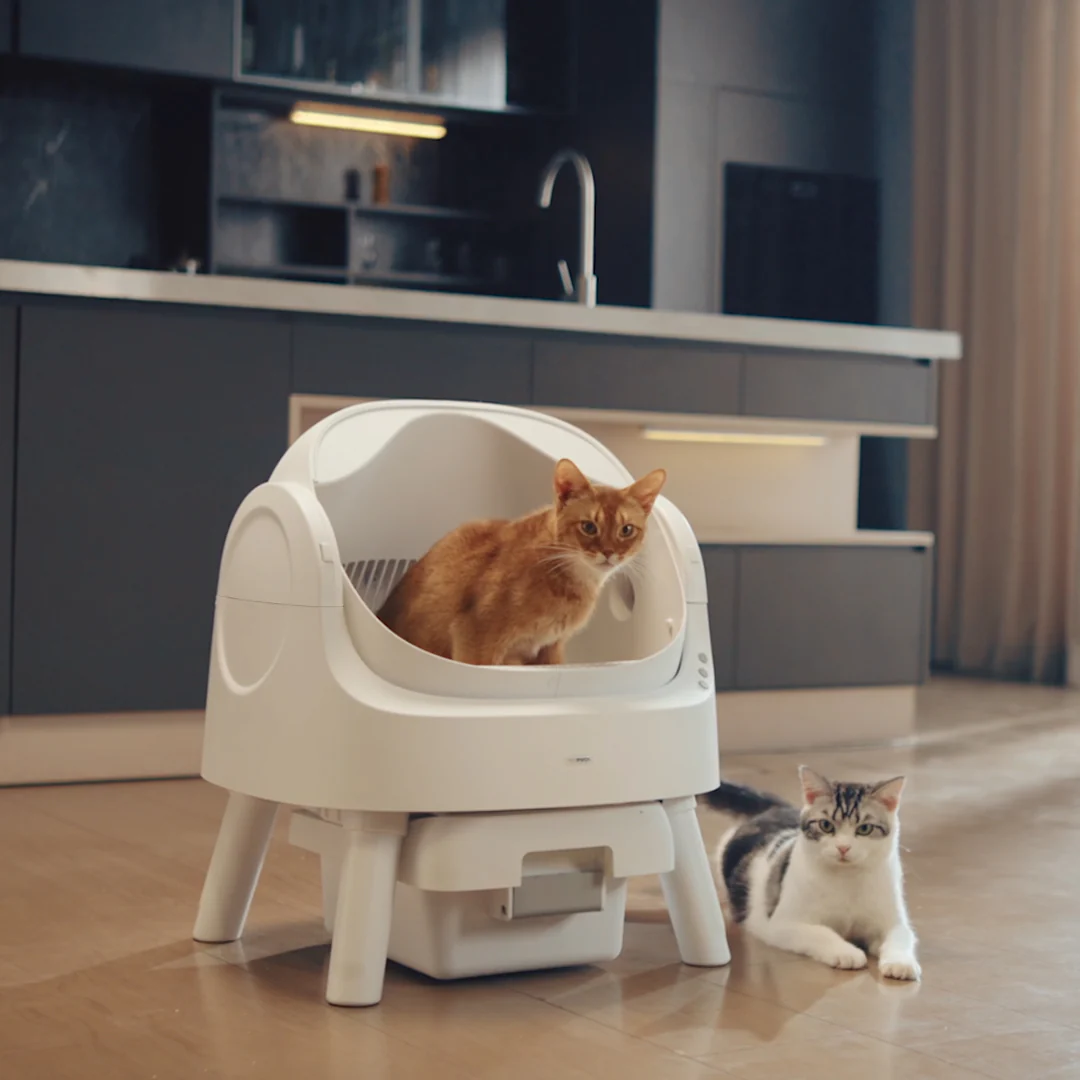
3. Open Top Rotating Drums

4. Sifting Tray Systems
5. Self Washing and Flushing Systems
Self-Cleaning Litter Box Comparison Chart
|
Design
|
Cleaning method
|
Litter it needs
|
Noise
|
Maintenance
|
Entry
|
Price tier
|
|
Rake
|
Comb sweeps clumps into a trough
|
Firm clumping or crystal
|
Moderate during the sweep
|
Clean rake and trough; filters on some
|
Open tray
|
Low to mid
|
|
Enclosed rotating globe
|
Globe turns, screen sorts clumps
|
Clumping, often a set grain size
|
Low to moderate
|
Large globe to wash; drawer and filter
|
Covered
|
Mid to high
|
|
Open top rotating drum
|
Drum turns, screen sorts clumps
|
Small granule clumping
|
Low (12 Lite: 38 to 40 dB)
|
Washable chamber; empty bin every 5 to 7 days
|
Open, wide
|
Low to mid
|
|
Sifting tray
|
Bed tips through a screen, or a disposable tray
|
Clumping, or crystal refills
|
Low
|
Tray refills or screen cleaning
|
Open tray
|
Low
|
|
Self washing or flushing
|
Washes granules, drains waste
|
Reusable granules
|
Moderate (water and pump)
|
Plumbing and wash cycles
|
Covered
|
High
|
Why Self Cleaning Litter Boxes Cost $70 to $600
Open Top vs Enclosed: Why We Build Open Top
|
|
Open top drum
|
Enclosed globe
|
|
Cat acceptance
|
Cat can see out and leave fast
|
Some cats avoid covered boxes
|
|
Odor
|
Relies on a sealed bin and quick removal
|
Cover holds smell in, but grime builds inside
|
|
Scatter
|
More at the front; a mat or step helps
|
Better contained
|
|
Cleaning
|
Removable, washable chamber
|
Large globe; owners wash it outside or in the tub
|

What Still Needs Cleaning, and How Often
Which Self Cleaning Litter Box Design Fits Your Cat?
|
If your cat or home...
|
Consider
|
|
Dislikes covered boxes or is timid
|
Open top drum
|
|
Kicks litter everywhere
|
Enclosed globe, or open top with a mat
|
|
Is short on space
|
Measure the footprint; open top units are often smaller
|
|
Uses crystal litter only
|
Sifting tray with refills
|
|
Has several cats
|
A larger bin, and still one box per cat plus one
|
|
Wants the lowest ongoing cost
|
A design that takes standard clumping litter
|
FAQs
How does a self cleaning litter box know when to clean?
Can the rake or drum move while my cat is inside?
Do self cleaning litter boxes work with any litter?
How often do you empty a self cleaning litter box?
Do self cleaning litter boxes have odor?
Can you still assess your cat’s health condition with a self cleaning litter box?
What makes some automatic litter boxes very expensive?
Is an automatic litter box really worth the money?

You may also like

AutoScooper 12 Lite Cat Litter Box

AutoScooper 12 Lite Cat Litter Box-Gray

AutoScooper 12 Litter Base Bed – 2 Pack

AutoScooper 12 Waste Bags – 60 Count


Further reading
Smart Litter Box Features Worth Paying For, and the Ones You Can Skip
How Do Self Cleaning Litter Boxes Work? Rake, Rotating and Sifting Designs Explained
Automatic Kitty Litter Box: Weight Limits, Sensors and Setup for Small Cats