Detect
Sensors identify when your cat enters.

PetPivot AutoScooper Collection
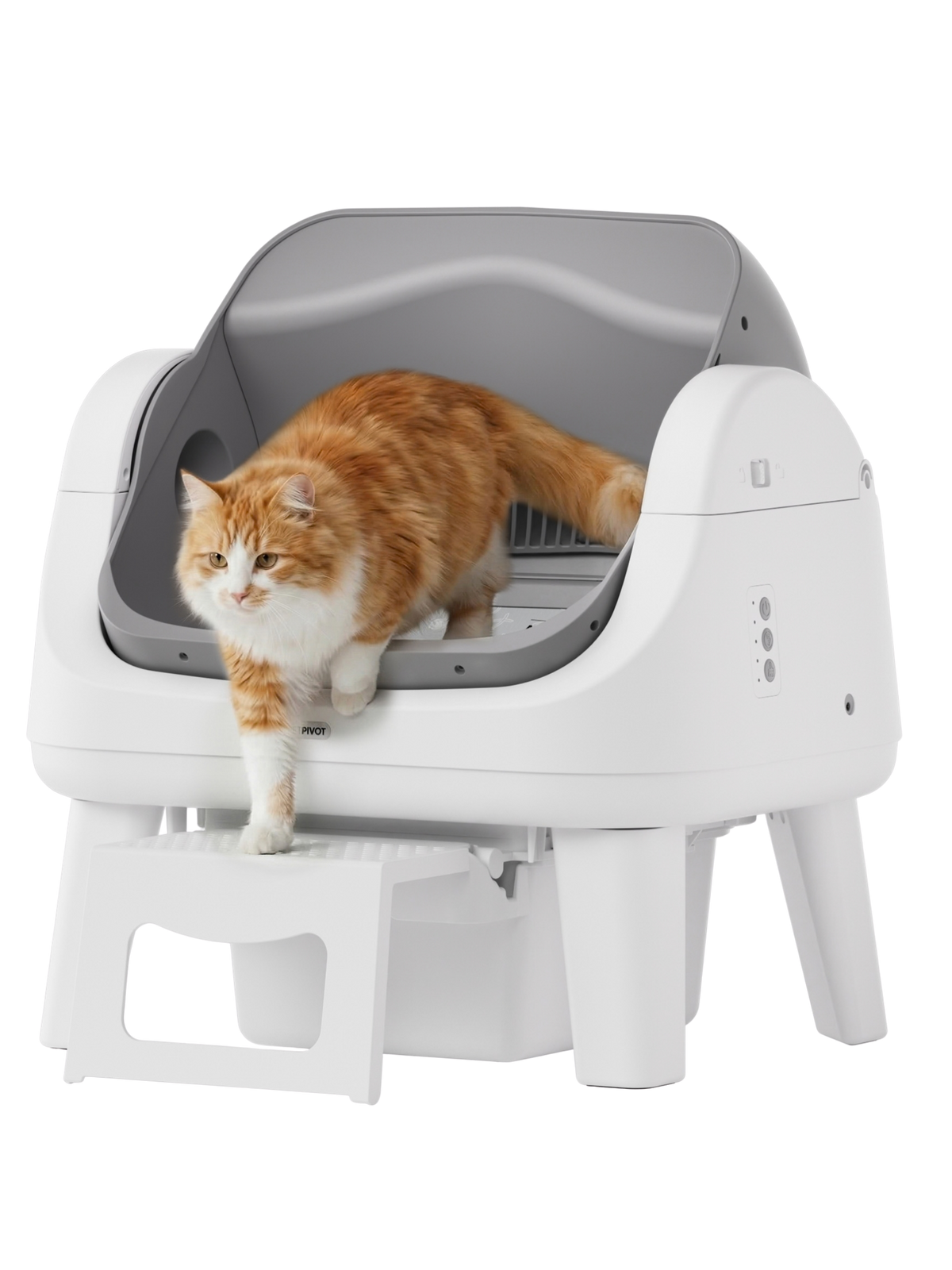
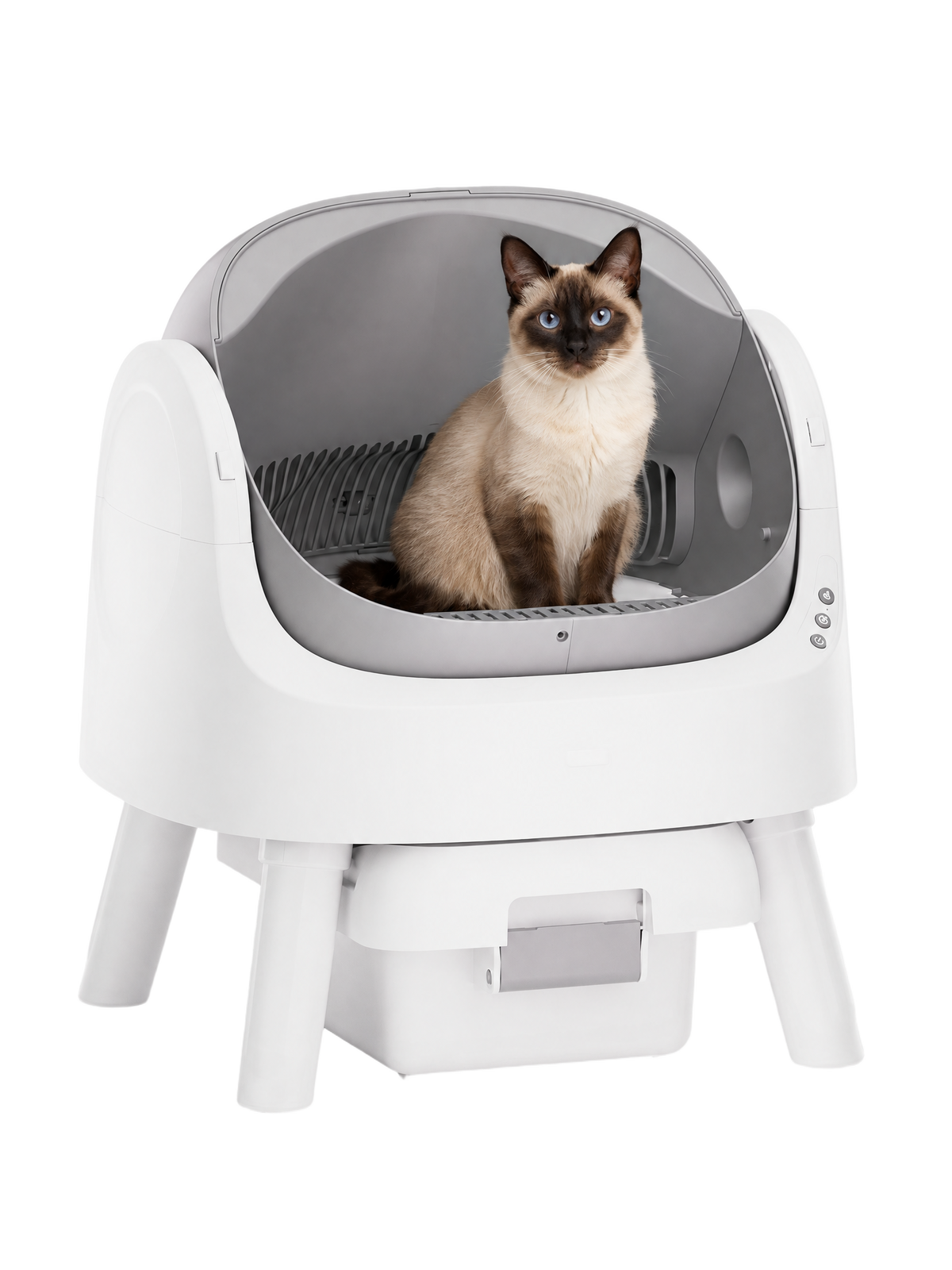
AutoScooper separates clumped waste after your cat leaves, returns clean litter to the bed, and stores waste in a sealed drawer.
Choose open-top automatic cleaning without an app, Wi-Fi, camera, or subscription.

AutoScooper 12 Lite Cat Litter Box

AutoScooper 12 Lite Cat Litter Box-Gray
AutoScooper 12 Lite Cat Litter Box

AutoScooper 12 Lite Cat Litter Box


One Simple Cycle
Four steps keep usable litter in the bed and move clumped waste into the drawer.
Sensors identify when your cat enters.
A delay allows exit and clump formation.
The cycle separates waste from clean litter.
Waste moves into a sealed drawer.
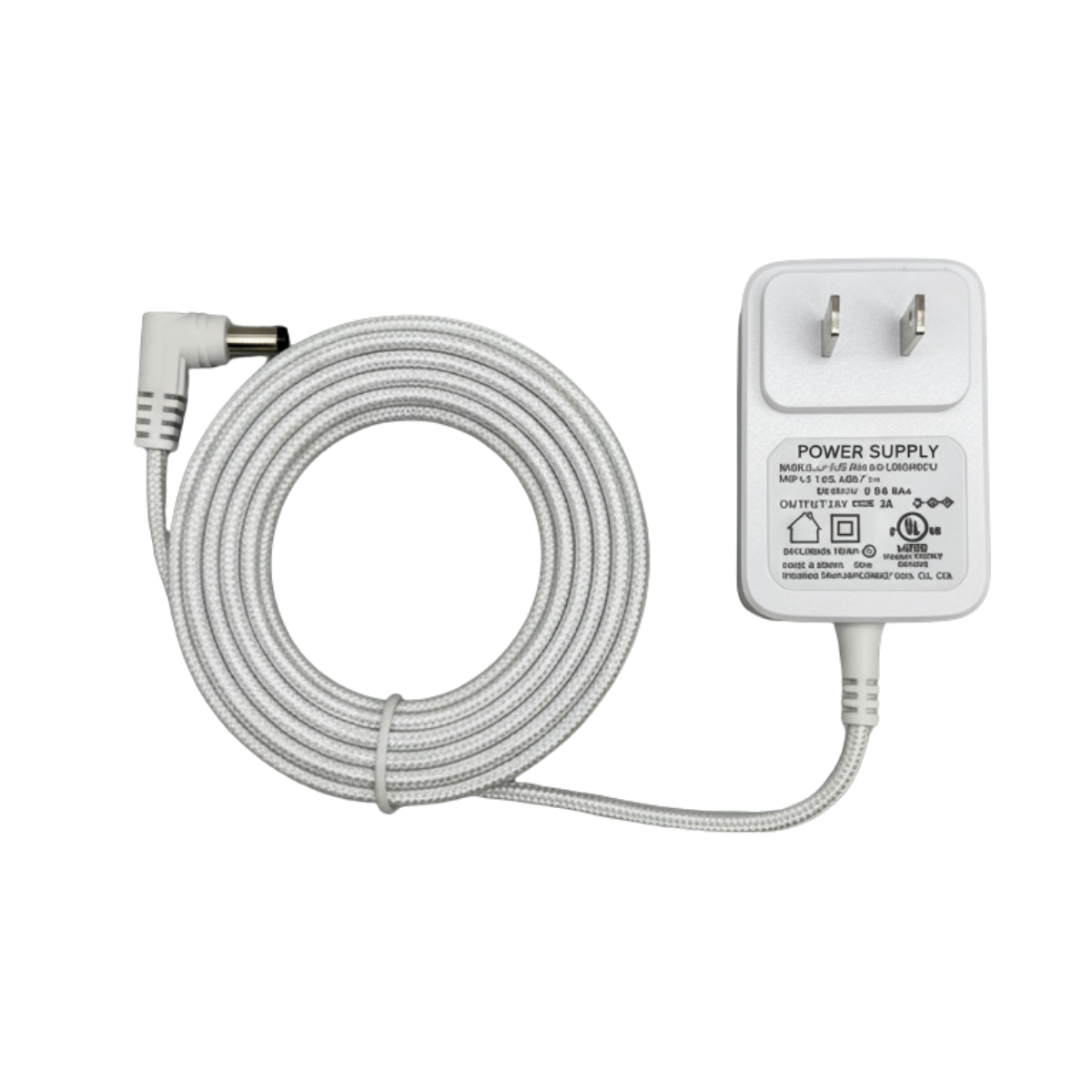
Place the unit on a flat, hard floor, keep sensors clear, and maintain the marked litter level. Review the setup and safety instructions.
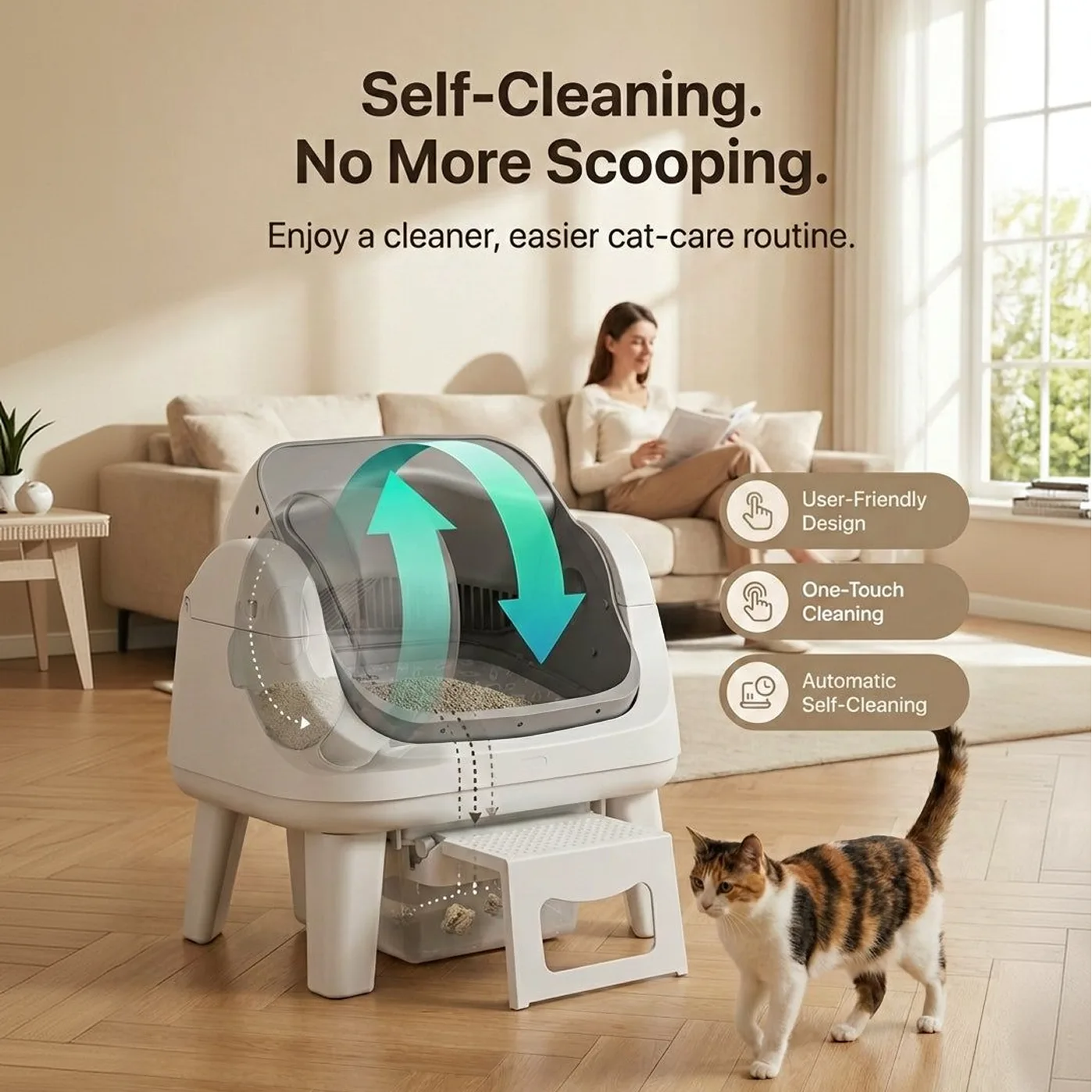
Self cleaning litter boxes use a timed process to separate clumped waste from clean litter. Correct litter and fill level help the automatic litter box sift consistently.
After the cat exits, a delay allows clumping. The cleaning cycle then returns unused litter to the litter bed and moves solid waste into the drawer.
Too little cat litter reduces coverage; too much can send fresh litter toward the waste bin. Keep the litter level inside the marked range.
A sealed waste drawer helps contain litter box odors. Empty the waste bin before it reaches the drop opening, and wipe the waste compartment during bag changes.
Fit each trash bag below the sensor area. Shop compatible waste bags and replacement parts.
If a cycle stops, check the entry, sensors, litter level, and drawer position before restarting. Use the troubleshooting instructions for repeated alerts.
Complete Your AutoScooper Setup
Find compatible waste bags, litter beds and replacement parts for AutoScooper 11 and AutoScooper 12 Lite. Choose the correct model before ordering.
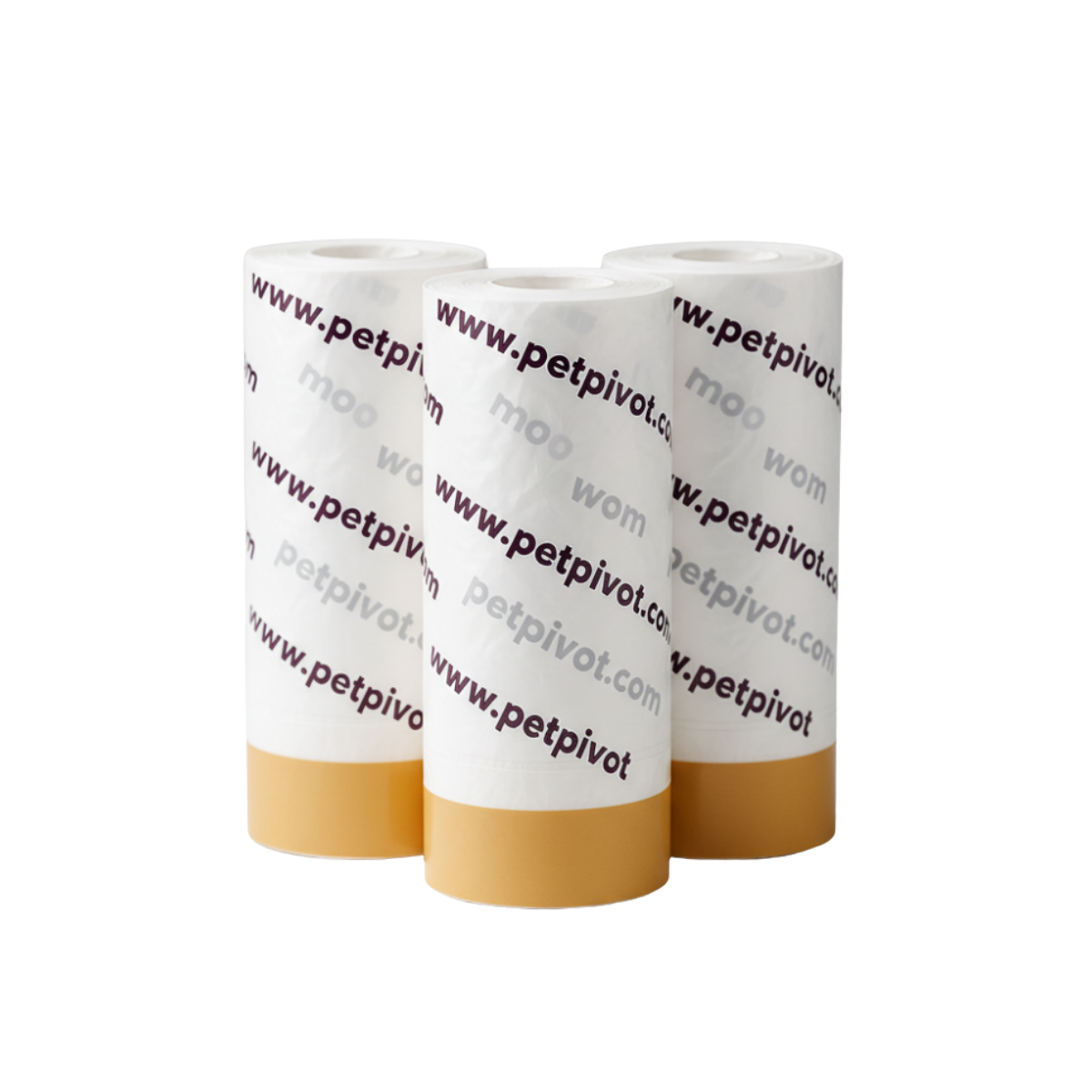
AutoScooper 11 Waste Bags – 60 Count
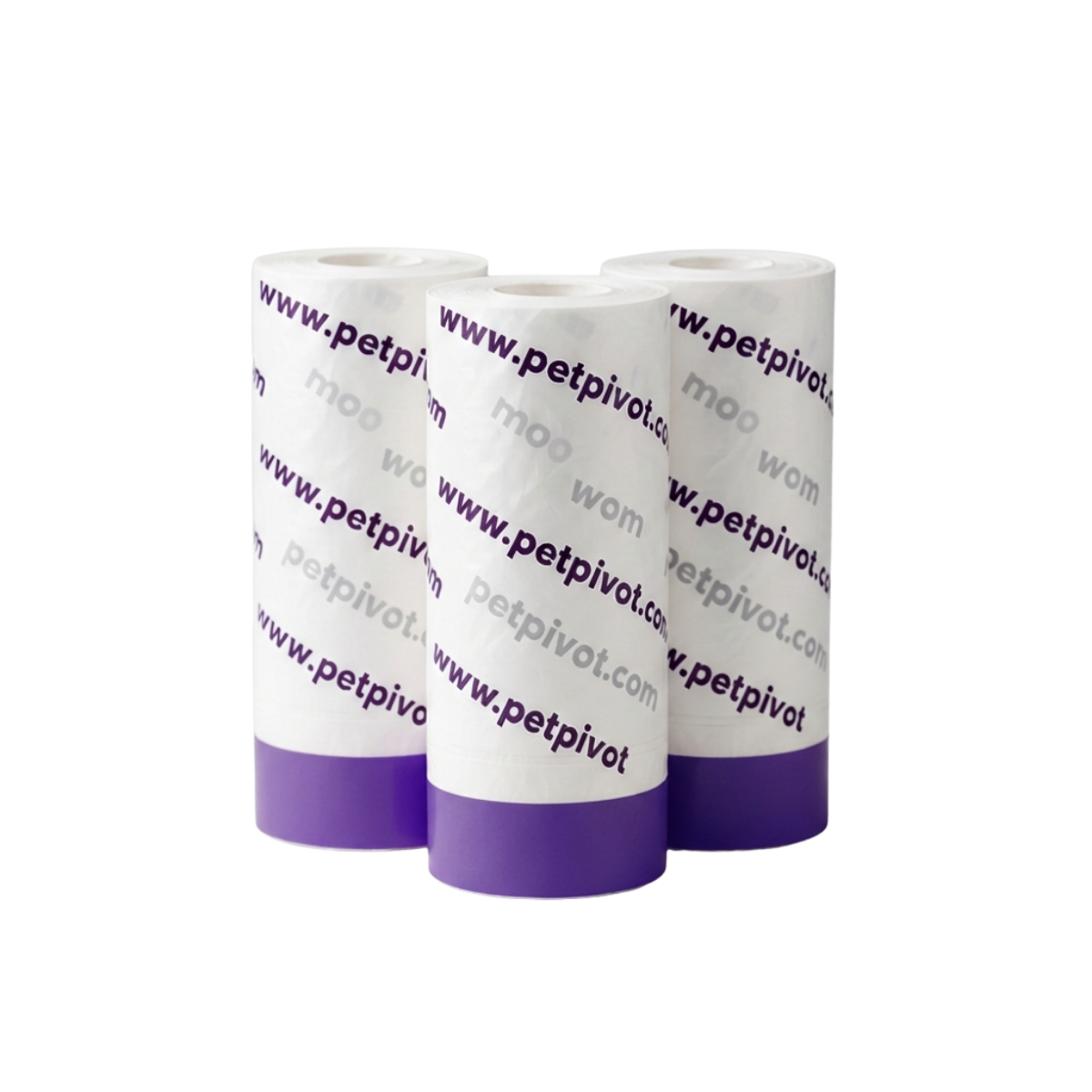
AutoScooper 12 Waste Bags – 60 Count
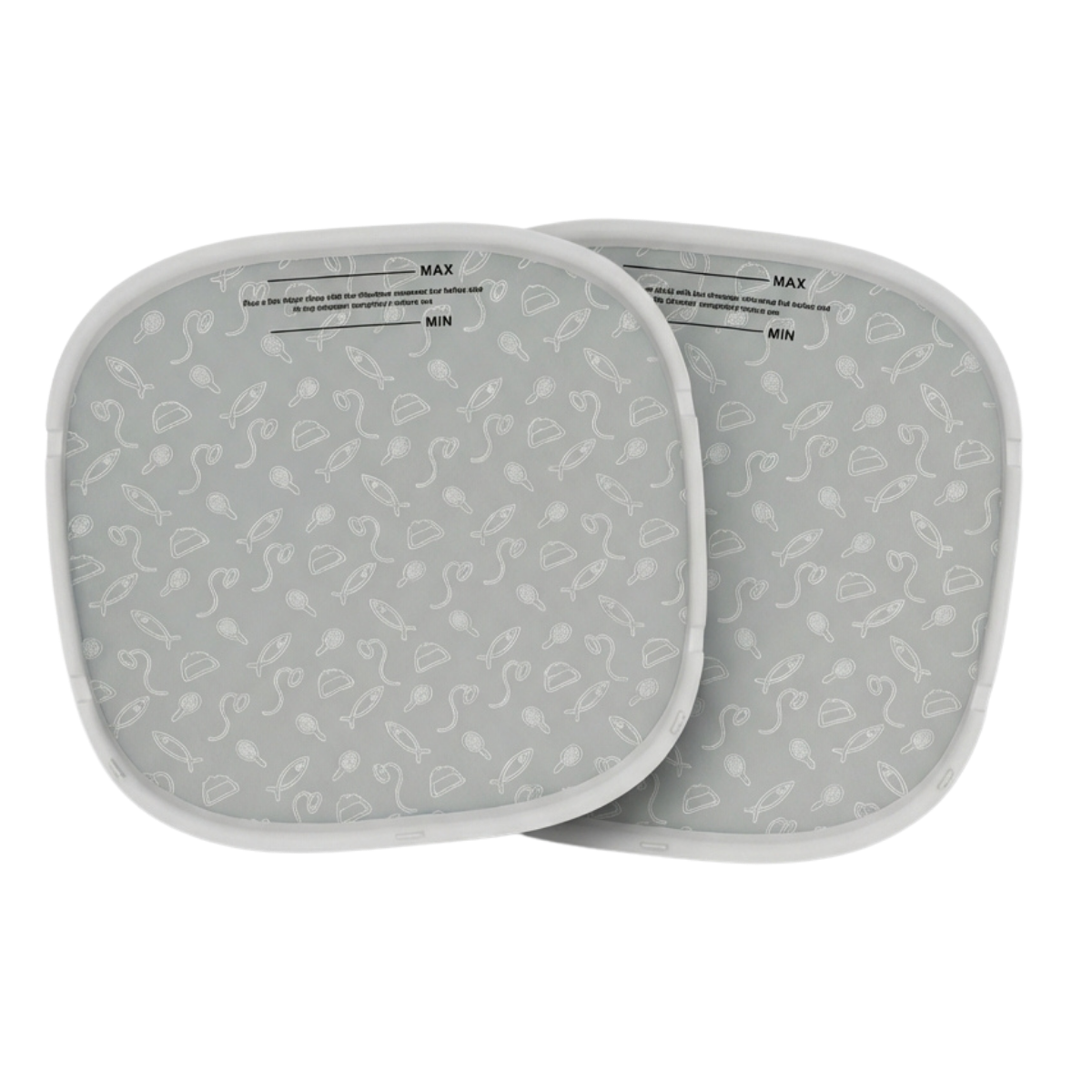
AutoScooper 11 Litter Base Bed – 2 Pack

AutoScooper 12 Litter Base Bed – 2 Pack
Quick Comparison
Choose the routine and access style that fit both your cat and your home.
| Feature | Open-Top Automatic Litter Box | Traditional Litter Box |
|---|---|---|
| Daily routine | Separates clumped waste automatically | Requires hand scooping |
| Cat access | Open view and exit | Depends on covered or uncovered design |
| Odor control | Stores waste in a sealed drawer | Depends on litter and scooping frequency |
| Ongoing care | Empty drawer, top off litter, clean sensors, deep-clean | Scoop daily, replace litter, wash box |
Clumping, particle size, dust, and litter level affect how automatic litter boxes sift and control odor.
Use small-particle mineral or bentonite clumping litter. Clumping clay litter should form firm clumps; long-strip tofu litter and crystal litter are not recommended.
After changing cat litter, watch one cleaning cycle. Clean litter should return to the bed while urine clumps and solid waste enter the waste drawer.
A stable litter mat can reduce litter tracking, but it should not sit under the base or block weight sensors.
Automatic cleaning moves waste away from fresh litter, while the sealed waste drawer helps contain litter box odors between changes.
For effective odor control, use firm clumps, change waste bags before they overfill, and wipe residue. A carbon filter cannot replace waste removal.
Persistent odor may indicate dirty litter, a split liner, or residue below the drawer. Follow the cleaning and maintenance guide.
Before You Buy
Check these five points before choosing a model or color.
Auto Mode: at least 6 months old and 3 pounds.
AS12 Lite: about 21.06 W x 15.75 D x 21.85 H inches.
Designed for up to three cats; monitor access and capacity.
Use small-particle mineral or bentonite clumping litter.
Keep the old box and introduce automatic movement gradually.
Plan drawer checks, litter top-ups, and scheduled deep cleaning.

A multi cat household should evaluate access, visit frequency, waste volume, and social behavior, not only the stated capacity.
AutoScooper 12 Lite is designed for up to three cats. Two cats or three cats may require more drawer checks, fresh litter, and deep cleaning.
Add another clean litter box if one cat guards the entry, another waits, cycles overlap, or the large waste drawer fills too quickly.
Large cats need room to turn and squat. Smaller cats need extra detection care; Auto Mode is for cats at least six months old and 3 pounds.
Keep a standard litter box for kittens below either limit. Senior cats may need a stable step or a lower-entry option.
Let relaxed repeat use set the pace and use the gradual transition plan when the cat prefers more time.
Support Hub
Use the right guide for the task instead of searching through a long collection page.
Automatic cleaning reduces daily scoop litter work, but cat owners still need to check the drawer, sensors, cat litter, and moving surfaces.
Replace waste bags before they are packed, keep the same litter when possible, and reset the litter level after topping up.
Plan deep cleaning about monthly, then adjust for use. Unplug the unit, wash only approved parts, and keep water away from controls and weight sensors.
Compare dimensions, cat access, litter compatibility, drawer capacity, cleaning access, replacement parts, noise, and optional smart features.
Budget for cat litter and liners. AutoScooper does not require proprietary litter, an app subscription, or a cloud account.
Review the 30-day returns from delivery, one-year limited warranty from purchase, and policy conditions, then check current bags, liners, and parts.
Daily: Confirm the automatic litter box entry is clear.
After a cycle: Check that clean litter returns to the bed.
Every few days: Inspect the sealed waste drawer and waste bin.
When topping up: Add compatible clumping litter to the marked level.
During bag changes: Wipe the waste compartment and fit the liner flat.
Weekly: Remove dust from visible weight sensors and entry sensors.
Monthly: Complete deep cleaning using only approved washable parts.
For multiple cats: Check clean litter and drawer capacity more often.
For safety: Stop automatic self cleaning if an alert repeats.
Structured Answers
Quick answers about safety, cat fit, litter, care, and buying.
Automatic litter boxes can be suitable for healthy adult cats when they provide a clear exit, delayed movement, multiple sensor inputs, and a manual stop. Safety still depends on correct setup and regular human checks.
Review the AutoScooper safety and setup guide before enabling automatic cleaning.
Auto Mode is intended for cats at least six months old and at least 3 pounds. For a younger or smaller kitten, keep a regular litter box available and use Manual Mode only with direct supervision.
Enable automatic cleaning only after the kitten meets both limits and remains relaxed around one supervised cycle. The cat adaptation guide provides a gradual transition plan.
For AutoScooper 12 Lite: Six infrared pairs watch the entrance. Four Hall sensors track the drum. A 30° limiter and anti-pinch protection stop the cycle if your cat steps close.
Many large or senior cats can use an open-top automatic litter box when the entry, litter bed, and turning space match their mobility. AutoScooper 12 Lite is about 21.06 inches wide, 15.75 inches deep, and 21.85 inches high.
Review the full dimensions on the AutoScooper 12 Lite product page. Keep a low-entry box available when mobility is limited.
AutoScooper 12 Lite is designed for homes with up to three cats, but practical capacity depends on visit frequency, cat size, waste volume, and social behavior.
Check the waste drawer and litter level more often in a multi-cat home. Add another clean litter box if one cat guards the entrance, another cat waits, the drawer fills too quickly, or elimination occurs elsewhere.
Some cats adjust within a few days; cautious cats may need several weeks. Progress should follow the cat's behavior rather than a fixed deadline.
Use the 7-day cat adaptation guide as a starting framework and slow down when needed.
Use a small-particle mineral or bentonite clumping litter that forms firm clumps and passes through the sifting screen cleanly.
Keep the fill level between the marked lines and follow the litter guidance in the AutoScooper user guide.
Check the waste drawer every few days. About five days is a useful starting point, while multi-cat homes may need more frequent changes. Replace the liner before waste reaches the sensor or blocks the drop opening.
Compatible liners are available in the AutoScooper accessories collection.
Use a simple maintenance schedule and adjust it for the number of cats and actual waste volume:
Unplug the unit first, keep water away from electronics, and let every part dry completely. Follow the cleaning and maintenance guide.
No automatic litter box removes every odor. Automatic cleaning and a sealed waste drawer reduce the time waste remains in fresh litter, but results still depend on maintenance.
If odor returns quickly, check for damp clumps, liner leaks, residue near the drawer, or litter that no longer clumps well.
No. AutoScooper uses physical controls for automatic cleaning, Manual Mode, litter leveling, and status indicators. It does not require Wi-Fi, a camera, a cloud account, or an app subscription.
This keeps setup simple, but owners should still observe litter box use, waste, appetite, and behavior directly.
A traditional litter box requires routine hand scooping. An automatic litter box detects use, waits for the cat to leave, separates clumped waste, and stores it in a drawer.
Both options still need fresh litter, regular inspection, surrounding-floor cleanup, and periodic washing.
The main ongoing supplies are compatible clumping litter and waste bags. Usage varies by the number of cats, waste volume, tracking, and how often litter is topped up.
AutoScooper does not require proprietary litter or an app fee. See current bags, liners, and parts in the accessories collection.
AutoScooper machines are eligible for a return request within 30 days of delivery and include a one-year limited warranty from purchase, subject to the current PetPivot policies. Keep the packaging while evaluating cat acceptance, noise, drawer capacity, and maintenance.
Review product condition, cleaning, authorization, and shipping requirements in the return and warranty policy before the return window ends.
Look for more than one form of detection because no single sensor covers every position or movement.
A delayed cleaning cycle and an easy manual stop are equally important. See the documented controls in the safety guide.
Add litter only to the marked range. Too little can reduce clump coverage; too much can send clean litter toward the waste bin or interfere with sifting.
Check the cat, the room, and the maintenance routine before comparing optional features.
Compare available colors and configurations in the AutoScooper collection, then review specifications on the AutoScooper 12 Lite product page.
It can be worthwhile for pet parents who want less daily scooping and less direct contact with cat waste, provided they are comfortable checking sensors, adding litter, changing bags, and deep-cleaning the unit.
It may be a weaker fit for a kitten below the operating limits, a cat that strongly avoids movement, or a cat that needs a very low entry. The practical value comes from a routine that fits both the cat and the household, not from automation alone.
Start with the models and accessories in the PetPivot AutoScooper collection.
Compare available litter boxes, colors, bundles, and replacement parts, then choose the setup that fits your cat and care routine.