
How to Clean a Litter Box: Daily and Weekly Tips

About the Author
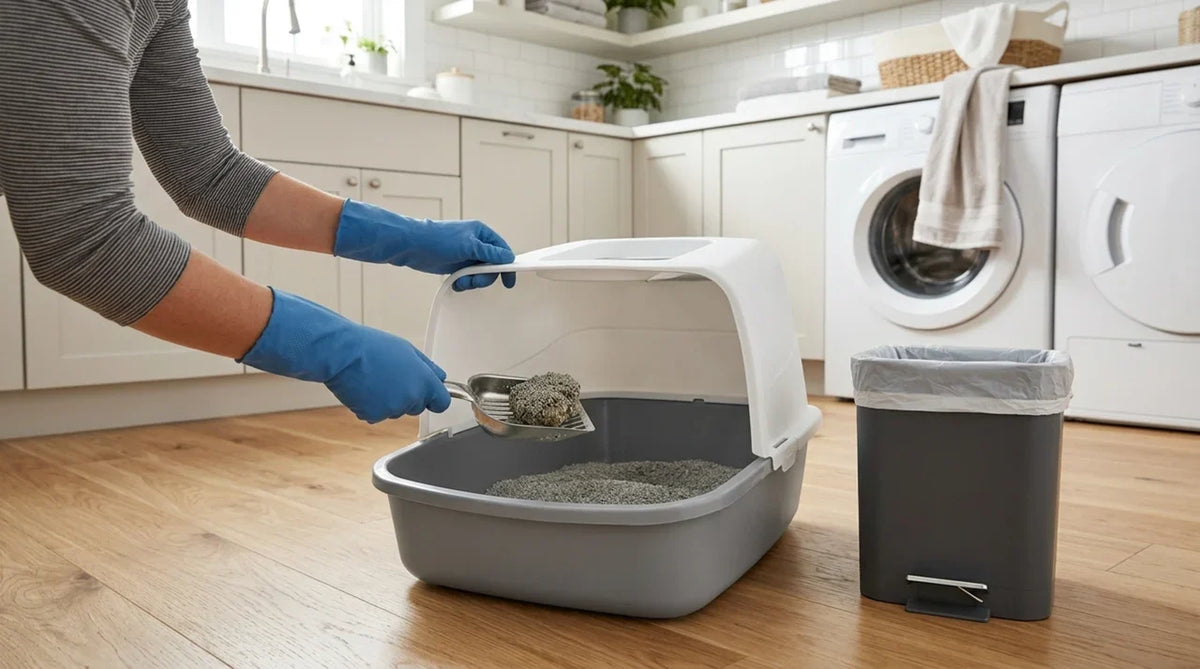
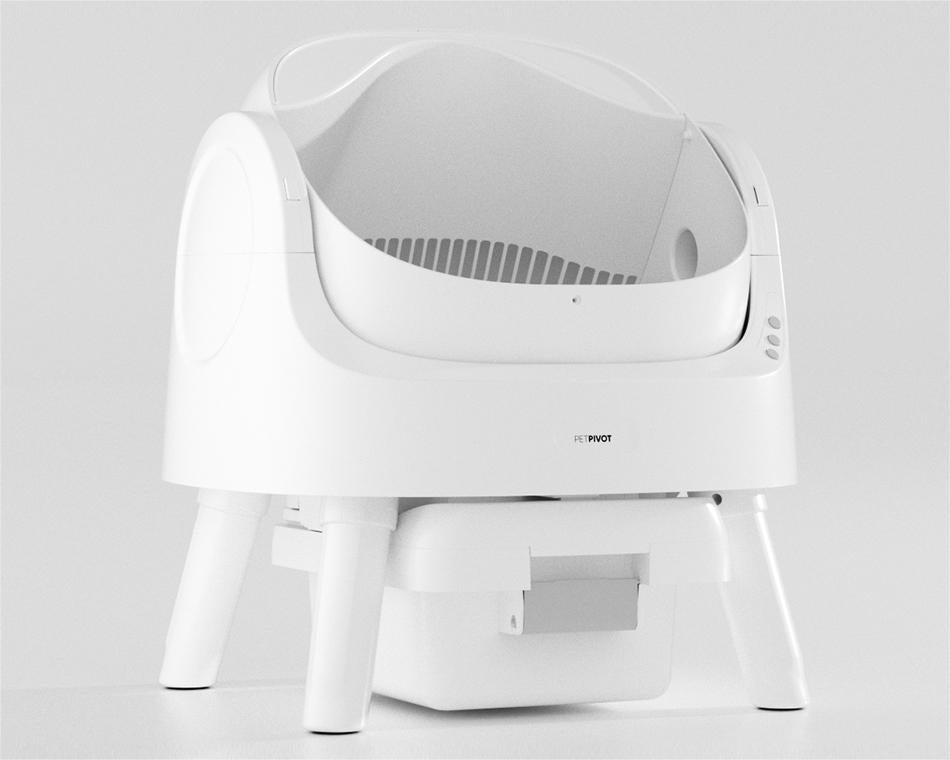
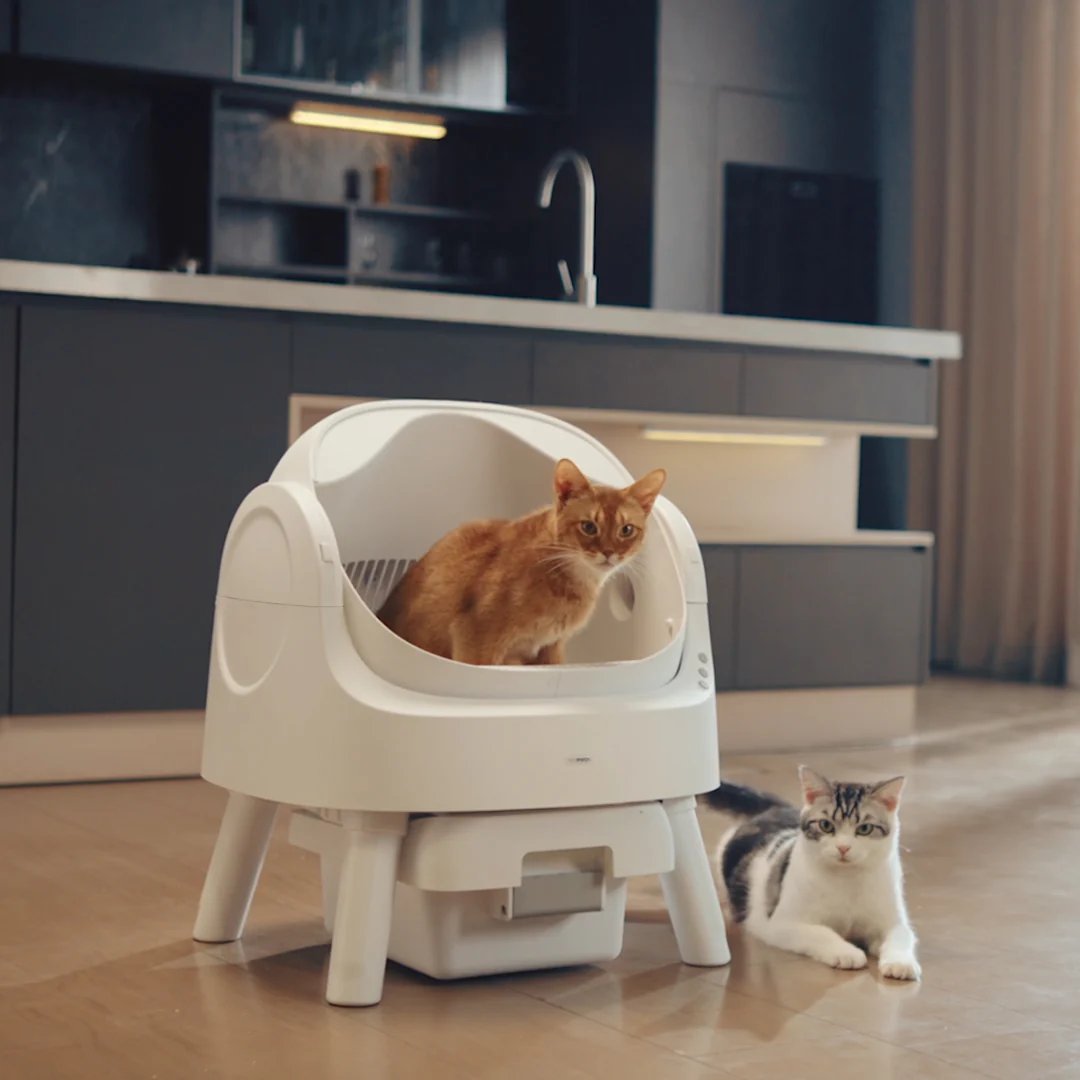
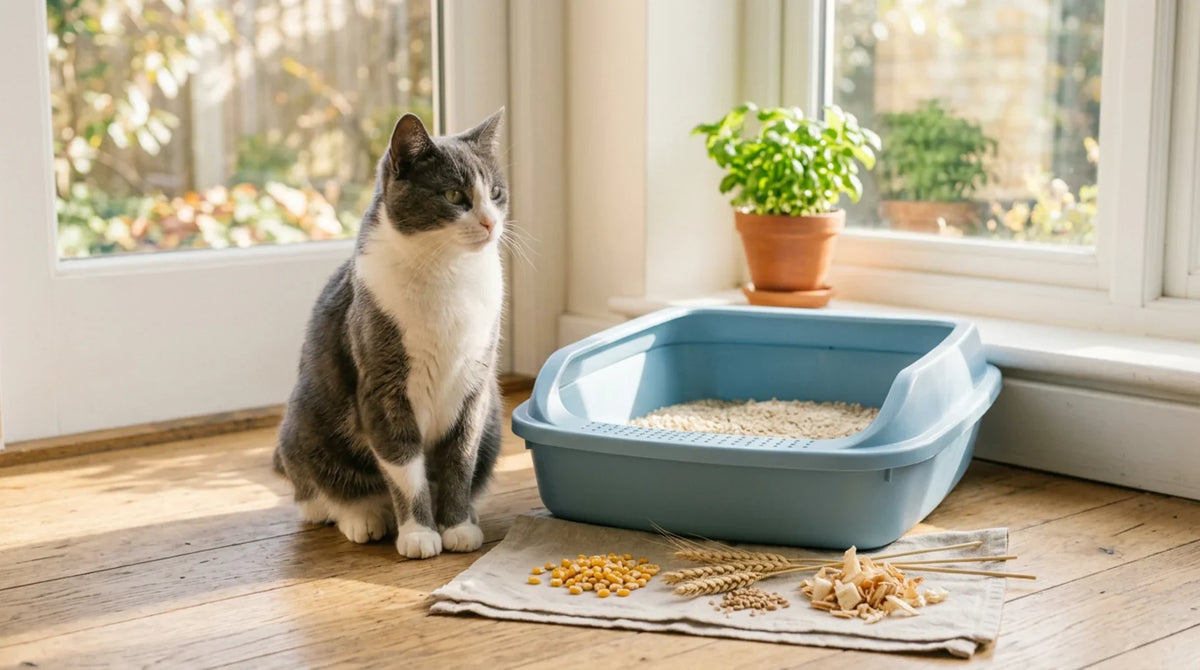
You need to scoop a litter box once or twice a day and wash the empty box every two to four weeks. Warm water and unscented dish soap are enough. Rinse until the water runs clear, let the box dry, then put in 2 to 3 inches of fresh litter. Most problems with a litter box start small. A clump gets missed in a corner, or a film of dried urine builds up on the pan floor over a couple of weeks. Some cats stop at the edge of the box over something that minor. Task What it involves Daily scoop Lift out clumps and solid waste, level the litter, top off if low Weekly reset Wipe the outside of the box, sweep the floor, shake out the mat Deep clean Empty all litter, wash with unscented soap, rinse, dry, refill Replace the box When scratches, cracks, or smell survive a proper wash Why Keeping a Clean Litter Box Matters An uncleaned litter box usually marks the start of a cat using a bath mat. It doesn’t happen in an instant; typically, the litter box becomes slightly unappealing every single day to the point that the cat will look for someplace else. Stop Odors from Developing Early The urine continues breaking down even once it forms clumps. The odor becomes stronger the longer it stays around. Another odor source comes from the residues inside the box itself that may last even when new litter covers them. Removing the waste daily tackles the issue in its core. Other methods like sprays and adding more litter only act on the surface. Cleaning habit Why it helps Removing clumps daily Waste leaves before it has time to break down and smell Keeping the litter at the right level Urine is absorbed before it reaches the plastic Washing the box regularly Removes film and residue that scooping cannot reach Some cats use a box that is one day late, while other cats go in and sniff at the litter and leave immediately. Based on veterinary experts, clumping and feces should be taken out each day, and the litter should be replaced when it is still fresh. Keep everything the same when possible. Type, depth of litter, and the kind of soap used in cleaning. Then, the new box will smell exactly the same as the box that your cat knows very well. Protection of Your Home and Family The fecal matter of cats can have bacteria that can infect humans. The public health recommendations say that you have to change the box each day and to wash your hands, even if you did not come into contact with the litter. You can also wear disposable gloves to make it much easier. ⚠ Immunocompromised or Pregnant? If you are pregnant or have a compromised immune system, make someone else clean the litter box for you whenever possible. If you must clean it yourself, always wear gloves and wash your hands afterwards. How Often Should You Clean a Litter Box? Scoop every day and wash the whole box every few weeks. Many vets suggest scooping once or twice a day. In a home where two or three cats share boxes, that second pass is usually needed. Routine Frequency Notes Scoop waste Daily Twice daily for multiple cats or a picky cat Check litter level Every day Top off after scooping so the depth stays even Wipe surrounding area Weekly Outside of the box, the floor, and the litter mat Deep clean box Every few weeks Weekly for non-clumping litter or when odor lingers Recommendations for deep cleaning differ from those for scooping. Some experts suggest that you should clean your box with soap and water or baking soda once per week; but using clumping litter, it is sufficient to clean your box once every two or four weeks. If your box smells despite your scooping, it needs cleaning. How To Scoop a Litter Box Properly Proper litter box scooping helps remove the waste but ensures that the majority of the clean litter is left. This task does not take more than two minutes to accomplish. 1. Tools You Need A slotted scoop These openings must be large enough for the clean litter to sift through yet small enough to capture little clusters. The metal scoop is usually more durable than the thin plastic scoops. Waste bags or covered bin Place these close to the box to ensure that each scoop gets placed directly into a bag. Ensure that the bag is tied up before it is removed from the room. Paper towels and dustpan They deal with particles that adhere to the rim and particles that have been kicked around by the cat. A storage spot beside the box A small tote or shelf works well. People scoop more often when nothing has to be fetched from another room. 2. Remove Waste But Avoid Removing Too Much Clean Litter Wait for the clump to set: Fresh urine litters fall apart when picked. Take a couple of moments to let it set before scooping. From the edges inwards: Litter clumps often stick to the edges of the box. They are the spots that always get overlooked. Select and shake: Every time you select a litter clump, shake it gently such that the surrounding clean litter falls away. Tie and dispose: Seal the plastic bag and dump it safely into the bin. Litter clumps may block the drain and so should not be flushed in the toilets. Avoid breaking the clumps when still wet: This will make them scatter and the stench will be spread all over the clean litter. 3. Replenish Litter To Maintain Optimal Levels With each time you scoop, some amount of the clean litter is removed with the feces. At the end of a week of regular cleaning, you will find that the bedding becomes quite thin compared to how it was when you first filled it up. Topping up the bed will maintain the depth of the bedding but does not clean the litter tray in any way. The fresh litter on the top of the residue will mask the smell for one or two days. How To Deep Clean a Litter Box Step by Step A thorough cleaning involves removal of all the old litter along with washing and drying of the box before putting new litter. Cleaning will take about 15 to 20 minutes, plus some time for drying. If you feel that your cat will require a box while cleaning, keep an extra box ready. 1. Remove All Old Litter All the old litter needs to be bagged and tied up before putting it in the garbage bin. This should be done at the box rather than at the sink, where a plastic scraper or paper towel could be used to scrape any sticky spots from the floor corners before adding any water. The owner will not allow the litter box to be cleaned in a tub or sink because the dry litter gets wet and expands when drained. 2. Clean Using Products that Are Safe for Cats A mixture of unscented dish soap and water would work for everyday cleaning. It is important that the brush being used for cleaning should be solely dedicated to the litter box. Make sure to clean the corners especially since there is always a buildup of dry urine that is felt through touch. Not all stains will be removed on the first try. It is necessary to leave the soapy water in the litter box for around ten minutes before scrubbing again. 3. Rinse and Dry Thoroughly Continue rinsing until the water is clear and smell it as well. The scent of the detergent may make your cat avoid the litter box because the cat’s sense of smell is more acute than yours. Dry the box completely using paper towels or by propping it up so that the air dries it. Damp litter that is poured into a damp box forms clumps on the plastic surface and gives you back the same issue that you just cleaned. 4. Fill Up With New Litter Make sure that you fill the litter box evenly with litter from top to bottom so that there is about 2 or 3 inches inside the box, then replace it in its original place. It is important to use the same litter as before. How To Clean an Automatic Litter Box An automatic box does the daily scooping for you. You still empty the waste drawer and wash the parts that touch litter. Steps differ between models, so check your manual. The PetPivot AutoScooper 12 Lite, an automatic box with a lift-out litter chamber you can rinse, is a good example of what the routine looks like. 1. Clean The Waste Drawer The drawer stores the waste in bags until it is emptied, which means that it is often the first to smell. Make sure that you empty the drawer before it gets too full and secure it properly while removing it. You may opt for drawstring bags made for the AutoScooper 12 Lite drawer and close them in one go. Some waste will always get past the bag, and you must wash the drawer as well. The AutoScooper 12 manual recommends that the waste container be washed every 15 days, since plastic retains odor. 2. Inspect Sensors and Interior Parts Dust from litter accumulates in the sensors and interior corners. Dirty sensors may read that your cat is present when actually it is not. Clean only those areas designated as owner-cleanable. Do not pry off panels or spray water close to electrical components. The safety interval is designed to keep your cat safe, so do not bypass it at any time. 3. Make Sure The Litter Box System Functions Well Each month, remove all the litter and clean both the box and drawer at the same time. In the case of the AutoScooper 12 litter box, the litter chamber will lift off, and you’ll be able to wash it under the tap or with a brush followed by drying it upside down where ventilation is good until it is completely dry. Add the litter again between the lines when it is completely dry. There’s an entire schedule for cleaning an automated litter box maintenance which details each step. People who have automated the cleaning process tend to admit they no longer see what their cat has left there. Take a look inside the drawer before cleaning it. How To Clean a Litter Box in an Apartment No yard, no outdoor hose. For a lot of apartment owners, that is why the deep clean keeps getting pushed back. Most end up using the bathtub or shower, and it works fine with a couple of habits. 1. Prepare The Area Before Cleaning Have everything ready first: Place your gloves, trash bags, odorless soap, the brush, paper towels, and fresh litter on hand. This way, you won’t have an empty box while trying to find your supplies. Empty and scrape at the box: Bag all the litter and scrape the pan dry where it sits. Carrying a full box through the apartment spreads dust. Cover the drain: A mesh drain cover in the tub or shower catches the granules you miss. They cost a few dollars. 2. Avoid Spreading Litter and Odors Pour the litter in a slow manner with the box being near the opening of the bag. Remove the bag directly from the apartment instead of keeping it near the door. Open the window or start the bathroom fan when you begin cleaning. There are many owners who do not like the thought of cleaning their litter boxes in the bath tub where they shower themselves. The usual method followed by many owners in the discussion forums is that they clean the litter box, pour the dirty rinse water in the toilet, and immediately clean the bathtub. This way, the bathroom cleaning is done all at once. There are multiple ways to reduce litter tracking. Liners are the other apartment shortcut. You lift the liner out, tie it, and throw it away. Most cats do not like box liners, though, and a cat that digs hard can shred one in a day. Try a single liner first and see how your cat reacts. 3. Create A Repeatable Apartment Routine Routine Apartment-friendly approach Daily Scoop into a bag, seal it, and take it to the building trash on your way out Weekly Wipe the box exterior, vacuum the litter area, shake the mat outdoors or into a bag Every few weeks Empty, scrape, wash in the tub, rinse, dry, refill, then clean the tub Try doing the deep clean on a day when you already clean the bathroom. Once it becomes part of your usual routine, it is much easier to remember. What Cleaning Products Should You Use? For the routine washing process, all you need is lukewarm water and a little dish soap (unscented), of course. Your strong preference could be an unpleasant experience for your kitty. The idea here is to provide a nice, odorless box, not one that smells of detergent you have applied. Using Mild and Unscented Cleaners Unscented dish soap is quite sufficient for cleaning off the urine buildup on the box. There is also advice from some cleaning sources that a bit of baking soda can be added. Just make sure to rinse the box thoroughly afterwards to wash out any residues. Regular use of mild soap does more than an occasional use of a strong cleaner. Avoid Powerful Scents Pine cleaners and citrus deodorants make the area smell different to your cat. As well, the plug-in air freshener installed in the wall over the box changes the smell. Some cats will go elsewhere in such case. Most of the time, the cats don’t like the scent in their litter and behave the same way towards the soap with which you wash their litter box. If the litter box is smelly, it is better for you to discover why the box smells rather than to try to hide it. It usually becomes smelly because of the dirty litter, missed clump, dust in the corners of the box or a plastic litter box which must be changed. Why Rinsing is Important The soap left on the plastic has a smell that your cat didn’t choose. It usually sticks to the corners and under the rim of the litter box. When Should You Replace a Litter Box? You need to replace the box If proper cleaning does not solve the problem. Old age alone does not justify getting rid of the box. After many months of scooping and digging, the scratches and grooves that form will harbor odor-causing bacteria and other particles from the litter. Sign Why replace Deep scratches Grooves hold odor and residue that regular washing cannot reach Persistent smell Odor returns within a day or two of a full deep clean Cracks Trap moisture, are hard to clean, and can split when you carry the box Stains that will not lift A sign the plastic has absorbed waste over time Common Litter Box Cleaning Mistakes Most cleaning mistakes start as a way to save a few minutes. They usually cost more time a week later. Waiting Too Long Between Scooping Clumps left to sit for several days harden and crack. They disperse into the clean litter and cause the box to smell earlier than before. Every time after that will take longer. Strong Odor Cleaners A pine or citrus cleaner smells good to you. To your cat, it smells like somewhere she has never been. An unscented soap and a good rince keeps the box familiar.. Forgetting To Clean The Box Itself The scooping removes the waste but not the buildup on the plastic. After several months of no cleaning, there may be odors that cannot be masked by the clean litter. Assuming Automatic Means Maintenance-Free You still have to empty its drawer and wash the chamber of an automatic box. The sensors need to stay clear of dust too. The work moves from every day to every week or month, and that is a real saving, but it is still work. FAQs How frequently should a litter box be cleaned? Ideally, at least once daily. Twice per day is better when many cats use the litter box or your cat is finicky. Clean thoroughly every few weeks, weekly with clumping litter. Are you supposed to wash your cat's litter box? Yes. The scooping process leaves an accumulation of the urine film and dried material in the plastic litter box. It should be emptied, washed with warm water and detergent, and rinsed till there is no odor. What kills litter box smell? Eliminating the source. Scoop daily and clean the box when there is buildup. When the box continues to have an odor even after a complete cleaning, it is time to buy a new box. Fragrant sprays only mask the odor for an hour or two. What is the best way to scoop a litter box? Wait until the clumps have set. Begin cleaning in the corners, walls, and sides, shaking the litter box scoop to ensure that any leftover fresh litter falls back into the litter box. Place the waste in a sealed bag. How do I stop my house from smelling like cat litter? Empty the box daily and clean it at appropriate times. Get rid of the bags outside rather than keeping them near the box. Replace the plastic if it continues to smell after cleaning. Where is the most sanitary place to put a litter box? In an area that is calm and easy for the cat to access, but not near food and water dishes. Do not place it in a hallway or near the washing machine and dryer, as the noise may frighten a cat. How do you clean an automatic litter box? It should be emptied before it gets full and cleaned every two weeks. Dust should be removed from the sensors as recommended in the manual. Every month, you should empty all the litter and wash the tray, then allow it to air dry. How often should you deep clean a litter box? Deep clean once every two to four weeks if you use clumping litter. If using non-clumping litter, clean once per week.
|
Task
|
What it involves
|
|
Daily scoop
|
Lift out clumps and solid waste, level the litter, top off if low
|
|
Weekly reset
|
Wipe the outside of the box, sweep the floor, shake out the mat
|
|
Deep clean
|
Empty all litter, wash with unscented soap, rinse, dry, refill
|
|
Replace the box
|
When scratches, cracks, or smell survive a proper wash
|
Why Keeping a Clean Litter Box Matters
Stop Odors from Developing Early
|
Cleaning habit
|
Why it helps
|
|
Removing clumps daily
|
Waste leaves before it has time to break down and smell
|
|
Keeping the litter at the right level
|
Urine is absorbed before it reaches the plastic
|
|
Washing the box regularly
|
Removes film and residue that scooping cannot reach
|
Protection of Your Home and Family
|
⚠ Immunocompromised or Pregnant?
If you are pregnant or have a compromised immune system, make someone else clean the litter box for you whenever possible. If you must clean it yourself, always wear gloves and wash your hands afterwards.
|
How Often Should You Clean a Litter Box?
|
Routine
|
Frequency
|
Notes
|
|
Scoop waste
|
Daily
|
Twice daily for multiple cats or a picky cat
|
|
Check litter level
|
Every day
|
Top off after scooping so the depth stays even
|
|
Wipe surrounding area
|
Weekly
|
Outside of the box, the floor, and the litter mat
|
|
Deep clean box
|
Every few weeks
|
Weekly for non-clumping litter or when odor lingers
|
How To Scoop a Litter Box Properly

1. Tools You Need
-
A slotted scoop
-
Waste bags or covered bin
-
Paper towels and dustpan
-
A storage spot beside the box
2. Remove Waste But Avoid Removing Too Much Clean Litter
-
Wait for the clump to set: Fresh urine litters fall apart when picked. Take a couple of moments to let it set before scooping.
-
From the edges inwards: Litter clumps often stick to the edges of the box. They are the spots that always get overlooked.
-
Select and shake: Every time you select a litter clump, shake it gently such that the surrounding clean litter falls away.
-
Tie and dispose: Seal the plastic bag and dump it safely into the bin. Litter clumps may block the drain and so should not be flushed in the toilets.
-
Avoid breaking the clumps when still wet: This will make them scatter and the stench will be spread all over the clean litter.
3. Replenish Litter To Maintain Optimal Levels
-
With each time you scoop, some amount of the clean litter is removed with the feces. At the end of a week of regular cleaning, you will find that the bedding becomes quite thin compared to how it was when you first filled it up.
-
Topping up the bed will maintain the depth of the bedding but does not clean the litter tray in any way. The fresh litter on the top of the residue will mask the smell for one or two days.
How To Deep Clean a Litter Box Step by Step

1. Remove All Old Litter
2. Clean Using Products that Are Safe for Cats
3. Rinse and Dry Thoroughly
4. Fill Up With New Litter
How To Clean an Automatic Litter Box

1. Clean The Waste Drawer
2. Inspect Sensors and Interior Parts
3. Make Sure The Litter Box System Functions Well
How To Clean a Litter Box in an Apartment

1. Prepare The Area Before Cleaning
2. Avoid Spreading Litter and Odors
3. Create A Repeatable Apartment Routine
|
Routine
|
Apartment-friendly approach
|
|
Daily
|
Scoop into a bag, seal it, and take it to the building trash on your way out
|
|
Weekly
|
Wipe the box exterior, vacuum the litter area, shake the mat outdoors or into a bag
|
|
Every few weeks
|
Empty, scrape, wash in the tub, rinse, dry, refill, then clean the tub
|
What Cleaning Products Should You Use?
Using Mild and Unscented Cleaners
Avoid Powerful Scents
Why Rinsing is Important
When Should You Replace a Litter Box?
|
Sign
|
Why replace
|
|
Deep scratches
|
Grooves hold odor and residue that regular washing cannot reach
|
|
Persistent smell
|
Odor returns within a day or two of a full deep clean
|
|
Cracks
|
Trap moisture, are hard to clean, and can split when you carry the box
|
|
Stains that will not lift
|
A sign the plastic has absorbed waste over time
|
Common Litter Box Cleaning Mistakes
-
Waiting Too Long Between Scooping
-
Strong Odor Cleaners
-
Forgetting To Clean The Box Itself
-
Assuming Automatic Means Maintenance-Free
FAQs
How frequently should a litter box be cleaned?
Are you supposed to wash your cat's litter box?
What kills litter box smell?
What is the best way to scoop a litter box?
How do I stop my house from smelling like cat litter?
Where is the most sanitary place to put a litter box?
How do you clean an automatic litter box?
How often should you deep clean a litter box?

You may also like

AutoScooper 11 Cat Litter Box

AutoScooper 11 Cat Litter Box

AutoScooper 11 Cat Litter Box


AutoScooper 11 Litter Base Bed – 2 Pack

AutoScooper 11 Waste Bags – 60 Count
Further reading

Where Should You Put a Litter Box in a Small Apartment?
Is Cat Litter Biodegradable? Types, Disposal & Safety
How Do Cats Know to Use the Litter Box? Instincts Explained