9 praktische Wege, um Katzenstreu-Verteilung zu reduzieren

Über den Autor
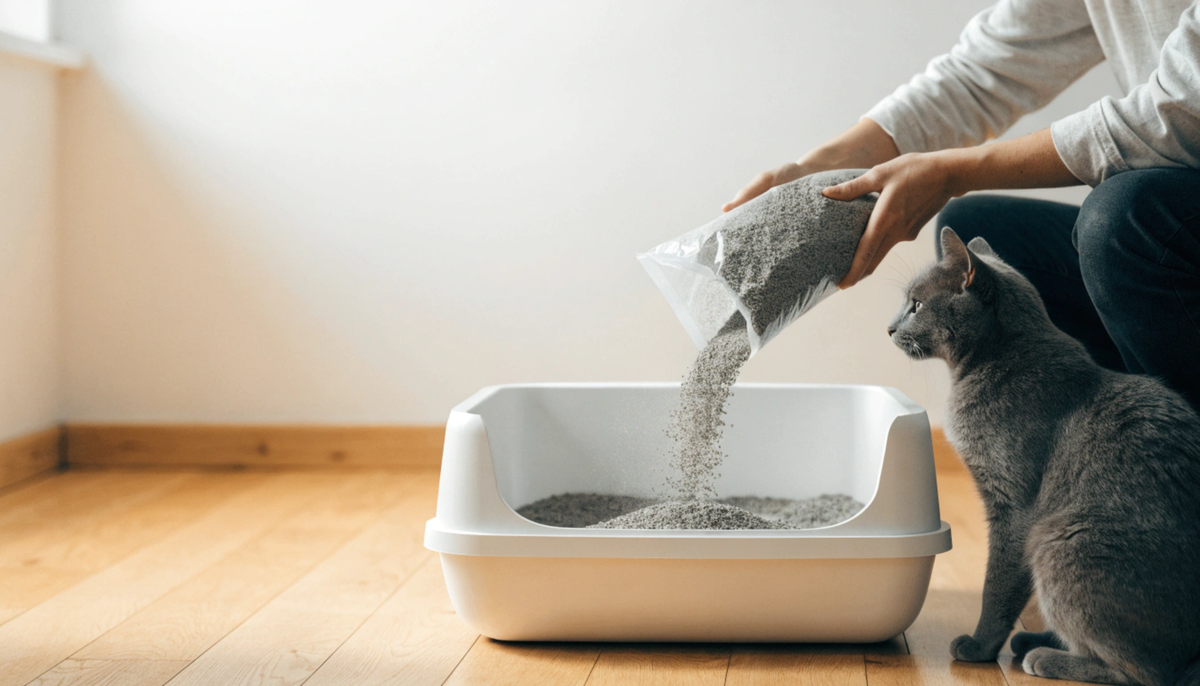
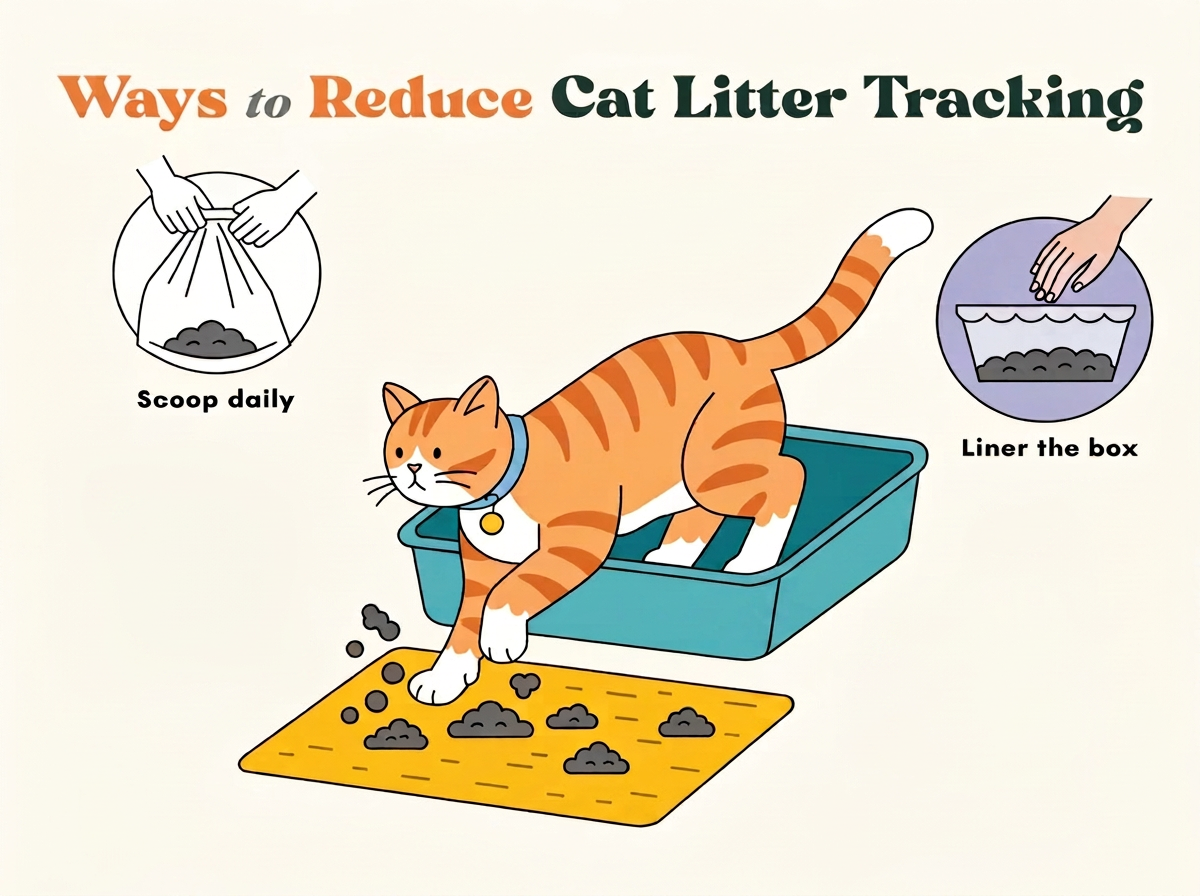
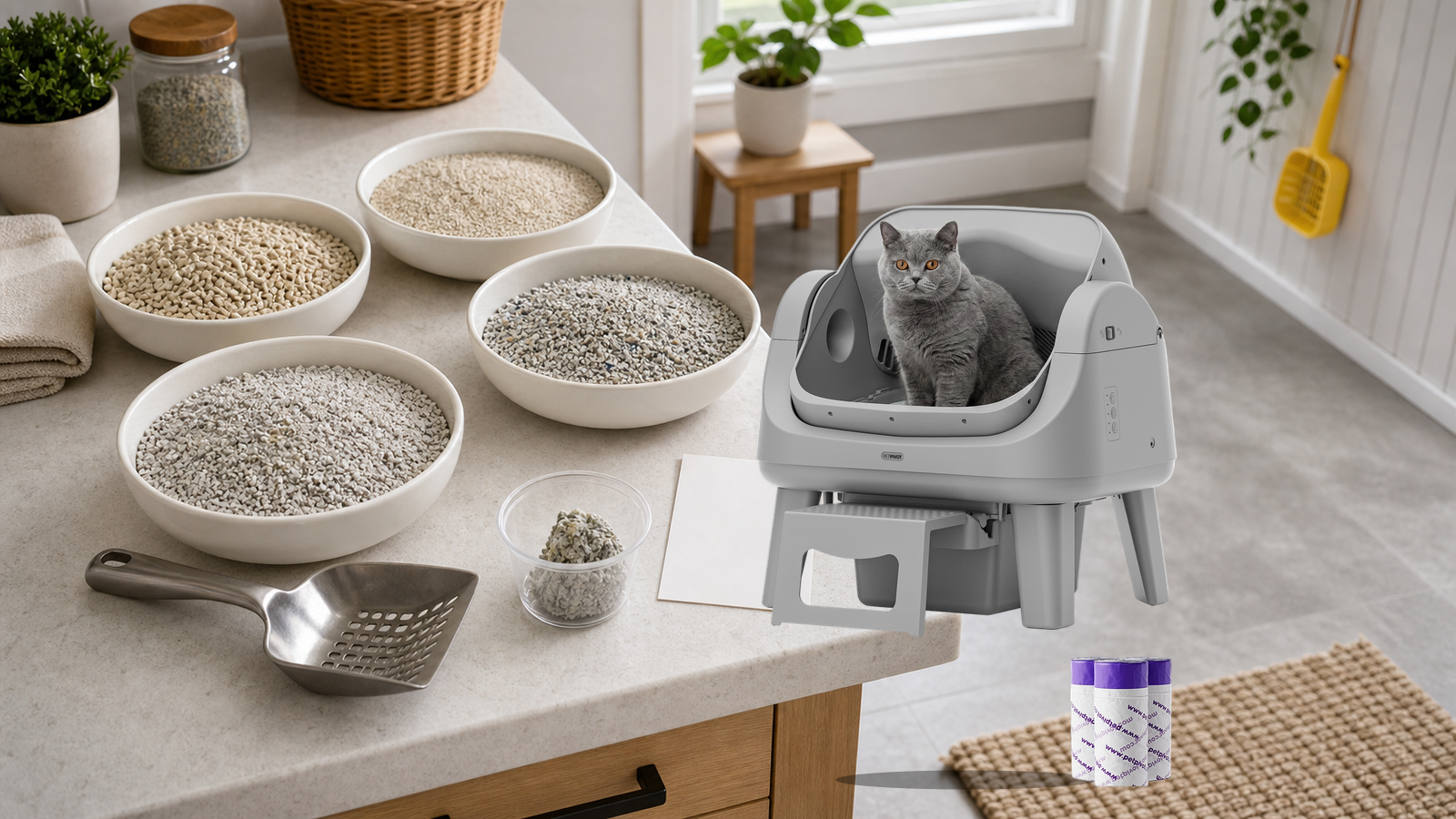
Sie können das Heraustragen von Katzenstreu reduzieren, indem Sie ein größeres, schwereres Streu, eine geräumige Katzentoilette mit hohem Rand sowie eine breite Matte oder einen längeren Ausgangsweg verwenden. Reinigen Sie die Toilette täglich und entfernen Sie verstreutes Streu um die Box herum, bevor es in andere Räume getragen wird. Meistens gelangt Streu auf drei Arten nach draußen: Es bleibt an den Pfoten oder dem Fell der Katze haften, wird beim Scharren herausgekickt oder verteilt sich weiter in der Wohnung, nachdem es auf dem Boden gelandet ist. Wenn Streu an den Pfoten klebt, sollten Sie mit der Streuart beginnen. Wenn Ihre Katze es über den Rand wirft, passen Sie die Größe der Box, die Wandhöhe oder die Streufüllhöhe an. Wenn sich der Schmutz in Fluren, Schlafzimmern oder auf Möbeln verteilt, konzentrieren Sie sich auf den Ausgangsbereich und fangen Sie das Streu näher an der Box auf. Was Ihnen auffällt Bester erster Schritt Feines Streu klebt an den Pfoten Wechseln Sie zu größeren, schwereren und staubarmen Körnern Streu wird über die Ränder geworfen Verwenden Sie eine größere Box mit höheren Seitenwänden Katze springt über die Matte Verlängern Sie den Ausgangsweg, anstatt sich nur auf die Matte zu verlassen Streu verteilt sich weit über die Box hinaus Reinigen Sie den Bereich um die Box täglich großflächig Langhaarige Katze trägt Streu heraus Überprüfen und schneiden Sie vorsichtig das Fell zwischen den Zehen Automatische Box verliert weiterhin Streu Lassen Sie sie kurz nach Gebrauch laufen und ergänzen Sie eine große Matte Warum verteilt sich Katzenstreu überall? Das Heraustragen von Streu ist kein einzelnes Problem, sondern hat verschiedene Ursachen, für die es jeweils eine andere Lösung gibt. Ermitteln Sie, welche Ursache in Ihrem Zuhause vorliegt, bevor Sie Änderungen vornehmen. 1. Streu bleibt an Pfoten und Fell haften Das Problem beginnt direkt an den Pfoten. Feines, leichtes oder staubiges Streu bleibt an den weichen Ballen und dem Fell zwischen den Zehen haften, und die Katze verteilt es dann Schritt für Schritt im Raum. Katzen schütteln beim Verlassen der Box oft ihre Pfoten aus, wodurch es noch weiter verstreut wird. 2. Beim Scharren wird Streu aus der Box geworfen Dies passiert direkt an der Box während des normalen Scharrens und Vergrabens. Eine enthusiastische Katze schleudert Körnchen über den Rand, und eine flache oder niedrigwandige Schale bietet keinen Schutz, sodass Streu direkt auf den Boden fällt, bevor es überhaupt weitertransportiert wird. 3. Schnelles Verlassen der Box verteilt das Streu weiter Manche Katzen springen oder stürmen mit Höchstgeschwindigkeit aus der Box, überwinden eine kleine Matte komplett und tragen die Körnchen tief in Flure und Teppiche hinein. Selbst bei täglich laufendem Saugroboter kann es passieren, dass Katzen aus der Box stürmen und das Streu über mehrere Räume verteilen. 4. Menschen können das Streu ebenfalls verteilen Sobald Körnchen auf einem Durchgangsweg landen, verteilt man sie durch das eigene Laufen weiter. Familienmitglieder tragen die feinen Partikel mit nackten Füßen, Socken oder Schuhsohlen im restlichen Haus umher. Ein Katzenbesitzer stellte fest, dass das tägliche zweimalige Kehren des Bereichs um die Box verhinderte, dass Streu an den Socken kleben blieb und sich verteilte. 9 praktische Möglichkeiten, das Heraustragen von Katzenstreu zu verringern Die Lösung besteht darin, den spezifischen Punkt zu schließen, an dem das Streu austritt. Hier sind neun Ansätze, von der Streuwahl über den Ausgangsweg bis hin zur Reinigung. 1. Wählen Sie größere, schwerere Streupartikel Feines, leichtes Streu verbreitet sich am weitesten, da kleine Körnchen an Pfoten und Fell haften bleiben. Größere, schwerere Körner fallen tendenziell in der Nähe der Box ab, anstatt in den Flur zu gelangen. Pellets helfen ebenfalls, da die Stücke zu groß sind, um zwischen den Zehen stecken zu bleiben, und staubarme Rezepturen reduzieren den Feinstaub. Bedenken Sie jedoch, dass die meisten Katzen eine feine, unparfümierte Textur bevorzugen. Stellen Sie also sicher, dass Ihre Katze das neue Streu annimmt, bevor Sie komplett wechseln. 2. Verwenden Sie eine größere Box mit höheren Seitenwänden Eine zu kleine Box lässt einer Katze weniger Platz zum Drehen und Vergraben, sodass das Streu über die Seiten fliegt, besonders wenn die Katze nahe am Rand scharrt. Eine größere Box mit höheren Wänden hält mehr von dem zurück, was nach hinten geworfen wird. Für viele Katzen ist eine Box mit hohem Rand und einem niedrigen Einstieg besser als ein Modell mit Einstieg von oben. Der niedrigere Einstieg macht den Zugang einfach für Kätzchen, Senioren, übergewichtige Katzen und Katzen mit eingeschränkter Mobilität, während die höheren Wände dennoch das Streu zurückhalten. 3. Halten Sie die Streuhöhe konstant Mehr Streu ist nicht automatisch besser. Füllen Sie die Box zu voll, liegt die lose obere Schicht direkt am Rand, wo sie leicht herausgekickt wird und schnell an den Pfoten kleben bleibt. Füllen Sie so viel ein, dass Ihre Katze bequem scharren und alles abdecken kann, und halten Sie dann dieses Niveau bei, anstatt ständig nachzufüllen. Füllen Sie aber auch nicht zu wenig ein, da eine Katze, die ihre Hinterlassenschaften nicht abdecken kann, möglicherweise heftiger am Boden kratzt. 4. Erstellen Sie einen längeren Ausgangsweg Eine der effektivsten Maßnahmen ist es, zu verhindern, dass die Katze direkt von der losen Streu auf den offenen Boden tritt. Zusätzliche Schritte geben den Körnern Zeit, abzufallen, bevor die Katze den Rest des Hauses erreicht – dies hilft besonders bei Katzen, die mit einem Sprung eine kleine Matte komplett überspringen. Schaffen Sie diesen Weg durch ein Möbelstück für die Katzentoilette, ein großes Gehäuse, eine DIY-Aufbewahrungsbox oder einen waschbaren Teppich zwischen Schale und Ausgang. Das Ziel ist nicht, die Katze einzusperren, sondern den Weg zu verlängern, damit Streu abfällt. Ein Besitzer verwendete ein Möbelstück, damit die Katze innen erst ein Stück laufen musste; ein anderer platzierte die Box an einem Ende einer Aufbewahrungsbox mit einem Teppich zwischen der Box und der Öffnung. 5. Verwenden Sie eine größere Auffangmatte Eine größere Matte mit einer Textur, die Körnchen aus den Pfoten zieht – etwa mit Rillen, Noppen oder grobem Gewebe –, fängt mehr auf als eine dünne, flache Matte. Die Größe ist entscheidend: Eine Matte, über die die Katze mit einem einzigen Satz springt, ist nutzlos. Erweitern Sie den Auffangbereich also deutlich über den vorderen Rand der Box hinaus. 6. Reinigen Sie regelmäßig, um das Streu trocken und sauber zu halten Feuchtes, benutztes Streu klebt viel stärker an den Pfoten als trockenes, sauberes Streu. Wenn Sie mindestens einmal täglich reinigen, bleibt die Oberfläche trocken und es bleibt weniger auf dem Weg nach draußen an den Pfoten haften. Außerdem bleibt die Box so attraktiv für die Katze – was wichtiger ist als jeder Anti-Tracking-Trick. 7. Halten Sie die ersten Meter um die Box sauber Jedes Streu, das entkommt, sammelt sich im Umkreis der ersten Meter um die Box. Kehren oder saugen Sie diesen Bereich täglich ab, damit die Körnchen nicht an den Füßen kleben bleiben und weitergetragen werden. Dies ist der Schritt, dem Besitzer am häufigsten zuschreiben, dass sich das Streu nicht mehr im ganzen Haus verteilt. 8. Kontrollieren Sie langes Fell an den Pfoten Langhaarige Katzen sammeln Streu im Fell zwischen den Zehen und tragen es wie mit einer Bürste heraus. Wenn Sie diese Büschel vorsichtig auf Höhe der Pfotenballen stutzen (oder dies von einem Hundefriseur machen lassen), findet das Streu weniger Halt. Lassen Sie den Rest der Pfote in Ruhe. 9. Nutzen Sie automatische Reinigung als Ergänzung Automatisierte Reinigung ist eine Ergänzung, kein Allheilmittel gegen das Heraustragen. Automatische Systeme entfernen Klumpen zwischen den Besuchen, können aber keine trockenen Körnchen entfernen, die bereits an den Pfoten der Katze haften – und genau diese werden durch das Haus getragen. Wenn Sie die Autoscooper 12 lite Katzentoilette verwenden, kombinieren Sie ein kompatibles klumpendes Streu mit einer großen Matte auf dem eigentlichen Ausgangsweg der Katze. Da dies eine Katze, die intensiv scharrt oder herausstürmt, nicht aufhalten wird, sollten Sie sich vorrangig auf die oben genannten Lösungen (Streu, Box, Ausgangsweg) verlassen. Was Sie vermeiden sollten Einige gängige Lösungen stoppen zwar das Streu, können aber dazu führen, dass die Katze die Toilette nicht mehr benutzt. Vermeiden Sie diese Fehler. Wechseln Sie das Streu nicht abrupt Eine plötzliche Veränderung der Textur oder des Geruchs kann die Katze dazu bringen, die Box zu meiden. Stellen Sie über ein bis zwei Wochen um, indem Sie das neue Streu schrittweise unter das alte mischen. Zwingen Sie nicht jede Katze in eine geschlossene Toilette Eine Haube hält zwar Streu zurück, aber viele Katzen mögen das eingeengte Gefühl und den gestauten Geruch nicht. Wenn Sie eine abgeneigte Katze dazu zwingen, riskieren Sie, dass sie die Box meidet. Verwenden Sie keine Box mit Einstieg von oben für Katzen mit Sprungproblemen Boxen mit Einstieg von oben verringern zwar das Tracking, sind aber ungeeignet für Kätzchen, Senioren, übergewichtige Katzen und alle Tiere mit Mobilitätsproblemen. Eine Box mit hohem Rand und niedrigem Einstieg ist hier die sanftere Alternative. Stellen Sie die Box nicht an einen unpraktischen Ort, nur um sie zu verstecken Die Verbannung der Toilette in einen weit entfernten Keller oder einen engen Schrank führt oft zu Unsauberkeit. Die Box muss immer an einem Ort stehen, den die Katze bereitwillig nutzt. Erwarten Sie nicht, dass alleiniges Putzen das Problem an der Wurzel löst Kehren bekämpft nur das Symptom. Wenn Streu weiterhin austritt, liegt die wahre Lösung bei der Box, dem Streutyp, der Größe, den Wänden oder dem Ausgangsweg – nicht beim Besen. Welches ist das beste Streu für weniger Tracking? Es gibt kein Streu, das für jede Katze perfekt ist. Stimmen Sie die Wahl des Streus auf das ab, was Ihre Katze tatsächlich akzeptiert. 1. Achten Sie zuerst auf Partikelgröße und Gewicht Größere, schwerere, staubarme Körner und Pellets verbreiten sich am wenigsten, da sie nahe der Box abfallen und zu groß sind, um zwischen den Zehen stecken zu bleiben. Das ist das Erste, worauf Sie beim Kauf achten sollten. 2. Vergleichen Sie gängige Streuarten Ton, Kiefernholz, Tofu, Papier, Mais und Silikat haben jeweils Vor- und Nachteile bei Klumpfähigkeit, Staubentwicklung, Geruchsbindung, Gewicht und Textur. Eine Studie zu den Vorlieben von Katzen bei Streu ergab, dass Katzen insgesamt Ton bevorzugen – eine Erinnerung daran, dass ein streuarmes Produkt nur dann hilft, wenn die Katze es auch weiterhin benutzt. Streuart Tracking-Tendenz Haupt-Kompromiss Feiner Ton Oft höher Gute Klumpfähigkeit, aber kleine Körner kleben an Pfoten Grobkörniger Ton Meist niedriger Schwerer zu tragen und einzufüllen Kiefernpellets Meist niedrig Andere Textur; Katze braucht evtl. Eingewöhnungszeit Tofupellets Meist gering Akzeptanz und Kosten variieren Papierpellets Gering Textur unterscheidet sich von herkömmlicher Streu Kristallstreu Gering bis mäßig Große Kristalle können sich rau an den Pfoten anfühlen 3. Streu schrittweise umstellen Stellen Sie die Streu langsam um, indem Sie über ein bis zwei Wochen immer mehr der neuen Sorte unter die alte mischen. Eine plötzliche Änderung kann die Katze dazu bringen, das Katzenklo zu meiden – und eine Katze, die das Klo meidet, ist ein größeres Problem als verstreute Krümel. Was tun, wenn die Vorlegematte nicht hilft? Wenn eine Matte keine Abhilfe zu schaffen scheint, hat dies meist einen behebbaren Grund. Die Matte könnte zu klein sein: Eine kleine Matte fängt nur Körner von ein oder zwei Schritten auf. Wählen Sie eine größere Matte, damit die Katze mehr Fläche überquert, bevor sie den Boden erreicht. Die Katze springt möglicherweise darüber: Eine Katze, die über die Matte springt, berührt sie nie. Verlängern Sie den Ausgangsweg oder verbreitern Sie den Fangbereich, anstatt sich nur auf die Matte zu verlassen. Die Matte liegt möglicherweise an der falschen Stelle: Wenn sie nicht direkt auf dem Weg der Katze aus dem Klo liegt, läuft sie einfach drumherum. Richten Sie die Matte am tatsächlichen Ausgangsweg aus, direkt bündig mit der Katzentoilette. Es wird möglicherweise das falsche Problem behandelt: Eine Matte fängt das auf, was an den Pfoten haftet. Sie bewirkt jedoch nichts gegen Streu, die beim Scharren über den Rand geschleudert wird; hierfür ist eine größere, höhere Katzentoilette erforderlich. Womit kann die Vorlegematte ersetzt werden? Es kann sich um einen waschbaren Läufer, eine Gummibadematte oder eine Schuhabtropfschale handeln, sofern diese rutschfest, flach, reinigungsfähig sind und sich die Krallen nicht verhaken können. Anstatt nach einem bestimmten Produkt zu suchen, orientieren Sie sich an den folgenden Merkmalen: Waschbar: Sie sollte waschbar sein, da jeder Gegenstand, der Schmutz ansammelt und nicht gereinigt werden kann, potenziell ein Hygieneproblem darstellt. Rutschfest: Sie sollte flach liegen bleiben und nicht unter den Pfoten der Katze wegrutschen, wenn diese aus der Toilette springt; vermeiden Sie daher rutschige Läufer oder zu leichte Matten. Flaches Profil: Es sollte für die Katze einfach sein, darauf zu treten, und kein Hindernis für Kätzchen oder ältere Katzen darstellen. Krallenfreundlich: Sie sollte keine Schlaufen, keine flauschige Textur und keine harten Borsten haben. Groß genug: Sie deckt den Bereich mehrerer Schritte außerhalb der Toilette ab, in dem der Großteil der Streu abfällt. Einige Setups erfüllen diese Kriterien gut. Eine Badematte mit Gummirücken löst die Streu von den Pfoten und kann direkt in die Wäsche gegeben werden. Eine flache Schuhabtropfschale unter oder neben dem Klo fängt verstreute Körnchen an einem waschbaren Ort auf. Und ein waschbarer Läufer entlang des Ausgangswegs bietet der Katze ein paar Schritte auf einer sicheren Oberfläche, bevor sie das Zimmer erreicht. Manche Halter gehen noch einen Schritt weiter und stellen die Katzentoilette an ein Ende eines langen, niedrigen Behälters, vor dem ein waschbarer Teppich liegt. Dies schafft einen verlängerten Pfad, sodass die Streu von den Pfoten der Katze fällt, bevor sie den Wohnzimmerboden betritt. So reduzieren Sie die Verschleppung von Streu bei einer automatischen Katzentoilette Automatische Katzentoiletten verschleppen Streu aus denselben Gründen wie manuelle, plus einem eigenen: Der Reinigungszyklus kann eine saubere, leicht feuchte Oberfläche hinterlassen, an der Pfoten hängen bleiben. Stellen Sie das Gerät so ein, dass es kurz nach der Benutzung reinigt, damit die Pfoten auf trockene Streu treffen. Verwenden Sie eine größere, schwerere und staubarme Streu, die mit der Maschine kompatibel ist. Legen Sie eine große Matte oder ein mit einem Teppich ausgelegtes Tablett an den Ausgang und halten Sie den Boden drumherum sauber, da die Maschine zwar den Abfall entsorgt, aber nicht die Krümel, die die Katze mit hinausträgt. Halten Sie die Streutiefe konsistent Hinweis zum Abfall: Eine gleichmäßige, vernünftige Füllhöhe bedeutet auch, dass Sie mit der Zeit weniger saubere Streu wegwerfen, da eine Überfüllung dazu führt, dass Streu herausgescharrt und aufgefegt wird. Weniger Verschleppung und weniger Abfall gehen meist Hand in Hand. Welche Streu ist am besten gegen Verschleppung? Die Streu mit der geringsten Verschleppung besteht aus größeren, schwereren und staubarmen Körnern, da diese in der Nähe des Klos abfallen und zu groß sind, um zwischen den Zehen hängen zu bleiben. Bewerten Sie jede Streu anhand dieser Merkmale zur Verschleppung: Merkmal Geringere Verschleppung Partikelgröße Größere Körner oder Pellets Gewicht Schwerere Körner, die schnell abfallen Staubanteil Staubarme oder staubfreie Formeln Textur Nicht klumpende Pellets verschleppen am wenigsten; feine Tonstreu am meisten Die meisten Katzen bevorzugen nach wie vor eine feine, unparfümierte Textur, daher hilft eine streuarme Sorte nur, wenn Ihre Katze sie auch weiterhin benutzt. Stellen Sie die Sorte schrittweise um, um eine Verweigerung der Toilette zu vermeiden. Ist es normal, dass Katzen Streu überallhin verteilen? Scharren, Kratzen und Zudecken sind normales, gesundes Katzenverhalten, daher ist etwas Verstreuung zu erwarten. Was Sie beeinflussen können, ist die Weite der Verteilung durch die Größe des Klos, die Wahl der Streu und den Ausgangsweg, nicht aber den Instinkt an sich. Eine plötzliche Änderung des Scharrverhaltens oder der Toilettengewohnheiten sollte jedoch tierärztlich untersucht werden. Häufig gestellte Fragen (FAQs) Kann verschleppte Streu Bakterien oder Parasiten im Haus verbreiten? Verschleppte Streu enthält Spuren von Urin oder Kot. Gehen Sie beim Reinigen entsprechend vorsichtig vor und entfernen Sie diese sofort. Sie sollten sich nach dem Kontakt mit Katzenstreu ebenfalls die Hände waschen, da der Kot Ihrer Katze Parasiten wie Toxoplasma gondii enthalten kann. Wenn Sie schwanger sind oder ein schwaches Immunsystem haben, lassen Sie sich von Ihrem Arzt oder Gesundheitsbehörden beraten, zum Beispiel anhand der CDC-Richtlinien zur Toxoplasmose. Warum verschleppt meine Katze plötzlich mehr Streu? Ein plötzlicher Anstieg folgt fast immer einer kürzlichen Veränderung. Prüfen Sie: Eine neue Art von Streu Eine vollere Katzentoilette als üblich Eine andere Größe oder Form der Katzentoilette Eine verrutschte Vorlegematte Machen Sie die kürzliche Änderung zuerst rückgängig. Wenn sich auch das Toilettenverhalten Ihrer Katze geändert hat, z. B. längeres Scharren oder Benutzung außerhalb des Klos, bitten Sie Ihren Tierarzt, eine medizinische Ursache auszuschließen. Verschlechtert sich die Streuverteilung bei mehr als einer Katze? Normalerweise ja, mehr Katzen bedeuten mehr Gänge, mehr Scharren und mehr Pfoten, die Krümel verbreiten. Einiges hilft: Geben Sie jeder Katze ein größeres Klo mit höheren Seitenwänden Fügen Sie bei jeder Katzentoilette eine Matte oder einen Ausgangsweg hinzu Reinigen Sie öfter, um die Streu trocken zu halten Verteilen Sie die Toiletten so, dass eine stark frequentierte Toilette nicht zum Hotspot wird Sind Vorlegematten mit Öffnungen besser als herkömmliche? Generell ja. Matten mit Öffnungen sammeln die Körnchen in ihren Vertiefungen, während eine flache Matte nur die Oberfläche abwischt, wodurch die Pfoten die Streu wieder aufnehmen können. Die Größe ist in jedem Fall wichtiger als das Muster. Beeinflusst die Bodenart die Streuverteilung? Der Unterschied ist rein optisch. Es kann sein, dass man auf dunklen Böden, in Fliesenfugen oder auf kurzflorigen Teppichen Schmutz schneller sieht, der sich dort aber schwerer aufsaugen lässt, während auf harten und hellen Böden Streu unsichtbar bleibt und leicht aufzusaugen ist. Da Sie den Bodenbelag nicht ändern können, konzentrieren Sie sich darauf, die Streu aufzufangen, bevor sie sich verteilen kann. Wo ist der beste Platz für die Katzentoilette? Die Katzentoilette sollte an einem Ort stehen, der: Platz genug für eine Matte oder einen Ausgangsweg bietet Ruhig ist und wenig begangen wird Einen Hartboden hat, der leicht zu kehren ist Vermeiden Sie Teppiche, enge Ecken und stark frequentierte Durchgangswege, wo Krümel schnell aufgenommen werden. Vor allem muss das Klo ein Ort sein, den Ihre Katze gerne nutzt – verstecken Sie es also nicht nur, um das Chaos in Grenzen zu halten. Wie oft sollte ich verschleppte Streu entfernen? Kehren oder saugen Sie täglich um die Katzentoilette herum und reinigen Sie stark beanspruchte Wege nach Bedarf. Die tägliche Reinigung verhindert, dass Körnchen in Teppiche getreten oder an Füßen und Socken weitergetragen werden, was wesentlich einfacher ist, als die Streu erst ansammeln zu lassen. Quellen Veterinary behavior team, VCA Animal Hospitals — Litter Box Training for Kittens and Cats Feline health faculty, Cornell Feline Health Center, Cornell University College of Veterinary Medicine — Choosing and Caring for Your New Cat Feline behavior researchers, IAABC Foundation Journal — Evaluating Litter Substrate Preferences in a Population of Cats Veterinary editorial team, VCA Animal Hospitals — Urinary Tract Infections (UTIs) in Cats
|
Was Ihnen auffällt
|
Bester erster Schritt
|
|
Feines Streu klebt an den Pfoten
|
Wechseln Sie zu größeren, schwereren und staubarmen Körnern
|
|
Streu wird über die Ränder geworfen
|
Verwenden Sie eine größere Box mit höheren Seitenwänden
|
|
Katze springt über die Matte
|
Verlängern Sie den Ausgangsweg, anstatt sich nur auf die Matte zu verlassen
|
|
Streu verteilt sich weit über die Box hinaus
|
Reinigen Sie den Bereich um die Box täglich großflächig
|
|
Langhaarige Katze trägt Streu heraus
|
Überprüfen und schneiden Sie vorsichtig das Fell zwischen den Zehen
|
|
Automatische Box verliert weiterhin Streu
|
Lassen Sie sie kurz nach Gebrauch laufen und ergänzen Sie eine große Matte
|
Warum verteilt sich Katzenstreu überall?
1. Streu bleibt an Pfoten und Fell haften
2. Beim Scharren wird Streu aus der Box geworfen

3. Schnelles Verlassen der Box verteilt das Streu weiter
4. Menschen können das Streu ebenfalls verteilen
9 praktische Möglichkeiten, das Heraustragen von Katzenstreu zu verringern
1. Wählen Sie größere, schwerere Streupartikel
2. Verwenden Sie eine größere Box mit höheren Seitenwänden

3. Halten Sie die Streuhöhe konstant
4. Erstellen Sie einen längeren Ausgangsweg
5. Verwenden Sie eine größere Auffangmatte

6. Reinigen Sie regelmäßig, um das Streu trocken und sauber zu halten
7. Halten Sie die ersten Meter um die Box sauber
8. Kontrollieren Sie langes Fell an den Pfoten

9. Nutzen Sie automatische Reinigung als Ergänzung

Was Sie vermeiden sollten
-
Wechseln Sie das Streu nicht abrupt
-
Zwingen Sie nicht jede Katze in eine geschlossene Toilette
-
Verwenden Sie keine Box mit Einstieg von oben für Katzen mit Sprungproblemen
-
Stellen Sie die Box nicht an einen unpraktischen Ort, nur um sie zu verstecken
-
Erwarten Sie nicht, dass alleiniges Putzen das Problem an der Wurzel löst
Welches ist das beste Streu für weniger Tracking?
1. Achten Sie zuerst auf Partikelgröße und Gewicht
2. Vergleichen Sie gängige Streuarten
|
Streuart
|
Tracking-Tendenz
|
Haupt-Kompromiss
|
|
Feiner Ton
|
Oft höher
|
Gute Klumpfähigkeit, aber kleine Körner kleben an Pfoten
|
|
Grobkörniger Ton
|
Meist niedriger
|
Schwerer zu tragen und einzufüllen
|
|
Kiefernpellets
|
Meist niedrig
|
Andere Textur; Katze braucht evtl. Eingewöhnungszeit
|
|
Tofupellets
|
Meist gering
|
Akzeptanz und Kosten variieren
|
|
Papierpellets
|
Gering
|
Textur unterscheidet sich von herkömmlicher Streu
|
|
Kristallstreu
|
Gering bis mäßig
|
Große Kristalle können sich rau an den Pfoten anfühlen
|
3. Streu schrittweise umstellen
Was tun, wenn die Vorlegematte nicht hilft?
-
Die Matte könnte zu klein sein: Eine kleine Matte fängt nur Körner von ein oder zwei Schritten auf. Wählen Sie eine größere Matte, damit die Katze mehr Fläche überquert, bevor sie den Boden erreicht.
-
Die Katze springt möglicherweise darüber: Eine Katze, die über die Matte springt, berührt sie nie. Verlängern Sie den Ausgangsweg oder verbreitern Sie den Fangbereich, anstatt sich nur auf die Matte zu verlassen.
-
Die Matte liegt möglicherweise an der falschen Stelle: Wenn sie nicht direkt auf dem Weg der Katze aus dem Klo liegt, läuft sie einfach drumherum. Richten Sie die Matte am tatsächlichen Ausgangsweg aus, direkt bündig mit der Katzentoilette.
-
Es wird möglicherweise das falsche Problem behandelt: Eine Matte fängt das auf, was an den Pfoten haftet. Sie bewirkt jedoch nichts gegen Streu, die beim Scharren über den Rand geschleudert wird; hierfür ist eine größere, höhere Katzentoilette erforderlich.
Womit kann die Vorlegematte ersetzt werden?
-
Waschbar: Sie sollte waschbar sein, da jeder Gegenstand, der Schmutz ansammelt und nicht gereinigt werden kann, potenziell ein Hygieneproblem darstellt.
-
Rutschfest: Sie sollte flach liegen bleiben und nicht unter den Pfoten der Katze wegrutschen, wenn diese aus der Toilette springt; vermeiden Sie daher rutschige Läufer oder zu leichte Matten.
-
Flaches Profil: Es sollte für die Katze einfach sein, darauf zu treten, und kein Hindernis für Kätzchen oder ältere Katzen darstellen.
-
Krallenfreundlich: Sie sollte keine Schlaufen, keine flauschige Textur und keine harten Borsten haben.
-
Groß genug: Sie deckt den Bereich mehrerer Schritte außerhalb der Toilette ab, in dem der Großteil der Streu abfällt.
So reduzieren Sie die Verschleppung von Streu bei einer automatischen Katzentoilette

Halten Sie die Streutiefe konsistent
|
Hinweis zum Abfall: Eine gleichmäßige, vernünftige Füllhöhe bedeutet auch, dass Sie mit der Zeit weniger saubere Streu wegwerfen, da eine Überfüllung dazu führt, dass Streu herausgescharrt und aufgefegt wird. Weniger Verschleppung und weniger Abfall gehen meist Hand in Hand.
|
Welche Streu ist am besten gegen Verschleppung?
|
Merkmal
|
Geringere Verschleppung
|
|
Partikelgröße
|
Größere Körner oder Pellets
|
|
Gewicht
|
Schwerere Körner, die schnell abfallen
|
|
Staubanteil
|
Staubarme oder staubfreie Formeln
|
|
Textur
|
Nicht klumpende Pellets verschleppen am wenigsten; feine Tonstreu am meisten
|
Ist es normal, dass Katzen Streu überallhin verteilen?
Häufig gestellte Fragen (FAQs)
Kann verschleppte Streu Bakterien oder Parasiten im Haus verbreiten?
Warum verschleppt meine Katze plötzlich mehr Streu?
-
Eine neue Art von Streu
-
Eine vollere Katzentoilette als üblich
-
Eine andere Größe oder Form der Katzentoilette
-
Eine verrutschte Vorlegematte
Verschlechtert sich die Streuverteilung bei mehr als einer Katze?
-
Geben Sie jeder Katze ein größeres Klo mit höheren Seitenwänden
-
Fügen Sie bei jeder Katzentoilette eine Matte oder einen Ausgangsweg hinzu
-
Reinigen Sie öfter, um die Streu trocken zu halten
-
Verteilen Sie die Toiletten so, dass eine stark frequentierte Toilette nicht zum Hotspot wird
Sind Vorlegematten mit Öffnungen besser als herkömmliche?
Beeinflusst die Bodenart die Streuverteilung?
Wo ist der beste Platz für die Katzentoilette?
-
Platz genug für eine Matte oder einen Ausgangsweg bietet
-
Ruhig ist und wenig begangen wird
-
Einen Hartboden hat, der leicht zu kehren ist
Wie oft sollte ich verschleppte Streu entfernen?
Quellen
-
Veterinary behavior team, VCA Animal Hospitals — Litter Box Training for Kittens and Cats
-
Feline health faculty, Cornell Feline Health Center, Cornell University College of Veterinary Medicine — Choosing and Caring for Your New Cat
-
Feline behavior researchers, IAABC Foundation Journal — Evaluating Litter Substrate Preferences in a Population of Cats
-
Veterinary editorial team, VCA Animal Hospitals — Urinary Tract Infections (UTIs) in Cats

You may also like


AutoScooper 12 Lite Katzentoilette

AutoScooper 12 Lite Katzentoilette

AutoScooper 12 Lite Katzentoilette

AutoScooper 12 Lite Katzentoilette

AutoScooper 12 Einstreu-Pads – 2er-Pack
Further reading

Die 8 besten Katzenstreus zur Geruchskontrolle im Jahr 2026
Selbstreinigende Katzentoilette für mehrere Katzen: Größen- und Kapazitätsleitfaden
Test der Geruchskontrolle bei automatischen Katzentoiletten: Was Sie messen sollten, bevor Sie Bewertungen vertrauen