
Electric Cat Litter Box Guide: How It Works, Power Needs and What to Check Before Buying

Über den Autor
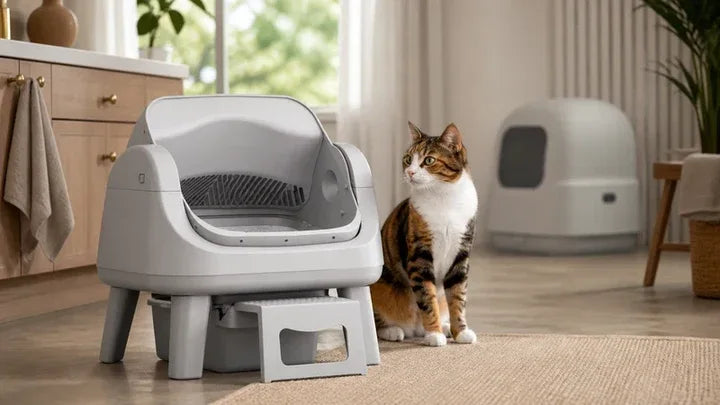
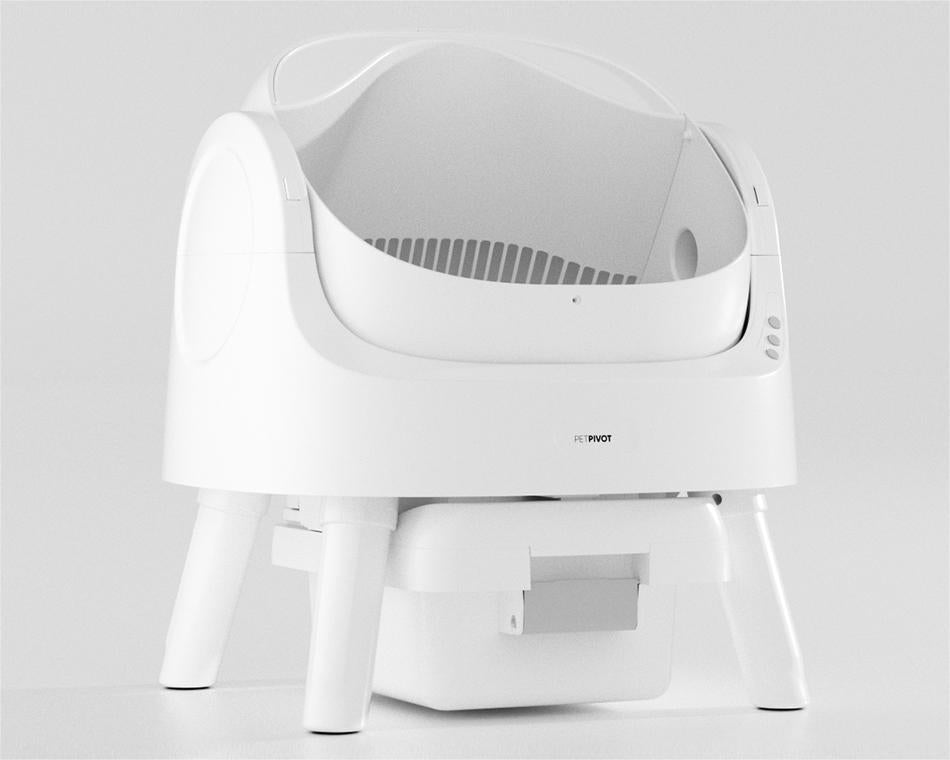
An electric cat litter box plugs into the wall and cleans itself. Sensors notice when your cat leaves, a short timer lets the litter clump, then a small motor turns the drum or rake and drops the clumps into a sealed bin. Owners who forget to scoop, or find bending painful, often say it's what made daily cat care manageable. Their worries are just as consistent: will it break, is it safe, and what happens when the power goes out? We cover all three, with real numbers from the AutoScooper 12 Lite. What Is an Electric Cat Litter Box? Electric, automatic and self cleaning litter boxes are the same product. You'll also see it sold as an electric kitty litter box or an auto cat litter box. What makes it electric is three parts working together: sensors, a control board and a motor, all powered through a wall adapter. It doesn't remove every chore. You still empty the waste bin, top up litter and wash the parts on a schedule. If you're still deciding between designs, our guide on how to choose an automatic cat litter box covers cat fit and the transition, so we'll stay with the electrical side here. How an Electric Litter Box Works 1. Sensors Notice When Your Cat Enters and Leaves Infrared beams across the entrance break when a cat walks through. Some boxes add weight sensors under the floor. The 12 Lite uses 6 infrared pairs at the entrance. 2. A Timer Waits for the Litter to Clump Cleaning too early smears wet litter. So the control board waits after your cat leaves, and the 12 Lite gives the litter 5 minutes to clump before it moves. 3. A Small Motor Turns the Drum or Rake A low voltage motor drives the drum through gears. Position sensors tell the board where the drum is, and the 12 Lite uses 4 Hall sensors for this. The rotation itself takes about 3 minutes. 4. Clumps Drop Into a Sealed Waste Bin A screen holds back clean litter while clumps fall into a lined bin. The 12 Lite's 8 L bin should be emptied every 5 days, and never left past 7. Our schedule on how often to clean an automatic litter box shows what to do weekly and monthly. 5. Safety Stops Pause the Cycle If a cat steps back in, the sensors pause the motor. A mechanical limit backs this up, and the 12 Lite adds anti pinch protection and a 30° rotation limiter. When you compare boxes, ask what happens after a sensor trips: does it pause, reverse or reset? That answer tells you more than the number of sensors. How Much Power Does an Electric Litter Box Use? Less than most people expect. Here's what to check on any model, with the 12 Lite's figures. Power item What to look for AutoScooper 12 Lite Power supply A low voltage adapter with its rating printed on it 12V DC, 2A adapter (included) Rated power Watts while the motor runs 24 W Cycle length Total minutes per visit About 10 minutes (wait, clumping, about 3 min rotation) Monthly energy (estimate) Watts × cycle time × visits About 1.2 kWh at 10 cycles a day Standby draw What sensors and lights use while idle Not published App or WiFi Connected boxes need a stable network None, button controls Our estimate is deliberately high. Even if the 12 Lite drew its full 24 W for the whole 10 minute cycle, ten visits a day would come to about 1.2 kWh a month. At 20 cents per kWh, that's roughly 24 cents. The adapter matters more than the wattage. Use only the one supplied with the AutoScooper 12 Lite, because an adapter with a different rating can damage the control board. Before you buy any model, check that a spare adapter is sold. What Happens to an Electric Litter Box During a Power Outage? When the power cuts out, the motor and sensors stop. The box keeps working as a regular litter box, but nothing gets cleaned until power returns. Some higher priced brands sell backup batteries for this. Most budget models, including the 12 Lite, run on the adapter alone. Situation What to do Short outage (a few hours) Nothing. Clumps wait in the litter bed until the next cycle. Long outage, or you're away Scoop by hand or set out a backup tray. Keep one stored for exactly this. Power comes back Check that the cord and adapter are dry and undamaged. Let the 12 Lite finish its startup alignment, about 2 minutes, without pressing buttons, then confirm it's in Auto mode. Owners who run automatic boxes long term say the backup tray is the one thing they'd never skip, since it also covers deep cleans and error resets. Litter and a spare box belong in the pet kit that emergency planning advice for pets recommends. The 12 Lite's warranty also excludes power surge damage, so a surge protector is a cheap safeguard. How Loud Is an Electric Cat Litter Box? The 12 Lite is rated at 38 to 40 dB, which is quieter than a normal conversation. The sound lasts only for the roughly 3 minute rotation, not all day. Placement changes how loud it feels. Keep the box away from washers and dryers, and off hollow or uneven floors that amplify vibration. For a nervous cat, run the first few cycles in Manual mode while your cat is in another room. Some owners find their cat bats at moving parts at first, which is another reason to start cycles only when the cat is away. AutoScooper 12 Lite Specs at a Glance Most listings stop at the marketing points. These are the 12 Lite's published operating specs. Spec AutoScooper 12 Lite Size 21.85 H × 21.06 W × 15.75 D in Entrance height 12.4 in Waste bin 8 L, empty every 5 days (7 max) Cats Up to 3, one at a time Auto mode Cats over 3 lb and older than 6 months Litter Small granule clumping clay; no crystal, non clumping or long strip tofu Litter fill Between MIN and MAX, up to 5.5 L Power 12V DC, 2A adapter, 24 W Noise 38 to 40 dB Sensors 6 infrared pairs, 4 Hall sensors, 30° limiter, anti pinch App None Warranty 1 year limited Price $149 sale ($179.99 regular) You can compare it with the larger AutoScooper 11 across the AutoScooper range. Cord, Outlet and Placement Safety An electric box sits on the floor next to a curious animal, so the cord needs as much thought as the box. Plug into a wall outlet within reach of the supplied cord. Extension cord safety advice treats extension cords as a temporary fix only. Run the cord behind the unit, or through a cord cover, so it doesn't cross your cat's path or get chewed. Keep the base, adapter and connections dry, and never rinse the electrical base. Unplug the box before you clean or service it. Stop using a cord or adapter that feels hot or looks cracked, chewed or discolored, and contact support. Don't tape it. Electric Litter Box Checklist: What to Check Before Buying Owners often report sensor or motor faults after a year or two, and the brands they praise most are the ones that sell parts. Weigh support as seriously as features. Check Why it matters Red flag Adapter rating and spare A lost or damaged adapter stops the box No spare sold or rating not listed Rated watts Running cost and heat No power figures anywhere Behavior after an outage Decides whether it's safe to leave alone The seller can't tell you Safety stop Protects a cat that steps back in Sensors only, no mechanical limit Noise rating Nervous cats avoid loud boxes A dB figure with no test conditions Cat weight and age minimum Small cats may not trigger the sensors No minimum published Entrance and interior size Large cats need room to turn Only outer dimensions listed Litter rules The wrong litter jams or smears "Any litter works" Bin size and liner cost Sets your emptying schedule and ongoing cost Proprietary liners with a high refill price Parts and support in your region Repairs after year one depend on it No parts store, email only support Warranty exclusions Surge and water damage are often excluded Warranty terms not published Return window Some cats never accept a moving box No returns once used Keep your old box in place until your cat uses the new one calmly. Check with your vet first If your cat has suddenly stopped using its current box, a new machine won't fix it. Cornell's feline health experts note that house soiling can have medical causes, so book a vet visit before you change the setup. FAQs Do electric cat litter boxes use a lot of electricity? No. The 12 Lite is rated at 24 W and runs only during cycles. Even at ten full cycles a day, that's about 1.2 kWh a month, or roughly a quarter at 20 cents per kWh. What happens to an automatic litter box when the power goes out? It stops cleaning and works like a normal litter box. When power returns, it realigns the drum and resumes. Scoop by hand or use a backup tray during long outages. Can an electric litter box run on batteries? Some higher priced models offer an optional backup battery. The AutoScooper 12 Lite runs only on its 12V DC adapter, so plan on a backup tray for long outages. Are electric litter boxes safe for cats? They're designed to be, when the box has a cleaning delay, a sensor pause and a mechanical limit, and your cat meets the weight and age minimum. The 12 Lite's automatic mode is for cats over 3 lb and 6 months. How loud is an automatic litter box? Most are about as loud as a quiet room while the drum turns. The 12 Lite is rated at 38 to 40 dB, and the rotation lasts about 3 minutes. Do you still have to clean an electric litter box? Yes, but far less often. Empty the waste bin every 5 to 7 days, top up litter when it drops below the MIN line, and wash the bin about every 15 days.
What Is an Electric Cat Litter Box?
How an Electric Litter Box Works

1. Sensors Notice When Your Cat Enters and Leaves
2. A Timer Waits for the Litter to Clump
3. A Small Motor Turns the Drum or Rake
4. Clumps Drop Into a Sealed Waste Bin
5. Safety Stops Pause the Cycle
How Much Power Does an Electric Litter Box Use?
|
Power item
|
What to look for
|
AutoScooper 12 Lite
|
|
Power supply
|
A low voltage adapter with its rating printed on it
|
12V DC, 2A adapter (included)
|
|
Rated power
|
Watts while the motor runs
|
24 W
|
|
Cycle length
|
Total minutes per visit
|
About 10 minutes (wait, clumping, about 3 min rotation)
|
|
Monthly energy (estimate)
|
Watts × cycle time × visits
|
About 1.2 kWh at 10 cycles a day
|
|
Standby draw
|
What sensors and lights use while idle
|
Not published
|
|
App or WiFi
|
Connected boxes need a stable network
|
None, button controls
|
What Happens to an Electric Litter Box During a Power Outage?

|
Situation
|
What to do
|
|
Short outage (a few hours)
|
Nothing. Clumps wait in the litter bed until the next cycle.
|
|
Long outage, or you're away
|
Scoop by hand or set out a backup tray. Keep one stored for exactly this.
|
|
Power comes back
|
Check that the cord and adapter are dry and undamaged. Let the 12 Lite finish its startup alignment, about 2 minutes, without pressing buttons, then confirm it's in Auto mode.
|
How Loud Is an Electric Cat Litter Box?
AutoScooper 12 Lite Specs at a Glance
|
Spec
|
AutoScooper 12 Lite
|
|
Size
|
21.85 H × 21.06 W × 15.75 D in
|
|
Entrance height
|
12.4 in
|
|
Waste bin
|
8 L, empty every 5 days (7 max)
|
|
Cats
|
Up to 3, one at a time
|
|
Auto mode
|
Cats over 3 lb and older than 6 months
|
|
Litter
|
Small granule clumping clay; no crystal, non clumping or long strip tofu
|
|
Litter fill
|
Between MIN and MAX, up to 5.5 L
|
|
Power
|
12V DC, 2A adapter, 24 W
|
|
Noise
|
38 to 40 dB
|
|
Sensors
|
6 infrared pairs, 4 Hall sensors, 30° limiter, anti pinch
|
|
App
|
None
|
|
Warranty
|
1 year limited
|
|
Price
|
$149 sale ($179.99 regular)
|
Cord, Outlet and Placement Safety

-
Plug into a wall outlet within reach of the supplied cord. Extension cord safety advice treats extension cords as a temporary fix only.
-
Run the cord behind the unit, or through a cord cover, so it doesn't cross your cat's path or get chewed.
-
Keep the base, adapter and connections dry, and never rinse the electrical base.
-
Unplug the box before you clean or service it.
-
Stop using a cord or adapter that feels hot or looks cracked, chewed or discolored, and contact support. Don't tape it.
Electric Litter Box Checklist: What to Check Before Buying
|
Check
|
Why it matters
|
Red flag
|
|
Adapter rating and spare
|
A lost or damaged adapter stops the box
|
No spare sold or rating not listed
|
|
Rated watts
|
Running cost and heat
|
No power figures anywhere
|
|
Behavior after an outage
|
Decides whether it's safe to leave alone
|
The seller can't tell you
|
|
Safety stop
|
Protects a cat that steps back in
|
Sensors only, no mechanical limit
|
|
Noise rating
|
Nervous cats avoid loud boxes
|
A dB figure with no test conditions
|
|
Cat weight and age minimum
|
Small cats may not trigger the sensors
|
No minimum published
|
|
Entrance and interior size
|
Large cats need room to turn
|
Only outer dimensions listed
|
|
Litter rules
|
The wrong litter jams or smears
|
"Any litter works"
|
|
Bin size and liner cost
|
Sets your emptying schedule and ongoing cost
|
Proprietary liners with a high refill price
|
|
Parts and support in your region
|
Repairs after year one depend on it
|
No parts store, email only support
|
|
Warranty exclusions
|
Surge and water damage are often excluded
|
Warranty terms not published
|
|
Return window
|
Some cats never accept a moving box
|
No returns once used
|
|
Check with your vet first
If your cat has suddenly stopped using its current box, a new machine won't fix it. Cornell's feline health experts note that house soiling can have medical causes, so book a vet visit before you change the setup.
|
FAQs
Do electric cat litter boxes use a lot of electricity?
What happens to an automatic litter box when the power goes out?
Can an electric litter box run on batteries?
Are electric litter boxes safe for cats?
How loud is an automatic litter box?
Do you still have to clean an electric litter box?





You may also like

AutoScooper 11 Katzentoilette-Weiß

AutoScooper 11 Katzentoilette


AutoScooper 11 Katzentoiletten-Einsatz – 2er-Pack

AutoScooper 11 Kotbeutel – 60 Stück

Further reading
Smart Litter Box Features Worth Paying For, and the Ones You Can Skip
How Do Self Cleaning Litter Boxes Work? Rake, Rotating and Sifting Designs Explained
Automatic Kitty Litter Box: Weight Limits, Sensors and Setup for Small Cats