
Manual Rotating Litter Box or Automatic Litter Box: Which One Fits Your Routine

Über den Autor
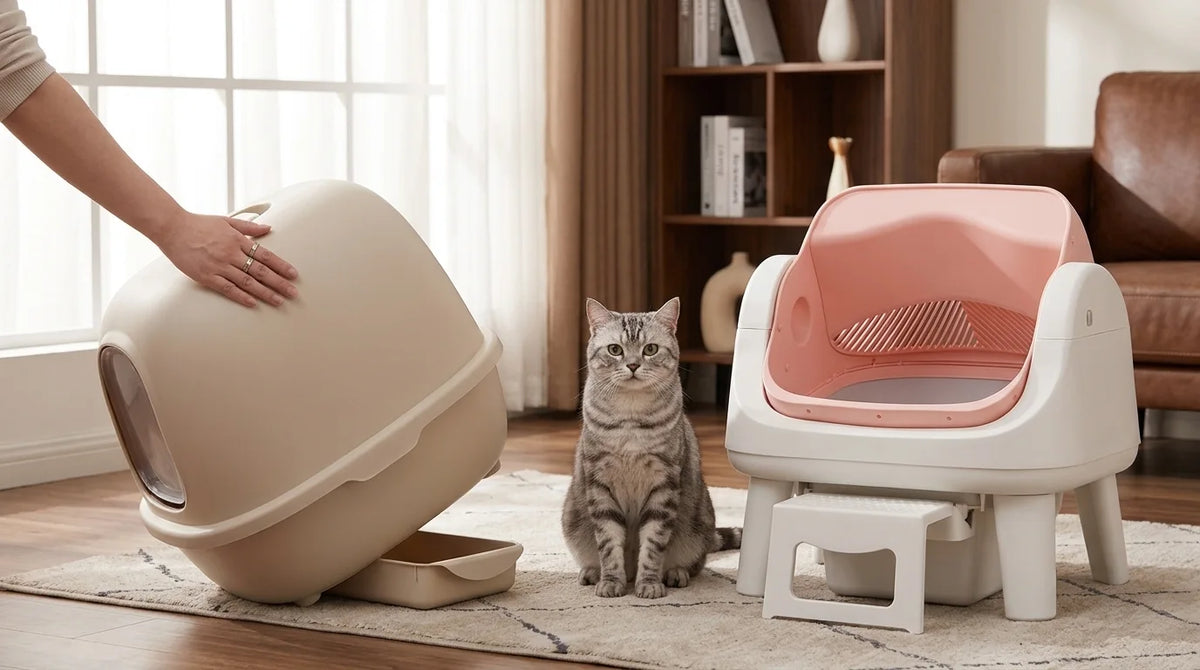
The manually rotating litter box requires no electricity at all. You roll or turn it by hand once or twice a day, and a grate inside sends clumps into a pull out tray. The automatically working litter box accomplishes the same task each time your pet visits, then encapsulates the waste in a storage bin. The difference shows up in your week. In our assessment, the rotation box requires 20 to 35 minutes of manual work per cat, whereas the automatic litter box such as the AutoScooper 12 Lite needs 10 minutes, mainly for emptying the bin. As far as the initial investments are concerned, you may need to invest approximately $80 for the rotating box, $20 to $40 for the sifting trays set and $149 for the AutoScooper 12 Lite. Below, we explain how each manual option works, chart the weekly minutes, compare costs and match each type to the routine it fits. How Manual Litter Boxes Work 1. Manual Rotating (Roll Over) Boxes A rotating box is a covered box with a grate built in. You roll it onto its side and back upright, the loose litter passes through the grate, and the clumps slide into a tray you pull out and empty. Most owners do this once or twice a day. Owners who are tired of electronics often go looking for exactly this. One asked for a box like an automatic unit but turned by hand, and others wondered why a hand crank version isn't more common. The roll over design is the closest match. 2. Manual Sifting Tray Systems Three pans nest together, and one has holes. Lift the sifting pan, clean litter falls through, the waste stays on top, then dump it and restack the pans. It works with firm clumping litter or pine pellets, but a full pan can weigh 10 to 15 lb. 3. Traditional Scoop Pans A pan and a scoop. ASPCA litter box guidance is to scoop at least once a day and change the litter on a regular schedule. For a full side by side of pans and self cleaning boxes, see our guide on choosing a traditional or self cleaning litter box. How an Automatic Litter Box Compares An automatic box runs the cycle for you. On the AutoScooper 12 Lite, sensors notice your cat leave, the box waits about 2 minutes, allows 5 minutes for the litter to clump, then rotates for about 3 minutes and drops the clumps into a sealed bin. Your jobs shrink to three. Empty the 8 L bucket after every 5 days, but never more than 7, replenish the litter and clean the bucket after 15 days. Occasionally, cat owners ask if there is a way to turn the drum manually such as during a power failure. Please don’t. For the 12 Lite model, press Clean button for 5 seconds to change to Manual mode. Then press Clean for a cleaning cycle. Weekly Time Spent (Minutes): Manual vs Automatic Here's how much hands on time each box takes in a typical week with one cat. Our estimates for one cat, based on the task times in the table below. Box type Daily task Weekly task Basis Scoop pan Scoop 2 to 3 min, 1 to 2 times a day Full change and wash, about 15 min Typical scooping time Manual rotating Roll and empty the tray, 1 to 2 min, 1 to 2 times a day Rinse the tray and grate, about 10 min Our estimate Manual sifting Sift and restack, 30 to 60 sec, once a day Wash the pans, about 10 min Typical sifting time Automatic (12 Lite) None Empty the bin about 1.5 times (2 min each), top up litter (2 min), half a bin wash (5 min) 12 Lite schedule Add cats and the manual numbers climb, because each cat adds daily waste you handle yourself. The automatic number rises more slowly, since only the bin fills faster. Cost Comparison: Upfront and Ongoing Box type Typical upfront price Ongoing costs Power Scoop pan About $15 to $40 Litter, bags None Manual sifting About $20 to $40 Litter or pellets None Manual rotating About $80 Clumping litter, tray liners None Automatic (12 Lite) $149 sale ($179.99 regular) Litter, bin liners (60 for $24.99), a little electricity 24 W during cycles Sifting, rotating and automatic boxes all separate clumps from clean litter, so you throw away less than with full pan changes. The automatic box adds liners and a few cents of electricity a month. Our guide to PetPivot litter box bags covers sizes and refill costs. Manual Rotating, Sifting and Automatic Compared Factor Scoop pan Manual sifting Manual rotating Automatic Daily effort Scoop Lift and shake Roll and empty None Weekly minutes 30 to 55 15 to 25 20 to 35 About 10 Lifting Light Heavy, 10 to 15 lb full Moderate Light, bin only Power No No No Yes Litter Any Firm clumping or pellets Firm clumping Small granule clumping (12 Lite) Odor between cleans Builds until scooped Builds until sifted Builds until rolled Waste sealed after each visit Parts that can wear None None Grate, tray Motor, sensors Fits best Lowest upfront cost Pellet users Owners who avoid electronics Busy, traveling or limited mobility owners Why Some Owners Want a Box Without Electronics The reasons owners give are practical. Some had an automatic unit that kept breaking.The first group owns a self-contained unit that tends to break down often. Another group does not wish for an additional smart technology gadget or an app as well as a power cord in their bathroom. A manual rotating unit meets all the criteria except for the need to roll the box every day. You continue doing it one or two times daily, but odor starts to accumulate between the rolling sessions due to the lack of a lid. As one of the owners said, "disliking the scooping process doesn't mean you're irresponsible." However, there is another way out. There are automatic boxes that have neither app nor WiFi capabilities such as the 12 Lite. If reliability is your concern, find out about the product warranty and availability of spare parts. Which One Fits Your Routine? Your routine Fits best Why Home every day, fine with a daily chore Manual sifting or rotating Low cost, no power Uses pine pellets Manual sifting Sawdust falls through the grate Avoids electronics Manual rotating No motor or sensors Travels or works long days Automatic Cleans after every visit Back pain or limited mobility Automatic No heavy pans to lift each day Two or three cats Automatic, or more than one manual box Manual time grows with each cat Whatever you choose, Cornell's feline health experts advise as many boxes as cats, plus one. Pick the routine you'll keep up on your busiest week, then compare models across the AutoScooper range. FAQs What is a manual rotating litter box? A litter box enclosed in a cover with a grated system and is rolled manually. By rolling, the litter is sifted, and clumps get into a pull out drawer. It requires no electricity but must be rolled once or twice a day. How does a sifting litter box work? Three nesting pans where the top one has holes. When lifting the sifting pan, clean litter passes to the next pan, while waste remains on top to be dumped. It takes around 30-60 seconds each day. Is a manual rotating litter box worthwhile? It is worthwhile if you want reduced scooping without electricity. The time required weekly will be less than the one for a scoop pan, but you still have to roll it daily, as odors develop between the rolls. How frequently does one have to rotate the manual litter box? One rotates a manual litter box the same number of times as scooping. Empty the litter box when it is full or at least half full, and clean the waste tray and grate once a week. Can one rotate the automatic litter box manually? The rotation of the drum should not be attempted at any point. To switch to Manual mode, press the Clean button on the AutoScooper 12 Lite machine for five seconds. Whenever you need the process to begin, simply press the button Clean. Is there a self-cleaning litter box that does not require electricity? Almost. The closest are rotating and sifting litter boxes because they can sift clumps without power. Nevertheless, one should rotate or lift the litter box oneself. Anything that can clean itself after every usage requires power. Which litter will do for a rotating litter box? Hard clumping litters. The clumps have to remain intact when they move over the grate. Soft clumps will disintegrate and get back into the clean litter. Is an automatic litter box better than a manual one? Absolutely! If you travel, aren’t at home, or have difficulties in cleaning the waste. It takes you merely 10 minutes a week to handle the litter box. But if you are at home and you prefer the litter box that doesn’t require electricity, go for the manual one.
How Manual Litter Boxes Work
1. Manual Rotating (Roll Over) Boxes

2. Manual Sifting Tray Systems

3. Traditional Scoop Pans
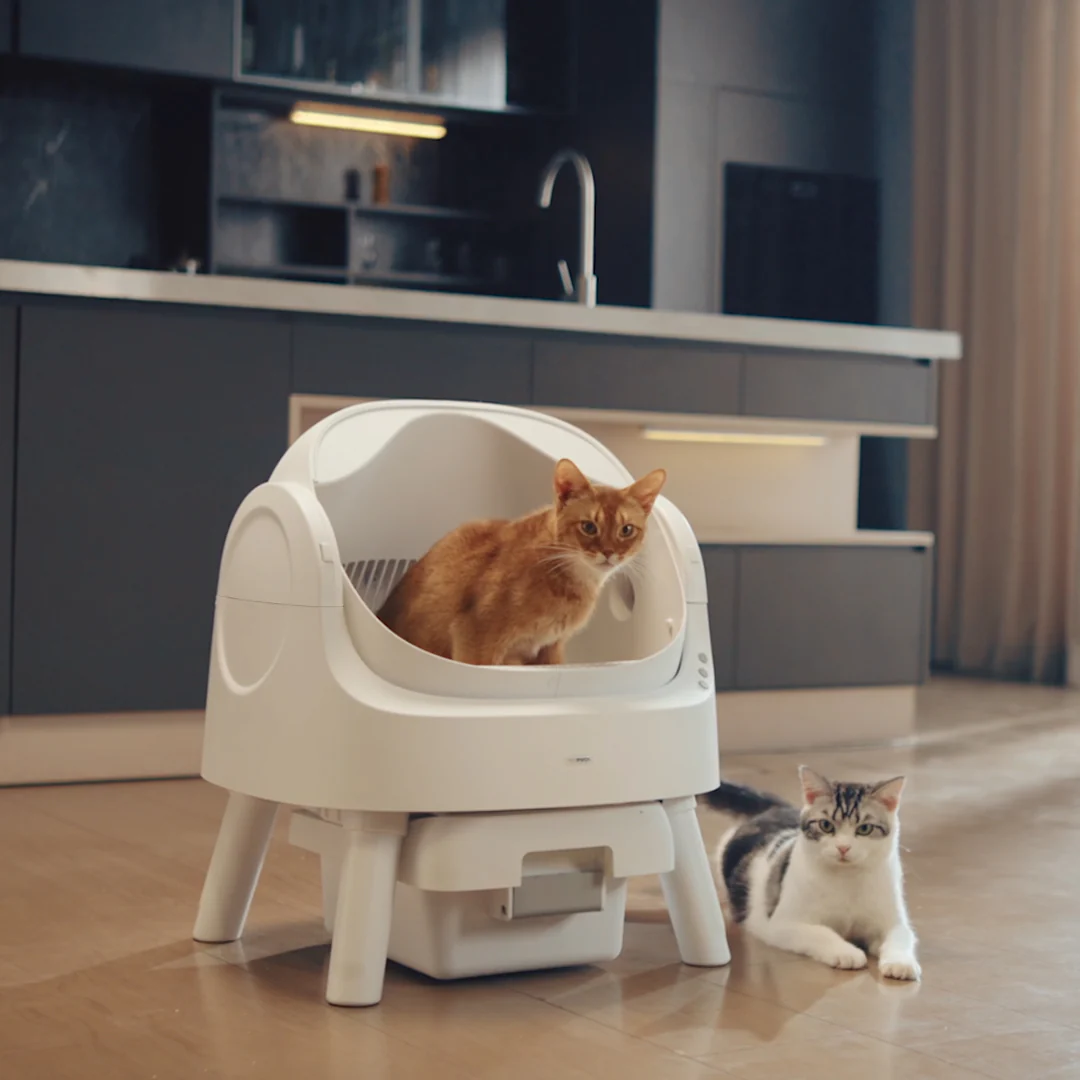
How an Automatic Litter Box Compares
Weekly Time Spent (Minutes): Manual vs Automatic

|
Box type
|
Daily task
|
Weekly task
|
Basis
|
|
Scoop pan
|
Scoop 2 to 3 min, 1 to 2 times a day
|
Full change and wash, about 15 min
|
Typical scooping time
|
|
Manual rotating
|
Roll and empty the tray, 1 to 2 min, 1 to 2 times a day
|
Rinse the tray and grate, about 10 min
|
Our estimate
|
|
Manual sifting
|
Sift and restack, 30 to 60 sec, once a day
|
Wash the pans, about 10 min
|
Typical sifting time
|
|
Automatic (12 Lite)
|
None
|
Empty the bin about 1.5 times (2 min each), top up litter (2 min), half a bin wash (5 min)
|
12 Lite schedule
|
Cost Comparison: Upfront and Ongoing
|
Box type
|
Typical upfront price
|
Ongoing costs
|
Power
|
|
Scoop pan
|
About $15 to $40
|
Litter, bags
|
None
|
|
Manual sifting
|
About $20 to $40
|
Litter or pellets
|
None
|
|
Manual rotating
|
About $80
|
Clumping litter, tray liners
|
None
|
|
Automatic (12 Lite)
|
$149 sale ($179.99 regular)
|
Litter, bin liners (60 for $24.99), a little electricity
|
24 W during cycles
|
Manual Rotating, Sifting and Automatic Compared
|
Factor
|
Scoop pan
|
Manual sifting
|
Manual rotating
|
Automatic
|
|
Daily effort
|
Scoop
|
Lift and shake
|
Roll and empty
|
None
|
|
Weekly minutes
|
30 to 55
|
15 to 25
|
20 to 35
|
About 10
|
|
Lifting
|
Light
|
Heavy, 10 to 15 lb full
|
Moderate
|
Light, bin only
|
|
Power
|
No
|
No
|
No
|
Yes
|
|
Litter
|
Any
|
Firm clumping or pellets
|
Firm clumping
|
Small granule clumping (12 Lite)
|
|
Odor between cleans
|
Builds until scooped
|
Builds until sifted
|
Builds until rolled
|
Waste sealed after each visit
|
|
Parts that can wear
|
None
|
None
|
Grate, tray
|
Motor, sensors
|
|
Fits best
|
Lowest upfront cost
|
Pellet users
|
Owners who avoid electronics
|
Busy, traveling or limited mobility owners
|
Why Some Owners Want a Box Without Electronics
Which One Fits Your Routine?

|
Your routine
|
Fits best
|
Why
|
|
Home every day, fine with a daily chore
|
Manual sifting or rotating
|
Low cost, no power
|
|
Uses pine pellets
|
Manual sifting
|
Sawdust falls through the grate
|
|
Avoids electronics
|
Manual rotating
|
No motor or sensors
|
|
Travels or works long days
|
Automatic
|
Cleans after every visit
|
|
Back pain or limited mobility
|
Automatic
|
No heavy pans to lift each day
|
|
Two or three cats
|
Automatic, or more than one manual box
|
Manual time grows with each cat
|
FAQs
What is a manual rotating litter box?
How does a sifting litter box work?
Is a manual rotating litter box worthwhile?
How frequently does one have to rotate the manual litter box?
Can one rotate the automatic litter box manually?
Is there a self-cleaning litter box that does not require electricity?
Which litter will do for a rotating litter box?
Is an automatic litter box better than a manual one?






You may also like


Further reading

Stainless Steel vs Plastic Litter Boxes: Metal, Plastic and Coated Options Compared

Bugs and Flies in the Litter Box: What They Are and How to Get Rid of Them

Why Does My Cat Meow in the Litter Box? Before, During and After Explained
