

Bugs and Flies in the Litter Box: What They Are and How to Get Rid of Them

Über den Autor
Bugs in a litter box are usually one of two things: small flies that breed in waste or damp litter, such as fruit flies, phorid flies, drain flies and gnats, or tiny mites and beetles that arrived in the litter bag. Either way, the fix starts with the same steps. Remove the litter, clean the box with mild soap and hot water (not bleach), dry thoroughly, and get rid of the substance the bugs are reproducing in. This means cleaning out the box daily, keeping the litter contained, and searching other nearby areas for any drains or plants. One exception: rice like segments in your cat's stool, or bugs on your cat, are parasites and need a vet. What Kind of Bugs Are in My Cat's Litter Box? Match what you see to this chart, then use the fix in the last column. Descriptions come from Texas A&M AgriLife Extension, Virginia Tech's extension entomologists and NC State Extension. Bug What it looks like How it behaves Likely source Main fix Fruit flies About 1/8 in, tan, often red eyes Hover around the box Waste, damp litter, nearby trash or fruit Remove the source; traps help short term Phorid (scuttle) flies Tiny, humpbacked, tan to black Run in short bursts before flying Moist, decaying matter: waste, drains, garbage Clear out the moist breeding material Drain (moth) flies Fuzzy, gray, moth like Rest on walls near drains Film inside a nearby sink or floor drain Scrub the drain with a brush and hot water Fungus gnats Tiny, dark, mosquito like; don't bite Hover near plants Wet houseplant soil near the box Let the soil dry; move the plants House flies and maggots Larger flies; white larvae in waste Land on waste; larvae in clumps Waste left too long, an open window Scoop daily; screen windows Grain or storage mites Tiny pale specks; look like moving dust Crawl over the litter surface Damp grain based litter, an old bag Throw out the bag; store new litter sealed Pantry beetles About 1/10 to 1/8 in, flat or oval, brown Crawl in or near the litter bag Grain or plant based litter stored open Throw out the bag; use a sealed container Cockroaches or silverfish Larger crawlers Come out at night, hide nearby A damp, cluttered spot near the box Dry and clear the area; call a pest pro if heavy Seeing rice like segments in the stool, or bugs on your cat rather than in the litter? Skip to the vet section below. Why Bugs Show Up in the Litter Box Flies lay eggs in waste, so time is the biggest factor.Scooping out daily and changing the litter every fortnight in a typical schedule will give the flies an edge. Moisture from the damp litter and closed box is favorable for the flies and mites. The bag can be the source. WSU Extension notes that storage mites infest grain products and pet food in moist conditions, and plant based litters made from corn or wheat are grain products too. The other thought that the insects may have travelled in with some item purchased from the grocery store, but later realized that the insects must have gotten into the litter in the tightly sealed container. Also check the surroundings of the box for possible sources, such as the sink drain, plants, or fruit bowl. Often the first sign is your cat. One owner's cat stopped using the box before she spotted the small gray bugs, which blended into the litter. How to Get Rid of Bugs in the Litter Box 1. Empty and Bag Everything Pour all the garbage into a bag, tie it up and dispose of it into an outside bin. Flash your torchlight around the edge of the box and even on the floor because gray-colored bugs are difficult to detect amidst the litter. 2. Wash With Mild Soap, Never Bleach Rinse the box using hot water and scentless dish soap. White vinegar diluted in water is acceptable for cleaning surrounding areas. Never use any form of bleach since urine contains ammonia, and the Washington State Department of Health states that a combination of bleach and ammonia produces toxic chloramine gas. 3. Dry Completely Let the box air dry fully, in the sun if you can. Damp plastic and a wet base draw flies and mites straight back. 4. Clear the Breeding Source Nearby Clean the drains that are near using hot water and a strong brush because, according to AgriLife, bleaching and drain cleaners are not effective against drain flies. Do not keep soil of house plants wet. Dump the waste cans and shift fruit and food wastes away from the can. 5. Refill From a Sealed Bag and Watch for a Week Fill again using new litter from a closed bag and clean each day. Placing a small vinegar trap in a place where your cat can’t get to it may work as a trap for any remaining insects, but not as a solution to the root cause. Do not spray insecticides on the litter box as well as around the food and water dishes. If a smell lingers after the bugs are gone, our guide to why a litter box smells like ammonia covers the next steps. When Bugs Mean a Vet Visit Some "bugs" aren't litter pests at all. Rice like segments on fresh stool or around your cat's tail are tapeworm pieces. The veterinarians at VCA say that cats become infected with the tapeworm by eating fleas, so treatment is de-worming medication and flea prevention. Any fleas or flea feces on your cat will require an insecticide program from your veterinarian for your cat and your house. Maggots on the cat itself, especially near the tail or a wound, need a same day vet visit. Litter bugs or cat bugs? Bugs in the litter are a cleaning problem. Bugs on your cat, or segments in its stool, are a vet problem, so call your vet rather than treating the box alone. How to Keep Bugs Out of the Litter Box A few habits stop most repeat problems. Scoop daily Waste left for a day or two is what flies are looking for. Change litter fully About weekly for plant litters; follow the bag's guidance for clay. Store litter sealed Keep it in a lidded container off the floor, and buy smaller bags if you use grain based litter. Place the box well Keep it away from drains, trash cans and houseplants. Let it breathe An open box or a well ventilated spot cuts moisture. Screen nearby windows House flies breed outdoors and come in through gaps. Our guide on how to keep litter box from smelling covers the cleaning routine that keeps odor and bugs down together. How Sealed Waste Bins Help Reduce Bugs Flies require access to exposed fecal material in order to land and lay eggs. The automatic system transports each clump to a closed and lined bin within minutes of the cat visiting, rather than exposing it in litter for scooping later. For the AutoScooper 12 Lite model, clumps fall into a closed 8 L bin approximately 10 minutes after your cat leaves. Empty the bin every five days at most seven and wash it after every fifteen days approximately. The bin being closed prevents contact with flies, but it will not solve any issue caused by insects which have entered via the litter bag and drainage system. Consider placement and storage. Compare bin sizes across the AutoScooper line. FAQs Why does my cat's litter box have insects? The causes can be waste or wet litter, which attract flies, mites and beetles that got into the litter through the bag. Insects may come from nearby drains, plant life, and garbage. What are the small insects found in my cat litter? The small flies are either fruit flies, phorid flies or gnats. Dust-like small crawling insects that move around are usually storage mites especially if the litter is wet and made up of grains. Can insects in cat litter cause health problems for my cat? Insects in cat litter can be a hygiene issue, but they can make your cat hate using its box. The tapeworm segments and fleas are an exception, because fleas are hosts to tapeworms. What should I do to get rid of flies near my cat's litter box? Eliminate their breeding ground. Clean the litter box regularly, wash it and let it dry, clean the nearby drains, dry the soil of the plants, and throw away garbage. The traps will help to catch the existing flies. Is it possible to use bleach to clean the litter box? No, since urine is composed of ammonia, and if you combine ammonia with bleach, you produce hazardous chloramine gases, according to the Washington State Department of Health. You are supposed to use hot water and soap that is unscented. Does vinegar repel bugs from the litter box? No. Diluted vinegar can be used for cleaning near surfaces, but if you place a vinegar trap in another place far from your cat, you will be able to catch some fruit flies. Are there any bugs in a fresh box of cat litter? Yes. There are bugs called storage mites and pantry beetles that infest grains-based products like corn and wheat litters. Check your new boxes, seal your litters, and dispose of bags that have moving insects inside. Which type of litter attracts the least number of bugs? The one which remains dry, and is used daily. Grain based litters require special care because bugs can infest grains-based products.
What Kind of Bugs Are in My Cat's Litter Box?
|
Bug
|
What it looks like
|
How it behaves
|
Likely source
|
Main fix
|
|
Fruit flies
|
About 1/8 in, tan, often red eyes
|
Hover around the box
|
Waste, damp litter, nearby trash or fruit
|
Remove the source; traps help short term
|
|
Phorid (scuttle) flies
|
Tiny, humpbacked, tan to black
|
Run in short bursts before flying
|
Moist, decaying matter: waste, drains, garbage
|
Clear out the moist breeding material
|
|
Drain (moth) flies
|
Fuzzy, gray, moth like
|
Rest on walls near drains
|
Film inside a nearby sink or floor drain
|
Scrub the drain with a brush and hot water
|
|
Fungus gnats
|
Tiny, dark, mosquito like; don't bite
|
Hover near plants
|
Wet houseplant soil near the box
|
Let the soil dry; move the plants
|
|
House flies and maggots
|
Larger flies; white larvae in waste
|
Land on waste; larvae in clumps
|
Waste left too long, an open window
|
Scoop daily; screen windows
|
|
Grain or storage mites
|
Tiny pale specks; look like moving dust
|
Crawl over the litter surface
|
Damp grain based litter, an old bag
|
Throw out the bag; store new litter sealed
|
|
Pantry beetles
|
About 1/10 to 1/8 in, flat or oval, brown
|
Crawl in or near the litter bag
|
Grain or plant based litter stored open
|
Throw out the bag; use a sealed container
|
|
Cockroaches or silverfish
|
Larger crawlers
|
Come out at night, hide nearby
|
A damp, cluttered spot near the box
|
Dry and clear the area; call a pest pro if heavy
|
Why Bugs Show Up in the Litter Box

How to Get Rid of Bugs in the Litter Box
1. Empty and Bag Everything
2. Wash With Mild Soap, Never Bleach
3. Dry Completely

4. Clear the Breeding Source Nearby
5. Refill From a Sealed Bag and Watch for a Week
When Bugs Mean a Vet Visit
|
Litter bugs or cat bugs?
Bugs in the litter are a cleaning problem. Bugs on your cat, or segments in its stool, are a vet problem, so call your vet rather than treating the box alone.
|
How to Keep Bugs Out of the Litter Box
-
Scoop daily
-
Change litter fully
-
Store litter sealed
-
Place the box well
-
Let it breathe
-
Screen nearby windows
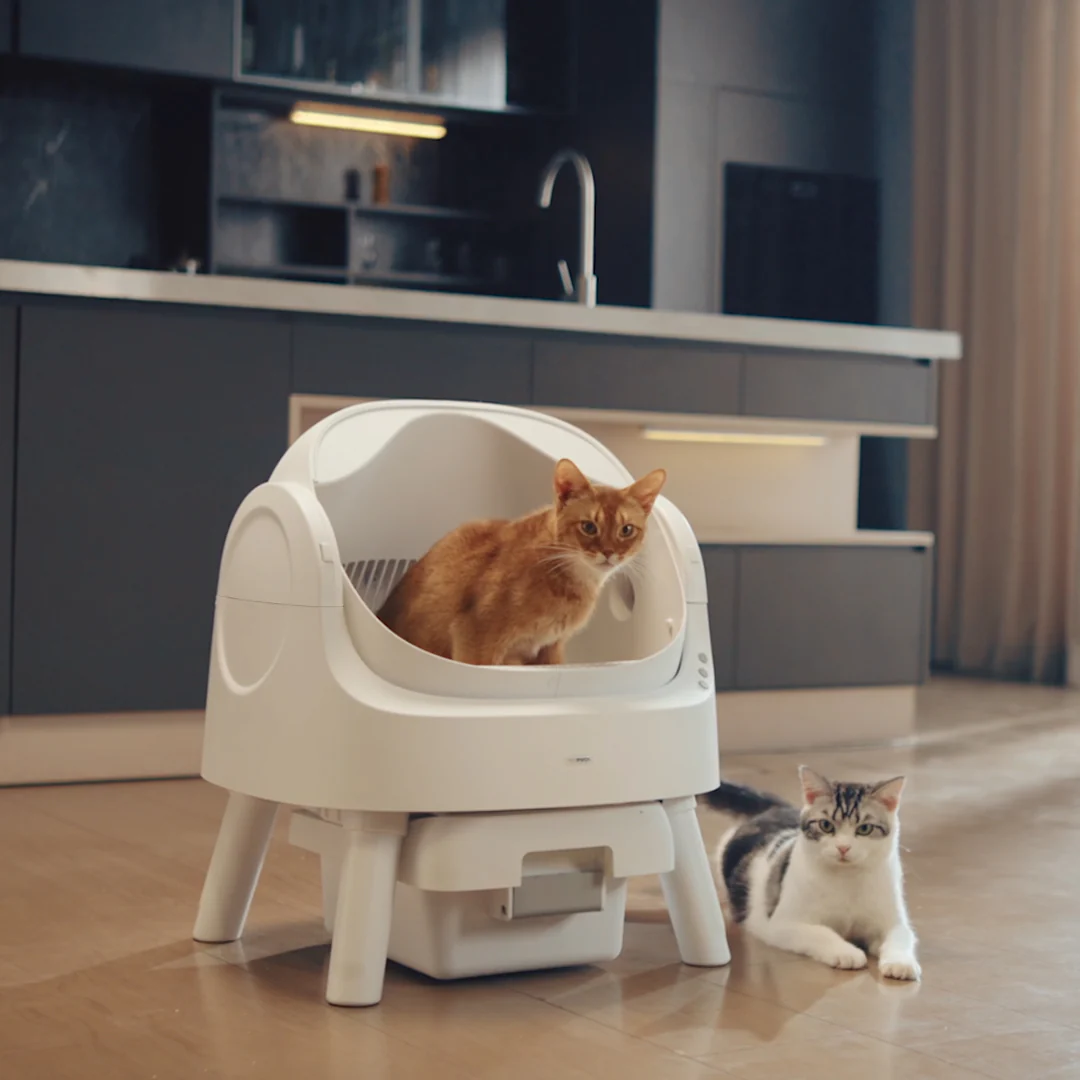
How Sealed Waste Bins Help Reduce Bugs
FAQs
Why does my cat's litter box have insects?
What are the small insects found in my cat litter?
Can insects in cat litter cause health problems for my cat?
What should I do to get rid of flies near my cat's litter box?
Is it possible to use bleach to clean the litter box?
Does vinegar repel bugs from the litter box?
Are there any bugs in a fresh box of cat litter?
Which type of litter attracts the least number of bugs?





You may also like

AutoScooper 12 Abfallbeutel – 60 Stück


Further reading

Stainless Steel vs Plastic Litter Boxes: Metal, Plastic and Coated Options Compared
Bugs and Flies in the Litter Box: What They Are and How to Get Rid of Them

Why Does My Cat Meow in the Litter Box? Before, During and After Explained
