




Cat Diarrhea in the Litter Box: What to Check at Home and When to Call the Vet

Über den Autor
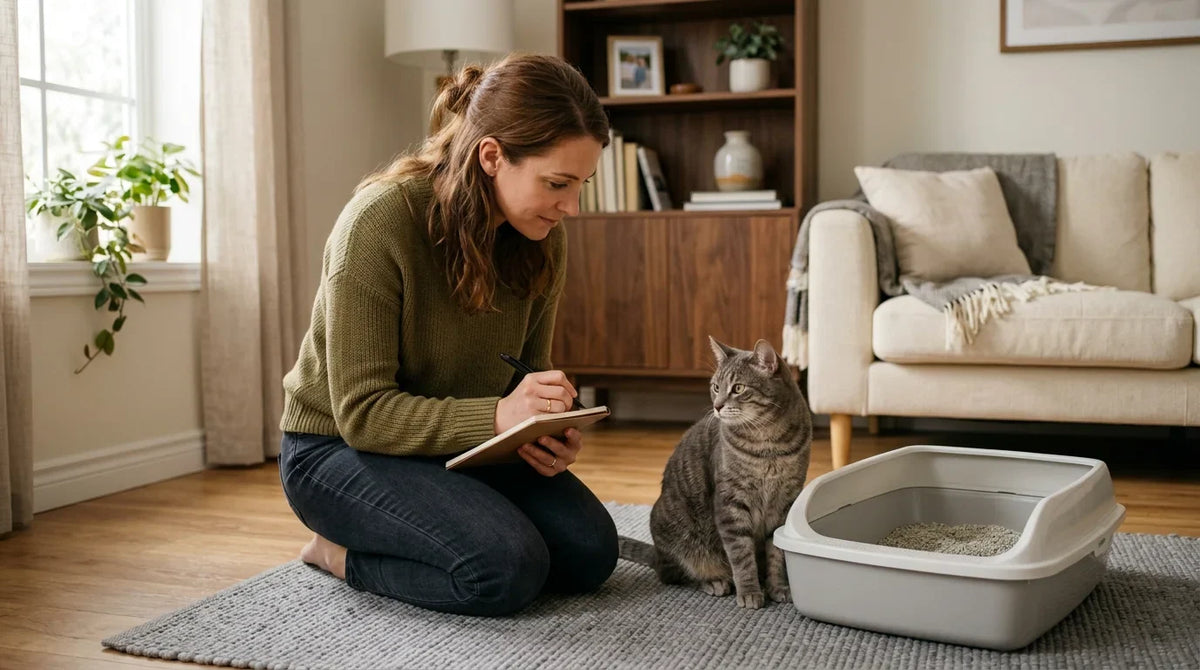
Finding diarrhea in the litter box can be worrying, but one soft stool isn’t always a problem. If your cat is still eating, drinking and acting normally, it’s usually fine to watch and wait for about 24 hours.Vets note that a sudden change in food or a stressful event, like a car trip, can cause soft stools for a few days. Kittens are different. They can get sick much faster, so call your vet as soon as you notice diarrhea in a kitten. For adult cats,vets recommend calling if it lasts more than two days, or right away if you see blood, vomiting or weakness. What Normal Cat Poop Looks Like vs Diarrhea Cat poop should be firm, dark brown in color, and should maintain its shape. This is unlike diarrhea which has distinctive characteristics. It is defined by vets as loose, watery stools that may be gray or yellow in color. Most veterinarians use the fecal scoring chart to determine the consistency of stool. Ideally, the score for your cat should be 2. If your cat consistently scores 4 or above, then your cat suffers from diarrhea. Below is a comparison chart. Stool What it looks like What it means Normal Firm, segmented, brown; holds its shape when scooped Healthy (about a 2 on the scoring chart) Soft Holds its shape but leaves residue in the litter Watch it; one soft stool after a treat or new food is common Loose Piles up and loses shape when scooped Diarrhea; start the checklist below Watery Liquid with no shape; soaks into the litter Diarrhea; call your vet if it continues or comes with other signs Mixed stools count too. Many owners see stool that is mostly solid but has a soft tail end. This can be easily overlooked in clumping litter. Break open the clump to check if unsure. Home Checklist: What to Observe and Record According to VCA, color, texture, odor, and stool frequency can help your veterinarian diagnose the problem. Also write down when the symptoms began and whether they have changed recently. Consistency: soft, loose, or watery Color: normal brown, yellow, gray, or with red streaks Blood or mucus: yes or no Frequency: How many times today, compared with a normal day Location: in the box, at the edge, or somewhere else in the house Other signs: vomiting, appetite, water intake, energy, straining Recent changes: new food or treats, new litter, travel, visitors, a new pet Age: kitten, adult or senior Do not leave out the "recent changes" statement. Most owners realize that any such problem that happens unexpectedly results from something that went unnoticed, perhaps the acquisition of some litter that week or a fight between two cats within the house. When to Call the Vet Right Away Call your vet today if you see: Blood in the feces or nausea and vomiting. Lethargy or hiding or not eating. Diarrhea that lasts longer than two days. Diarrhea in a kitten or in an adult cat that is sick with something else as well. Multiple bowel movements in one day or difficult straining to poop. Avoid using human drugs on your cat to prevent this. Vet advises that there are certain over-the-counter medications that can be harmful for your cat. Provide fresh water nearby, as VCA states that diarrhea may cause dehydration of your cat very fast. If your cat is eating well and acting normally, then most of the time it is not an emergency. Owners recommend making a regular vet visit within the next couple of days. This is in line with VCA's recommendation as well. Common Reasons for Loose Stool (and What You Can Do at Home) Diarrhea is a sign, not a diagnosis. These are the common triggers owners can check at home. 1. Food Changes and Treats A sudden diet change can cause a few days of loose stool, per Cornell. Go back to the old food, then move to the new one slowly next time. VCA suggests mixing them over 7 to 10 days. 2. Stress and Routine Changes Travel, a vet stay, visitors or a new pet can cause a short bout. Tension between cats can also stop one from using a shared box. One owner's cat began going outside the box after a fight with another cat, so the owner added a second box in a separate spot. 3. Parasites and Disease Diarrhea can be caused by parasites, disease or other factors and only a veterinarian can distinguish them. Cat owners always raise a point that cats are very good at hiding their pain, so any alteration in your pet’s toilet behavior is something to take into consideration. How to Collect a Stool Sample for Your Vet VCA says your vet will likely ask for a fresh sample. Follow this sample guidance: Timing: collect it within 24 hours of the visit. A fresh sample gives the clearest result. Amount: at least the size of an almond; walnut size is ideal. Container: a clean plastic bag or disposable container, sealed and labeled with your cat's name. Storage: room temperature or the fridge is fine. Never freeze it. Litter: a little litter on the outside is fine, as long as there's enough stool underneath. Watery stools will make the clumping litter wet. For some time, place an empty box along with a small amount of non-absorbent litter or line the box with a plastic bag. Diarrhea Outside the Litter Box: Why It Happens and How to Clean It Urgency is the simple reason. A cat with loose stool may not reach the box in time. A box already holding loose stool can also push a cat to go beside it. Pain is the other reason. Cats who have associated the box with discomfort while using it due to their unpleasant experiences will be described by the owners as those who run away from the box and do their business in the bathtub. Avoid taking the cat to the box or even placing it there, because you make the cat feel uneasy about the area where it should feel safe. The location should be thoroughly cleaned. Remove the feces and then use the enzyme cleaner so that the smell doesn't attract your cat back to the same location. Ammonia-based products shouldn't be used as the urine also consists of ammonia. During the healing process, place another litter box closer to the place where your cat spends its time and keep it extra clean. In case your cat still has accidents when its stools become normal again, read our article explaining why my cat poops on the floor. How to Clean the Litter Box During a Diarrhea Episode Loose stool doesn't clump well, so the box gets messy fast. A short routine keeps it usable and keeps your home cleaner. Scoop after every visit and change the litter daily while your cat is sick, as the CDC advises for pets with giardia. Wash the box with hot water and unscented soap, then dry it fully before refilling. Wear gloves and wash your hands after touching your cat, its poop or its supplies. Wipe your cat's back end with an unscented pet wipe. Long haired cats may need a sanitary trim to stop soiled fur from tracking mess. Keep the risk in proportion. The CDC says you're unlikely to catch giardia from a cat, and good handwashing covers most of the risk. Once things settle, our guide on how to keep litter box from smelling helps you get the box back to normal. Using an Automatic Litter Box When Your Cat Has Diarrhea Automatic boxes are built for clumps. Liquid stool doesn't clump, so a cleaning cycle can drag it across the chamber instead of removing it. Pause the automatic cycle until stools firm up. On the AutoScooper 12 Lite, hold the Clean button for 5 seconds to switch to manual mode. Then: Scoop by hand while stools are loose, and replace any wet, soiled litter. Wipe the chamber with a damp cloth and let it dry. Follow the user guide before washing any part with water. Empty the bin early. The sealed 8 L bin usually needs emptying about every 5 days; during an episode, empty it sooner. Restart automatic mode once your cat's stools hold their shape again, as shown in the user guide. You can still run a cycle yourself with a short press of Clean once a firm clump forms. You can see other models across the AutoScooper range. FAQs What is the appropriate time for concern if my cat suffers from diarrhea? If the symptoms continue for more than two days, if there is blood in the stools, vomiting, weakness, or lack of appetite, see your veterinarian immediately. Kittens and sick cats need to be seen by a veterinarian immediately. Is it possible that the cat's diarrhea resolves by itself? Yes, if the symptoms are the result of food change or stress in the cat which is otherwise healthy. However, if the symptoms continue beyond two days or recur, seek veterinary care. What should healthy cat feces look like? It should be firm and segmented and have a brown color, remaining well-formed after being scooped up. Soft stools or loose stools which don’t retain their form fall under the category of diarrhea. How can I obtain a stool sample from my cat? Simply collect an almond-sized, fresh stool sample, collected no earlier than 24 hours before your appointment, in a zip lock plastic bag. Keep the sample at room temperature or refrigerate it; don’t freeze it. Presence of litter in the sample is acceptable. Do I need to worry about any diseases from my cat's diarrhea? Not really. The CDC says that "people are unlikely to become infected with Giardia from their pet cats. Wear gloves, change the litter box daily while your cat has diarrhea, and always wash your hands after doing so. Do I have to disable my automatic litter box because of my cat's diarrhea? Yes. Watery stools won’t clump up together, hence a single run will spread the diarrhea. Do the cleaning manually until your cat stops passing watery stools.
What Normal Cat Poop Looks Like vs Diarrhea
|
Stool
|
What it looks like
|
What it means
|
|
Normal
|
Firm, segmented, brown; holds its shape when scooped
|
Healthy (about a 2 on the scoring chart)
|
|
Soft
|
Holds its shape but leaves residue in the litter
|
Watch it; one soft stool after a treat or new food is common
|
|
Loose
|
Piles up and loses shape when scooped
|
Diarrhea; start the checklist below
|
|
Watery
|
Liquid with no shape; soaks into the litter
|
Diarrhea; call your vet if it continues or comes with other signs
|
Home Checklist: What to Observe and Record

-
Consistency:
-
Color:
-
Blood or mucus:
-
Frequency:
-
Location:
-
Other signs:
-
Recent changes:
-
Age:
When to Call the Vet Right Away
|
Call your vet today if you see:
Blood in the feces or nausea and vomiting. Lethargy or hiding or not eating. Diarrhea that lasts longer than two days. Diarrhea in a kitten or in an adult cat that is sick with something else as well. Multiple bowel movements in one day or difficult straining to poop.
|

Common Reasons for Loose Stool (and What You Can Do at Home)
1. Food Changes and Treats
2. Stress and Routine Changes
3. Parasites and Disease
How to Collect a Stool Sample for Your Vet
-
Timing:
-
Amount:
-
Container:
-
Storage:
-
Litter:
Diarrhea Outside the Litter Box: Why It Happens and How to Clean It
How to Clean the Litter Box During a Diarrhea Episode

-
Scoop after every visit
-
Wash the box
-
Wear gloves
-
Wipe your cat's back end
Using an Automatic Litter Box When Your Cat Has Diarrhea
-
Scoop by hand
-
Wipe the chamber
-
Empty the bin early.
-
Restart automatic mode
FAQs
What is the appropriate time for concern if my cat suffers from diarrhea?
Is it possible that the cat's diarrhea resolves by itself?
What should healthy cat feces look like?
How can I obtain a stool sample from my cat?
Do I need to worry about any diseases from my cat's diarrhea?
Do I have to disable my automatic litter box because of my cat's diarrhea?


You may also like

AutoScooper 11 Katzentoilette-Weiß

AutoScooper 11 Katzentoilette


AutoScooper 11 Katzentoiletten-Einsatz – 2er-Pack

AutoScooper 11 Kotbeutel – 60 Stück

Further reading
PetPivot Red Light Meaning: AutoScooper Indicator Lights Explained
PetPivot Litter Box Stuck Upside Down? How to Reset AutoScooper 11 and 12
Cat Diarrhea in the Litter Box: What to Check at Home and When to Call the Vet
