

How Often to Change Cat Litter: A Practical Schedule

Über den Autor
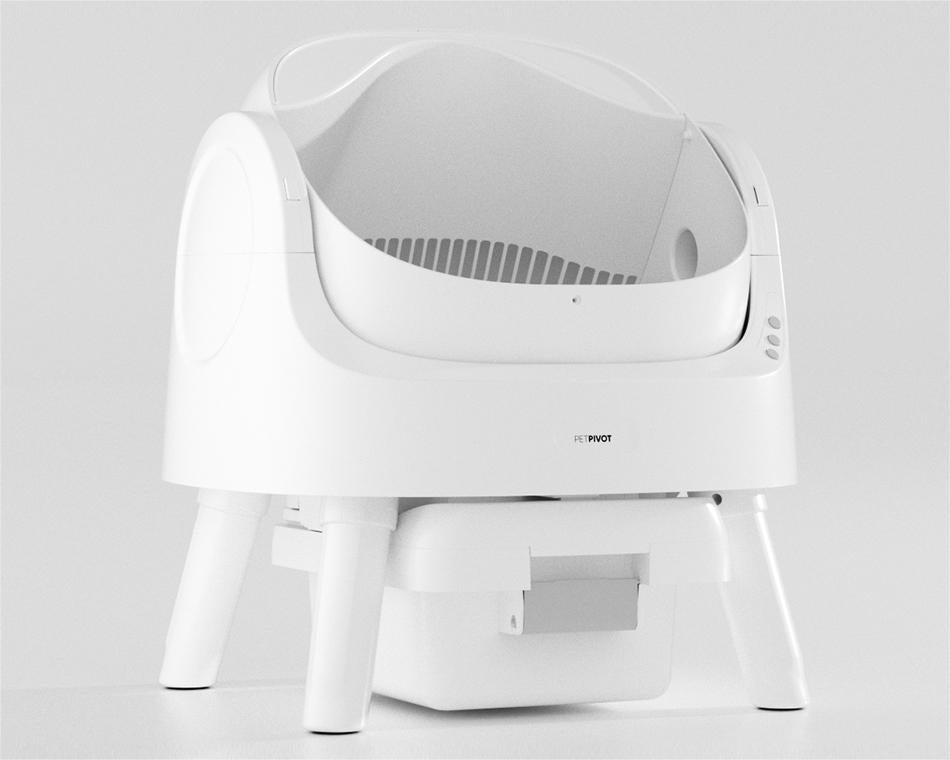
You do daily cleaning, you refill when it runs low, and everything still looks spotless. So do you really need to tip the whole box out? Well, most clumping litters should be replaced at least once every 2 to 4 weeks. The non-clumping litters should be changed more frequently, and crystal or plant-based litters have their own schedules. But that’s not all there is to it. The appearance and odor of the litter box and the cat’s behavior with it are actually more telling than the date itself. How Often Should You Completely Change Cat Litter? If you scoop daily, most clumping clay can go two to four weeks between full changes. Non-clumping litter requires more frequent changes because the urine does not clump and leaves the litter. Here is a basic guide: Litter type General full change schedule Clumping clay Every 2 to 4 weeks Non clumping clay Every few days to 1 to 2 weeks Silica crystal Around 3 to 4 weeks Plant based (corn, wheat, wood, tofu) Around 1 to 3 weeks Paper Every few days, depending on saturation Treat these as ranges, not deadlines. Follow the product's own instructions, and change it sooner if it smells, stays damp or stops clumping properly. 1. Clumping vs. Non-Clumping Litter The clumping litter clumps the pee in one solid mass that can be easily removed, meaning that most of the dry litter remains and the product can last for weeks if scooped on a daily basis. The non-clumping litter only absorbs the waste, meaning that while you can remove the feces, the rest of the litter is not changed until you replace it completely. 2. Crystal, Paper, and Plant-Based Litter Crystal litter absorbs moisture and can last several weeks, and one owner said they know it's time when the crystals start to look discolored toward the end of the month. Paper pellets need replacing sooner once they're soaked through. Plant based litters vary the most, as some clump firmly while others break down into damp crumbs or dust. A bag that promises a month or more of use might last that long in one home and much less in another. What's the Difference Between Scooping, Topping Off, and Changing Litter? These three jobs often get mixed up. Task How often What it does Scooping At least daily Removes poop and urine clumps Topping off When the level drops Replaces litter lost with each scoop Full change When the remaining litter isn't clean Clears out fine dirty bits and residue 1. Scooping: Every Day Guidelines for cat’s animal welfare state that one should scoop daily. Many owners tend to check twice daily, typically early morning and evening, usually before feeding, and the larger the number of cats, the more times they tend to be checked. It is important to carefully lift litters in order to avoid breaking them up since the small wet litters left behind are what makes other parts of the litter dirty gradually. 2. Topping Off: When the Litter Level Gets Low It is obvious that during scooping, some amount of clean litter is always removed and therefore the level of litter will decrease gradually over several days. Add just a little amount in order to restore the initial level of litter and not pour half a bag at once. 3. Full Replacement: When the Remaining Litter Is No Longer Clean A total replacement entails getting rid of all the litter in the box, cleaning it thoroughly, and then replacing it with new litter. Some recommendations state that this should be done once in a week. Despite efforts to scoop the litter regularly, small pieces of litter get stuck in between and the urine may trickle down to the bottom of the box. Do You Really Need to Throw Away Clean-Looking Cat Litter? 1. How Daily Scooping Helps the Litter Last Longer Faster removal of waste means less time for the waste to be absorbed into the litter. The use of large trays with one cat in clumping litter will result in longevity of the tray compared to a small litter box full of activity. 2. Why Topping Off Forever Isn't a Good Plan Look closely once the big clumps are out. There will be small dark grains, fragmented pieces from the clump of urine, and dust that settle at the bottom. People who have been using clumping litter for years believe that this is the real determinant of when to change it, especially fragmented clumps and cornered litter. After several weeks, adding new litter just incorporates the new with the old litter. 3. Determining If the Rest of the Litter Is Good To Use Do not just go by the smell of the litter; look at the litter itself. Is it still dry? Do the clumps remain in shape? Can you see dust at the bottom? Tilt the box to see if there is any urine trapped in the corners. Do not forget that the cat’s sense of smell is much better than yours. How Can You Tell When Cat Litter Needs Replacing? The litter often tells you before the calendar does. Watch for these signs: A smell that hangs around even after scooping Urine clumps crumbling into small pieces Damp, dark or soaked litter Dust building up at the bottom of the box Sticky urine residue on the tray Your cat hesitating at the box or going elsewhere 1. Litter Looks Clean but Box Smells Bad Scooping may not clean up what's attached to the box itself. Look at the corners of the box and also where your cat pees since some cats will dig all the way down to the plastic in the box if the litter is thin. If there's still a smell after you scoop, both need to be cleaned. 2. When the Cat Stops Using the Box Sometimes, a cat that once walked right up to the box will begin to sniff around the edges and either stand there or leave before entering the box. The issue could be that the box is dirty, but it's not the only reason for this behavior. Veterinarians say health issues can cause cats to stop using the box. ⚠ Rule out health first Accidental trauma, increased urination, blood in urine or vocalizing in the box requires a trip to the vet; simply changing their litter will not solve the problem. If the cat has difficulty urinating and is producing small amounts of urine or none at all, this is an emergency situation. How Often Should You Change Litter With Multiple Cats? The number of boxes and how they're used matter as much as the number of cats. 1. Why a Shared Box May Need More Frequent Changes Two cats in one box means more clumps and more poop, so the litter runs low and breaks down faster. One owner with two cats changes and washes weekly, partly because their aim isn't always on point. Having enough boxes spread around the home helps, and our guide to how many litter boxes each cat actually needs explains the setup. 2. Why Different Boxes May Need Different Schedules Cats often pick a favorite. One owner with two cats said the second box gets used maybe three times a week, and another found that the box belonging to the cat with a sensitive tummy needed a deep clean more than once a month while the other went every other month. Check and change each box on its own condition. 3. Should All Boxes Be Changed at the Same Time? There is no need for this and a significant advantage to doing otherwise. If a person has several boxes, they would replace one or two boxes at any given time rather than all of them at once because there is a need for the cats to always have a litter box while in the bathroom. How Often Should You Change Litter in an Automatic Litter Box? The automatic box is responsible for the scooping rather than the litter replacement or cleaning itself. 1. Does Automatic Scooping Extend Litter Life? Yes, to some extent. By removing clumps right away after every trip, you prevent them from being disrupted by the following digging sessions, and less contaminated litter remains in the litter box. The exact period will vary depending on your box and litter used as well as on how many cats you have. 2. When Is It Time to Change All the Litter? It is better to do so according to the instructions provided by the manufacturer for your specific model of a cat box, and check the litter regularly. If you have an automatic litter box like AutoScooper 12 Lite, then you need to change it when you see signs of broken clumps, dust, wet areas or smell rather than follow any particular schedule. 3. Don't Confuse Emptying the Waste Drawer With Changing Litter The drawer is cleaned of any waste, but the litter in your box remains unchanged. You will continue to refill and occasionally change your litter as needed according to the manufacturer's recommendations. The appearance of the clean litter bed does not mean that your drawer and internal surfaces have been cleaned. Our guide to sizing an automatic box and its waste drawer for more than one cat covers capacity. How Often Should You Wash the Litter Box Itself? The general recommendation would be to clean the tray each time when you replace all the litter inside, or before that if there is some sticky urine or poop. 1. Cleaning Plastic vs. Stainless Steel Litter Boxes Plastic trays get scratched during digging and cleaning activities, and dirt gets stuck in these scratches. One of the owners changed from plastic to stainless steel litter boxes since their cats dug some grooves on plastic bottom which were difficult to clean. In addition to being more durable and easier to wipe down, stainless steel trays are said not to retain smell, while old plastic does. 2. What if the Box Stinks, Even with Fresh Litter? Look at the tray. The urine can dry on the sides, under the rim or in the corners, and rinsing it quickly won't remove everything. When you have an old plastic box that keeps smelling despite washing properly, it might be due to deep scratches and damaged areas. It will be quicker to replace the tray rather than the litter. 3. Can Cats Feel Uncomfortable about the Entirely Clean Litter Box? It depends on the cat. For example, one owner's cat looks around his recently washed tray until it is clean enough, while others are afraid that their cats feel uncomfortable about the fact that the box no longer smells of them and organize their washes so that one of the boxes will always remain unchanged. The box should not be moved and must be washed using a mild and scent-free soap, however, there is no need to keep the dirt inside for smell's sake. How to Completely Change Cat Litter Without Wasting It Change is swift once you've got a system down, and planning will help keep the mess to a minimum. Step 1: Plan the Change Before Adding Any Additional Litter If an owner already has a system in place, the first step would be to stop adding fresh litter for a week before changing so as not to pour fresh litter into an unused box. However, you will want to have enough left in there so that your cat can bury their waste. Step 2: Empty Out the Old Litter and Properly Discard Dump out the used litter into a sturdy garbage bag and close it up. If there is heavy clay litter, use a few plastic bags so that they won't tear. Do not rinse the litter down any sink or toilet drain because environmentalists advise against flushing cat litter. Step 3: Cleaning and Drying the Box Clean the box tray by scrubbing with warm water and unscented dish soap, focusing on the corners and the spots with dried urine. Leave the box to air-dry as new clumping litter adheres immediately to moist plastic. In case you have a single box, purchase an inexpensive replacement for use while the primary one is drying. Step 4: Adding Litter According to veterinary recommendations, the appropriate depth of litter in the box should be three inches to provide sufficient room for digging and to prevent urine from soaking to the bottom of the box. How to Keep Cat Litter Fresh Between Full Changes A few small habits stretch the time between full changes. 1. Scoop Out Small Bits of Waste, Not Just Clumps You can easily scoop out most of the litter waste with your regular scoop, but the smaller bits simply slip through the gaps. Several cat owners have reported using two types of scoops for litte, one everyday scoop and another fine-meshed one after every few days. One owner mentioned a mesh size of about 4-5 mm as ideal. Gently shake it so that you don’t break up any clumps. 2. Maintain a Consistent Level of Litter If the litter is running low, then add some more rather than allowing the cat to scrape against the plastic before adding a large amount. 3. Look out for Moisture and Poor Air Circulation The presence of moisture can be a problem for boxes located in steamy bathrooms as well as for closed boxes without adequate air circulation. The smell of the litter is what should matter instead of the fragrance of the box, and see our guide to keeping the litter box from smelling for more. FAQs Can you put new litter on top of old litter? As long as the old litter is still clean and dry. This is called topping up and only works when you put new litter on top of what you've scooped. If your litter box is dirty, smells bad and is broken up into chunks, you will require a new one entirely. How long should cat feces be left in the litter box? Don't leave it for too long. Poop needs to be scooped daily and sometimes multiple times per day. Leaving poop there for many days will result in odor and your cat not using the box. You need to inform your vet about any strange or watery feces. How long does a 40-pound box of cat litter last? It will depend on the number of cats you have, the litter box size, litter box depth and litter volume per scoop. If you have just one cat, then the litter will last you for weeks. Just remember to pay attention to the duration your bag will last you in months period. Is it okay to flush cat litter in the toilet? No. Clay expands in pipes and causes clogs, even though the litter is flushable. Cat feces may contain parasites that are not reliably killed by treatment in wastewater treatment facilities. Just put the litter into the garbage bag. How often should you change your clumping litter completely? From two to four weeks can be considered an appropriate interval if you scoop your litter box daily. For a litter box that is used a lot, it might be required more frequently, whereas, for one that is not used a lot, it would be necessary not so often. You only have to think about the state of your litter box. Is it necessary to discard unused litter weekly? No, as the clumping litter and litter box change are done daily, the litter can be used for at least one week. How often should you clean the cat litter box? You should clean the box at least once a day and twice a day will be ideal for most people especially those with multiple cats. It is necessary to clean the litter box regularly so that any changes in cat urine and stool are observed. How often do you have to clean the waste drawer of the automatic litter box? This is determined by what kind of litter box you have and its size, and also depends on how many animals share it. It is very important to monitor the drawer so it will not be overfilled and smelly.
How Often Should You Completely Change Cat Litter?
|
Litter type
|
General full change schedule
|
|
Clumping clay
|
Every 2 to 4 weeks
|
|
Non clumping clay
|
Every few days to 1 to 2 weeks
|
|
Silica crystal
|
Around 3 to 4 weeks
|
|
Plant based (corn, wheat, wood, tofu)
|
Around 1 to 3 weeks
|
|
Paper
|
Every few days, depending on saturation
|
1. Clumping vs. Non-Clumping Litter

2. Crystal, Paper, and Plant-Based Litter
What's the Difference Between Scooping, Topping Off, and Changing Litter?
|
Task
|
How often
|
What it does
|
|
Scooping
|
At least daily
|
Removes poop and urine clumps
|
|
Topping off
|
When the level drops
|
Replaces litter lost with each scoop
|
|
Full change
|
When the remaining litter isn't clean
|
Clears out fine dirty bits and residue
|
1. Scooping: Every Day
2. Topping Off: When the Litter Level Gets Low
3. Full Replacement: When the Remaining Litter Is No Longer Clean

Do You Really Need to Throw Away Clean-Looking Cat Litter?
1. How Daily Scooping Helps the Litter Last Longer
2. Why Topping Off Forever Isn't a Good Plan
3. Determining If the Rest of the Litter Is Good To Use
How Can You Tell When Cat Litter Needs Replacing?
-
A smell that hangs around even after scooping
-
Urine clumps crumbling into small pieces
-
Damp, dark or soaked litter
-
Dust building up at the bottom of the box
-
Sticky urine residue on the tray
-
Your cat hesitating at the box or going elsewhere
1. Litter Looks Clean but Box Smells Bad
2. When the Cat Stops Using the Box
|
⚠ Rule out health first
Accidental trauma, increased urination, blood in urine or vocalizing in the box requires a trip to the vet; simply changing their litter will not solve the problem. If the cat has difficulty urinating and is producing small amounts of urine or none at all, this is an emergency situation.
|
How Often Should You Change Litter With Multiple Cats?
1. Why a Shared Box May Need More Frequent Changes
2. Why Different Boxes May Need Different Schedules
3. Should All Boxes Be Changed at the Same Time?
How Often Should You Change Litter in an Automatic Litter Box?
1. Does Automatic Scooping Extend Litter Life?
2. When Is It Time to Change All the Litter?

3. Don't Confuse Emptying the Waste Drawer With Changing Litter
How Often Should You Wash the Litter Box Itself?
1. Cleaning Plastic vs. Stainless Steel Litter Boxes
2. What if the Box Stinks, Even with Fresh Litter?
3. Can Cats Feel Uncomfortable about the Entirely Clean Litter Box?
How to Completely Change Cat Litter Without Wasting It
-
Step 1: Plan the Change Before Adding Any Additional Litter
-
Step 2: Empty Out the Old Litter and Properly Discard
-
Step 3: Cleaning and Drying the Box
-
Step 4: Adding Litter
How to Keep Cat Litter Fresh Between Full Changes
1. Scoop Out Small Bits of Waste, Not Just Clumps

2. Maintain a Consistent Level of Litter
3. Look out for Moisture and Poor Air Circulation
FAQs
Can you put new litter on top of old litter?
How long should cat feces be left in the litter box?
How long does a 40-pound box of cat litter last?
Is it okay to flush cat litter in the toilet?
How often should you change your clumping litter completely?
Is it necessary to discard unused litter weekly?
How often should you clean the cat litter box?
How often do you have to clean the waste drawer of the automatic litter box?
You may also like

AutoScooper 12 Lite Katzentoilette

AutoScooper 12 Lite Katzentoilette

AutoScooper 12 Lite Katzentoilette

AutoScooper 12 Lite Katzentoilette

AutoScooper 12 Einstreu-Pads – 2er-Pack

AutoScooper 12 Abfallbeutel – 60 Stück
Further reading
How Often to Change Cat Litter: A Practical Schedule

Can You Flush Cat Litter? Risks, Rules, and Safe Disposal

How to Litter Train a Kitten in 7 Simple Steps at Home
