Is Cat Litter Biodegradable? Types, Disposal & Safety

Über den Autor
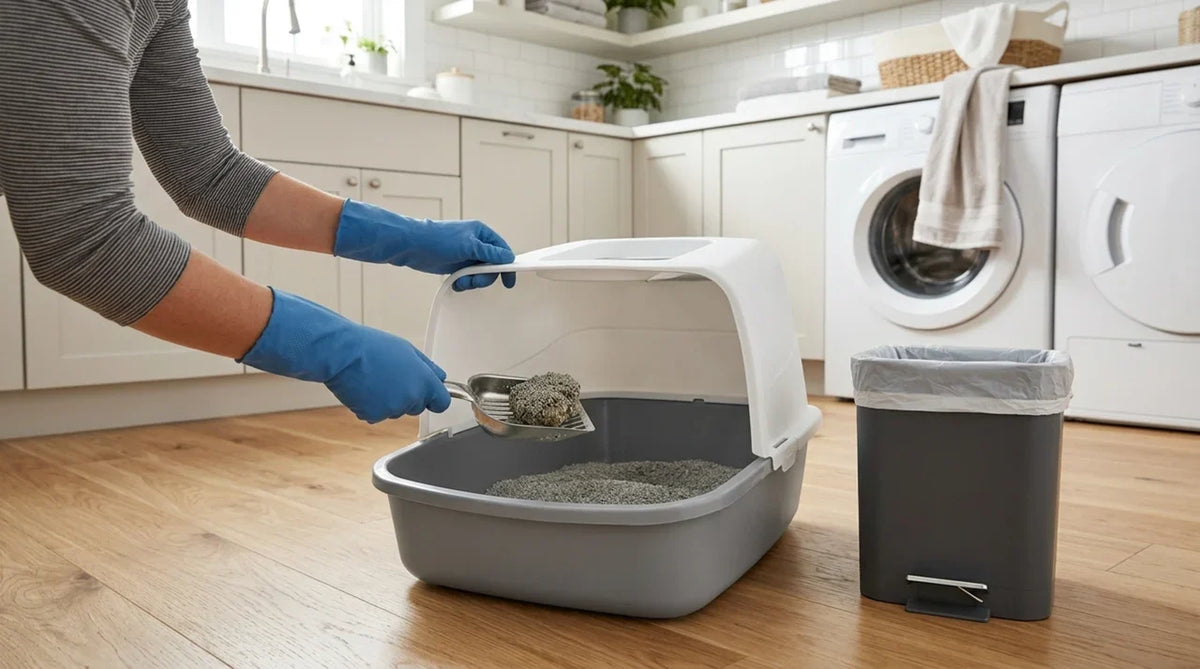
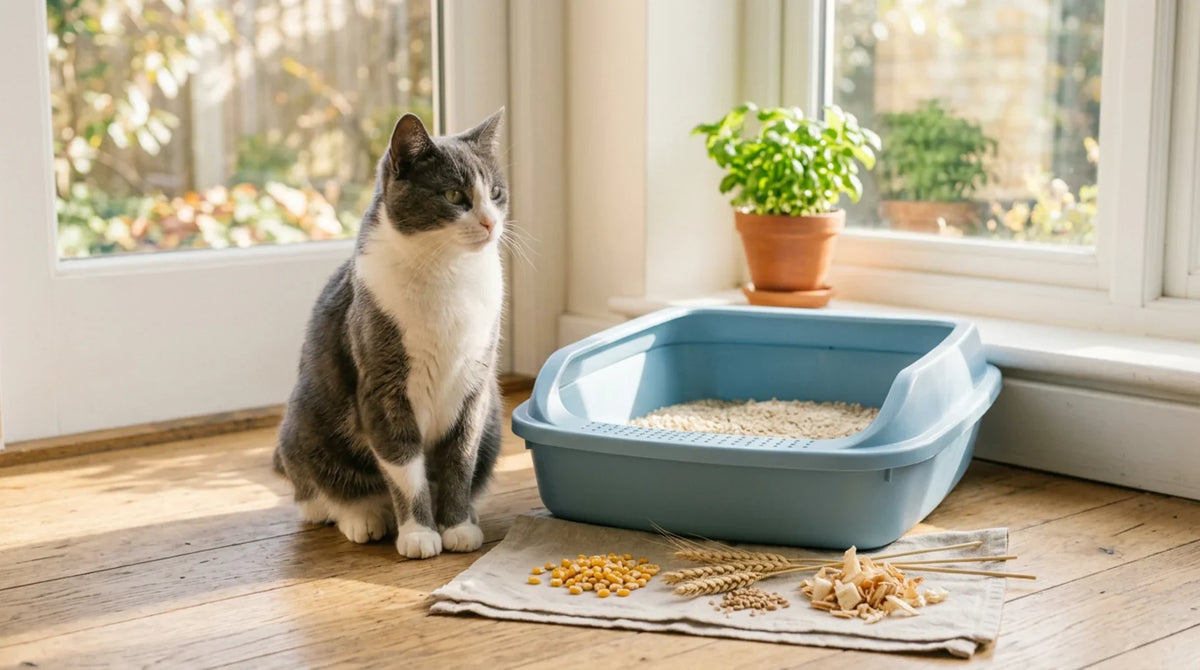
Some cat litter is biodegradable, but the usual kinds of clay and crystal litter are not. Natural litters made from plants such as corn, wheat, wood, paper, grass, among many others can decompose naturally and are therefore commonly used as an alternative litter by owners who wish to lessen their use of litter waste. However, there is always a caveat in any good thing like this one. Being biodegradable does not necessarily mean that the litter is compostable or flushable once your cat uses it. Once used, litter is filled with cat urine and feces. Therefore, it is more complicated than just considering the content of the litter itself. Understanding Biodegradable Term and Common Litters A complete answer rests upon two distinct questions, the first of these being the material from which the litter is manufactured. The second one, which is just as significant, is what happens to it after your cat has used it, because at that point, the litter in your hands is not litter anymore. 1. What Biodegradable Means for Cat Litter The term 'biodegradable' is used for any substance that can be broken down into natural constituents through the action of microorganisms such as bacteria and fungi, sooner or later. The rate of this process depends on the material and its environment including oxygen, moisture and temperature. It follows that two bags carrying the same biodegradable label may act in rather different ways once they have left the house. Nor should biodegradable be read as another word for compostable or flushable. Every one of these terms responds to its own question, and it is entirely possible for a litter to satisfy one while failing the remaining two. 2. Which Common Cat Litters Are Not Biodegradable? Most traditional clumping cat litters are made from sodium bentonite clay, a mineral that is typically mined using surface mining methods and does not break down even once it is disposed of. Crystal litters comprise silica gel, a material valued for its capacity to hold liquids, but again, they are difficult to decompose. The usual path that these take is the household trash and then into the landfill. People worried about the clay say that the problem starts before any disposal because it is hard even in the mine, and it does not end there because it simply will not go away. 3. Which Cat Litters Are Usually Biodegradable? Litters produced from plants or wood are, as a rule, the ones that meet the definition. Among the more widely used materials are: Corn and corn cob Wheat Pine and other wood, as pellets or fibre Recycled paper Grass seed and other plant materials such as walnut shell, cassava and tofu Each of them acts and behaves differently in the litter box, and this difference becomes very important in the situation when the cat needs to accept something new. Biodegradable vs. Compostable Cat Litter: What's the Difference? It is this distinction, more than any other, that tends to settle where used litter ought to finish up. Owners who have attempted composting it keep arriving at the same conclusion, namely that a plant litter which decomposes readily is not, for that reason alone, fit to be added to a garden heap. 1. Biodegradable Does Not Mean Compostable The label biodegradable is simply indicating the decomposition that will occur in the long run. Compostable, on the other hand, offers a guarantee that the decomposition process takes place within a certain time frame in controlled conditions and produces residue which is harmless to the soil. The clean litter made of corn, wheat, or wood may very well be compostable right away, but the heap it is thrown to needs to handle the cat waste also. 2. Why Used Cat Litter Is Different From Unused Litter However, after spending some time in the litter box, the box contains both urine and feces. And in cat feces, there is a parasite that can cause toxoplasmosis. According to health experts, cats are considered key players in the spread of this parasite, and therefore, they advise people to change the litter daily and wear gloves while handling contaminated soil. A number of cat owners contend that indoor cats fed on commercial diets rarely carry it. This could frequently be correct, yet a litter box offers no indication as to whether any given cat is shedding the parasite, hence used litter is better handled as waste than as soil. Health note If you are pregnant or have an impaired immune system, speak to your physician about handling the litter, and if at all possible, get someone else to do the scooping. 3. Check the Product's Actual Disposal Instructions Terms like natural, plant based or 100% biodegradable printed across the front of a bag do not amount to disposal instructions. On the reverse side you will normally find what the maker in fact permits, and this should then be set against local waste regulations, given that a good many municipal compost schemes turn away pet waste irrespective of the litter material. How Different Cat Litter Materials Compare In the table that follows, biodegradability is placed alongside those qualities owners really notice from one day to the next. Two complaints come up again and again among people who have switched: pellets that do not seem to absorb, and plant litters that do not clump, so urine cannot be lifted out cleanly. Litter type Biodegradable Compostable? Clumping Common strength Main disposal concern Clay No No Yes Strong clumping Landfill waste Crystal / silica No No Usually no Absorption Long-lived waste Corn Usually yes Product-dependent Often yes Clumping + odor control Used waste still needs safe disposal Wheat Usually yes Product-dependent Often yes Clumping Check local disposal rules Wood Usually yes Product-dependent Varies Low-material footprint Pellet/dust handling Paper Usually yes Product-dependent Usually no Soft / lightweight Odor control and disposal Grass / other plant-based Usually yes Product-dependent Varies Lightweight options Check product instructions Wood pellets call for a brief word of explanation, since clumping is something they never do. They disintegrate due to moisture, and for this reason, some of their owners sieve out the dust and preserve the pellets. What Is the Most Eco-Friendly Cat Litter? No one litter comes out on top, and owners who have experimented with several tend to agree on that. The preferable option is whichever your cat uses without objection, works adequately enough that it need not be replaced constantly, and can be disposed of in a sensible way in your area. 1. Plant-Based Litter Options Corn and wheat are able to form solid clumps, and underfoot they resemble fine clay more closely than pellets do, which generally eases the transition for a cat accustomed to clumping litter. Wood is sold as pellets, granules or fiber, with the fiber kinds frequently producing the least dust, a quality one owner placed above everything else owing to her cat's asthma. Paper is light and gentle on the paws, although its effect on odor is normally slight. Cost and availability influence the decision to a greater extent than most guides acknowledge. One owner went from corn to cassava and afterwards to walnut purely on account of price and whatever the local shops stocked, while another purchases ordinary pine pellets at a feed store for a small share of what branded litter costs. 2. Why Cat Acceptance Still Matters According to vets, the majority of cats favor litter that is unscented and finer in texture. That alone explains many failed switches, and one owner who tried several plant litters found that the only ones her cats refused outright were the pine scented versions. The points worth weighing are: Texture under the paws, since a cat used to fine clay may dislike large pellets How well urine clumps and lifts out Odor control in your particular home Dust, especially for a cat with breathing problems How gradually the change can be made If your cat uses an automatic box, the litter also has to suit the mechanism, so our guide to choosing a litter that works in an automatic box is worth reading before you buy. 3. A Greener Litter That Your Cat Refuses to Use Is Not a Practical Solution When a cat abandons the box following a switch, the result is stained rugs, additional cleaning and half a bag of litter that nobody has any use for, which can scarcely be called progress. The choice should instead be made on the basis of why cats need litter boxes in the first place, a spot where they can dig and cover up in their own natural way. Begin with what your cat will tolerate, and then move toward a biodegradable litter that is similar in consistency to what you started with. How Should You Dispose of Biodegradable Cat Litter? Disposal should start with the used litter, not with the claim on the bag. One owner with several indoor cats and a large plot of land asked whether used plant litter could simply be tipped into the forest, and the replies were close to unanimous that it could not. The options below run from the safest to the one that should be avoided. 1. Throwing Biodegradable Litter in the Trash In the majority of households, bagging the litter and putting it in the bin remains the most reliable option, because the cat waste stays enclosed. Swapping heavy plastic sacks for paper or compostable bags lowers the quantity of plastic that travels along with it. 2. Can You Compost Biodegradable Cat Litter? This is possible in a limited number of cases, but only with considerable care. Veterinary parasite guidelines state that the parasite's eggs turn infective within 1 to 5 days and may persist in the environment for months or even years, while a garden heap rarely reaches a high enough temperature for long enough to be trusted. Keep a dedicated heap or bin solely for pet waste, apart from the kitchen compost. The finished compost must not go anywhere near vegetables, herbs or fruit. Position the heap a good distance from wells, streams and drains. Find out whether your council's green bin takes pet waste prior to putting any in. 3. Can You Flush Biodegradable Cat Litter? Certain plant litters are marketed as flushable, a word that only tells you the material is able to travel through a pipe. Whether it ought to be flushed is a separate matter altogether. Aging pipework, septic tanks and low flow toilets are all liable to block, and numerous local water authorities request that pet waste is not flushed whatsoever, owing to what it might introduce into waterways. Consult your local sewer guidance together with the manufacturer's directions before anything is flushed. 4. Why You Should Not Dump Used Cat Litter Outdoors Being biodegradable does not render cat waste harmless for a forest or a garden. One owner observed that a house cat lives on tinned meat or kibble which never formed part of the woodland, so its feces bring in pathogens and nutrients the local soil had no need for. Researchers in coastal California discovered that rainwater runoff is able to transport the parasite from cat feces into the sea, among them strains connected with fatal illness in sea otters. Woods, gardens and riverbanks are not to be used as a convenient place for disposal. Does Biodegradable Cat Litter Break Down in a Landfill? Not quickly, and possibly not much at all. The capacity to biodegrade differs from biodegradation really taking place, and a tied bag buried in a landfill supplies hardly any of the conditions that the process depends upon. 1. Why Landfill Conditions Matter Waste in a landfill is compacted tightly and sealed away from air and light, and under those circumstances decomposition proceeds extremely slowly. Federal marketing guidance even states that products bound for landfill will not degrade inside a year, and on that basis unqualified biodegradable claims should not be attached to them. 2. Biodegradable Material Does Not Disappear Overnight Where composting is carried out properly, plant litter might decompose across several months, whereas clay and silica are able to linger for years. In a landfill, the plant litter's advantage narrows considerably, and the cat waste mixed through it remains a separate issue whatever the material. 3. Why Disposal Method Still Matters Choosing a biodegradable litter is only half of the decision. The other half is what you do after scooping, and where no approved composting or pet waste programme exists, the trash may well remain the right answer even for a plant litter. How to Switch to Biodegradable Cat Litter Without Litter Box Problems For a litter to be sustainable, it must work until the cat decides not to use the box anymore. Stories from owners go from cats that instantly adopted corn to cats that refused to use the pellets for weeks. 1. Change the Litter Gradually Mix a small amount of the new litter into the old one, and gradually increase the ratio over one or two weeks as long as the cat continues to use the litter box normally. In an instance where the cats refused to use the pellets, the owner dampened a part of the bag to the point where it became sawdust, dried it, and then offered it to them before reverting to the pellets. 2. Watch for Changes in Digging, Clumping, and Box Use How your cat behaves will reveal more than anything written on the bag. Look for: Normal digging and covering Entering the box without hesitation Urine clumps that lift out cleanly Steady use of the box, day after day In case the box starts to smell earlier than it used to, the new litter may be coping less well with moisture, and our notes on how to keep the litter box from smelling can assist in tracing the source of the odor. 3. Keep the Old Litter Available During the Transition Where a household has more than a single box, put the familiar litter in one and the new litter in another, which gives the cat a choice and makes its preference plain to see. It may turn out, as it did for several owners, that the cat takes to corn or grass with no difficulty at all while refusing pellets entirely. Does Scooping More Often Make Cat Litter Use More Sustainable? It does, though the effect is a modest one. Owners who scoop on a regular basis and simply top up report that the entire box hardly ever needs emptying, meaning fewer bags are purchased and fewer are discarded. 1. Scoop Daily Removing clumps and solids each day keeps waste from soaking into the clean litter around it, so less has to be discarded. It also keeps the box acceptable to the cat, and a clean place to dig is the whole answer to why do cats use litter boxes at all. An automatic box like the Autoscooper 12 lite cat litter box that handles scooping on its own keeps the waste separated between your own checks. 2. Top Off Instead of Replacing Usable Litter Instead of tipping out the whole box according to a schedule, maintain a depth of about 2 to 3 inches by adding fresh litter once scooping is done. Those using pellets are able to sieve away the sawdust and hold on to any pellets that remain intact. 3. Use the Least Wasteful Disposal Method Available Locally Gather each day's scoops into a small paper or compostable bag in place of a new plastic sack every time. Packaging plays a part too, and owners took notice when a litter they were fond of switched from paper sacks over to plastic. Common Mistakes When Choosing Biodegradable Cat Litter The majority of difficulties with biodegradable litter can be traced to a small number of assumptions that are easily avoided. 1. Assuming Every Plant-Based Litter Is Compostable A plant material does not make a used scoop safe for compost. The cat waste in it is what decides that, and it has to be kept away from anything you eat. 2. Dumping Biodegradable Litter Outdoors Owning a plot of land yourself makes no difference to the risk involved. Used litter should go into the trash or an approved pet waste scheme rather than into woodland or some corner of the garden. 3. Flushing Without Checking Local Rules A flushable label printed on the packaging carries no weight against the limits of your plumbing or the rules of your water authority, and both deserve checking prior to flushing. 4. Switching Litter Too Quickly Changing the entire contents of the box at once is the fastest route to accidents outside it. Mixing the two litters across a week or two allows the cat time to grow accustomed to the unfamiliar texture and smell. 5. Choosing Based on the Material Alone An eco friendly label reveals nothing regarding clumping, dust or the feel of the litter beneath your cat's paws. Assess it against each of these, as well as your cat's reaction, before concluding that it suits your home. FAQs Is all cat litter biodegradable? No, it is not. Clay and silica crystal litters do not biodegrade, whereas most of those produced from corn, wheat, wood, paper or grass are capable of it. Even so, once used, a biodegradable litter does not automatically become compostable or flushable. What type of cat litter is most biodegradable? The biodegradable choices are those made from plants or wood, such as corn, wheat, pine, paper, grass, walnut and cassava. Untreated pine pellets and paper usually break down without much difficulty. Which suits you best will still hinge on texture, clumping, dust and the litter your cat is willing to use. Can biodegradable cat litter go in the compost? It can, though only with care. Used litter holds cat waste capable of carrying parasites, so it belongs in a separate pet waste compost kept away from food plants, and only in places where local regulations permit it. Can you flush biodegradable cat litter? It is wiser not to, unless your local rules expressly permit it. Litter sold as flushable is still able to block older pipes and septic systems, and pet waste may introduce parasites into waterways. Look at your sewer guidance and the product directions beforehand. How long does biodegradable cat litter take to decompose? No set timeframe exists. With correct composting, plant litter could break down in a matter of months, but inside a landfill the process is very much slower, and federal marketing guidance does not expect anything sent to landfill to degrade within a year. Is biodegradable cat litter better for the environment? It may be, given that it avoids clay mining and the material is itself able to decompose. That advantage diminishes, however, when the cat rejects it, when it has to be replaced too frequently, or when it ends up being disposed of poorly. Can cat litter be thrown in the green bin? This rests entirely with your local council. A good number of green bin schemes refuse pet waste even where the litter itself is plant based, so confirm the rules before putting any in. What is the most eco-friendly way to dispose of cat litter? The best method is whichever one your local rules permit that also keeps the cat waste enclosed. In most homes this means a small paper or compostable bag placed in the trash, or an approved pet waste composting service in areas that offer one.
Understanding Biodegradable Term and Common Litters
1. What Biodegradable Means for Cat Litter
2. Which Common Cat Litters Are Not Biodegradable?
3. Which Cat Litters Are Usually Biodegradable?
-
Corn and corn cob
-
Wheat
-
Pine and other wood, as pellets or fibre
-
Recycled paper
-
Grass seed and other plant materials such as walnut shell, cassava and tofu
Biodegradable vs. Compostable Cat Litter: What's the Difference?
1. Biodegradable Does Not Mean Compostable
2. Why Used Cat Litter Is Different From Unused Litter
|
Health note
If you are pregnant or have an impaired immune system, speak to your physician about handling the litter, and if at all possible, get someone else to do the scooping.
|
3. Check the Product's Actual Disposal Instructions
How Different Cat Litter Materials Compare

|
Litter type
|
Biodegradable
|
Compostable?
|
Clumping
|
Common strength
|
Main disposal concern
|
|
Clay
|
No
|
No
|
Yes
|
Strong clumping
|
Landfill waste
|
|
Crystal / silica
|
No
|
No
|
Usually no
|
Absorption
|
Long-lived waste
|
|
Corn
|
Usually yes
|
Product-dependent
|
Often yes
|
Clumping + odor control
|
Used waste still needs safe disposal
|
|
Wheat
|
Usually yes
|
Product-dependent
|
Often yes
|
Clumping
|
Check local disposal rules
|
|
Wood
|
Usually yes
|
Product-dependent
|
Varies
|
Low-material footprint
|
Pellet/dust handling
|
|
Paper
|
Usually yes
|
Product-dependent
|
Usually no
|
Soft / lightweight
|
Odor control and disposal
|
|
Grass / other plant-based
|
Usually yes
|
Product-dependent
|
Varies
|
Lightweight options
|
Check product instructions
|
What Is the Most Eco-Friendly Cat Litter?
1. Plant-Based Litter Options
2. Why Cat Acceptance Still Matters
-
Texture under the paws, since a cat used to fine clay may dislike large pellets
-
How well urine clumps and lifts out
-
Odor control in your particular home
-
Dust, especially for a cat with breathing problems
-
How gradually the change can be made
3. A Greener Litter That Your Cat Refuses to Use Is Not a Practical Solution
How Should You Dispose of Biodegradable Cat Litter?

1. Throwing Biodegradable Litter in the Trash
2. Can You Compost Biodegradable Cat Litter?
-
Keep a dedicated heap or bin solely for pet waste, apart from the kitchen compost.
-
The finished compost must not go anywhere near vegetables, herbs or fruit.
-
Position the heap a good distance from wells, streams and drains.
-
Find out whether your council's green bin takes pet waste prior to putting any in.
3. Can You Flush Biodegradable Cat Litter?
4. Why You Should Not Dump Used Cat Litter Outdoors
Does Biodegradable Cat Litter Break Down in a Landfill?
1. Why Landfill Conditions Matter
2. Biodegradable Material Does Not Disappear Overnight
3. Why Disposal Method Still Matters
How to Switch to Biodegradable Cat Litter Without Litter Box Problems

1. Change the Litter Gradually
2. Watch for Changes in Digging, Clumping, and Box Use
-
Normal digging and covering
-
Entering the box without hesitation
-
Urine clumps that lift out cleanly
-
Steady use of the box, day after day
3. Keep the Old Litter Available During the Transition
Does Scooping More Often Make Cat Litter Use More Sustainable?

1. Scoop Daily
2. Top Off Instead of Replacing Usable Litter
3. Use the Least Wasteful Disposal Method Available Locally
Common Mistakes When Choosing Biodegradable Cat Litter
1. Assuming Every Plant-Based Litter Is Compostable
2. Dumping Biodegradable Litter Outdoors
3. Flushing Without Checking Local Rules
4. Switching Litter Too Quickly
5. Choosing Based on the Material Alone
FAQs
Is all cat litter biodegradable?
What type of cat litter is most biodegradable?
Can biodegradable cat litter go in the compost?
Can you flush biodegradable cat litter?
How long does biodegradable cat litter take to decompose?
Is biodegradable cat litter better for the environment?
Can cat litter be thrown in the green bin?
What is the most eco-friendly way to dispose of cat litter?
You may also like


AutoScooper 11 Katzentoilette

AutoScooper 11 Katzentoilette-Pink

AutoScooper 11 Katzentoilette-Weiß

AutoScooper 11 Katzentoilette

Further reading

Where Should You Put a Litter Box in a Small Apartment?
Is Cat Litter Biodegradable? Types, Disposal & Safety
How Do Cats Know to Use the Litter Box? Instincts Explained