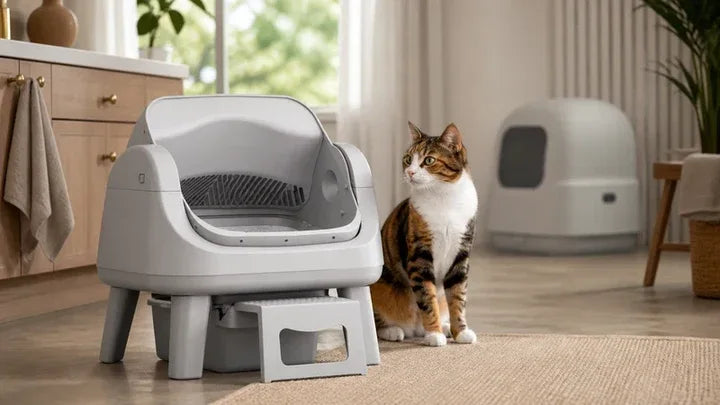

Entwurf zur Veröffentlichung: Offene vs. geschlossene Katzentoiletten mit Selbstreinigungsfunktion: Welchen Typ bevorzugt Ihre Katze?

Über den Autor
Kurze Antwort: Katzen zeigen keine allgemeine Präferenz für offene oder geschlossene Katzentoiletten. In einer kleinen kontrollierten Studie mit 27 Katzen zeigte die Mehrheit keine signifikante Bevorzugung zwischen abgedeckten und offenen Toiletten, während sich eine gleiche Anzahl für den jeweiligen Typ entschied. Wählen Sie bei einer automatischen Toilette nach nutzbarem Innenraum, Ein- und Ausgang, Geräuschentwicklung, Belüftung, Einstreunutzung und der beobachteten Reaktion Ihrer individuellen Katze. Die entscheidende Frage lautet nicht: „Welcher Typ ist am besten?“, sondern: „Welches Gesamtsystem ist für diese Katze am einfachsten regelmäßig zu benutzen?“ Eine große, saubere geschlossene Toilette wird möglicherweise eher akzeptiert als ein enges offenes Modell. Eine geräumige offene Toilette ist für eine große oder vorsichtige Katze eventuell leichter zu nutzen als eine schmale, umschlossene Kammer. Das Design spielt eine Rolle, ersetzt aber nicht die passende Größe, Sauberkeit oder den Standort. Faktor Offene automatische Toilette Geschlossene automatische Toilette Was zu beobachten ist Sichtbarkeit Breiter Blick in den Raum Blick durch Eingang eingeschränkt Hält die Katze inne, sondiert oder weicht sie zurück? Ausgangsoptionen Meist optisch offen Meist eine definierte Öffnung Kann ein anderes Haustier den Weg blockieren? Nutzbarer Innenraum Leichter zu überblicken, modellabhängig Kann kleiner sein, als das Äußere vermuten lässt Kann die Katze sich drehen und normal stehen? Geruch Mehr Luftaustausch Kann Geruch einschließen oder konzentrieren Staut sich der Geruch zwischen den Reinigungen? Streuverteilung Exponierterer Ausgangsbereich Eingangsbereich kann Streu halten Was bleibt nach normaler Nutzung an den Pfoten haften? Geräuschempfinden Bewegungen sind sichtbar Geräusche können aus der Kammer kommen Meidet die Katze den Bereich nach dem Reinigungszyklus? Zugang für Besitzer Oft leichter zu inspizieren Kann Öffnen oder Entfernen der Haube erfordern Sind Rückstände leicht zu sehen und zu reinigen? Was die Studie zum Vergleich von abgedeckten vs. offenen Toiletten tatsächlich ergab Die in diesem Zusammenhang oft zitierte veröffentlichte Studie untersuchte 28 Katzen und analysierte die Daten von 27. Die Katzen hatten unter kontrollierten häuslichen Bedingungen Zugang zu abgedeckten und offenen Toiletten. In der gesamten Gruppe gab es keinen signifikanten Unterschied bei der Nutzung. 19 Katzen zeigten keine Präferenz, vier nutzten die abgedeckte Toilette häufiger und vier die offene. Dieses Ergebnis ist wertvoll, da es eine zu einfache Verallgemeinerung verhindert. Es beweist nicht, dass der Typ nie eine Rolle spielt. Es zeigt, dass individuelle Unterschiede wichtiger sind als eine universelle Regel. Die Studie verwendete zudem große Kisten, feine Klumpstreu und tägliches Reinigen. Diese Bedingungen sind wichtig. Eine kleine oder schmutzige Toilette könnte das Verhalten unabhängig von einer Abdeckung verändern. Eine automatische Toilette bringt weitere Variablen ins Spiel, darunter Bewegung, Geräusche, Form des Eingangs und den Reinigungsmechanismus. Beginnen Sie mit dem aktuellen Verhalten Ihrer Katze Betrachten Sie die Toilette, die Ihre Katze jetzt benutzt, und die Art und Weise, wie sie diese nutzt. Nützliche Beobachtungen sind: ob die Katze vollständig eintritt oder die Vorderpfoten am Rand lässt; ob die Katze sich bequem drehen kann; ob der Schwanz oder Rücken die Abdeckung berührt; ob die Katze gräbt und die Hinterlassenschaften zudeckt; ob die Katze am Eingang zögert; ob die Katze nach einem Geräusch in der Nähe schnell flüchtet; ob eine andere Katze oder ein Hund den Ausgang beobachtet oder blockiert; ob Urin oder Kot neben der Toilette landet. Diese Beobachtungen sind hilfreicher, als Etiketten wie „scheu“ oder „selbstbewusst“ zu vergeben. Sie identifizieren eine physische oder umgebungsbedingte Barriere, die Sie testen können. Beobachten Sie das tatsächliche Nutzungsverhalten Ihrer Katze, bevor Sie entscheiden, ob offen oder geschlossen automatisch besser ist. Wann ein offenes Design gut geeignet sein kann Eine automatische Toilette mit offenem Design eignet sich für Katzen, die Wert auf gute Sicht, einen freien Zugang und weniger Überdachung legen. Sie erleichtert es dem Besitzer zudem, die Streuoberfläche zu prüfen, Rückstände zu sehen und zu kontrollieren, ob die Katze sich normal drehen kann. Ein offener Zugang verdient nähere Betrachtung, wenn: die Katze groß ist und der nutzbare Innenraum begrenzt ist; die Katze zuvor eine abgedeckte Toilette abgelehnt hat; ein anderes Tier einen einzigen geschlossenen Ausgang bewachen könnte; die Katze einen niedrigeren oder optisch schlichteren Eingang benötigt; der Besitzer Streustand und Abfalltrennung direkt kontrollieren möchte; der Haushalt einen unkomplizierten Zugang für die Reinigung bevorzugt. Dies sind Hypothesen zur Eignung, keine Garantien. Offene Modelle können dennoch zu klein, zu hoch, laut oder ungünstig platziert sein. Wann ein geschlossenes Design akzeptiert werden kann Einige Katzen benutzen eine geräumige geschlossene Toilette problemlos. Eine Haube kann die sichtbare Ausbreitung von Streu verringern und für eine Katze ein Gefühl von Privatsphäre vermitteln. Das Design kann zudem den Zugangsweg lenken und etwas Streu zurückhalten. Geschlossene Modelle verdienen Betrachtung, wenn: die Katze bereits komfortabel eine abgedeckte Toilette benutzt; der Eingang breit und niedrig genug ist; der Innenraum normales Drehen und eine natürliche Haltung ermöglicht; Belüftung und Reinigung Geruchsbildung verhindern; die Katze einen ungehinderten Zu- und Ausgang hat; die Reinigungsbewegung die Katze nicht erschreckt. Gehen Sie nicht davon aus, dass eine Abdeckung Gerüche löst. Cornell stellt fest, dass Hauben aus Sicht der Katze Gerüche eher einschließen können. Der Abfallbereich, das Streu, die Reinigungshäufigkeit und die Belüftung bestimmen die tatsächliche Erfahrung. Messen Sie den nutzbaren Raum, nicht das Gehäuse Automatische Toiletten widmen einen Teil ihres Außenvolumens Motoren, Siebmechanismen, Wänden und Abfallöffnungen. Vergleichen Sie den Platz, an dem die Katze tatsächlich steht. Messen oder bestätigen Sie: Eingangsbreite und -höhe; Höhe der ersten Stufe und Trittfestigkeit; Breite und Tiefe des Streubereichs; Innenhöhe auf Schulterhöhe der Katze; Drehplatz unter Berücksichtigung von Kammer und Sieb; Freiraum für den Schwanz; den Weg aus der Toilette. Ein Produktfoto ohne Maßstab reicht nicht aus. Für eine große, ältere oder in der Mobilität eingeschränkte Katze sind veröffentlichte nutzbare Maße und eine klare Seitenansicht wertvoller als eine Kategorisierung. Außenmaße allein zeigen nicht, ob eine Katze bequem eintreten, sich drehen und wieder austreten kann. Betrachten Sie die Ausgangssicherheit als Teil des Toilettenstils In einem Mehrkatzenhaushalt kann die beste Toilette versagen, wenn der Zugang unsicher wirkt. Eine abgedeckte Toilette hat meist eine definierte Öffnung. Eine offene Toilette bietet zwar eine weitere Sicht, kann aber in einer Ecke stehen, in der ein anderes Tier den Weg blockiert. Positionieren Sie die Toilette so, dass die Katze nicht zwischen Wänden, Geräten oder einem anderen Haustier gefangen ist. Vermeiden Sie enge Sackgassen. Bieten Sie mehrere Katzentoiletten an getrennten Standorten an, wenn die Katzen den Zugang nicht problemlos teilen. Eine automatische Einheit beseitigt keinen sozialen Druck. Geräusche und Bewegungen verändern den Vergleich Ein manueller Test "abgedeckt vs. offen" beinhaltet keine rotierende Kammer oder einen Rechen. Wenn Sie automatische Stile vergleichen, trennen Sie die Frage der Gehäuseform von der Frage der Bewegung. Während der Eingewöhnung: Stellen Sie das Gerät gemäß Anleitung auf. Beginnen Sie mit deaktivierter Bewegung oder im manuellen Modus, wenn der Hersteller dies empfiehlt. Lassen Sie die Katze den Streubereich ohne Druck untersuchen. Behalten Sie das gewohnte Streu bei, wenn es kompatibel ist. Führen Sie einen frühen manuellen Zyklus durch, während die Katze sicher entfernt ist. Beobachten Sie, ob die Katze nach Geräusch und Bewegung normal zurückkehrt. Wenn die Katze den Raum nach einem Zyklus meidet, verlangsamen Sie den Prozess. Schließen Sie nicht darauf, dass allein die Abdeckung die Ursache war. Vergleichen Sie Geruch, Streuverteilung und Wartung ehrlich Ein offenes Top kann für mehr Luftzirkulation sorgen und Rückstände schneller sichtbar machen. Es kann jedoch auch mehr Streu am Ausgang freilegen. Ein geschlossenes Gehäuse kann Streu zurückhalten, aber auch Rückstände verbergen und Gerüche binden, wenn die Reinigung verzögert wird. Stellen Sie praktische Fragen: Kann das Streubett inspiziert werden, ohne das Gerät auseinanderzunehmen? Kann der Abfallbereich entfernt werden, ohne dass etwas verschüttet wird? Welche zugelassenen Teile sind waschbar? Können alle gewaschenen Teile vollständig trocknen? Sammelt sich Streu am Eingang oder unter einer Abdeckung? Gibt es genug Platz, um das Gerät zu warten? Geruch und Streuverteilung sind Ergebnisse des gesamten Systems, nicht der Beweis, dass ein Stil kategorisch überlegen ist. Führen Sie einen Präferenztest ohne Chaos durch Wenn die Präferenz einer gesunden Katze unklar ist, ist eine kontrollierte Wahl aufschlussreicher als ein erzwungener Wechsel. Bieten Sie zwei saubere Toiletten an geeigneten Standorten mit derselben akzeptierten Streu und ähnlicher Streutiefe an. Ändern Sie nur eine Variable auf einmal. Für einen Stiltest: halten Sie Streutyp und -tiefe konsistent; halten Sie beide Toiletten sauber; vermeiden Sie es, eine Toilette an einem deutlich besseren Standort aufzustellen; verfolgen Sie die tatsächliche Nutzung für Urin und Kot, nicht nur das Schnuppern; beobachten Sie Eintrittshaltung, Graben und Ausgangsverhalten; setzen Sie den Test lange genug fort, um ein Muster zu erkennen; brechen Sie den Test ab und suchen Sie tierärztlichen Rat, falls Unsauberkeit oder Schmerzen auftreten. Bewegen Sie nicht beide Toiletten, wechseln Sie nicht das Streu und aktivieren Sie nicht am selben Tag die automatischen Zyklen. Zu viele Änderungen machen das Ergebnis unmöglich zu interpretieren. PetPivots Ansatz für offene Modelle Die PetPivot AutoScooper-Modelle verwenden ein offenes Format mit direkten Bedienelementen und ohne erforderliche App. Dies mag für Besitzer passen, die einen sichtbaren Zugang wünschen, und für Katzen, die einen weniger geschlossenen Bereich komfortabel nutzen. Es ist kein Beweis dafür, dass jede Katze offene Designs bevorzugt. Prüfen Sie die AutoScooper 11 Produktdetails und AutoScooper 12 Lite Produktdetails für aktuelle Maße, Betriebsgrenzen und Einrichtung. Folgen Sie der PetPivot AutoScooper Bedienungsanleitung für Ihr Modell. AutoScooper 11 AutoScooper 12 Lite Offizielle PetPivot Produktbilder. Bestätigen Sie vor Veröffentlichung die aktuelle Produktseite und Modellanleitung. Eine praktische Entscheidungsregel Wählen Sie ein offenes Modell, wenn Sichtbarkeit, Bewegungsfreiheit und leichte Inspektion ein echtes Bedürfnis von Katze oder Besitzer erfüllen. Wählen Sie eine geschlossene Toilette, wenn die Katze das Umschlossene bereits akzeptiert und das spezifische Modell genügend Platz, Belüftung und einen freien Ausgang bietet. Lehnen Sie in beiden Fällen ein Modell ab, das zu eng, schwierig zu reinigen, inkompatibel mit dem Streu oder in der Bedienung unklar ist. Bereit, eine offene Option zu vergleichen? Durchsuchen Sie PetPivot automatische Katzentoiletten und verifizieren Sie vor dem Kauf das aktuelle Modellhandbuch. Häufig gestellte Fragen Bevorzugen die meisten Katzen offene oder geschlossene automatische Katzentoiletten? Es gibt keinen universellen Gewinner. Kontrollierte Studien fanden keine allgemeine Gruppenpräferenz zwischen abgedeckten und offenen Modellen, während einzelne Katzen in derselben Studie unterschiedliche Designs bevorzugten. Wie prüfe ich, ob ein geschlossenes Modell groß genug ist? Messen Sie den nutzbaren Raum, den die Katze erlebt, nicht nur die Außenmaße des Produkts. Messen Sie die Öffnung an der engsten Stelle. Prüfen Sie die nutzbare Länge und Breite des Streubereichs nach dem Einbau der Innenteile. Lassen Sie genügend Höhe und Drehfreiraum für eine normale Haltung beim Graben und Ausscheiden. Stellen Sie sicher, dass die Katze den Ausgang sehen oder erreichen kann, ohne in eine enge Sackgasse zurückzusetzen. Ist eine geschlossene Toilette automatisch besser bei Geruch und Streuverteilung? Nein. Eine Abdeckung kann etwas Streu zurückhalten und verändern, wie Gerüche den Raum erreichen, aber sie kann Gerüche auch im Raum der Katze binden. Geschwindigkeit der Abfallbeseitigung und Wartung der Schublade beeinflussen den Geruch direkter. Streustruktur, Platzierung der Matte und Grabstil der Katze beeinflussen die Streuverteilung. Reinigung und Belüftung bleiben bei beiden Designs notwendig. Was, wenn eine andere Katze oder ein Hund den Eingang blockiert? Betrachten Sie einen blockierten Zugang als Ressourcenproblem, nicht als Ungehorsam. Stellen Sie die Toilette weg von Ecken oder Engpässen, erhalten Sie mehr als einen Zugangsweg und bieten Sie zusätzliche Toilettenstandorte an, die nicht alle bewacht werden können. Wie sollte ich testen, welches Design meine Katze akzeptiert? Führen Sie einen einfachen Präferenztest durch, anstatt mehrere Variablen gleichzeitig zu ändern. Bieten Sie saubere Optionen mit ähnlicher nutzbarer Größe an. Verwenden Sie dasselbe bekannte Streu und eine vergleichbare Streutiefe. Halten Sie Standort und Reinigungsqualität so ähnlich wie möglich. Verfolgen Sie tatsächliche Ausscheidungen, Zögern, Haltung und Ausgangsverhalten für jede Katze. Quellen und Nachweise PetPivot AutoScooper Bedienungsanleitung - Einrichtung, Streu, Übergang, Wartung, Anzeigen und Betriebsgrenzen für AutoScooper 12. PetPivot AutoScooper 11 Produktseite - Offizielle Produktseite und Originalbild. PetPivot AutoScooper 12 Lite Produktseite - Offizielle Produktseite und Originalbild. FelineVMA: 2014 AAFP/ISFM Leitlinien bei Unsauberkeit - Klinischer Rahmen zur Optimierung der Katzentoiletten-Einrichtung und feline Umweltbedürfnisse. Präferenz bei Katzentoiletten: abgedeckt vs. offen - Kleine kontrollierte Studie, die keine allgemeine Gruppenpräferenz und bedeutsame individuelle Unterschiede berichtet.
Kurze Antwort: Katzen zeigen keine allgemeine Präferenz für offene oder geschlossene Katzentoiletten. In einer kleinen kontrollierten Studie mit 27 Katzen zeigte die Mehrheit keine signifikante Bevorzugung zwischen abgedeckten und offenen Toiletten, während sich eine gleiche Anzahl für den jeweiligen Typ entschied. Wählen Sie bei einer automatischen Toilette nach nutzbarem Innenraum, Ein- und Ausgang, Geräuschentwicklung, Belüftung, Einstreunutzung und der beobachteten Reaktion Ihrer individuellen Katze.
Die entscheidende Frage lautet nicht: „Welcher Typ ist am besten?“, sondern: „Welches Gesamtsystem ist für diese Katze am einfachsten regelmäßig zu benutzen?“ Eine große, saubere geschlossene Toilette wird möglicherweise eher akzeptiert als ein enges offenes Modell. Eine geräumige offene Toilette ist für eine große oder vorsichtige Katze eventuell leichter zu nutzen als eine schmale, umschlossene Kammer. Das Design spielt eine Rolle, ersetzt aber nicht die passende Größe, Sauberkeit oder den Standort.
|
Faktor |
Offene automatische Toilette |
Geschlossene automatische Toilette |
Was zu beobachten ist |
|
Sichtbarkeit |
Breiter Blick in den Raum | Blick durch Eingang eingeschränkt | Hält die Katze inne, sondiert oder weicht sie zurück? |
|
Ausgangsoptionen |
Meist optisch offen | Meist eine definierte Öffnung | Kann ein anderes Haustier den Weg blockieren? |
|
Nutzbarer Innenraum |
Leichter zu überblicken, modellabhängig | Kann kleiner sein, als das Äußere vermuten lässt | Kann die Katze sich drehen und normal stehen? |
|
Geruch |
Mehr Luftaustausch | Kann Geruch einschließen oder konzentrieren | Staut sich der Geruch zwischen den Reinigungen? |
|
Streuverteilung |
Exponierterer Ausgangsbereich | Eingangsbereich kann Streu halten | Was bleibt nach normaler Nutzung an den Pfoten haften? |
|
Geräuschempfinden |
Bewegungen sind sichtbar | Geräusche können aus der Kammer kommen | Meidet die Katze den Bereich nach dem Reinigungszyklus? |
|
Zugang für Besitzer |
Oft leichter zu inspizieren | Kann Öffnen oder Entfernen der Haube erfordern | Sind Rückstände leicht zu sehen und zu reinigen? |
Was die Studie zum Vergleich von abgedeckten vs. offenen Toiletten tatsächlich ergab
Die in diesem Zusammenhang oft zitierte veröffentlichte Studie untersuchte 28 Katzen und analysierte die Daten von 27. Die Katzen hatten unter kontrollierten häuslichen Bedingungen Zugang zu abgedeckten und offenen Toiletten. In der gesamten Gruppe gab es keinen signifikanten Unterschied bei der Nutzung. 19 Katzen zeigten keine Präferenz, vier nutzten die abgedeckte Toilette häufiger und vier die offene.
Dieses Ergebnis ist wertvoll, da es eine zu einfache Verallgemeinerung verhindert. Es beweist nicht, dass der Typ nie eine Rolle spielt. Es zeigt, dass individuelle Unterschiede wichtiger sind als eine universelle Regel.
Die Studie verwendete zudem große Kisten, feine Klumpstreu und tägliches Reinigen. Diese Bedingungen sind wichtig. Eine kleine oder schmutzige Toilette könnte das Verhalten unabhängig von einer Abdeckung verändern. Eine automatische Toilette bringt weitere Variablen ins Spiel, darunter Bewegung, Geräusche, Form des Eingangs und den Reinigungsmechanismus.
Beginnen Sie mit dem aktuellen Verhalten Ihrer Katze
Betrachten Sie die Toilette, die Ihre Katze jetzt benutzt, und die Art und Weise, wie sie diese nutzt. Nützliche Beobachtungen sind:
- ob die Katze vollständig eintritt oder die Vorderpfoten am Rand lässt;
- ob die Katze sich bequem drehen kann;
- ob der Schwanz oder Rücken die Abdeckung berührt;
- ob die Katze gräbt und die Hinterlassenschaften zudeckt;
- ob die Katze am Eingang zögert;
- ob die Katze nach einem Geräusch in der Nähe schnell flüchtet;
- ob eine andere Katze oder ein Hund den Ausgang beobachtet oder blockiert;
- ob Urin oder Kot neben der Toilette landet.
Diese Beobachtungen sind hilfreicher, als Etiketten wie „scheu“ oder „selbstbewusst“ zu vergeben. Sie identifizieren eine physische oder umgebungsbedingte Barriere, die Sie testen können.

Beobachten Sie das tatsächliche Nutzungsverhalten Ihrer Katze, bevor Sie entscheiden, ob offen oder geschlossen automatisch besser ist.
Wann ein offenes Design gut geeignet sein kann
Eine automatische Toilette mit offenem Design eignet sich für Katzen, die Wert auf gute Sicht, einen freien Zugang und weniger Überdachung legen. Sie erleichtert es dem Besitzer zudem, die Streuoberfläche zu prüfen, Rückstände zu sehen und zu kontrollieren, ob die Katze sich normal drehen kann.
Ein offener Zugang verdient nähere Betrachtung, wenn:
- die Katze groß ist und der nutzbare Innenraum begrenzt ist;
- die Katze zuvor eine abgedeckte Toilette abgelehnt hat;
- ein anderes Tier einen einzigen geschlossenen Ausgang bewachen könnte;
- die Katze einen niedrigeren oder optisch schlichteren Eingang benötigt;
- der Besitzer Streustand und Abfalltrennung direkt kontrollieren möchte;
- der Haushalt einen unkomplizierten Zugang für die Reinigung bevorzugt.
Dies sind Hypothesen zur Eignung, keine Garantien. Offene Modelle können dennoch zu klein, zu hoch, laut oder ungünstig platziert sein.
Wann ein geschlossenes Design akzeptiert werden kann
Einige Katzen benutzen eine geräumige geschlossene Toilette problemlos. Eine Haube kann die sichtbare Ausbreitung von Streu verringern und für eine Katze ein Gefühl von Privatsphäre vermitteln. Das Design kann zudem den Zugangsweg lenken und etwas Streu zurückhalten.
Geschlossene Modelle verdienen Betrachtung, wenn:
- die Katze bereits komfortabel eine abgedeckte Toilette benutzt;
- der Eingang breit und niedrig genug ist;
- der Innenraum normales Drehen und eine natürliche Haltung ermöglicht;
- Belüftung und Reinigung Geruchsbildung verhindern;
- die Katze einen ungehinderten Zu- und Ausgang hat;
- die Reinigungsbewegung die Katze nicht erschreckt.
Gehen Sie nicht davon aus, dass eine Abdeckung Gerüche löst. Cornell stellt fest, dass Hauben aus Sicht der Katze Gerüche eher einschließen können. Der Abfallbereich, das Streu, die Reinigungshäufigkeit und die Belüftung bestimmen die tatsächliche Erfahrung.
Messen Sie den nutzbaren Raum, nicht das Gehäuse
Automatische Toiletten widmen einen Teil ihres Außenvolumens Motoren, Siebmechanismen, Wänden und Abfallöffnungen. Vergleichen Sie den Platz, an dem die Katze tatsächlich steht.
Messen oder bestätigen Sie:
- Eingangsbreite und -höhe;
- Höhe der ersten Stufe und Trittfestigkeit;
- Breite und Tiefe des Streubereichs;
- Innenhöhe auf Schulterhöhe der Katze;
- Drehplatz unter Berücksichtigung von Kammer und Sieb;
- Freiraum für den Schwanz;
- den Weg aus der Toilette.
Ein Produktfoto ohne Maßstab reicht nicht aus. Für eine große, ältere oder in der Mobilität eingeschränkte Katze sind veröffentlichte nutzbare Maße und eine klare Seitenansicht wertvoller als eine Kategorisierung.

Außenmaße allein zeigen nicht, ob eine Katze bequem eintreten, sich drehen und wieder austreten kann.
Betrachten Sie die Ausgangssicherheit als Teil des Toilettenstils
In einem Mehrkatzenhaushalt kann die beste Toilette versagen, wenn der Zugang unsicher wirkt. Eine abgedeckte Toilette hat meist eine definierte Öffnung. Eine offene Toilette bietet zwar eine weitere Sicht, kann aber in einer Ecke stehen, in der ein anderes Tier den Weg blockiert.Positionieren Sie die Toilette so, dass die Katze nicht zwischen Wänden, Geräten oder einem anderen Haustier gefangen ist. Vermeiden Sie enge Sackgassen. Bieten Sie mehrere Katzentoiletten an getrennten Standorten an, wenn die Katzen den Zugang nicht problemlos teilen. Eine automatische Einheit beseitigt keinen sozialen Druck.
Geräusche und Bewegungen verändern den Vergleich
Ein manueller Test "abgedeckt vs. offen" beinhaltet keine rotierende Kammer oder einen Rechen. Wenn Sie automatische Stile vergleichen, trennen Sie die Frage der Gehäuseform von der Frage der Bewegung.
Während der Eingewöhnung:
- Stellen Sie das Gerät gemäß Anleitung auf.
- Beginnen Sie mit deaktivierter Bewegung oder im manuellen Modus, wenn der Hersteller dies empfiehlt.
- Lassen Sie die Katze den Streubereich ohne Druck untersuchen.
- Behalten Sie das gewohnte Streu bei, wenn es kompatibel ist.
- Führen Sie einen frühen manuellen Zyklus durch, während die Katze sicher entfernt ist.
- Beobachten Sie, ob die Katze nach Geräusch und Bewegung normal zurückkehrt.
Wenn die Katze den Raum nach einem Zyklus meidet, verlangsamen Sie den Prozess. Schließen Sie nicht darauf, dass allein die Abdeckung die Ursache war.
Vergleichen Sie Geruch, Streuverteilung und Wartung ehrlich
Ein offenes Top kann für mehr Luftzirkulation sorgen und Rückstände schneller sichtbar machen. Es kann jedoch auch mehr Streu am Ausgang freilegen. Ein geschlossenes Gehäuse kann Streu zurückhalten, aber auch Rückstände verbergen und Gerüche binden, wenn die Reinigung verzögert wird.
Stellen Sie praktische Fragen:
- Kann das Streubett inspiziert werden, ohne das Gerät auseinanderzunehmen?
- Kann der Abfallbereich entfernt werden, ohne dass etwas verschüttet wird?
- Welche zugelassenen Teile sind waschbar?
- Können alle gewaschenen Teile vollständig trocknen?
- Sammelt sich Streu am Eingang oder unter einer Abdeckung?
- Gibt es genug Platz, um das Gerät zu warten?
Geruch und Streuverteilung sind Ergebnisse des gesamten Systems, nicht der Beweis, dass ein Stil kategorisch überlegen ist.
Führen Sie einen Präferenztest ohne Chaos durch
Wenn die Präferenz einer gesunden Katze unklar ist, ist eine kontrollierte Wahl aufschlussreicher als ein erzwungener Wechsel. Bieten Sie zwei saubere Toiletten an geeigneten Standorten mit derselben akzeptierten Streu und ähnlicher Streutiefe an. Ändern Sie nur eine Variable auf einmal.
Für einen Stiltest:
- halten Sie Streutyp und -tiefe konsistent;
- halten Sie beide Toiletten sauber;
- vermeiden Sie es, eine Toilette an einem deutlich besseren Standort aufzustellen;
- verfolgen Sie die tatsächliche Nutzung für Urin und Kot, nicht nur das Schnuppern;
- beobachten Sie Eintrittshaltung, Graben und Ausgangsverhalten;
- setzen Sie den Test lange genug fort, um ein Muster zu erkennen;
- brechen Sie den Test ab und suchen Sie tierärztlichen Rat, falls Unsauberkeit oder Schmerzen auftreten.
Bewegen Sie nicht beide Toiletten, wechseln Sie nicht das Streu und aktivieren Sie nicht am selben Tag die automatischen Zyklen. Zu viele Änderungen machen das Ergebnis unmöglich zu interpretieren.
PetPivots Ansatz für offene Modelle
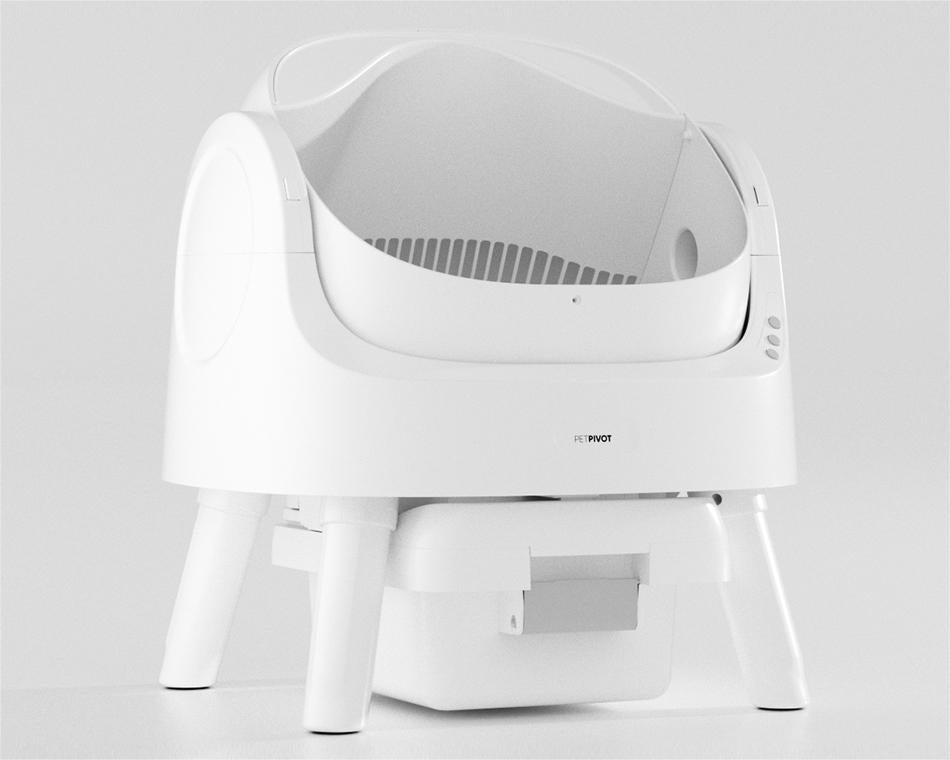
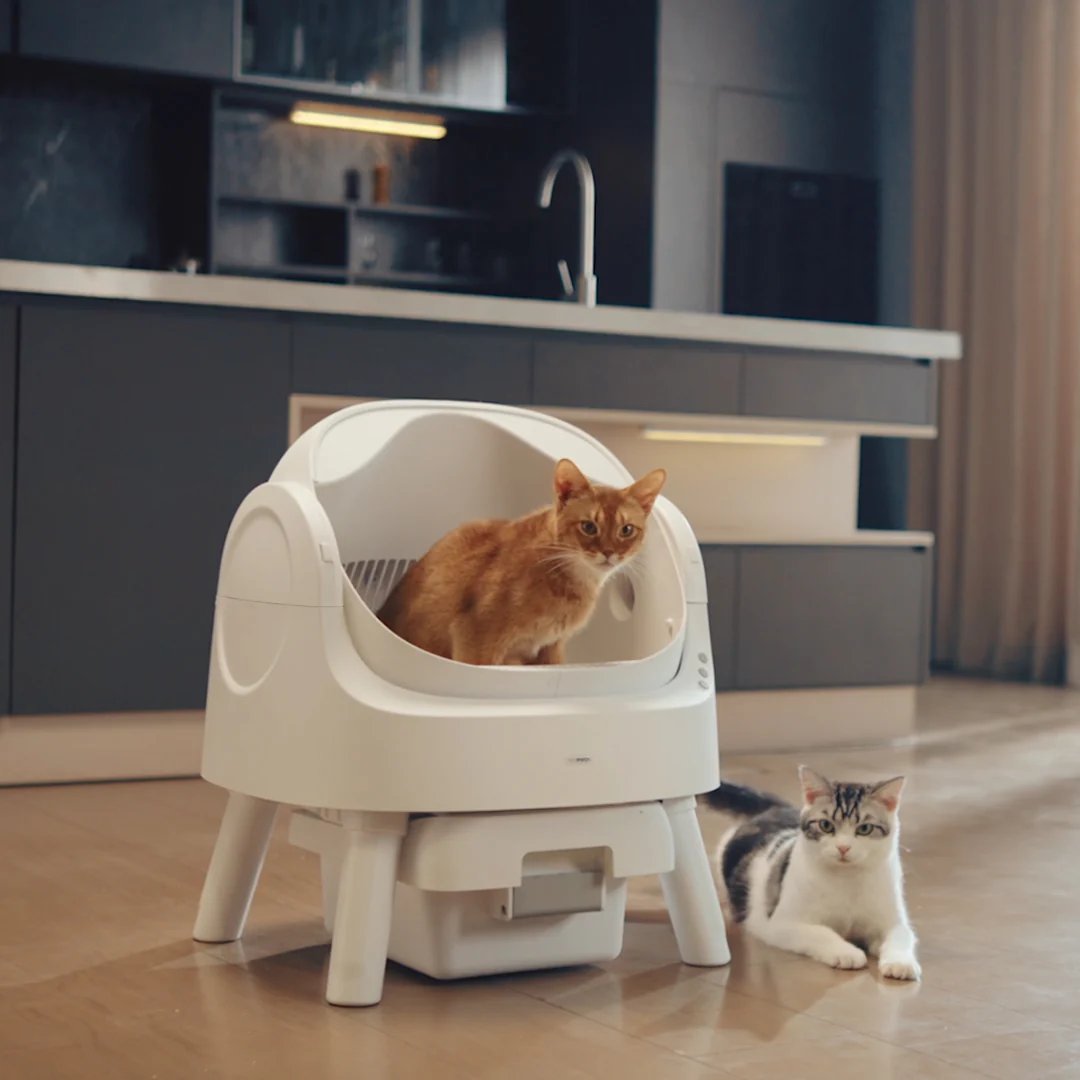
Die PetPivot AutoScooper-Modelle verwenden ein offenes Format mit direkten Bedienelementen und ohne erforderliche App. Dies mag für Besitzer passen, die einen sichtbaren Zugang wünschen, und für Katzen, die einen weniger geschlossenen Bereich komfortabel nutzen. Es ist kein Beweis dafür, dass jede Katze offene Designs bevorzugt.
Prüfen Sie die AutoScooper 11 Produktdetails und AutoScooper 12 Lite Produktdetails für aktuelle Maße, Betriebsgrenzen und Einrichtung. Folgen Sie der PetPivot AutoScooper Bedienungsanleitung für Ihr Modell.
|
|
|


Offizielle PetPivot Produktbilder. Bestätigen Sie vor Veröffentlichung die aktuelle Produktseite und Modellanleitung.
Eine praktische Entscheidungsregel
Wählen Sie ein offenes Modell, wenn Sichtbarkeit, Bewegungsfreiheit und leichte Inspektion ein echtes Bedürfnis von Katze oder Besitzer erfüllen. Wählen Sie eine geschlossene Toilette, wenn die Katze das Umschlossene bereits akzeptiert und das spezifische Modell genügend Platz, Belüftung und einen freien Ausgang bietet. Lehnen Sie in beiden Fällen ein Modell ab, das zu eng, schwierig zu reinigen, inkompatibel mit dem Streu oder in der Bedienung unklar ist.
Bereit, eine offene Option zu vergleichen? Durchsuchen Sie PetPivot automatische Katzentoiletten und verifizieren Sie vor dem Kauf das aktuelle Modellhandbuch.
Häufig gestellte Fragen
Bevorzugen die meisten Katzen offene oder geschlossene automatische Katzentoiletten?
Es gibt keinen universellen Gewinner. Kontrollierte Studien fanden keine allgemeine Gruppenpräferenz zwischen abgedeckten und offenen Modellen, während einzelne Katzen in derselben Studie unterschiedliche Designs bevorzugten.
Wie prüfe ich, ob ein geschlossenes Modell groß genug ist?
Messen Sie den nutzbaren Raum, den die Katze erlebt, nicht nur die Außenmaße des Produkts.
- Messen Sie die Öffnung an der engsten Stelle.
- Prüfen Sie die nutzbare Länge und Breite des Streubereichs nach dem Einbau der Innenteile.
- Lassen Sie genügend Höhe und Drehfreiraum für eine normale Haltung beim Graben und Ausscheiden.
- Stellen Sie sicher, dass die Katze den Ausgang sehen oder erreichen kann, ohne in eine enge Sackgasse zurückzusetzen.
Ist eine geschlossene Toilette automatisch besser bei Geruch und Streuverteilung?
Nein. Eine Abdeckung kann etwas Streu zurückhalten und verändern, wie Gerüche den Raum erreichen, aber sie kann Gerüche auch im Raum der Katze binden.
- Geschwindigkeit der Abfallbeseitigung und Wartung der Schublade beeinflussen den Geruch direkter.
- Streustruktur, Platzierung der Matte und Grabstil der Katze beeinflussen die Streuverteilung.
- Reinigung und Belüftung bleiben bei beiden Designs notwendig.
Was, wenn eine andere Katze oder ein Hund den Eingang blockiert?
Betrachten Sie einen blockierten Zugang als Ressourcenproblem, nicht als Ungehorsam. Stellen Sie die Toilette weg von Ecken oder Engpässen, erhalten Sie mehr als einen Zugangsweg und bieten Sie zusätzliche Toilettenstandorte an, die nicht alle bewacht werden können.
Wie sollte ich testen, welches Design meine Katze akzeptiert?
Führen Sie einen einfachen Präferenztest durch, anstatt mehrere Variablen gleichzeitig zu ändern.
- Bieten Sie saubere Optionen mit ähnlicher nutzbarer Größe an.
- Verwenden Sie dasselbe bekannte Streu und eine vergleichbare Streutiefe.
- Halten Sie Standort und Reinigungsqualität so ähnlich wie möglich.
- Verfolgen Sie tatsächliche Ausscheidungen, Zögern, Haltung und Ausgangsverhalten für jede Katze.
Quellen und Nachweise
- PetPivot AutoScooper Bedienungsanleitung - Einrichtung, Streu, Übergang, Wartung, Anzeigen und Betriebsgrenzen für AutoScooper 12.
- PetPivot AutoScooper 11 Produktseite - Offizielle Produktseite und Originalbild.
- PetPivot AutoScooper 12 Lite Produktseite - Offizielle Produktseite und Originalbild.
- FelineVMA: 2014 AAFP/ISFM Leitlinien bei Unsauberkeit - Klinischer Rahmen zur Optimierung der Katzentoiletten-Einrichtung und feline Umweltbedürfnisse.
- Präferenz bei Katzentoiletten: abgedeckt vs. offen - Kleine kontrollierte Studie, die keine allgemeine Gruppenpräferenz und bedeutsame individuelle Unterschiede berichtet.
You may also like

AutoScooper 12 Lite Katzentoilette

AutoScooper 12 Lite Katzentoilette

AutoScooper 12 Einstreu-Pads – 2er-Pack

AutoScooper 12 Abfallbeutel – 60 Stück


Further reading
Smart Litter Box Features Worth Paying For, and the Ones You Can Skip
How Do Self Cleaning Litter Boxes Work? Rake, Rotating and Sifting Designs Explained
Automatic Kitty Litter Box: Weight Limits, Sensors and Setup for Small Cats