Automatic Kitty Litter Box: Weight Limits, Sensors and Setup for Small Cats

About the Author
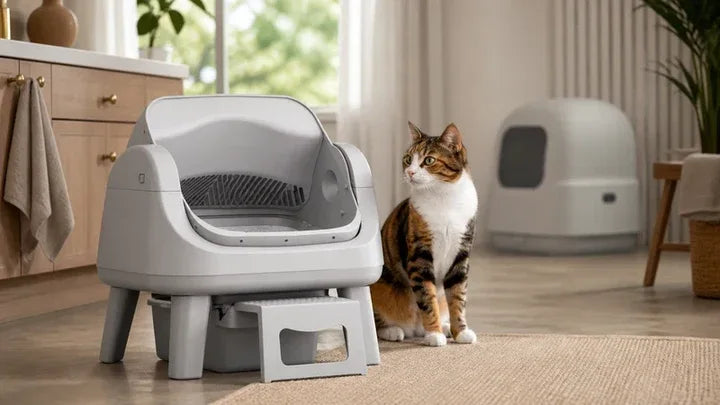
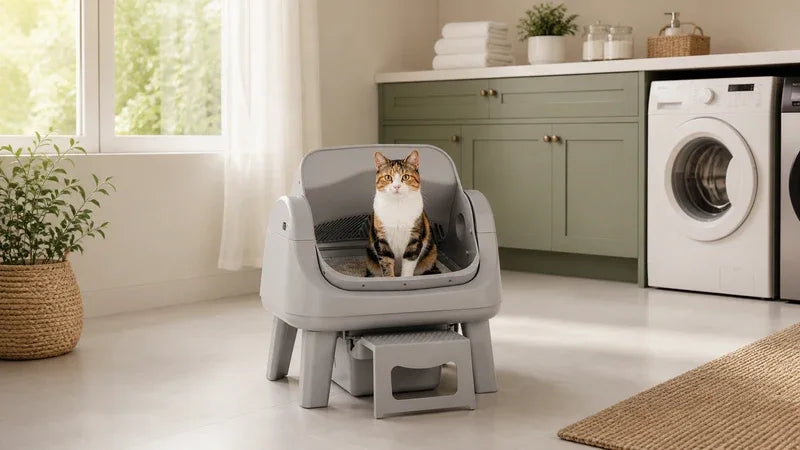
Kittens and small cats can use an automatic kitty litter box, but not in auto mode from day one. Your pet has to grow to meet the minimum age and weight requirements (minimum age and weight requirements for the AutoScooper 12 Lite are 6 months and 3 pounds, respectively). However, your cat can use the box in Manual mode, which means it will be cleaned automatically after pressing a button. The limitations mentioned above are caused by two facts: first, weight sensors require a certain amount of mass in order to work, so a 2-pound cat may not be registered by the sensors. Second, kittens spend time in the litter pan differently compared to adult cats. That is why different manufacturers specify different minimum age and weight requirements (anywhere from 2.5 to 5.5 pounds), and the requirements that matter are in your box’s manual. Why Kittens and Small Cats Need Different Rules An automatic box runs on a simple loop: notice the cat, wait for it to leave, then clean. Every step depends on the machine knowing a cat is there. A large adult is easy to detect. A 2 lb kitten that darts in, sits on the edge or naps in the litter is not. That's why small cats get their own rules. They're about detection and behavior, not about whether automatic boxes are safe in general. For the bigger safety picture, including red flags and health monitoring, see our guide on whether automatic litter boxes are safe. Minimum Weight and Age: What the Limits Mean The two limits do different jobs, and your kitten needs to clear both. Limit Why it exists AutoScooper 12 Lite Minimum weight Weight sensors need enough mass to register the cat 3 lb Minimum age Young kittens linger, dig and climb, and their habits aren't settled yet 6 months Pregnant or nursing cats Longer visits, with kittens close by Manual mode Below either limit Auto cleaning shouldn't run Manual mode Search around and you'll find limits from 2.5 lb to 5.5 lb, and from 8 weeks to 6 months. They differ because every brand's sensors differ. The only numbers that count are the ones in your model's manual. Weigh your kitten on a kitchen or baby scale instead of guessing. How Automatic Litter Box Sensors Detect a Small Cat 1. Infrared Beams at the Entrance A body breaking the beam tells the box a cat has arrived. Where the beams sit decides how small a cat they can catch. The 12 Lite uses 6 infrared pairs across the entrance. 2. Weight Sensors Under the Litter Bed These register the cat's mass on the litter. Pressing Litter Added after a top up resets them. A very light kitten may not register at all. 3. Position Sensors on the Drum The 12 Lite's 4 Hall sensors track where the drum is, not where the cat is. A 30° limiter and anti pinch protection add a mechanical backup if a cycle is interrupted. 4. Why a Small Cat Can Slip Past A kitten under the weight minimum may not register, so auto cleaning waits until it qualifies. Even then, the 12 Lite waits about 2 minutes after the cat leaves and gives the litter 5 minutes to clump before it moves. Adding more sensors doesn't help a cat that's too light to register. The minimum weight is the safety feature. Automatic Kitty Litter Box Timeline by Age Advice online jumps between ages and weights. This table puts the box, the mode and the next step for each stage in one place. Age Typical stage Box Mode What to do Under 8 weeks Learning to dig and bury Low sided regular tray Off Unscented, fine litter; trays in easy reach 8 weeks to 3 months Reliable tray use, still very light Regular tray, with the automatic unit unplugged nearby Off Let your kitten explore the unit like furniture 3 to 6 months Growing, curious, climbing Automatic box used as a normal tray Manual Run cycles by hand once the kitten has left the room 6 months and 3 lb or more Meets the 12 Lite minimums Automatic box Auto Switch over gradually and watch the first week Small adults and seniors May stay light or lose weight Automatic box plus a regular tray Auto or Manual Weigh every few months, add the step, keep a backup tray Veterinary advice on kitten litter training recommends lower sided boxes for kittens, with unscented, fine grit litter. That's why the early stages stay with a regular tray, and why automatic kitty litter cleaning comes last. How to Set Up Manual Mode for a Kitten Manual mode lets your kitten use the box now while you decide when it cleans. On the AutoScooper 12 Lite, setup takes a few minutes. 1. Turn it on and wait for around two minutes for the drum to get aligned. Do not touch any button during this time. 2. Put in some granule clumping litter between the MIN and MAX marks and push Litter Added button. 3. Press and hold the Clean button for five seconds till it beeps. Now the Manual Mode light will be on. 4. Once your kitten uses the box and goes out of the room, push Clean button for a cycle. 5. Place the old tray aside, and clean the waste bin every five days but not more than seven days. Switching From Manual to Auto Mode The kitten will be ready when it satisfies both criteria and uses the litter box without hesitation, as well as doesn't jump at the sound when you start the cycle. Do not change several aspects at once. According to PetPivot's advice, during days 1 to 6, you should alternate between two kinds of litter evenly. The cleaning mechanism can bother your cat; therefore, some owners note that the animal may attack the cleaning mechanism after the operation. Start the first few automatic cleaning cycles in your absence. The regular tray needs to remain in use until your kitten is comfortable using an automatic box for at least a week. If a kitten that was doing well suddenly avoids both boxes, don't blame the machine first. Medical causes of litter box problems are common enough that a vet visit should come before any setup change. Small Adult Cats, Seniors and Petite Breeds Some adult cats never get much bigger than a large kitten. If yours is close to 3 lb, weigh it and keep Manual mode on until it's clearly over the line. Seniors can drift the other way, losing weight or finding a 12.4 inch entrance harder to manage. The 12 Lite's front entry step helps short or stiff legs. Cornell's guide to caring for a new cat also notes that kittens and arthritic older cats may need a box with low sides, so a regular tray still has a place. One owner with six cats runs three automatic boxes but keeps a normal tray just for her senior. Automation doesn't have to be all or nothing. Choosing Litter for a Kitten in an Automatic Box The automatic box sets the litter rules. The 12 Lite needs small granule clumping clay, and crystal, non clumping and long strip tofu litters don't work in it. Our guide to the best litter for PetPivot AutoScooper covers what fits. Kittens will taste the litter while they are still learning. Pay special attention in the early days. In case the kitten continues eating the litter, revert to the normal litter box filled with litter recommended by your vet. Check with your vet If your kitten keeps eating litter, vomits, strains in the box or stops eating, call your vet. Veterinary guidance on constipation lists eating indigestible material among the causes. What Makes the Best Automatic Kitty Litter Box for Small Cats The best automatic kitty litter box for a small cat is the one built with small cats in mind. Check these before you buy. Check Why it matters for small cats Red flag Published minimum weight and age Shows the sensors were designed around small cats No minimum stated Manual mode Lets a kitten use the box before it qualifies Auto only Cleaning delay Gives a curious kitten time to leave Cycle starts right away Entrance height and step Short legs need an easy way in High lip, no step option Open exit during the cycle Nothing closes around the cat Entrance closes during cleaning Interior size for the adult cat Kittens grow, so buy for the adult Fits the kitten only Return window Some kittens never accept a moving box No returns once used Owners who've stretched out a growing male in a cramped box say interior room is the spec they'd check first next time. Compare sizes across the AutoScooper range. FAQs Can kittens use automatic litter boxes? Yes, with limits. A kitten can use the box as a normal tray in Manual mode from a few months old. Auto cleaning should wait until it meets the model's minimums, 3 lb and 6 months for the 12 Lite. How old does a kitten have to be to use an automatic litter box? It depends on the model. Brands range from about 3 to 6 months for auto mode. The AutoScooper 12 Lite sets 6 months and 3 lb, and earlier use should stay in Manual mode. Can an 8 week old kitten use an automatic litter box? Not in auto mode. At 8 weeks a kitten is too light for most weight sensors and still learning tray habits. Use a low sided regular tray, and let the kitten explore the unplugged unit. What happens if my cat is too light for the sensors? The box may not register the visit, so the timing of the cycle can't be trusted. That's why cats under the minimum should use Manual mode, where you start every cycle yourself. Can kittens get trapped in an automatic litter box that self-cleans? The design of the box stops its action once the cat reenters and keeps the exit open. However, a kitten that does not weigh enough will not register, so use the Manual setting and cycle only after it has left the room. Should I use two litter boxes while transitioning? Yes. Maintain the original litter box until your kitten uses the automated box comfortably for around a week. Is there anything good about having an automatic litter box for a kitten? Yes, but only if you will have it all through your cat’s lifetime. Many people say that this is what makes caring for cats possible because either they don’t scoop the box regularly or find it difficult to bend. But what if my cat is afraid of the automatic litter box? Take it slowly then. Change to Manual mode, cycle only when the cat is not in the room, and leave the usual tray within reach. Do not confine your cat inside it or block its exit.
Why Kittens and Small Cats Need Different Rules
Minimum Weight and Age: What the Limits Mean

|
Limit
|
Why it exists
|
AutoScooper 12 Lite
|
|
Minimum weight
|
Weight sensors need enough mass to register the cat
|
3 lb
|
|
Minimum age
|
Young kittens linger, dig and climb, and their habits aren't settled yet
|
6 months
|
|
Pregnant or nursing cats
|
Longer visits, with kittens close by
|
Manual mode
|
|
Below either limit
|
Auto cleaning shouldn't run
|
Manual mode
|
How Automatic Litter Box Sensors Detect a Small Cat
1. Infrared Beams at the Entrance
2. Weight Sensors Under the Litter Bed
3. Position Sensors on the Drum

4. Why a Small Cat Can Slip Past
Automatic Kitty Litter Box Timeline by Age
|
Age
|
Typical stage
|
Box
|
Mode
|
What to do
|
|
Under 8 weeks
|
Learning to dig and bury
|
Low sided regular tray
|
Off
|
Unscented, fine litter; trays in easy reach
|
|
8 weeks to 3 months
|
Reliable tray use, still very light
|
Regular tray, with the automatic unit unplugged nearby
|
Off
|
Let your kitten explore the unit like furniture
|
|
3 to 6 months
|
Growing, curious, climbing
|
Automatic box used as a normal tray
|
Manual
|
Run cycles by hand once the kitten has left the room
|
|
6 months and 3 lb or more
|
Meets the 12 Lite minimums
|
Automatic box
|
Auto
|
Switch over gradually and watch the first week
|
|
Small adults and seniors
|
May stay light or lose weight
|
Automatic box plus a regular tray
|
Auto or Manual
|
Weigh every few months, add the step, keep a backup tray
|
How to Set Up Manual Mode for a Kitten
-
1. Turn it on and wait for around two minutes for the drum to get aligned. Do not touch any button during this time.
-
2. Put in some granule clumping litter between the MIN and MAX marks and push Litter Added button.
-
3. Press and hold the Clean button for five seconds till it beeps. Now the Manual Mode light will be on.
-
4. Once your kitten uses the box and goes out of the room, push Clean button for a cycle.
-
5. Place the old tray aside, and clean the waste bin every five days but not more than seven days.
Switching From Manual to Auto Mode
Small Adult Cats, Seniors and Petite Breeds

Choosing Litter for a Kitten in an Automatic Box
|
Check with your vet
If your kitten keeps eating litter, vomits, strains in the box or stops eating, call your vet. Veterinary guidance on constipation lists eating indigestible material among the causes.
|
What Makes the Best Automatic Kitty Litter Box for Small Cats
|
Check
|
Why it matters for small cats
|
Red flag
|
|
Published minimum weight and age
|
Shows the sensors were designed around small cats
|
No minimum stated
|
|
Manual mode
|
Lets a kitten use the box before it qualifies
|
Auto only
|
|
Cleaning delay
|
Gives a curious kitten time to leave
|
Cycle starts right away
|
|
Entrance height and step
|
Short legs need an easy way in
|
High lip, no step option
|
|
Open exit during the cycle
|
Nothing closes around the cat
|
Entrance closes during cleaning
|
|
Interior size for the adult cat
|
Kittens grow, so buy for the adult
|
Fits the kitten only
|
|
Return window
|
Some kittens never accept a moving box
|
No returns once used
|
FAQs
Can kittens use automatic litter boxes?
How old does a kitten have to be to use an automatic litter box?
Can an 8 week old kitten use an automatic litter box?
What happens if my cat is too light for the sensors?
Can kittens get trapped in an automatic litter box that self-cleans?
Should I use two litter boxes while transitioning?
Is there anything good about having an automatic litter box for a kitten?
But what if my cat is afraid of the automatic litter box?




You may also like

AutoScooper 11 Cat Litter Box

AutoScooper 11 Cat Litter Box


AutoScooper 11 Litter Base Bed – 2 Pack

AutoScooper 11 Waste Bags – 60 Count

Further reading
Smart Litter Box Features Worth Paying For, and the Ones You Can Skip
How Do Self Cleaning Litter Boxes Work? Rake, Rotating and Sifting Designs Explained
Automatic Kitty Litter Box: Weight Limits, Sensors and Setup for Small Cats