
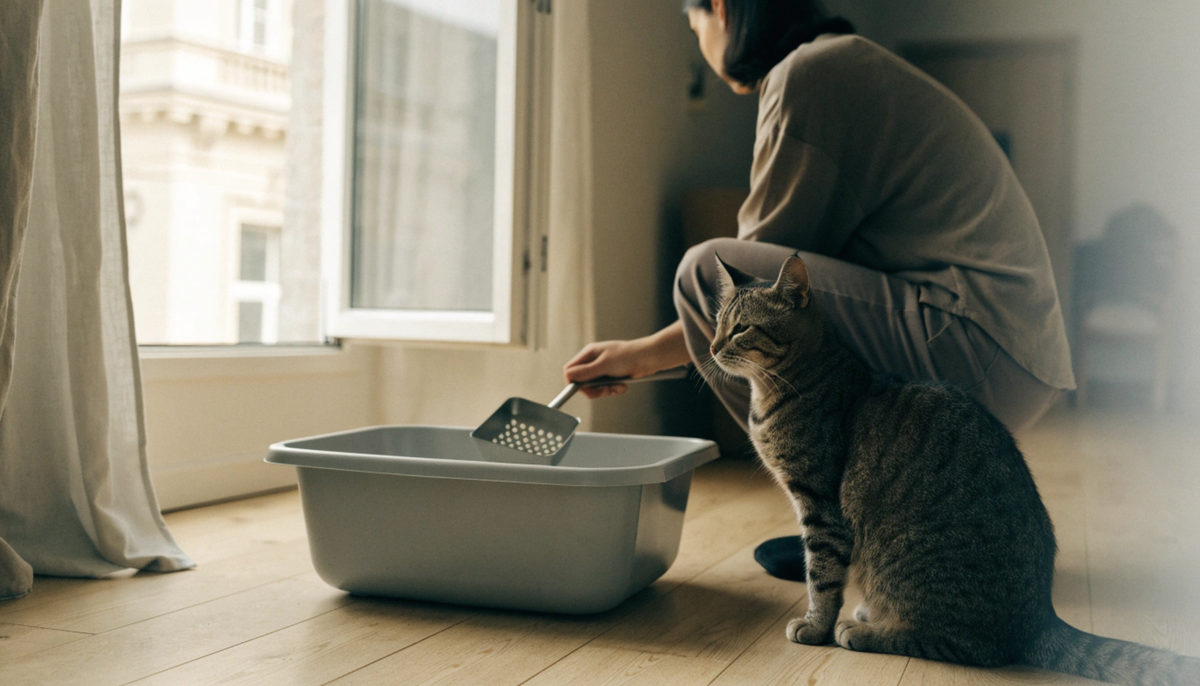
Why Does Cat Poop Smell So Bad? 8 Real Causes and Quick Fixes

About the Author
Cat poop is supposed to smell. Not much comfort at 3 am when it wakes you from the other end of the flat, but worth knowing before you start swapping foods. Cats are obligate carnivores. They digest meat quickly; very little fiber goes through, and the leftovers get broken down into sulfur compounds that human noses are wired to hate. So a baseline stink comes with the animal. A smell that clears a room, hangs around an hour later, or turned up out of nowhere last week is telling you something else. The Ohio State Indoor Pet Initiative advises scooping at least once a day, and that one habit settles more odor complaints than anything sold in a spray bottle. What follows: eight causes, from a rushed food change through parasites and anal glands, what helps today, and the signs that mean a vet. Smell on its own diagnoses nothing, so color, texture, and your cat's behavior all matter more. What normal cat poop looks and smells like Brown, somewhere between mid and dark. Firm enough to hold together on the scoop without being dry or crumbly. Once or twice a day suits most adult cats, though plenty of healthy ones sit a bit above or below that and always have. Your cat's own pattern is the benchmark, not a number from an article. Odor should be obvious for a couple of minutes and then go. If it fills the room and still lingers later, something has shifted. Why cat poop smells at all Bacteria in the gut ferment whatever the food left behind, and gas is the by-product. Skatole does most of the damage and gives feces the smell everyone recognizes. Hydrogen sulfide adds rotten egg. Mercaptans throw in garlic and skunk. Unpleasant, not harmful at the levels you meet in a bedroom. Cats also run a short gut with almost no fiber passing through, so what lands in the tray is concentrated. Dog stool is bulkier and more diluted, which is why it usually smells less. 1. A recent food change Nine times out of ten, this is where it starts, and it is the cheapest thing to rule out. When you change food fast, gut bacteria need a week or two to catch up. In the meantime, stool goes softer and louder, even when the new food is perfectly good. Stretch the switch over seven to ten days, adding a little more of the new food each morning. If the smell arrives within days of a new bag, you have your answer. 2. A food that does not suit your cat Two cats, one bowl, completely different results. Happens constantly. An intolerance and an allergy are not the same problem. Intolerance shows up in the tray as wind and soft, foul stool. An allergy is more likely to show on the skin, with scratching around the face and ears. Heavy legume content, very rich fatty recipes, and three or four proteins crammed into one formula give some cats trouble. A premium label guarantees nothing about whether your particular cat digests it. 3. Something else they are eating Check this before you blame the main food, because it costs nothing. Treats, scraps off your plate, dairy, the dog bowl, anything caught outdoors. All of it changes stool. So does a cat quietly working through a houseplant or the corner of a cardboard box. Count the treats honestly for one week. Most of us are out by half. 4. Gut bacteria out of balance Every cat carries a slightly different mix of gut bacteria, and some simply run smellier than others with nothing wrong at all. A course of antibiotics shifts that balance for weeks afterward. So does stress, because it changes how fast things move through the gut. If the smell started after a house move, a new baby or a new pet, stress and litter box changes are worth a read. Probiotics help some cats and do nothing for others. Ask your vet first, then give any trial three or four weeks before you judge it. 5. Intestinal parasites Giardia, Coccidia, roundworms and the rest. Any of them can produce genuinely foul stool, usually loose or coated in mucus. Living indoors does not rule it out. Parasites arrive on shoes, in the soil around plant pots, on fleas, and in prey another pet drags home. A stool sample settles the question for the price of a cheap test. Worth doing early rather than after three months of trying different bags. 6. Infection or a digestive condition Gut infections, inflammatory bowel disease, and trouble absorbing fat or starch can all turn stool rancid. These rarely travel alone. Weight loss, vomiting, a dull coat, or stool that keeps changing week to week. Foul smell by itself, in a cat that is bright and eating well, is far less alarming. Anything that keeps coming back needs looking into, not managed around. Our notes on day-to-day health signs to watch cover what else to monitor between visits. 7. Anal glands Missed constantly, this one, because it does not smell like poop at all. Anal gland fluid is sharp and fishy. If that is closer to what you are smelling, and your cat is scooting along the carpet, licking under the tail, or looking uncomfortable, the glands are the likely source. Leave them alone. Expressing glands at home is easy to do wrong, and an infected or abscessed gland needs proper treatment. 8. Medication and supplements Antibiotics are the obvious one. They flatten the useful bacteria along with whatever they were prescribed for. Iron, some vitamin supplements, and certain prescription diets change stool odor too. If the timing lines up with a new medication, ring the vet who prescribed it rather than stopping the course yourself. Does high protein food make poop smell worse? Partly true, and badly oversimplified everywhere you look. Protein breakdown does produce more sulfur compounds, so a meat-heavy diet gives stronger stool than a grain-heavy one. Normal. Not a fault in the food. Digestibility is the bit that gets left out. Two foods can both print 40 percent protein on the bag while one leaves far more residue for bacteria to work on. That number tells you nothing about which is which. Watch the volume instead. Big stools mean more food is passing straight through, and that is what you should change. What different smells might mean Use this to look closer, never to diagnose. What you notice Often linked to What to do Mild, fades in minutes Normal digestion Nothing, keep scooping daily Strong for days after a food change Diet transition Slow the switch down, watch consistency Sour or fermented Loose stool, gut upset Watch closely, call if it lasts 48 hours Rotten and unusually foul Possible infection or parasites Book a stool test Fishy, not really stool at all Anal gland material Vet visit, do not press the glands yourself Metallic, with dark stool Possible blood Call the vet the same day Color and texture carry more information than smell does. Black and tarry, red streaks, pale or grey, or a mucus coating all justify a phone call. Pale gums on top of that are urgent, and our gum color chart shows what to compare against. The litter box half of the problem A good share of smelly poop complaints turn out to be complaints about how long it sat there. Unburied stool doubles it. Leave the surface open to the air and the same stool smells twice as bad. Cats stop covering for practical reasons more often than stubborn ones: a tray too small to turn round in, litter they dislike underfoot, or one bad fright in there months ago. Dirty litter makes fresh stool worse. Old urine in the bed and residue down the seams give every new deposit a head start. Scoop daily and wash the box on a schedule based on your cat count. Daily removal is hygiene, not just smell. The CDC points out that Toxoplasma shed in cat feces takes one to five days to become infectious, so clearing the tray daily gets it out before that window opens. Litter choice shortens the exposure. Nothing on the shelf stops fresh stool from smelling. A fast, firm clumping litter that sealswaste quickly lets you lift the whole thing out intact instead of breaking it apart, and that is the part that helps. Would an automatic box help? Waste drops into a sealed drawer minutes after your cat steps out, so the room clears faster. The drawer then becomes the thing you stay on top of. People running an automatic box that scoops after each visit still empty weekly. How to cut the smell today Scoop it straight out. Covering hides it from you, not from the air. Bag the waste in something that seals and get it out of the kitchen bin. Open a window. Ventilation beats every product sold for this and costs nothing. For anything that reached the floor, use an enzymatic cleaner made for pet waste. Enzymes break the compounds apart, whereas ordinary cleaners spread them around more thinly. Go easy on fragrance. It covers rather than removes, and a strongly scented tray is a common reason cats stop using one. Placement matters too, especially with covered trays versus open ones. When to call the vet Book an appointment if the smell comes with any of these. Diarrhea past 24 to 48 hours. Blood, mucus, or stool gone black and tarry. Vomiting. Weight coming off. Appetite or energy dropping away. Straining, crying in the tray, or going on the floor when that is not like them. Scooting, swelling or discharge round the back end. Anything that looks like a worm. Kittens, older cats, and cats already managing a condition go downhill faster, so move their appointment up. VCA Animal Hospitals covers the medical reasons behind sudden changes in toilet habits. What to write down before the appointment Vets hear it smells terrible several times a week. Specifics are worth far more, and this is the step almost everyone skips. Roughly when it started, and any food, treat, or supplement that changed in the month before. Color and texture, plus a dated photo. How often your cat goes now against how often before. Anything else that moved: appetite, water intake, weight, energy, grooming. Bring a fresh sample if the clinic asks for one. Final takeaway Start with the dull explanations. Food swapped too fast, treats nobody counted, or a tray scooped every other day covers most cases. Diet steady and box clean already? Get the stool tested before you start buying different bags. Parasites are common, cheap to check for, and easy to walk straight past. Manage the room smell while you work it out. Just don't let a good air purifier cover up a change you ought to act on. For setup questions, visit our help center. FAQS How do I stop my cat's poop from smelling so bad? Find the cause, then deal with the room. Slow any food change to seven to ten days and cut the treats back. If the diet hasn't changed, get a stool test. Meanwhile, scoop it up as soon as it happens, bag the waste somewhere sealed, open a window, and use an enzymatic cleaner on anything that reached the floor. Is stinky cat poop healthy? Some smell is normal and always will be. Change is what matters. Odor that suddenly gets worse, or foul stool sitting alongside diarrhea, blood, mucus, vomiting, weight loss or flatness, is a reason to book a vet rather than buy a stronger deodorizer. Is cat poop toxic to smell? The smell will not poison you. Contact is the actual risk. Toxoplasma in feces takes one to five days to become infectious, so scooping daily and washing your hands afterward handles most of it. If you are pregnant, have somebody else do it. Why is cat poop smellier than dog poop? Short gut, almost no fiber, and a diet built on meat. Protein and fat break down fast and leave concentrated waste full of sulfur compounds. Dogs eat more carbohydrates, which bulk up stool and water down the smell. Cat urine adds ammonia to the same tray. How long will cat poop smell last? Anything from ten minutes to well over an hour, depending on airflow. Buried goes quicker. Waste sitting in a bin or drawer keeps releasing odor until you take it out, and dried urine in a seam or carpet can outlast the poop by weeks. What kills the smell of poop? Removal first, airflow second, enzymes third. Get it out of the house, open a window or run a filter, then treat the surface with an enzymatic pet cleaner. Sprays only mask the smell, and a strong scent near the tray can put a cat off using it. What is the best cat food to help reduce stinky poop? No single brand wins this. You want a complete, balanced food your cat digests well, and the evidence is smaller, firmer stools rather than a number printed on the bag. Sensitive stomach formulas suit a lot of cats. Change one thing at a time, and give it three to four weeks. How often should a cat poop per day? Once or twice a day for most adults, and more for kittens. Some healthy cats sit just outside that and always have. The change is what counts. Much more frequent straining, or nothing at all for over 48 hours, deserves a call. Can litter make cat poop smell worse? It can. Saturated litter, a bed too shallow to bury in, and a box nobody has washed all give fresh waste something to build on. Firm clumping makes waste easier to lift out whole. Nothing stops fresh stool smelling, so speed of removal beats brand choice. My cat will not bury their poop, and it stinks. Why? Usually the box, not the cat. Too small to turn round in, litter they dislike underfoot, not enough depth to dig properly, or one bad experience in that spot. Uncovered stool smells noticeably worse, so sorting the tray out often sorts the smell. General information here, not veterinary advice. If your cat's stool, appetite, weight, or toilet habits change and stay changed, see a licensed veterinarian. Sources Centers for Disease Control and Prevention, Preventing Toxoplasmosis (2024) VCA Animal Hospitals, Cat Behavior Problems: House Soiling (2024) Cornell Feline Health Center, Choosing and Caring for Your New Cat (2024) The Ohio State University Indoor Pet Initiative, Litter Boxes (2024) International Cat Care, Choosing a Litter Tray for Your Cat (2024) American Association of Feline Practitioners, AAFP and ISFM Feline Environmental Needs Guidelines (2013) Journal of Feline Medicine and Surgery, AAFP and ISFM Feline Environmental Needs Guidelines (2013)
What normal cat poop looks and smells like

Why cat poop smells at all
1. A recent food change

2. A food that does not suit your cat

3. Something else they are eating

4. Gut bacteria out of balance

5. Intestinal parasites

6. Infection or a digestive condition

7. Anal glands

8. Medication and supplements

Does high protein food make poop smell worse?
What different smells might mean

|
What you notice
|
Often linked to
|
What to do
|
|
Mild, fades in minutes
|
Normal digestion
|
Nothing, keep scooping daily
|
|
Strong for days after a food change
|
Diet transition
|
Slow the switch down, watch consistency
|
|
Sour or fermented
|
Loose stool, gut upset
|
Watch closely, call if it lasts 48 hours
|
|
Rotten and unusually foul
|
Possible infection or parasites
|
Book a stool test
|
|
Fishy, not really stool at all
|
Anal gland material
|
Vet visit, do not press the glands yourself
|
|
Metallic, with dark stool
|
Possible blood
|
Call the vet the same day
|
The litter box half of the problem
Unburied stool doubles it.

Dirty litter makes fresh stool worse.
Daily removal is hygiene, not just smell.
Litter choice shortens the exposure.

Would an automatic box help?

How to cut the smell today

When to call the vet
What to write down before the appointment
 Vets hear it smells terrible several times a week. Specifics are worth far more, and this is the step almost everyone skips.
Final takeaway
FAQS
How do I stop my cat's poop from smelling so bad?
Is stinky cat poop healthy?
Is cat poop toxic to smell?
Why is cat poop smellier than dog poop?
How long will cat poop smell last?
What kills the smell of poop?
What is the best cat food to help reduce stinky poop?
How often should a cat poop per day?
Can litter make cat poop smell worse?
My cat will not bury their poop, and it stinks. Why?
Sources
- Centers for Disease Control and Prevention, Preventing Toxoplasmosis (2024)
- VCA Animal Hospitals, Cat Behavior Problems: House Soiling (2024)
- Cornell Feline Health Center, Choosing and Caring for Your New Cat (2024)
- The Ohio State University Indoor Pet Initiative, Litter Boxes (2024)
- International Cat Care, Choosing a Litter Tray for Your Cat (2024)
- American Association of Feline Practitioners, AAFP and ISFM Feline Environmental Needs Guidelines (2013)
- Journal of Feline Medicine and Surgery, AAFP and ISFM Feline Environmental Needs Guidelines (2013)
You may also like

AutoScooper 12 Lite Cat Litter Box

AutoScooper 12 Lite Cat Litter Box

AutoScooper 12 Lite Cat Litter Box

AutoScooper 12 Lite Cat Litter Box-Gray

AutoScooper 12 Litter Base Bed – 2 Pack

AutoScooper 12 Waste Bags – 60 Count
Further reading
Why Does Cat Poop Smell So Bad? 8 Real Causes and Quick Fixes
How Long Can a Cat Go Without Pooping: Signs & Help
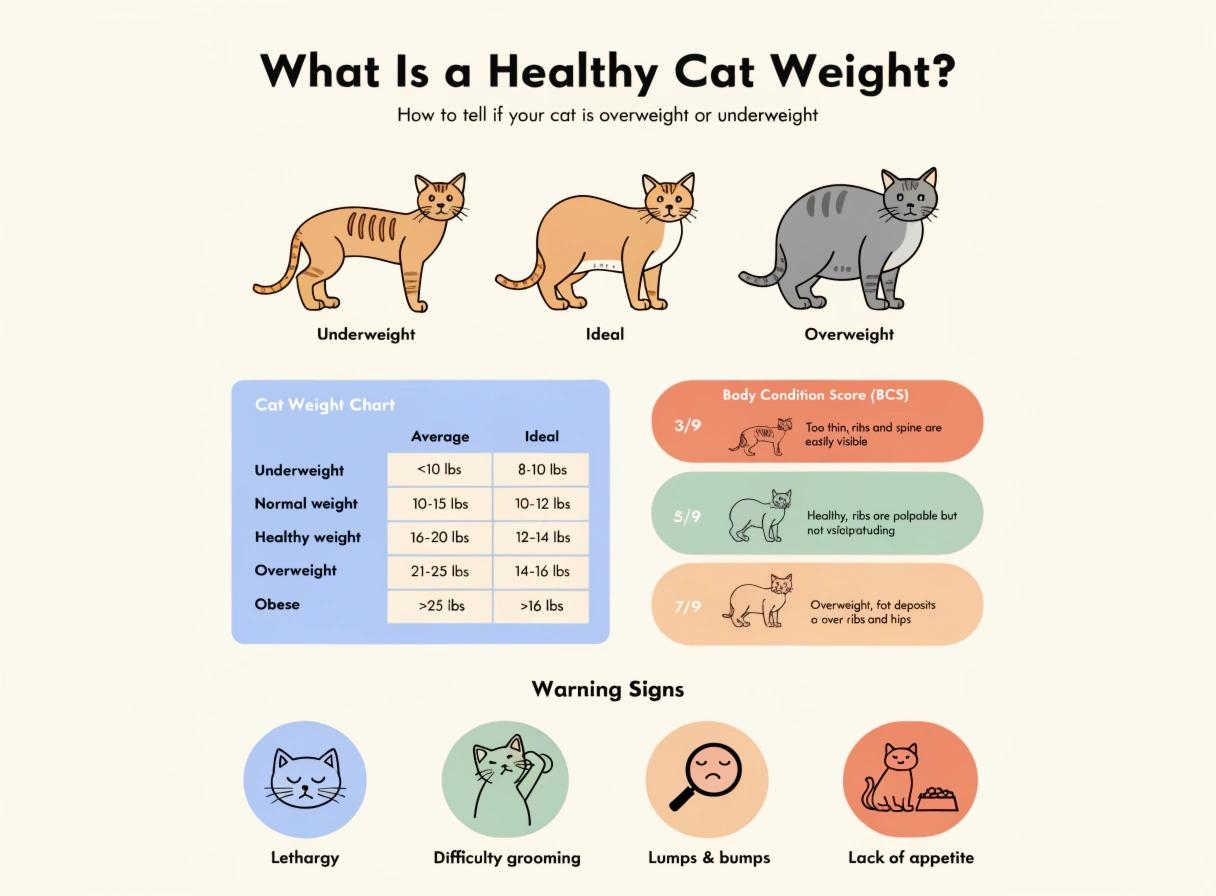
What Is a Healthy Cat Weight? Chart, Body Condition and Warning Signs
