





Low Entry Litter Boxes for Senior Cats, Kittens and Cats With Stiff Joints

About the Author
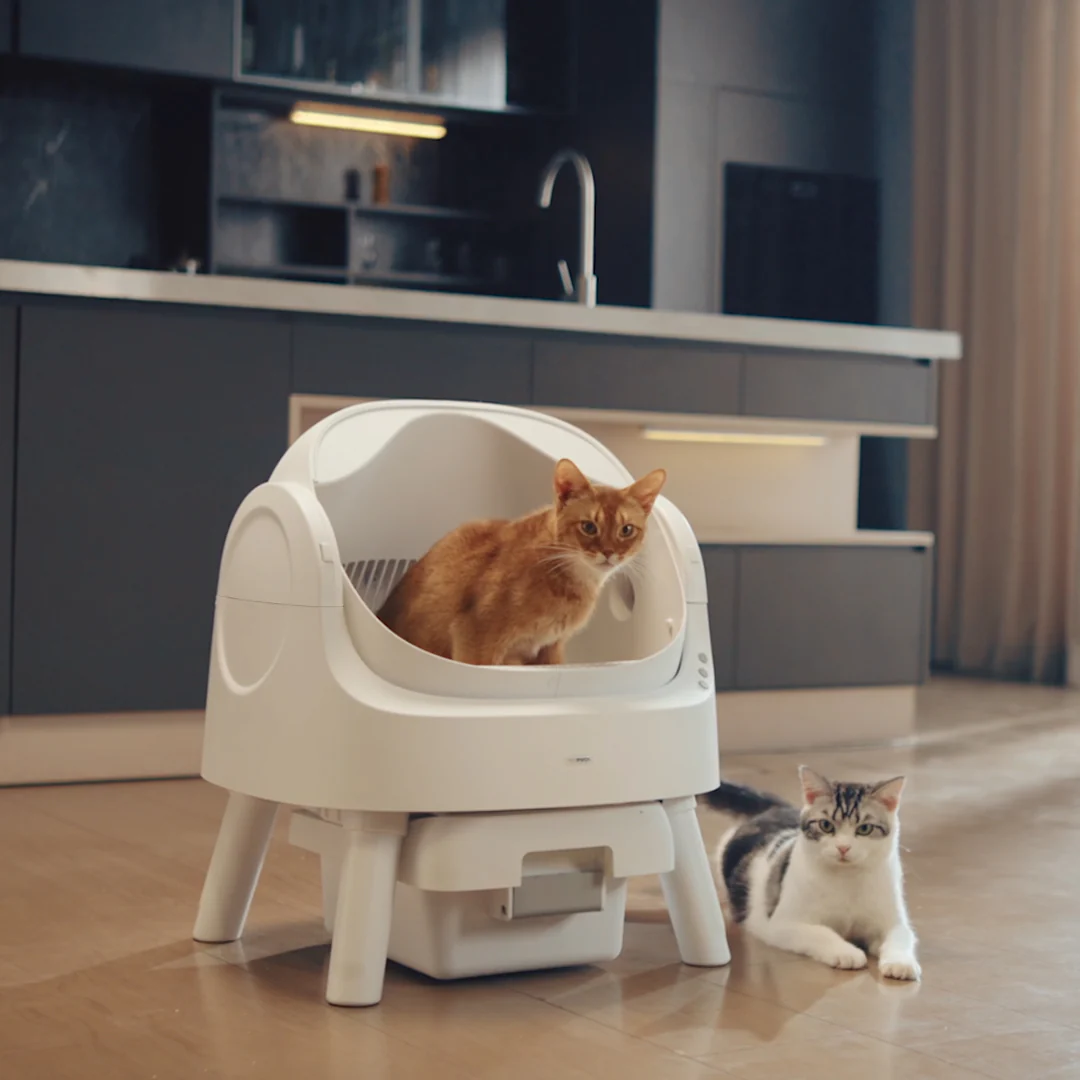
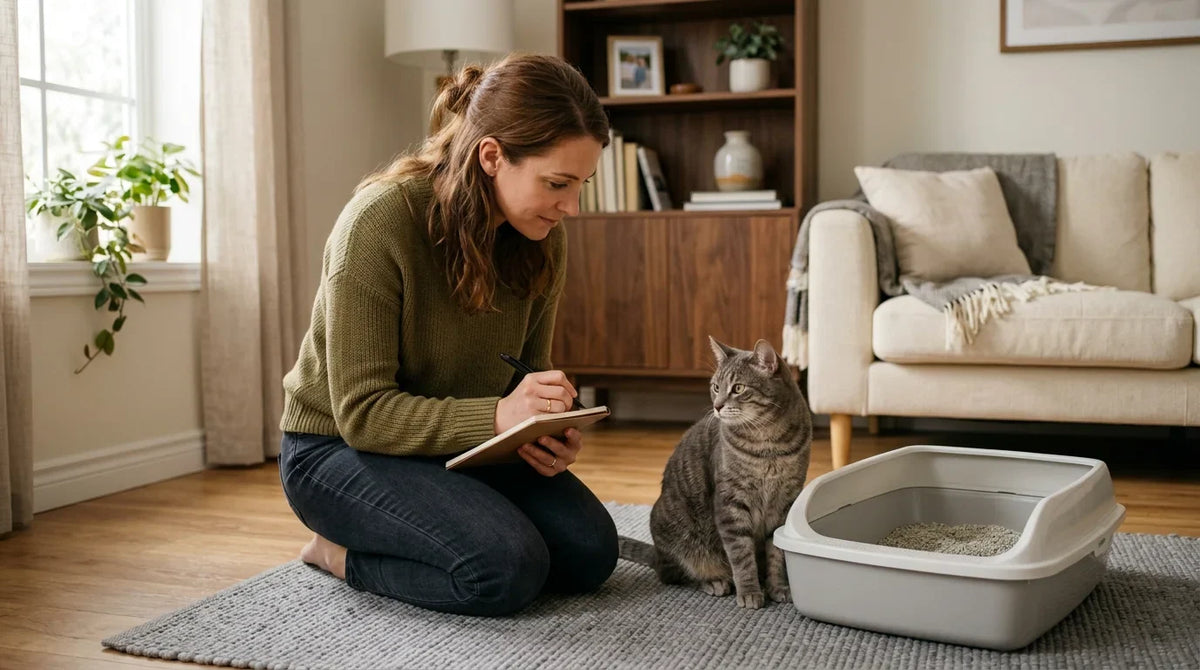
A low entry litter box has a front lip about 3 to 5 inches high, so your cat can walk in instead of hopping over the side. That range suits most senior cats and cats with stiff joints. Young kittens need low sides too, and veterinary advice from VCA Animal Hospitals recommends lower sided boxes for both kittens and older cats. But there's one catch. The same VCA advice calls for at least 3 inches of litter, and a box with low sides all round can't hold that. Look for a dropped front with a taller back. This guide covers heights, a checklist of signs to watch for, six box types, and what owners do when a cat still won't step in. What Height Counts as a Low Entry Litter Box? Most standard boxes have sides 5 to 7 inches tall. A low entry box drops the front well below that. Cat Entry height to look for Notes Healthy adult 5 to 7 in Standard boxes work fine Senior or stiff cat 3 to 5 in Most dropped entry boxes sit in this range Young kitten About 3 in or lower VCA advises lower sided boxes for kittens Cat that refuses any lip 1 in or a flat tray Owner tested; see the section on cats that won't step in Measure two things, not one. First, the lip height from the floor. Second, the drop from the lip down to the litter surface, since your cat has to step down into it. With a box having a 3-inch lip but only 1 inch of litter, you still have 2 inches to go down. It is advisable to fill the litter almost up to the lip and choose a box that remains high on its sides. Signs Your Cat Needs a Lower Entry: Observation Checklist Cats are very good at hiding their discomfort, which means the signs appear first at the litter box. According to veterinary pain expert Sheilah Robertson, these include reduced grooming behavior, inability to jump on their favorite spots, and urinating outside the litter box. Fear Free Happy Homes explains that stiff joint cats will always be found immediately next to the litter box, as they know where it is but find the sides too high. What you notice What to try Call your vet if Pauses, lifts a paw, then walks away from the box Lower the entry; add a second low box It lasts more than a few days Pees or poops right next to the box Lower the lip; check the box size Accidents keep happening or start suddenly Stands with back legs outside the box Bigger box with a low front and high back The cat strains or cries Jumps less onto beds or sofas Add ramps or steps around the home The change is sudden Grooms less and looks unkempt Keep the box and food close to resting spots It comes with weight loss or appetite changes Lies in the litter box Check that the box is clean and in a quiet spot Always; book a vet visit Watch for the paw lift. Owners describe a senior who lifts one paw over the lip, holds it there, then turns away. That pause tells you the cat wants to use the box and can't. 6 Low Entry Litter Box Types Compared You don't need a branded senior box. These six setups cover what's on the market and what owners build at home. Type Entry Good for Watch for Dropped front open pan 3 to 4 in front, high back Most seniors Back height for cats that stand to pee Large low sided pan or tray 2 to 4 in all round Kittens and very stiff cats Litter scatter Framed box with ramp or step Ramp or step Cats that can still climb a little Some cats ignore ramps Storage tote with a cut down end 1 to 4 in (DIY) Big cats on a budget Sand the cut edge smooth Pee pad, or pad with thin litter Flat Cats that refuse any lip Daily changes and odor Open top automatic box with front step Step entry (check height) Seniors who handle a step; owners who struggle to scoop Weight minimums and step height You can mix types, too. A dropped front pan in the living room and a pad station near your cat's bed cover both good days and stiff days. How to Choose a Litter Box for Senior Cats Four checks cover most of the decision. 1. Entry Height and Footing Aim for a 3 to 5 inch lip with a small drop to the litter. Then look at the floor. A grippy mat in front of the box gives a stiff cat a steady place to push off, while slick tile or hardwood makes the step harder. 2. Size The feline behavior consultant Jennifer Mauger recommends that a box should be 1.5 times the length of your cat from nose to tail base. Elderly cats may require more space to turn around. 3. Open Top or Covered Open top boxes are easier to turn in and let your cat see around. A hood usually raises the entrance. If your cat stands to pee, pick a box with a high back or high sides and keep the front low. 4. Number and Location The Cornell Feline Health Center recommends one box per cat, plus one. For a senior, put at least one box on every floor it uses and close to where it naps, so it never has to climb stairs in a hurry. If scooping is getting hard for you as well, our guide to the best self cleaning litter box for seniors compares options that cut the daily work. Low Entry Litter Box for Kittens Small kittens can't climb a tall side either. VCA recommends lower sided boxes for kittens, set in quiet, easy to reach spots, and most cats prefer unscented, fine grit clumping litter. Start with a shallow pan or a tray with a 2 to 3 inch lip. Move up to a full size box as your kitten grows, and keep the old box out for a week so the switch is gradual. Automatic boxes need a wait. The AutoScooper 12 Lite runs in automatic mode only for cats that weigh at least 3 lb and are 6 months old. Until then, use it with the power off as a plain open box, or run cycles yourself in manual mode once the kitten has left. When Your Cat Still Won't Step Into the Box Sometimes a lower lip isn't enough. Owners have tried these fixes when a senior refused every box. Check the footing, not just the height. One owner's cat stepped over a low playpen border every day but refused a box with a 1 inch lip. Shifting litter underfoot can feel unsafe to a cat with weak back legs. Try a pad with a small litter layer. The puppy pad with a small amount of litter placed on top worked well for the same cat because the smell of the litter will lead the cat where to go. Use a familiar area. Place the new box or pad in an area where the cat is often and move the box a few feet every other day. Build ramps both ways. Run the ramp up to the lip, and fill the litter high so the drop inside is small. Glue carpet scraps on for grip. Keep pads as a backup. Some owners leave pads beside the box for very old cats, and it becomes the normal setup. If your cat avoids every option, ask your vet whether discomfort is part of it. DIY Low Entry Setups Owners Use Some of the most practical setups come from the hardware store. One owner uses a storage tote almost 3 feet long, with the narrow end cut down to a 1 inch lip. The litter is loaded at the back, so very little spills out the front. Rubber boot trays, plastic potting trays and low puppy training pans also work, with pads, litter or both. Sand any cut plastic edge smooth, and check that the tray doesn't slide when your cat steps on the rim. Keeping Dogs Out of a Low Entry Box A low entrance box is easily accessible by a dog. Gates, which have an opening suitable for cats, door straps or tunnels will keep away bigger dogs. It has been reported that even a determined dog may be able to break the door strap. Can a Senior Cat Use an Automatic Litter Box? Yes, if your cat still steps in comfortably. For a cat that refuses any lip, start with a flat setup and come back to an automatic box later. The AutoScooper 12 Lite has an open roof, a front access step, and 12.4-inch wide entry, with infrared safety sensors and anti pinching features. The self-cleaning starts after 10 minutes of your cat leaving the area, produces noise levels of 38-40 dB, and stores the waste inside an 8 L receptacle that needs to be emptied every 5 days or so. That's much easier for those who have trouble with daily cleaning. Before you make up your mind, see if the step height is fine for your pet. Our article about choosing a litter box talks about sensors, size, and noise levels across the AutoScooper range. FAQs What is a good litter box entry height for senior cats? Around 3 to 5 inches. Shorter would be better for stiff-jointed cats. In addition, make sure the height from the lip to the litter is not that great and position the litter closer to the lip. What kind of litter box works for a cat with stiff joints? Open-topped box with a dropped front, high back, and enough space for turning. Add a non-slip mat in front of it and place the box on the floor near the cat's resting spot. Do kittens need a low entry litter box? Yes, when they are young. According to VCA, cats should use a litter box with low sides during the kitten stage. A pan with shallow sides or a tray with a lip that is 2 to 3 inches high will suffice until the kitten learns to use a regular box. How do I move my senior cat to a new litter box? Place the new box near the current box with the same kind of litter. After using the new box consistently for a week, you can then dispose of the old box. Why won't my old cat step into the litter box? It could be too high off the ground, the litter might be unsteady, or the cat may not feel comfortable in there. Use a lower lip or a pad with thin litter, and have your vet rule out any joint conditions. Can I use puppy pads instead of litter for an old cat? Yes. Plenty of people use these for cats that can't handle any kind of lip. Put some litter on top for odor and put the pad down. Tape it down and replace it daily. Why is my senior cat lying in the litter box? It can be a sign of discomfort, stress or a health change, so book a vet visit. Meanwhile, keep the box clean and give your cat a warm, quiet bed nearby. Can senior cats use an automatic litter box? Yes, if they can manage the entry step. Open top models are easier to use than covered ones. They also save you daily scooping, which helps if bending is hard for you.
What Height Counts as a Low Entry Litter Box?
|
Cat
|
Entry height to look for
|
Notes
|
|
Healthy adult
|
5 to 7 in
|
Standard boxes work fine
|
|
Senior or stiff cat
|
3 to 5 in
|
Most dropped entry boxes sit in this range
|
|
Young kitten
|
About 3 in or lower
|
VCA advises lower sided boxes for kittens
|
|
Cat that refuses any lip
|
1 in or a flat tray
|
Owner tested; see the section on cats that won't step in
|

Signs Your Cat Needs a Lower Entry: Observation Checklist
|
What you notice
|
What to try
|
Call your vet if
|
|
Pauses, lifts a paw, then walks away from the box
|
Lower the entry; add a second low box
|
It lasts more than a few days
|
|
Pees or poops right next to the box
|
Lower the lip; check the box size
|
Accidents keep happening or start suddenly
|
|
Stands with back legs outside the box
|
Bigger box with a low front and high back
|
The cat strains or cries
|
|
Jumps less onto beds or sofas
|
Add ramps or steps around the home
|
The change is sudden
|
|
Grooms less and looks unkempt
|
Keep the box and food close to resting spots
|
It comes with weight loss or appetite changes
|
|
Lies in the litter box
|
Check that the box is clean and in a quiet spot
|
Always; book a vet visit
|
6 Low Entry Litter Box Types Compared
|
Type
|
Entry
|
Good for
|
Watch for
|
|
Dropped front open pan
|
3 to 4 in front, high back
|
Most seniors
|
Back height for cats that stand to pee
|
|
Large low sided pan or tray
|
2 to 4 in all round
|
Kittens and very stiff cats
|
Litter scatter
|
|
Framed box with ramp or step
|
Ramp or step
|
Cats that can still climb a little
|
Some cats ignore ramps
|
|
Storage tote with a cut down end
|
1 to 4 in (DIY)
|
Big cats on a budget
|
Sand the cut edge smooth
|
|
Pee pad, or pad with thin litter
|
Flat
|
Cats that refuse any lip
|
Daily changes and odor
|
|
Open top automatic box with front step
|
Step entry (check height)
|
Seniors who handle a step; owners who struggle to scoop
|
Weight minimums and step height
|
How to Choose a Litter Box for Senior Cats
1. Entry Height and Footing
2. Size
3. Open Top or Covered
4. Number and Location
Low Entry Litter Box for Kittens

When Your Cat Still Won't Step Into the Box
-
Check the footing, not just the height.
-
Try a pad with a small litter layer.
-
Use a familiar area.
-
Build ramps both ways.
-
Keep pads as a backup.
DIY Low Entry Setups Owners Use
Keeping Dogs Out of a Low Entry Box
Can a Senior Cat Use an Automatic Litter Box?
FAQs
What is a good litter box entry height for senior cats?
What kind of litter box works for a cat with stiff joints?
Do kittens need a low entry litter box?
How do I move my senior cat to a new litter box?
Why won't my old cat step into the litter box?
Can I use puppy pads instead of litter for an old cat?
Why is my senior cat lying in the litter box?
Can senior cats use an automatic litter box?




You may also like

AutoScooper 11 Waste Bags – 60 Count


AutoScooper 12 Lite Automatic Litter Box

AutoScooper 12 Lite Cat Litter Box

AutoScooper 12 Lite Cat Litter Box

AutoScooper 12 Lite Cat Litter Box
Further reading
PetPivot Red Light Meaning: AutoScooper Indicator Lights Explained
PetPivot Litter Box Stuck Upside Down? How to Reset AutoScooper 11 and 12
Cat Diarrhea in the Litter Box: What to Check at Home and When to Call the Vet