

Stainless Steel vs Plastic Litter Boxes: Metal, Plastic and Coated Options Compared

About the Author
A metal cat litter box, almost always stainless steel, resists scratches, holds less odor and can last for many years. A plastic box costs less and weighs less, but claw scratches trap residue over time, so most need replacing every year or two. Antimicrobial-coated plastic sits in between, though under EPA rules its label can only promise to protect the box itself but not your cat. Steel has a catch: urine clumps can stick hard if the litter is shallow, and some cats simply prefer plastic. Below is a 9-point comparison chart, owner-tested tips for each material, and why the material matters less in an automatic box. Stainless Steel vs Plastic vs Coated Plastic: Comparison Chart Here's how the three materials compare on the points that matter day to day. Factor Stainless steel Standard plastic Antimicrobial coated plastic Durability Lasts for years; resists scratches and cracks Scratches and wears; often replaced every 1 to 2 years Same body as plastic; the treatment can wear with scrubbing Odor over time Non porous; holds little smell Scratches trap residue and smell Slows growth on the surface; scratches still trap residue Cleaning Easy to sanitize with hot water and soap Easy when new, harder when scratched Same as plastic; skip harsh scrubbing Clumps sticking Can stick hard if litter is shallow Moderate Moderate Weight Heavier, especially when full Light Light Upfront cost Owners report about $35 to $75 per box Low Low to mid Long term cost Usually one purchase Repeat replacements Repeat replacements Cat comfort Some cats dislike the feel or sound Familiar to most cats Familiar to most cats Health claims None needed None Protects the box only, not your cat Stainless Steel Litter Boxes: Pros and Cons 1. What Stainless Steel Does Well The big win is the surface. Veterinarian Autumn Vetter of the University of Georgia explains that plastic is more porous and that deep scratches give bacteria places to hide, while stainless steel resists scratching and is easier to sanitize. That's why shelters and hospitals use it. Owners who switch say the box stays cleaner and the smell stays down, and that they don't expect to replace it. Pine pellet users note that sawdust never cakes onto steel. 2. Where Stainless Steel Falls Short Clumps can glue themselves to the floor. One owner who scoops every other day finds pee clumps cemented to the steel, worse than clay on plastic. Some two piece boxes also leak: urine collects where the base meets the clip on sides and seeps out. Steel is heavier to lift when full and costs more up front. Some cats dislike the feel or the sound of claws on metal, and a slick floor can send more litter out on their paws. Plastic Litter Boxes: Pros and Cons Plastic is cheap, light and comes in every size and shape, from low entry trays to tall sided boxes. Many cats prefer it, and Dr. Vetter notes plastic is still practical in a single cat home. The weak point is wear. Claw marks contain residue, and according to cat behavior expert Mikel Delgado, the smell stays regardless of how much they clean because plastic boxes accumulate odor over time and should be replaced annually or biannually. A few owner tricks stretch its life. One lines the box with a trash bag held in place by the lid, and after two years the plastic still looks new. Another found a slick, non stick plastic box that waste slides right off. What "Antibacterial" Coated Litter Boxes Really Do Some plastic boxes carry a built in antimicrobial treatment. Under the EPA's rules on treated products, that treatment may only be described as protecting the product itself, for example by slowing bacteria growing on the plastic. Since the product is not registered separately, it cannot be stated to be protecting humans and animals from the germs. Therefore, the coated container remains the plastic container and will have the same requirements for scooping and cleaning. How to Keep a Steel Box From Sticking and Leaking A few habits fix most steel box problems. Fill deep About 2 to 3 inches, so clumps form before they reach the floor. Scoop daily Urine left for two days bonds to steel. Check the build Choose a one piece pan or a sealed join, and read reviews for leaks. Use a plastic scoop Owners warn that a metal scoop scratches a steel box. Try pine pellets They turn to sawdust instead of sticking. Add a mat Smooth floors send more litter out on paws. Budget Options and Cat Preference Steel doesn't have to be expensive. Owners use restaurant steamer pans, also called hotel pans, sold by size. A 21-inch x 13-inch x 6-inch pan will approximately be the size of a regular plastic box. Before switching all the boxes, give your cat the choice. Cats might prefer plastic to steel, therefore, place them side by side with the same type of litter for one week. If your cat stands while urinating, then high steel sides or boxes with shield attachments will do. Does Material Matter in an Automatic Litter Box? Less than in the manual litter box. In the AutoScooper 12 Lite, the lumps go into the sealed 8-liter bin around 10 minutes after each visit, therefore, litter will spend just a few minutes on the surface rather than one whole day. The surface remains important. Clean the bin once every 15 days and the chamber when necessary, and use no pads which scratch the plastic. Our guide on how to choose an automatic cat litter box covers the other features worth checking. Which Litter Box Material Fits Your Home? If you... Consider Want one box for years and don't mind the weight Stainless steel Have a tight budget or need a special size or shape Plastic; replace it every 1 to 2 years Have several cats sharing boxes Stainless steel, which is easier to sanitize Have a cat that dislikes steel Plastic, or steel with familiar litter Use pine pellets Stainless steel or a steel sifting pan Want to cut daily scooping An automatic box, with regular chamber washing Whatever you choose, odor control comes down to routine; our guide on how to keep litter box from smelling covers it. To cut daily scooping, compare models across the AutoScooper range. FAQs Are stainless steel litter boxes worth buying? Yes, for most people. They don’t scratch, emit less odor, and they rarely wear out. But they are pricey at first, heavier, need deep litter, and have to be cleaned every day to prevent clumping. Do stainless steel litter boxes emit less odor than plastic ones? Usually, after some use. Steel doesn’t scratch and is not porous while plastic scratching holds odor-causing residue. Daily cleaning matters more than type of material in daily odor. Are cats comfortable with stainless steel litter boxes? The majority of cats should be able to adapt, but there are probably some that might prefer plastic or hate the texture. Put the stainless steel litter box beside the old litter box and use the same litter for a week. Should I be changing my plastic litter box every year? Every year or two, depending on the number of scratches it acquires, says cat behavior expert Mikel Delgado. If it smells even after proper cleaning, then change it earlier. Why does my stainless steel litter box retain litter? Mostly because there isn't enough litter or waste stays in it for too long. Place 2 to 3 inches of litter inside and scoop daily to allow urine to form clumps before touching the metal. Pine litter doesn't tend to stick. Are antibacterial litter boxes antibacterial? Just the box itself. According to EPA guidelines, built-in treatments can make claims only about protecting the product itself, but not people or animals. Treat your coated box the same way as the regular plastic litter box. Can stainless steel litter boxes rust? Rust resistance is ensured in stainless steel only if it is cleaned and dried. Do not use abrasive materials such as steel wool or scrubbers since they damage the surface; clean and dry the box after cleaning it. Does the material matter in an automatic litter box? It's less important than in a traditional one since waste will get into the sealed bin in several minutes. More important is regular cleaning of the chamber and bin.
Stainless Steel vs Plastic vs Coated Plastic: Comparison Chart
|
Factor
|
Stainless steel
|
Standard plastic
|
Antimicrobial coated plastic
|
|
Durability
|
Lasts for years; resists scratches and cracks
|
Scratches and wears; often replaced every 1 to 2 years
|
Same body as plastic; the treatment can wear with scrubbing
|
|
Odor over time
|
Non porous; holds little smell
|
Scratches trap residue and smell
|
Slows growth on the surface; scratches still trap residue
|
|
Cleaning
|
Easy to sanitize with hot water and soap
|
Easy when new, harder when scratched
|
Same as plastic; skip harsh scrubbing
|
|
Clumps sticking
|
Can stick hard if litter is shallow
|
Moderate
|
Moderate
|
|
Weight
|
Heavier, especially when full
|
Light
|
Light
|
|
Upfront cost
|
Owners report about $35 to $75 per box
|
Low
|
Low to mid
|
|
Long term cost
|
Usually one purchase
|
Repeat replacements
|
Repeat replacements
|
|
Cat comfort
|
Some cats dislike the feel or sound
|
Familiar to most cats
|
Familiar to most cats
|
|
Health claims
|
None needed
|
None
|
Protects the box only, not your cat
|

Stainless Steel Litter Boxes: Pros and Cons
1. What Stainless Steel Does Well
2. Where Stainless Steel Falls Short
Plastic Litter Boxes: Pros and Cons
What "Antibacterial" Coated Litter Boxes Really Do
How to Keep a Steel Box From Sticking and Leaking

-
Fill deep
-
Scoop daily
-
Check the build
-
Use a plastic scoop
-
Try pine pellets
-
Add a mat
Budget Options and Cat Preference
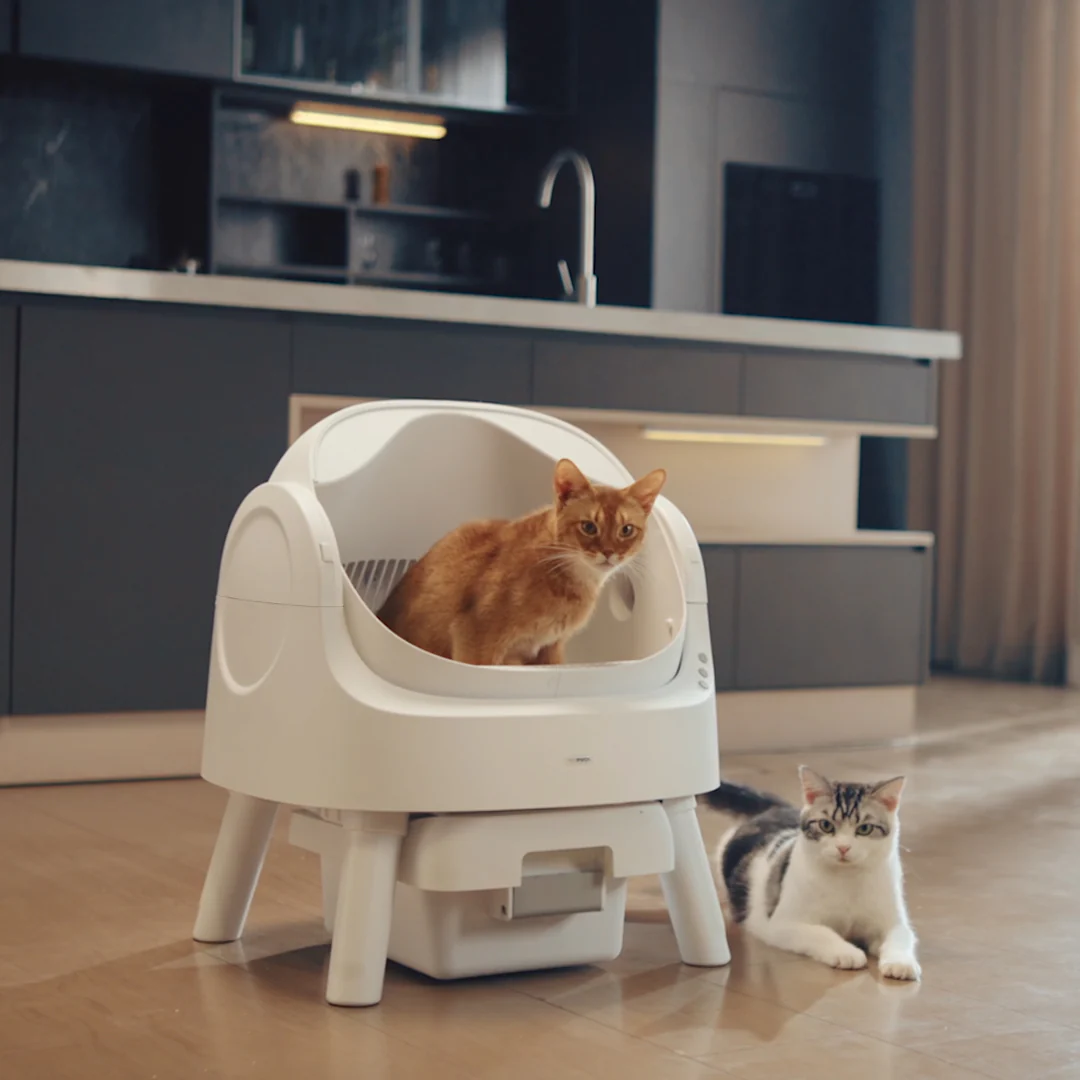
Does Material Matter in an Automatic Litter Box?
Which Litter Box Material Fits Your Home?
|
If you...
|
Consider
|
|
Want one box for years and don't mind the weight
|
Stainless steel
|
|
Have a tight budget or need a special size or shape
|
Plastic; replace it every 1 to 2 years
|
|
Have several cats sharing boxes
|
Stainless steel, which is easier to sanitize
|
|
Have a cat that dislikes steel
|
Plastic, or steel with familiar litter
|
|
Use pine pellets
|
Stainless steel or a steel sifting pan
|
|
Want to cut daily scooping
|
An automatic box, with regular chamber washing
|
FAQs
Are stainless steel litter boxes worth buying?
Do stainless steel litter boxes emit less odor than plastic ones?
Are cats comfortable with stainless steel litter boxes?
Should I be changing my plastic litter box every year?
Why does my stainless steel litter box retain litter?
Are antibacterial litter boxes antibacterial?
Can stainless steel litter boxes rust?
Does the material matter in an automatic litter box?

You may also like

AutoScooper 12 Waste Bags – 60 Count


Further reading
Stainless Steel vs Plastic Litter Boxes: Metal, Plastic and Coated Options Compared

Bugs and Flies in the Litter Box: What They Are and How to Get Rid of Them

Why Does My Cat Meow in the Litter Box? Before, During and After Explained
