How Much Litter to Put in a Litter Box? Easy Depth Guide

Über den Autor
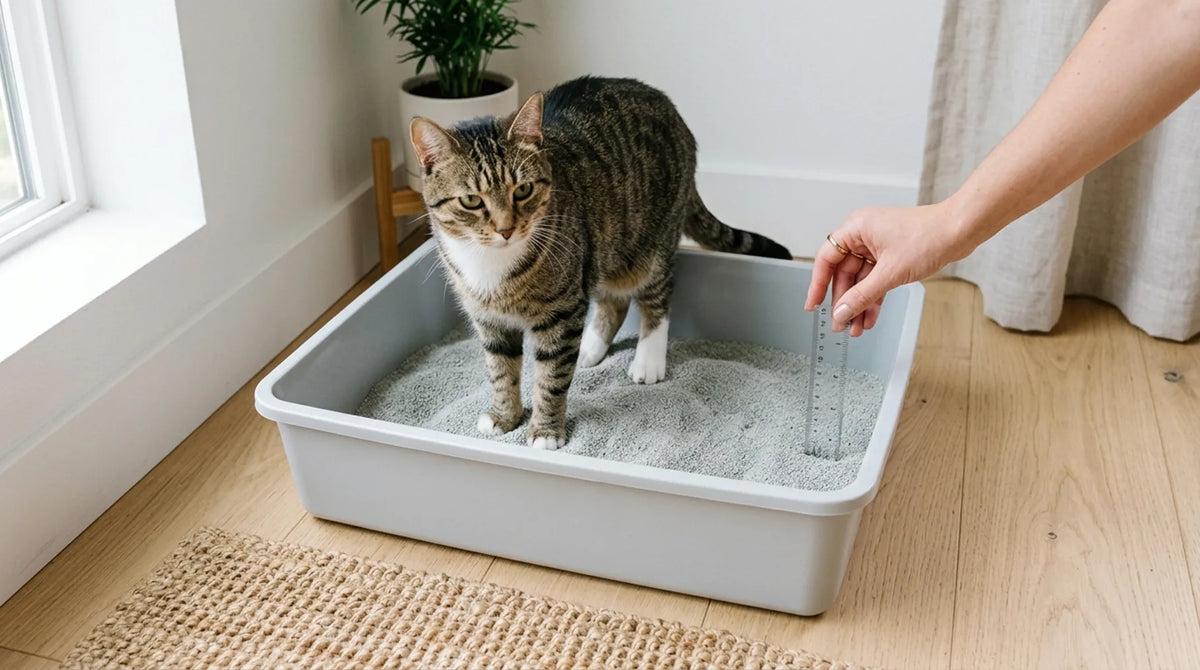
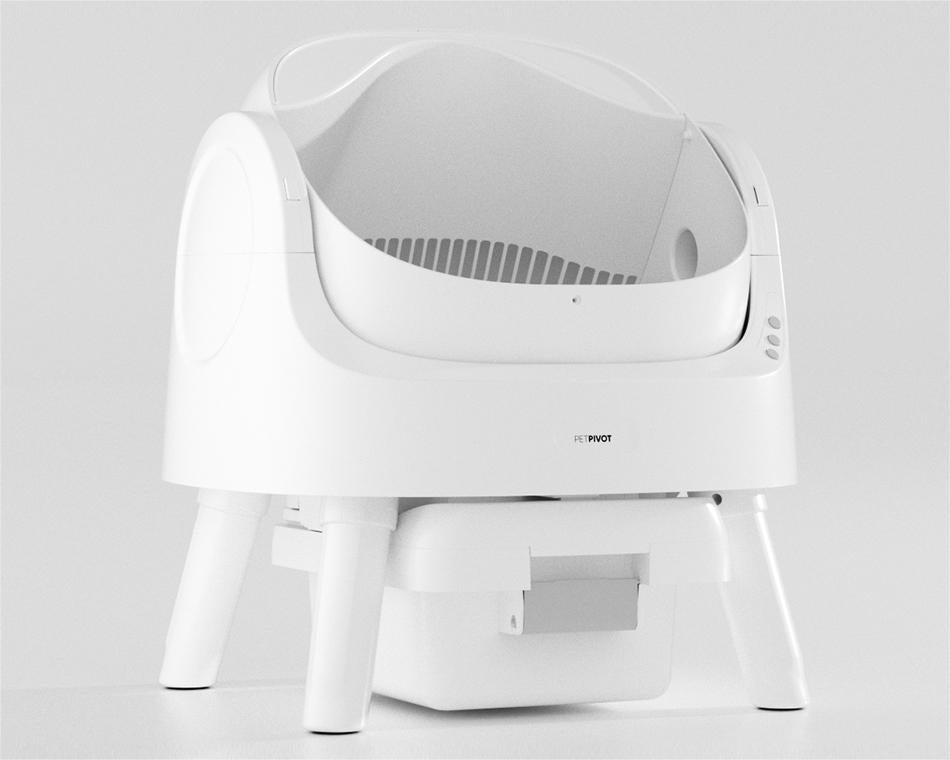
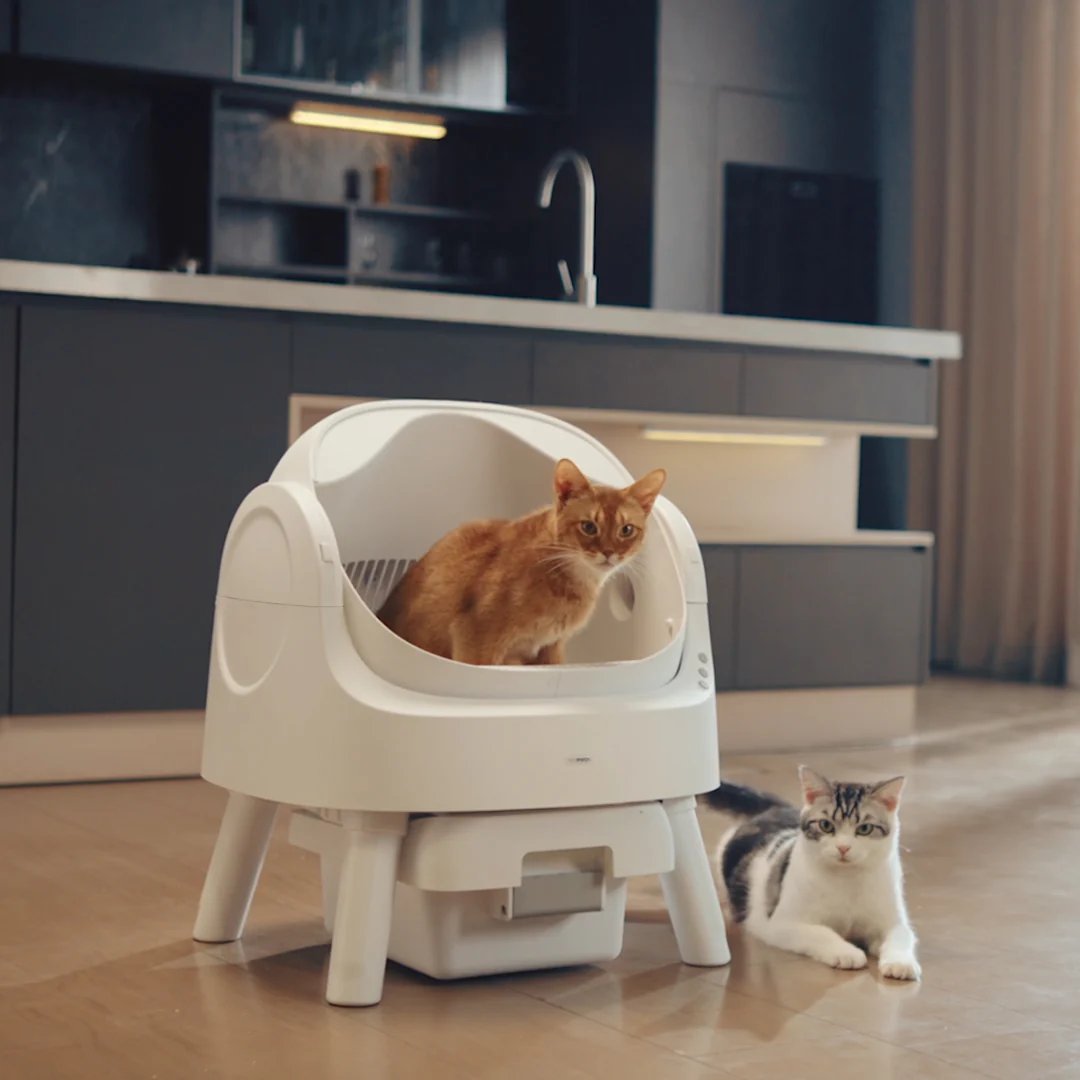
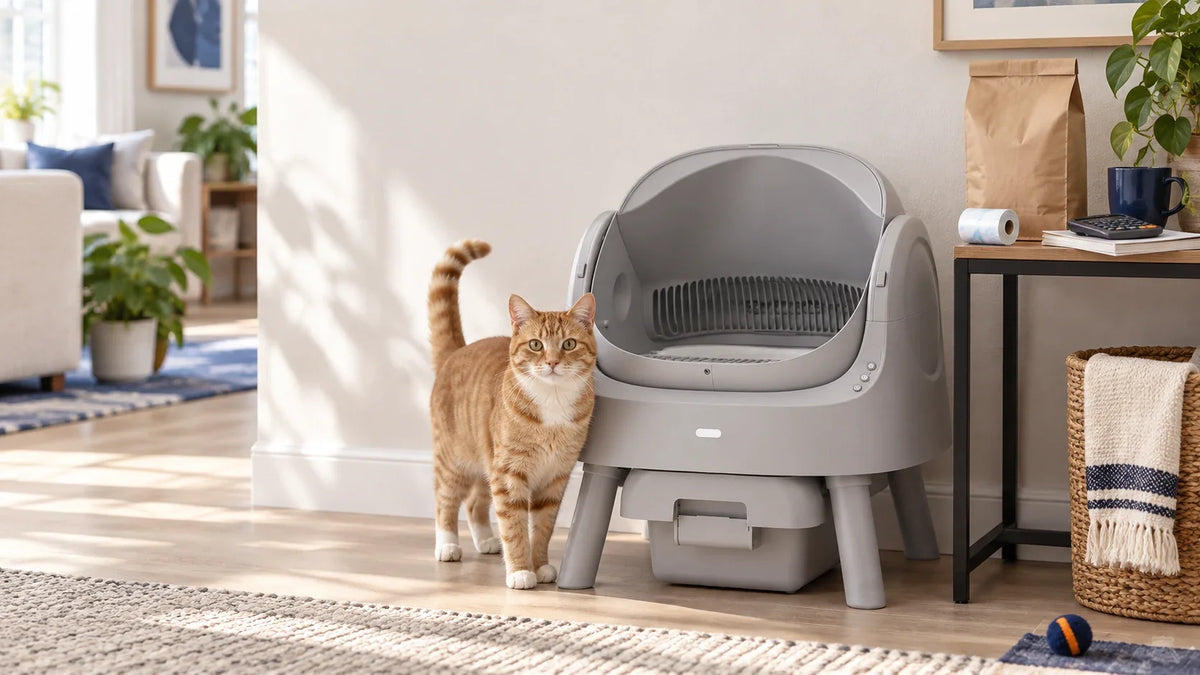
Most cats do well with 2 to 3 inches of litter spread evenly across the bottom of the box. That depth gives a cat room to dig and cover waste, lets clumping litter form solid clumps before urine reaches the pan, and keeps the surface firm enough to stand on. This is just a suggestion because veterinary advice does not settle on one depth that will work for all cats. Some veterinary experts advise that most cats would enjoy a fine litter, one to two inches thick. At the same time, other experts recommend a depth of three inches or more of digging litter. Your cat's age, how hard it digs, the litter you use, and whether the box is automatic all move the right answer up or down. What you notice What to change first Urine stuck to the bottom of the pan Add litter until you have at least 2 inches Waste left uncovered after digging Add litter or give the cat a larger box Cat wobbles, sinks, or perches on the edge Take the level down toward 2 inches or less Litter kicked out and tracked through the house Check depth, then box size and the exit area Automatic box stalls or leaves litter in the drawer Bring the level back between the MIN and MAX marks How Deep Should Cat Litter Be? Start from 2 to 3 inches and let the behavior of your kitty determine the depth. This depth range is somewhere between what most animal welfare experts recommend as a shallow range (1 to 2 inches) and what diggers call for as deep range. Your kitty will go into the box without fear and make a few digging strokes before coming out. Only the first time do you need to use the ruler for measuring the depth range as you fill a new clean box. Why 2 to 3 Inches Works for Most Cats Two to three inches covers the four jobs litter has to do at the same time. Job Why depth matters Digging The cats dig a hollow before they proceed. A small coating ensures that the claws come directly into contact with the plastic. Covering waste Burial is instinctive. With too little litter, there is no cover for the feces, and some felines will search elsewhere. Absorbing moisture Litter requiring clumping requires the formation of clumps in the urine itself. The litter should not be too thin otherwise the urine pools in the tray itself. Odor control Solid waste which is completely covered and scraped as a whole does not leave much residue to smell. Why The Exact Depth Depends on Your Cat Cats do not read guidelines. Watch how yours uses the box for a few days and adjust half an inch at a time. Diggers The cat that digs before and after each trip needs to be closer to 3 inches rather than 2 inches; the former is where the vet's advice concerning litter box training will favor. When it digs hard yet there is not much litter falling out, then the litter depth is sufficient enough. Cats that prefer a firm surface Some cats walk lightly, some sink into the mattress, while some prefer balancing at its rim when the bed is soft and deep. Bring it down a little to 2 inches below and see how they react. Box size A big box will require more litter to reach the same depth as the small one. A high box may be half empty but already have the correct litter, so use the depth measurement and not visual appearance. How To Know If Your Litter Box Has Too Little Litter There is too little litter appearing in the bottom of the tray. If you find that you have to scrape stuck areas, uncover waste, or smell the box earlier than you usually would, then the layer is likely not thick enough for your cat and litter. Urine Reaches The Bottom This is the definite proof. Since the urine will splash on the box even before the litter absorbs the urine, there will always be spreading of a flat and sticky patch rather than a ball that one can pick from there. You will only be picking pieces from the plastic while the rest that remains will still stink. Your Cat Cannot Cover Waste Properly Look out for repeated scratching after the cat goes, exposed waste, or a cat that scratches the floor or wall near the box. The cat is trying to complete a process which the box fails to facilitate. According to veterinarians, cats do not like dirty litter box areas. Similarly, cats will shy away from boxes that offer no digging space. Odor Builds Faster A thin layer leaves waste closer to the surface and gives urine a shorter path to the pan, so smell builds between scoops even when you clean daily. Problem Why it happens Stronger urine smell Moisture reaches the bottom before it can clump Sticky residue on the pan Not enough litter separates waste from the plastic Smell returns soon after scooping Broken clumps and residue stay behind in the box Depth is one of the levers. Scoop frequency, litter material, and ventilation are other things to consider; however, ensure that the depth issue is settled first. How To Know If Your Litter Box Has Too Much Litter Extra litter seems to be the safer option but after reaching the 3 to 4 inches mark things become difficult. Things start falling apart because the surface becomes loose, and litter starts falling off. You end up discarding more clean litter. Your Cat Feels Unstable While Walking Deep and loose litter acts like soft sand. The paws will sink into the litter, the litter will move around as the cat turns, and it will take effort for every step. Older cats, cats with stiff joints, and cats that like firm footing will notice it more. Some signs of this include slow movement within the box, partial entry into the box, and squatting with the front paws resting on the sides of the box. More Litter Tracking Around The House The deeper the bed is dug, the harder and longer the digging becomes, as well as the number of granules that end up spilling out or sticking on the paws of your kitty. Make sure to see whether the depth is greater than what your kitty needs if you are sweeping a path from the litter box every day. You Waste More Litter During Cleaning Each scoop brings out clean litter as well as the clumped litter, and the deeper the litter bed, the bigger the scoops. A full replacement flushes out any leftover clean litter too. Maintaining a constant litter depth, rather than adding more litter, reduces both losses, resulting in fewer bags purchased and less weight in trash bags. How Much Litter Should You Put in an Automatic Litter Box? Use the automatic litter box at the fill level that is indicated by its manufacturer, not any arbitrary number of inches. In a manual litter box, fill level influences only your cat’s experience. In an automatic one, however, it also determines the performance of the device itself. 1. Follow The Fill Line Instead Of Guessing Most automatic boxes have a fill line or MIN and MAX marks inside the litter area, set around how the mechanism moves and how much litter it needs to sift waste. The outside of the unit is a poor guide, because walls, the drawer, and the motor housing take up space the litter never reaches. The PetPivot AutoScooper 12 Lite, an open-top self-cleaning box with MIN and MAX litter marks, is filled between those two marks without going above MAX. It is designed for small-granule clumping mineral or bentonite litter; crystal, non-clumping, and long-strip tofu litter are not recommended for it. 2. Why Overfilling Can Affect Operation Automatic boxes are built around a set volume of litter. Going over it tends to cause one of these: Issue Why it happens Clean litter ends up in the waste drawer The mechanism carries excess litter over with the clumps Incomplete or uneven cleaning A heavy bed makes it harder to separate clumps from clean litter More scatter at the entry A high, loose bed spills during digging and the cleaning motion Before you assume the machine has a fault, check the litter level against the marks. It is the quickest thing to rule out. 3. How Automation Changes Litter Maintenance Automation eliminates the need for scooping by hand, but not litter maintenance. Your duties will now involve making sure there is enough litter, replacing the waste drawer as directed in the manual, cleaning the sensor, and occasionally doing a complete litter change. The thing owners might overlook when they decide to go for the automatic box is that they will no longer have a chance to see their cat’s droppings on a daily basis. You should always check your cat’s waste drawer before cleaning it to spot any change in its behavior. When you are looking for an automatic litter box with an open top design, pay attention to the visibility of the fill line and waste drawer. How Much Litter Should You Use Based on Your Cat? Use 2 to 3 inches for a typical adult and adjust from there. Age and size change what feels comfortable underfoot. Cat type Recommended approach Kittens A slightly shallower layer in a smaller low-sided box, where even the smaller paws can gain footing. Progress gradually as the kitten grows. Adult cats Around 2 to 3 inches. Go deeper for heavy diggers, shallower for cats that sink or perch. Large cats It should be deep enough to dig but a large container is preferred because the cat will need to move around inside it. Senior cats Stable layer with lower height and low entry point. Stiff joints will help in movement over firm surfaces. Advice from the vet regarding the care of a newly acquired cat says that kittens and old cats suffering from arthritis may require a box with low sides. For an automatic box, check the model's age and weight guidance too. The AutoScooper 12 Lite's automatic mode is for cats over 3 lb and older than 6 months, and manual mode is recommended for smaller, younger, pregnant, or nursing cats. Does Litter Type Change How Much You Should Use? Yes. Materials absorb and pack differently, so the same depth behaves differently from one litter to the next. Clumping Litter Clumping clay and bentonite litters need enough depth for urine to ball up before it touches the pan, which is why 2 to 3 inches suits most of them. Too shallow and the clump flattens against the bottom. Too deep and each scoop pulls out a large ball of clean litter with it. For AutoScooper owners, a fine-grain clumping bentonite litter made for the AutoScooper is built to form firm clumps that separate cleanly in the drum, which keeps the bed level between top-ups. Crystal and Alternative Litters Crystal, pellet, and plant-based litters each work their own way, so a single inch count does not transfer between them. Litter type Things to consider Crystal (silica) Absorbs into the granules rather than clumping. Follow the bag's fill level; some cats dislike the texture underfoot. Pellets (pine, paper, wheat) Large pieces pack differently and some cats accept them slowly. Watch how the cat stands and digs. Other plant-based litters Absorption and tracking vary by material. Start with the bag's guidance and adjust by behavior. Comfort is as important as the efficiency of the litter. The majority of cats like unscented, fine-grained litters. It may be good in its performance but may not be comfortable for your cat. Always Follow Product Instructions There will be specialty litters that have fill level, time of fill, and instructions to top off or replace. Start with this as the base, and from there, use the cat’s behavior as the guide for adjustment. If a cat avoids using the box after switching to a new type of litter, it’s not the brand but the configuration that is wrong. How Often Should You Add More Litter? Top off in small quantities every few days rather than refilling the entire box at one time after the level gets low. Each scoop removes some clean litter, so the bed slowly thins even when the box looks fine. Routine Action Daily Scoop waste and level the surface. Vets and public health experts both advise daily cleaning. Every few days Check depth and top off to your target line. Multi-cat boxes need it more often. Every 1 to 4 weeks Empty, wash, and refill. Many experts suggest weekly; replace sooner if the litter stops looking and smelling dry and clean. Make sure to wash your hands after contact with used litter, as per the advice on public health related to toxoplasmosis, and consult your physician if you are pregnant or have a compromised immune system. How To Reduce Litter Tracking Without Changing The Depth Cutting depth to stop tracking usually backfires, because a cat that cannot dig properly digs harder. Fix the box and the exit instead. Use The Right Box Size The small box will cause the cat to turn and scratch inside and cause the litter to spill out of the box due to the small box. Make sure that you have the right sized box where the cat can comfortably turn around inside the box and not reach the end. Adjust Digging Space It is recommended that you level the litter after cleaning so that the cat will not be digging into an elevated pile next to the side of the box. Be sure to leave a few inches from the top so as to prevent your cat from digging up into the box. Improve The Area Around The Box Place a rough floor mat or washable rug close to where the cat steps out and sweep off the first couple feet of area outside the box daily to avoid carrying around the spilt litter. For more fixes, see these practical ways to cut litter tracking. Does Your Cat's Litter Routine Tell You Something Important? Yes, it can. The manner in which your cat utilizes the box is part of its normal habits and, therefore, any deviation from these habits is easily noticed. Any one weird use of the box by your cat is just fine. Watch for: More or fewer visits than usual Long stays in the box or repeated trips with little result New avoidance, or going just outside the box A change in digging or covering habits These behaviors may have several different reasons such as stress, new litter, or illness. As vets say, urinary inflammation, kidney, and thyroid problems, diabetes, and pain during digesting may influence cat's litter box behavior, so you should speak to your vet if this behavior lasts for some time. In case you noticed less frequent defecation by your cat, read more in our article about how long cats can hold their poop. This becomes more important with automation. Owners of several cats have said that they continue manual scooping because of this very reason; it allows them to observe blood, hard stools, or changes in the clumping of urine. You need to take a quick look at the litter box contents drawer before cleaning it out while cat using the automatic litter box. ⚠ Seek urgent care When a cat struggles to urinate, produces very little urine or none at all, cries while trying to urinate, and continues to make multiple failed efforts, the cat should be taken to the vet, especially if it is a male. Common Mistakes Cat Owners Make When Adding Litter The vast majority of litter issues stem from focusing on the wrong solution: littering when the box requires cleaning, filling the box based on looks, or replacing everything at once. Adding More Litter Instead Of Cleaning More Often The new litter spread on top of the filthy box will appear clean only for one day. The mess remains in the litter box; the clumps are heavy and difficult to remove, and the odor reappears as well. One cat owner experienced this herself as a result of her kitten using a beanbag after ignoring the litter box for a while. Filling The Box Based On Appearance High sides and large trays fool the eye. Use depth as the measure, not how full the container looks. Instead of Try Filling until the box looks full Filling to a measured 2 to 3 inches, or the marked line Adding more because the sides are tall Checking the litter layer itself with a ruler once Guessing after every refill Topping off back to the same line each time Changing Too Many Things At Once If your cat's behavior changes, it seems like a good idea to change all four variables - litter, litter depth, box, and litter box location - in one weekend. But then how do you know which one helped or hindered? Change only one thing at a time and wait for a few days to see what happens. If you change litters, do it gradually over a week or two. FAQs How deep should cat litter be? 2 to 3 inches is adequate for most felines. Some vets prefer 1 to 2 inches of smaller litter, while other vets may recommend approximately 3 inches for digging, so one would want to start from the middle and adjust by half an inch until reaching the right thickness. Can you put too much litter in a litter box? Yes. After reaching a point between three and four inches, the substrate itself starts moving beneath the cat’s feet. Digging results in litter being scattered around the box, and each time you throw the scoop away, there goes some more of the clean stuff. Cats sitting on the edge or entering half-way are most likely responding to a deep litter bed. How much litter should I put in an automatic litter box? Follow instructions to fill up to the maker's fill line or the MIN and MAX lines, and not to an overall number of inches. Over-filling may flush the clean litter into the waste drawer. Use the litter recommended in the manual as the machine is made for that particular litter. Does more litter help control odor? No, just in itself. While having enough litter to soak up urine and waste is important, after that point, odor will depend on the daily removal of waste and full changing. Adding new litter on top of a dirty box will only make the odor worse. How often should I add litter to the box? Check for depth and add on regularly as needed in small amounts to get to your target level. This will scoop out a bit of the clean litter each day, and households that have many cats need to top off more frequently. Change completely after one to four weeks, or earlier if it smells. Do kittens need less litter? It is recommended that for a small kitten, a somewhat less thick layer inside the relatively shallow box will work the best, as too deep or fluffy litter can be challenging to step on. Increase the thickness of the litter gradually as the kitten grows. Does litter type change the ideal depth? Yes. The clumping clay and bentonite will be effective between 2 and 3 inches, while the crystal, pellets, and organic litter have instructions on the bag as to how much to use. Start from there and adjust according to your cat’s movements and digging behavior. How much litter do I need for multiple cats? Same depth per box; different numbers of boxes. According to veterinarians' recommendations, each cat needs 1 box plus another one at 2 to 3 inches depth. One can expect to clean and fill boxes faster and not use one deep box for many cats.
|
What you notice
|
What to change first
|
|
Urine stuck to the bottom of the pan
|
Add litter until you have at least 2 inches
|
|
Waste left uncovered after digging
|
Add litter or give the cat a larger box
|
|
Cat wobbles, sinks, or perches on the edge
|
Take the level down toward 2 inches or less
|
|
Litter kicked out and tracked through the house
|
Check depth, then box size and the exit area
|
|
Automatic box stalls or leaves litter in the drawer
|
Bring the level back between the MIN and MAX marks
|
How Deep Should Cat Litter Be?

Why 2 to 3 Inches Works for Most Cats
|
Job
|
Why depth matters
|
|
Digging
|
The cats dig a hollow before they proceed. A small coating ensures that the claws come directly into contact with the plastic.
|
|
Covering waste
|
Burial is instinctive. With too little litter, there is no cover for the feces, and some felines will search elsewhere.
|
|
Absorbing moisture
|
Litter requiring clumping requires the formation of clumps in the urine itself. The litter should not be too thin otherwise the urine pools in the tray itself.
|
|
Odor control
|
Solid waste which is completely covered and scraped as a whole does not leave much residue to smell.
|
Why The Exact Depth Depends on Your Cat
-
Diggers
-
Cats that prefer a firm surface
-
Box size
How To Know If Your Litter Box Has Too Little Litter

-
Urine Reaches The Bottom
-
Your Cat Cannot Cover Waste Properly
-
Odor Builds Faster
|
Problem
|
Why it happens
|
|
Stronger urine smell
|
Moisture reaches the bottom before it can clump
|
|
Sticky residue on the pan
|
Not enough litter separates waste from the plastic
|
|
Smell returns soon after scooping
|
Broken clumps and residue stay behind in the box
|
How To Know If Your Litter Box Has Too Much Litter
-
Your Cat Feels Unstable While Walking
-
More Litter Tracking Around The House
-
You Waste More Litter During Cleaning
How Much Litter Should You Put in an Automatic Litter Box?
1. Follow The Fill Line Instead Of Guessing

2. Why Overfilling Can Affect Operation
|
Issue
|
Why it happens
|
|
Clean litter ends up in the waste drawer
|
The mechanism carries excess litter over with the clumps
|
|
Incomplete or uneven cleaning
|
A heavy bed makes it harder to separate clumps from clean litter
|
|
More scatter at the entry
|
A high, loose bed spills during digging and the cleaning motion
|
3. How Automation Changes Litter Maintenance
How Much Litter Should You Use Based on Your Cat?
|
Cat type
|
Recommended approach
|
|
Kittens
|
A slightly shallower layer in a smaller low-sided box, where even the smaller paws can gain footing. Progress gradually as the kitten grows.
|
|
Adult cats
|
Around 2 to 3 inches. Go deeper for heavy diggers, shallower for cats that sink or perch.
|
|
Large cats
|
It should be deep enough to dig but a large container is preferred because the cat will need to move around inside it.
|
|
Senior cats
|
Stable layer with lower height and low entry point. Stiff joints will help in movement over firm surfaces.
|
Does Litter Type Change How Much You Should Use?
-
Clumping Litter
-
Crystal and Alternative Litters
|
Litter type
|
Things to consider
|
|
Crystal (silica)
|
Absorbs into the granules rather than clumping. Follow the bag's fill level; some cats dislike the texture underfoot.
|
|
Pellets (pine, paper, wheat)
|
Large pieces pack differently and some cats accept them slowly. Watch how the cat stands and digs.
|
|
Other plant-based litters
|
Absorption and tracking vary by material. Start with the bag's guidance and adjust by behavior.
|
-
Always Follow Product Instructions
How Often Should You Add More Litter?

|
Routine
|
Action
|
|
Daily
|
Scoop waste and level the surface. Vets and public health experts both advise daily cleaning.
|
|
Every few days
|
Check depth and top off to your target line. Multi-cat boxes need it more often.
|
|
Every 1 to 4 weeks
|
Empty, wash, and refill. Many experts suggest weekly; replace sooner if the litter stops looking and smelling dry and clean.
|
How To Reduce Litter Tracking Without Changing The Depth
Use The Right Box Size
Adjust Digging Space
Improve The Area Around The Box
Does Your Cat's Litter Routine Tell You Something Important?
-
More or fewer visits than usual
-
Long stays in the box or repeated trips with little result
-
New avoidance, or going just outside the box
-
A change in digging or covering habits
|
⚠ Seek urgent care
When a cat struggles to urinate, produces very little urine or none at all, cries while trying to urinate, and continues to make multiple failed efforts, the cat should be taken to the vet, especially if it is a male.
|
Common Mistakes Cat Owners Make When Adding Litter
Adding More Litter Instead Of Cleaning More Often
Filling The Box Based On Appearance
|
Instead of
|
Try
|
|
Filling until the box looks full
|
Filling to a measured 2 to 3 inches, or the marked line
|
|
Adding more because the sides are tall
|
Checking the litter layer itself with a ruler once
|
|
Guessing after every refill
|
Topping off back to the same line each time
|
Changing Too Many Things At Once
FAQs
How deep should cat litter be?
Can you put too much litter in a litter box?
How much litter should I put in an automatic litter box?
Does more litter help control odor?
How often should I add litter to the box?
Do kittens need less litter?
Does litter type change the ideal depth?
How much litter do I need for multiple cats?


You may also like


AutoScooper 11 Katzentoiletten-Einsatz – 2er-Pack

AutoScooper 11 Kotbeutel – 60 Stück


AutoScooper 12 Lite Katzentoilette

AutoScooper 12 Lite Katzentoilette
Further reading
How Much Litter to Put in a Litter Box? Easy Depth Guide
Best Automatic Litter Box Cost per Year_ The Real 2026 Budget

Entwurf zur Veröffentlichung: Offene vs. geschlossene Katzentoiletten mit Selbstreinigungsfunktion: Welchen Typ bevorzugt Ihre Katze?