
Safest Cat Litter: What to Look For and What to Avoi

Über den Autor
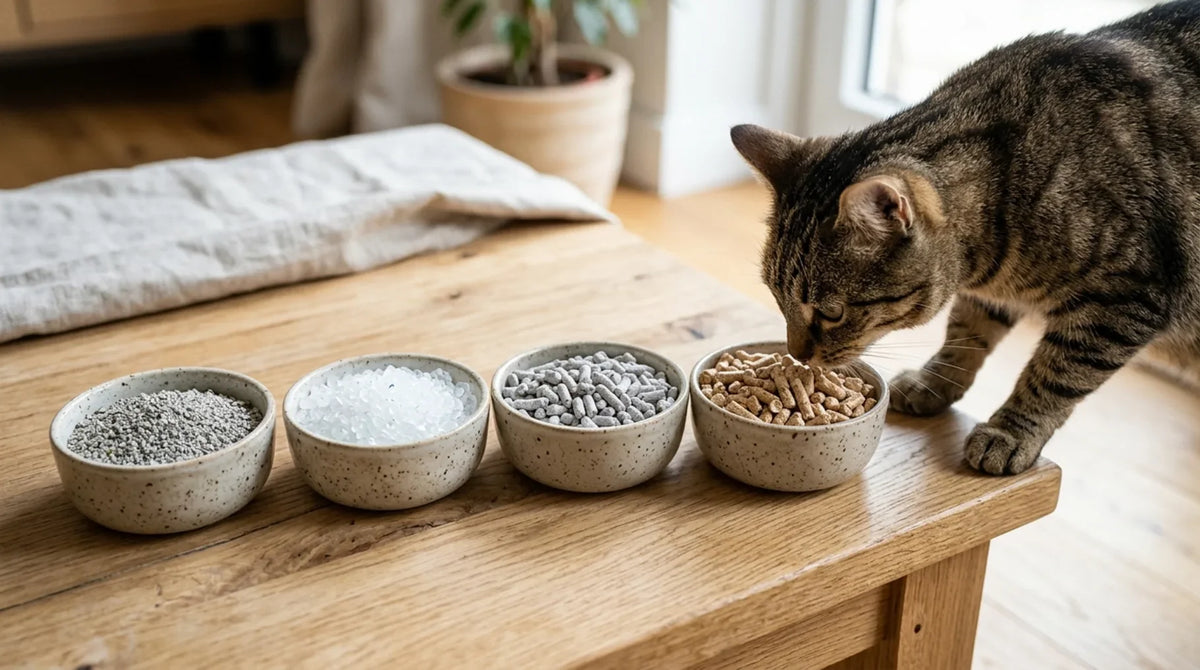
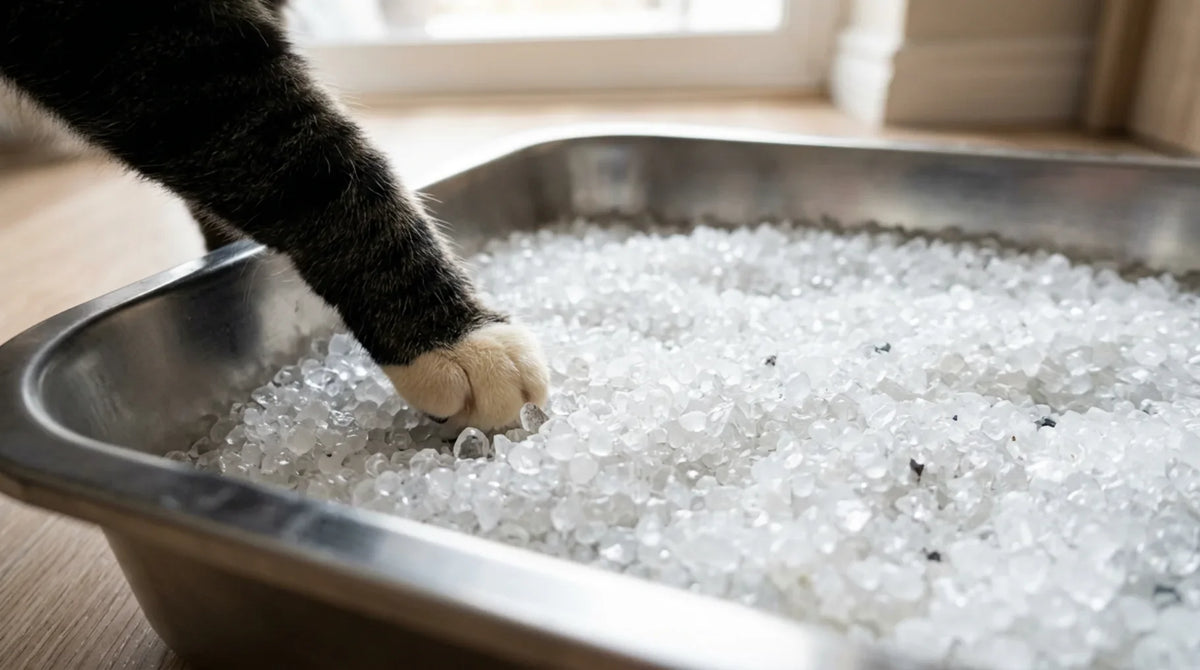
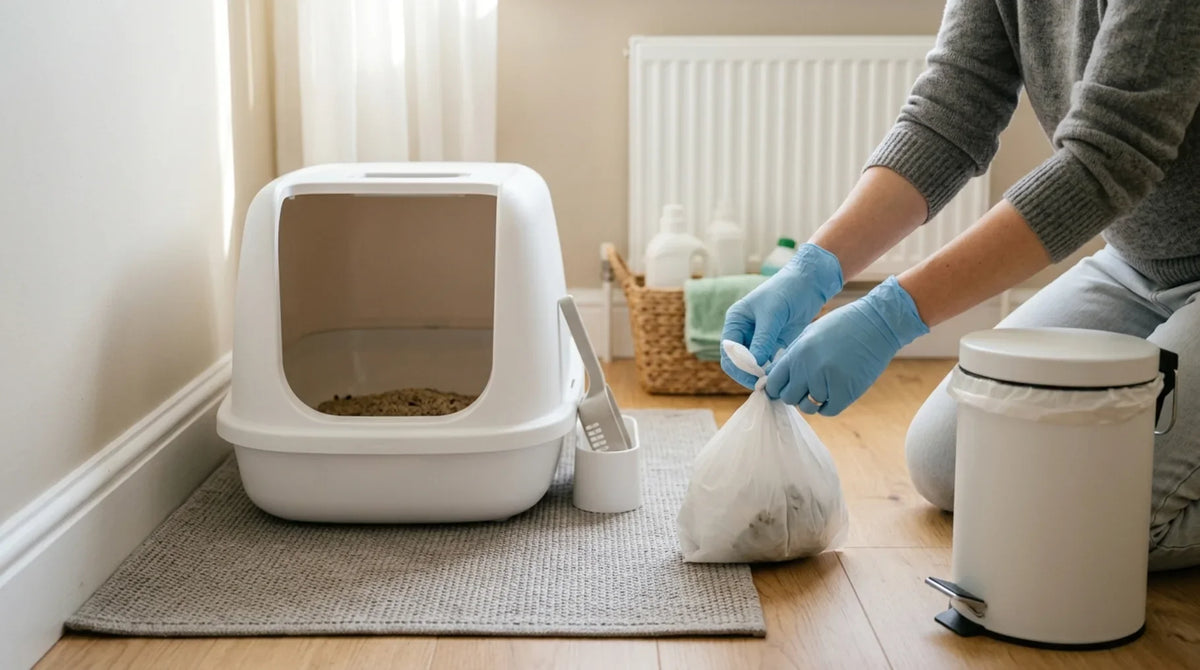
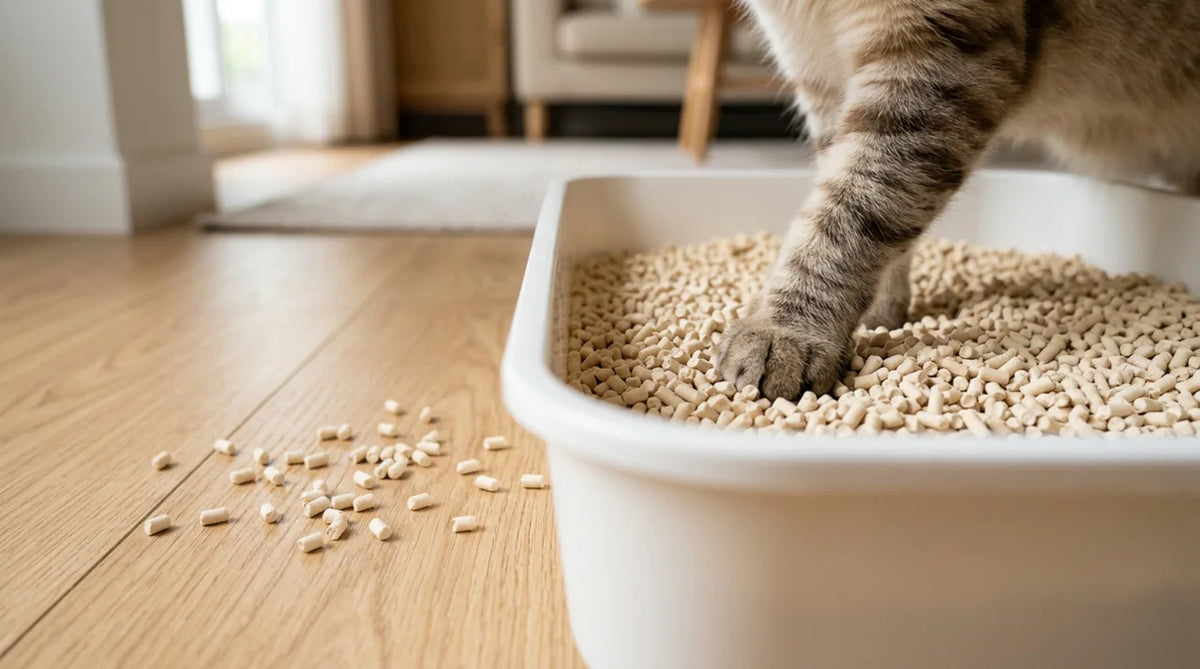
The safest cat litter for most cats is an unscented, low dust litter that your cat is happy to use, but no single material is safest for every cat. A kitten that chews litter, a cat with asthma and an older cat with stiff joints all need slightly different things, so the right choice depends on your cat as much as on the bag. Labels like natural, non toxic and dust free don't tell you how a litter behaves once your cat starts digging in it. Below we go through what actually makes a litter safe and what to watch out for with each type. What Makes Cat Litter Safe? Safety comes down to a few practical things you can check yourself, rather than what's printed on the front of the bag. What to check Why it matters Dust Fine particles rise when you pour, your cat digs or you scoop, and can bother sensitive airways Fragrance and dyes Strong perfume can put cats off the box and doesn't remove waste Swallowing risk Cats lick litter off their paws and fur, and some kittens chew it Texture Sharp or hard pieces can make a cat reluctant to step in Your cat's reaction A litter your cat avoids or eats isn't a safe choice for that cat Your cat's reaction is what matters most. Even if you think that the litter is perfectly fine and safe to use, your cat may not agree with your opinion, so be sure to observe its behavior for the first few weeks after you make a change. Which Types of Cat Litter Are Safest? Any type of material has its pros and cons; two litters that are made of the same material may be completely different from each other. Litter material Potential advantages What to watch for Clumping clay Familiar texture, easy urine removal Dust, tracking, swallowing concerns Non clumping clay Affordable, no hard urine clumps Dust and frequent full changes Silica crystals Absorbent and lightweight Crystal texture, dust with use, swallowing Paper pellets Often soft and fairly low dust Damp buildup, some cats dislike pellets Pine or wood Absorbent, larger pellets Wood scent, sawdust, paw comfort Corn, wheat or tofu Plant based, some clump Additives, damp, swallowing, texture 1. Clay Litter: Clumping and Non Clumping Clumping clay litter is mostly made of bentonite clay that swells and sticks together to enable you to scoop out the urine. Some formulas are dusty, and since it swells up after being wet, swallowing it is a bigger worry than with other types. Non-clumping clay litter is economical and does not produce solid lumps but retains the urine in the litter box. 2. Silica Gel Crystals Litter Crystal litter is made from silica gel, a form of amorphous silica according to safety data for the workplace, not crystalline silica associated with lung disease (silicosis) among workers. Although it may cause eye and respiratory irritation when inhaled as dust, it is not edible, and one owner's cat got an upset stomach after licking crystals off its paws. Our guide to silica cat litter covers it in detail. 3. Plant Based and Paper Litter Paper litters tend to be soft and not very dusty. The pine variety is absorbent but becomes sawdust when wet, and dust apparently got everywhere in one owner’s house. There is variation between corn, wheat, and tofu litter products in terms of clumping properties and other ingredients, which rules them out as the safest option. Is Natural Cat Litter Always Safer? That is not always the case. Natural does not tell you anything about the properties of the finished product in terms of what happens when your cat is digging around in it, breathing the dust or ingesting the dust particles. Corn, wheat, tofu, wood and paper litters may have added starch, binders or fragrance. Biodegradable also does not indicate that the product is edible or dust free. It is better to look at the list of ingredients rather than the description on the package. Is Scented or Unscented Cat Litter Safer? The right place to begin is with unscented. According to the vets' guidelines regarding litter box training, the preferred option is unscented litter because what might be an appealing smell for you could overwhelm your pet when they are right above it. Scents help mask the smell of urine but leave the actual litter intact, meaning that the odor will return once the scent wears off. Unscented does not necessarily mean odor free, as pine litter and grain litter have their own scents. What Is the Safest Cat Litter for Kittens? Kittens are much more likely to taste their litter than adult cats, so litter for a kitten needs a bit more thought. 1. Reason why Kittens Might be Eating Litter Being curious about everything they encounter, kittens tend to use their mouths to check things out. This way, they might end up ingesting some litter pieces when digging or licking the pieces of litter stuck to their paws. Licking off a stray grain and eating litter on purpose are not the same thing. 2. Should Kittens Be Raised Using Non Clumping Litter? Yes, often. Many pet owners have reported that their veterinarians recommended them using non clumping litter, generally made of soft paper, since the clumping clay is known to expand with moisture and can potentially cause complications if eaten by the cats. At least one pet owner has mentioned they would never use clumping litter again for raising their long haired kitten since it clumped in the fur. Nonetheless, non clumping litter is not necessarily edible, nor are crystals or plant pellets. 3. At What Age Are Kittens Ready for Clumping Cat Litter? There is no one age that applies to all kittens. Always go by the age recommendation of the product and wait until the kitten stops chewing the litter. Our article on how to litter train your kitten talks about litter selection. What Cat Litter Is Safer for Cats With Asthma or Allergies? Go for the unscented, low dust variety, but remember that no product will ever be totally dust free. Clay will puff out dust clouds if you pour it, paper usually produces less, while crystals can become dusty from two weeks of excavations and stirrings. It is for that reason that judging low dust litters takes time and not immediately after you've opened the package. Dust on the bottom of the box or in the air when scooping means that it is not the low dust variety you think it is. Cats with diagnosed asthma or respiratory disorders should seek the advice of their veterinarians. Here is our list of low dust cat litter products. What Is the Safest Cat Litter for Senior Cats? An elderly feline with arthritic joints will find that entering the box is more difficult than using the litter in it. A box with lower entry, nonslip footing and a soft and fine texture will facilitate use. Some old cats will not like hard pellets while others will have been using them their whole lives. If your elderly cat has been successfully using the unscented and low dust litter, it is safer to continue its use rather than making a change. What If Your Cat Eats Litter or Refuses to Use It? Both these issues can arise despite having an apparently perfect litter box, and require different approaches. 1. Your Cat Eats Litter If your cat consumes a couple of granules while grooming itself, it's not the same thing as when a cat actively eats litter. In such case, consult your veterinarian instead of merely choosing the plant based litter, since eating non-food items can be caused by several factors. Consult your veterinarian If your cat continues eating litter more than one time, vomits, lacks appetite or straining to defecate, visit your vet. Among the factors causing constipation, veterinary guidelines cite ingestion of indigestible items. 2. If Your Cat Dislikes the New Litter Your cat might be liking the smell but not the feel of the new litter, or the other way around. Place the old litter in another litter box for trial purposes as you test the new one. Just in case your cat refuses the new litter, particularly in an abrupt or continuing manner, the recommendation is that you consider a health condition first. How to Keep Any Cat Litter Safer to Use Good habits matter more than the material. One has to scoop the tray at least once a day, and if the non-clumping litter becomes soiled, it must be changed. In addition, the tray should be cleaned whenever there is buildup of any kind. There should be enough litter in the box so that the urine does not get on the plastic, and never place the box near the food or water. Recommendations of the CDC for high-risk people state that pregnant or immunocompromised individuals must have someone do the task for them or wear disposable gloves and wash hands thoroughly after the process. The litter must be disposed of in regular garbage, and septic system maintenance tips include cat litter in the list of items that you should never flush. Our guides on how to clean a litter box and how to dispose of cat litter go into more detail. Can You Use Any Safe Cat Litter in an Automatic Litter Box? Not necessarily. A brand of litter might be perfectly fine for your cat but may still not be suitable for the specific machine that you have. Some automatic machines require clumpy litter in order to sift out the waste, while others are made for crystals or certain pellets, and the size of the grains makes a difference too. Please consult your machine's list of compatible litters before changing, and our guide to which litters work in an automatic box explains what to look for. FAQs What is the safest cat litter to use for cats? A litter that's unscented and not dusty and which is comfortable for your cat is the best place to start. There isn't a type of litter that is safest for all cats, considering various factors including age, respiratory health, and litter consumption habits. Is it safe to use clumping litter with my kitten? Not necessarily. Many vets suggest avoiding clumping litter for young kittens because it expands after getting wet, which could cause trouble if a kitten swallows enough of it. Check the product's age guidance and ask your vet if you're unsure. Is silica gel cat litter good for cats? It should be fine for healthy adult cats. The litter is made of amorphous silica, not the dangerous crystalline silica that can cause lung problems. Its dust could irritate, the crystals shouldn't be ingested, and not all cats like the feeling. Is natural cat litter better than clay litter? Not necessarily. Plant based litters might have binders and artificial fragrances, and some of these products become dusty when used. Is scented cat litter bad for cats? Fragrance does not suit all cats, and even if it may repel some cats from using the litter box, there is a tendency to prefer fragrance free litter. Fragrance does not eliminate waste material. What litter is best for cats with respiratory problems? A litter that is scentless and produces minimal dust could help your cat avoid irritation from dust particles; however, this depends on the type of litter since all litters produce different levels of dust. For a cat with asthma, consult your veterinarian first. What cat litter is best for older cats? A soft, familiar litter is usually the best choice for older cats with sore paws or stiff joints. A low entry box and good footing often help more than switching to a new material.
What Makes Cat Litter Safe?
|
What to check
|
Why it matters
|
|
Dust
|
Fine particles rise when you pour, your cat digs or you scoop, and can bother sensitive airways
|
|
Fragrance and dyes
|
Strong perfume can put cats off the box and doesn't remove waste
|
|
Swallowing risk
|
Cats lick litter off their paws and fur, and some kittens chew it
|
|
Texture
|
Sharp or hard pieces can make a cat reluctant to step in
|
|
Your cat's reaction
|
A litter your cat avoids or eats isn't a safe choice for that cat
|

Which Types of Cat Litter Are Safest?
|
Litter material
|
Potential advantages
|
What to watch for
|
|
Clumping clay
|
Familiar texture, easy urine removal
|
Dust, tracking, swallowing concerns
|
|
Non clumping clay
|
Affordable, no hard urine clumps
|
Dust and frequent full changes
|
|
Silica crystals
|
Absorbent and lightweight
|
Crystal texture, dust with use, swallowing
|
|
Paper pellets
|
Often soft and fairly low dust
|
Damp buildup, some cats dislike pellets
|
|
Pine or wood
|
Absorbent, larger pellets
|
Wood scent, sawdust, paw comfort
|
|
Corn, wheat or tofu
|
Plant based, some clump
|
Additives, damp, swallowing, texture
|
1. Clay Litter: Clumping and Non Clumping
2. Silica Gel Crystals Litter
3. Plant Based and Paper Litter
Is Natural Cat Litter Always Safer?
Is Scented or Unscented Cat Litter Safer?
What Is the Safest Cat Litter for Kittens?

1. Reason why Kittens Might be Eating Litter
2. Should Kittens Be Raised Using Non Clumping Litter?
3. At What Age Are Kittens Ready for Clumping Cat Litter?
What Cat Litter Is Safer for Cats With Asthma or Allergies?

What Is the Safest Cat Litter for Senior Cats?

What If Your Cat Eats Litter or Refuses to Use It?
1. Your Cat Eats Litter
|
Consult your veterinarian
If your cat continues eating litter more than one time, vomits, lacks appetite or straining to defecate, visit your vet. Among the factors causing constipation, veterinary guidelines cite ingestion of indigestible items.
|
2. If Your Cat Dislikes the New Litter
How to Keep Any Cat Litter Safer to Use
Can You Use Any Safe Cat Litter in an Automatic Litter Box?
FAQs
What is the safest cat litter to use for cats?
Is it safe to use clumping litter with my kitten?
Is silica gel cat litter good for cats?
Is natural cat litter better than clay litter?
Is scented cat litter bad for cats?
What litter is best for cats with respiratory problems?
What cat litter is best for older cats?
You may also like


AutoScooper 11 Katzentoilette

AutoScooper 11 Katzentoilette-Pink

AutoScooper 11 Katzentoilette-Weiß

AutoScooper 11 Katzentoilette

Further reading
Silica Cat Litter: Pros, Cons, and What to Know Firs
How to Dispose of Cat Litter: Bags, Bins, and Rules
Tofu Cat Litter: Pros, Cons, and What to Know Before Buying