Tofu Cat Litter: Pros, Cons, and What to Know Before Buying

Über den Autor
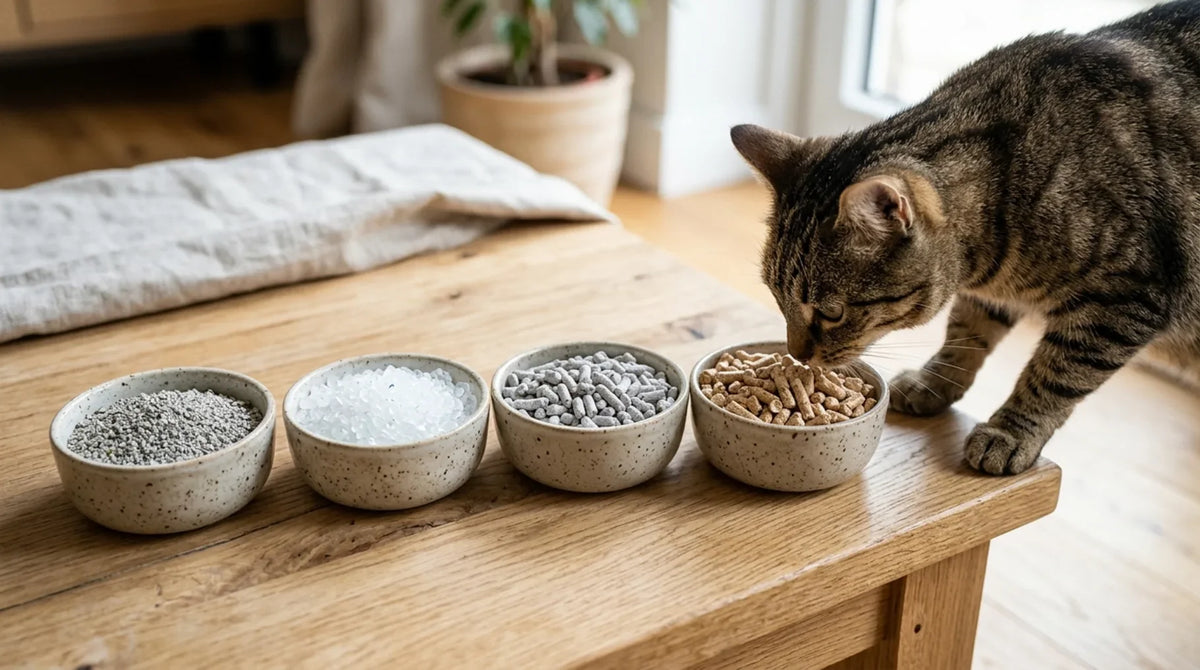
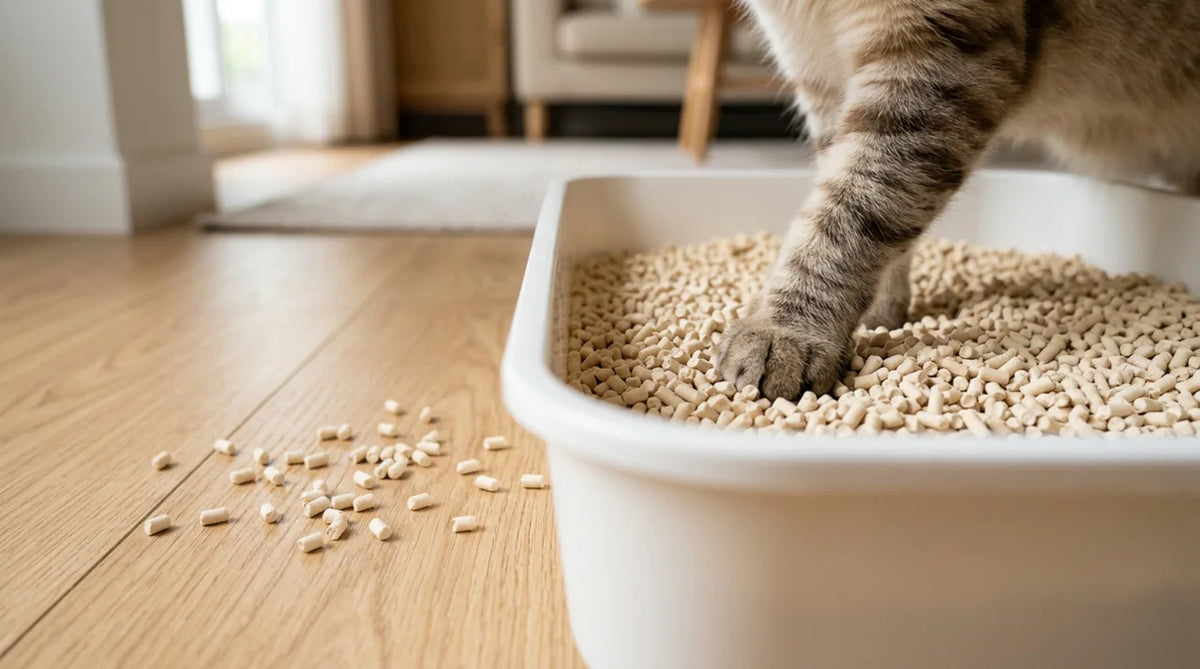
Plenty of owners switch to tofu litter because they're tired of clay dust on the furniture and grey grains across the floor, only to find that one bag forms neat, firm clumps while the next leaves a sticky paste at the bottom of the box. Tofu litter can be a good choice if your cat is happy on pellets, but it isn't automatically better than clay, and results depend heavily on the formula. What Is Tofu Cat Litter Made Of? The main constituent of tofu litter is soybean pulp, which is the residue resulting from the extraction of tofu or soy milk. This residue is then dried and processed into pellets. 1. How Soybean Fiber Becomes Cat Litter The leftover pulp is dried, often mixed with a binder, and pressed into small cylinder shaped pellets. In most formulas the pellets stick together into a scoopable clump when wet. Despite the name, it isn't the tofu you buy at the grocery store, and it isn't meant to be eaten. 2. Why Not Every Tofu Litter Has the Same Ingredients Others use a mixture of cornstarch with soybeans or pea fibers or even wood fibers, while others include fragrances, coloring agents or deodorants. The owners of many cats that have used various brands say that cheap tofu cat litters contain additional starch or something else to bulk them up and thus, they tend to form clumps easily and deteriorate very quickly. Thus, two different bags of tofu litter could be totally different from one another. What Are the Pros and Cons of Tofu Cat Litter? Here's the general picture, though results vary a lot from brand to brand: Pros Cons Often less dust than many clay litters Pellets can crumble and get dusty over time Larger pellets may track less Some tracking still happens Many formulas form scoopable clumps Weak clumps can turn sticky or fall apart Made from plant material Can grow mold if it gets damp Some formulas control odor well Odor control varies a lot Uses recovered plant byproducts Usually costs more than basic clay Lighter to carry than most clay Some cats dislike the pellet texture 1. Benefits of Tofu Cat Litter The bigger pellets are usually the first thing you notice. They don't get stuck between your cat's toes the way fine clay does, and the ones that do escape are easy to see and sweep up. One owner put it well, saying there's still tracking, but at least you can actually see where it goes. Many tofu litters are also much less dusty when you pour them in, and a good formula releases from the tray instead of cementing to the bottom like clay can. 2. Disadvantages of Tofu Cat Litter Price is the obvious one. Some formulas also leave a soft layer stuck to the tray, and others work nicely for a few days, then get dustier as the pellets wear down. It needs dry storage too, and a cat that has dug in fine clay its whole life may simply not like stepping on pellets. Judge any tofu litter after a week or so of normal use, not on the day you open the bag. Does Tofu Cat Litter Really Control Odor? It can, and that's exactly why reviews seem to contradict each other.While some owners claim their house has been smelling good ever since they made the change, there are those who consider this kind of litter only acceptable. It depends on the composition of the litter itself, the firmness of the clumps, and the frequency of litter box cleaning. There was one owner who confessed that any odor from their litter box had occurred only when they skipped litter box cleaning for a few days. 1. Why Some Tofu Litters Smell Better Than Others Clumping makes a big difference. If a clump of urine does not break apart when lifted, then everything that is wet comes up at once. However, when it breaks into small pieces, tiny amounts of wet stuff remain amid the dry pellets and the smell accumulates gradually. 2. Scented vs. Unscented Tofu Litter Vanilla, peach, and green tea are some of the common odors. However, having fragrance does not necessarily mean that they have better odor control. One owner said a peach-scented tofu litter smelled chemical and metallic and didn't cover anything, so the waste smelled worse than before. A scent that seems light to you can put a cat off the box. Read the description carefully, as one owner only realized later that the basic version they'd bought was vanilla scented. Others prefer to keep the bag open for a couple of days before use. This will help dissipate any smell that the bag may have. Unscented spray would be the safe choice. 3. What If Your Tofu Litter Starts Smelling After a Few Days? First, look at the bottom of the tray. It’s because soft clumps will create moisture,especially with a cat that pees against the side. As per animal welfare instructions, the box should be scooped once a day and cleaned weekly with non-scented soap. If the litter continues to smell even after cleaning out the clumps, then it’s time to change the litter fully, rather than adding a new layer to the existing one. Our guide to keeping the litter box from smelling has the full routine. Does Tofu Cat Litter Clump Well? Most tofu litters are designed to clump, but some do it much better than others. 1. Characteristics of a Good Tofu Litter Clump It should stay intact when lifted up and not crumble into many tiny moist bits that fall back down into the box. The clump does not have to be rock hard, but it should not cling to the bottom of the box. 2. Reasons for Tofu Litter Being Mushy and Sticky There are some formulas that absorb moisture fast but do not hold their form. Therefore, the moist lumps become soft and turn into pasty material in particular places where the cat urinates each time. They are called the most unpleasant formulas because the resulting mush is sticky enough to adhere to the sides of the box. Premature scooping can lead to such results, but there will still be problems if this happens all the time. 3. What If Clumps Stick to the Bottom of the Box? It occurs when the urine touches the plastic surface without being absorbed by the litter, either because the thickness of the litter is insufficient or because your cat scratches all the way to the bottom of the box first. Simply add some additional litter and clean the tray in between full box changes. The new box may clump perfectly on the first day. Is Tofu Cat Litter Safe for Cats and Kittens? Tofu litter is fine for most adult cats, but being plant based doesn't make every formula harmless. 1. What Happens If a Cat Eats Tofu Litter? A few pellets ingested while grooming is not the same as a cat that ingests litter deliberately. The fact that it is derived from a by-product of food doesn't mean that it is food and was never intended for digestion in the first place. Among the reasons cited by vets when addressing constipation cases in cats is the ingestion of indigestible materials. ⚠ Get help right away If your cat has ingested litter and is vomiting constantly, not eating, struggling in the litter box with no results, or showing symptoms of weakness and fatigue, you should consult a vet immediately. 2. Is Tofu Litter Suitable for Young Kittens? Cats explore through their mouth, and litter is not an exception. While some kinds of tofu litter may work for adult cats, there is a difference in age instructions and the contents of different litters available on the market. If your baby cat continues swallowing litter, you should change it. 3. What About Cats With Respiratory Problems? Many tofu litters start out with less dust than clay, but pellets can break down and get dusty with use. One owner noted that dust does start to form as the cats keep using it, which is why they change all the litter about once a month. Our roundup of low dust cat litter options compares dust levels across litter types. ⚠ 🚨 Vet Consultation Needed If your kitty is asthmatic or suffers from some other breathing problem, it is advisable to go for a product that is fragrance-free and low in dust and also consult with your vet before making the switch. Tofu Cat Litter vs. Clay Litter: Which Is Better? Tofu usually means less sweeping, while clay is familiar to most cats and often cheaper. Neither wins automatically on odor. Feature Tofu litter Clay litter Main material Plant fiber plus additives Mineral clay Dust Often low at first, varies Varies widely by product Tracking Larger pellets may track less Fine grains may travel farther Clumping Depends on the formula Often strong in bentonite types Odor control Depends on formula and cleaning Depends on formula and cleaning Price Often higher Wide range, including budget Cat acceptance Pellets may feel unfamiliar Fine texture is often familiar Disposal Household trash Household trash Texture is the main distinction for most cats. Veterinary guidance said most cats actually like unscented and fine-grit clumping litter, which is more like clay than pellets. If your floor gets cleaner after your cat begins to avoid using the litter box, that won’t make any difference. If the litter you are currently using meets your requirements and your cat enjoys using it, then you do not have to change it just because the other one is better for you. How to Switch Your Cat From Clay to Tofu Litter Going from fine clay to bigger pellets is a real change, so take it slowly. 1. Use a Small Amount of Tofu Litter Do not move the box from its regular place; leave the same litter box and put a small amount of tofu litter in clay. One popular ratio for the first attempt is 80 percent clay to 20 percent tofu, although a smaller amount may be used, depending on the cat's reaction. Change only litter and keep everything else intact; if something is wrong with your cat's reaction, then you will easily find out where it comes from. 2. Add More Tofu Only if Your Cat Shows No Signs of Discomfort Wait a few days to check if there were any changes in the cat's behavior and if the toilet process remained normal. Then add a small amount of tofu. Observe if your cat shows no reluctance in digging, covering, urinating and defecating. Some cats adapt immediately, while others stand on the edge of the box and sniff pellets for a long time before stepping inside. If your cat stops using the box, revert to the previous litter or use a second one. 3. What If One Cat Accepts Tofu Litter but Another Doesn't? Not all cats within a household have the same preference. The cat owner trying the high-end tofu litter loved the product but discovered that not both of her two cats were willing to use it. It may be best for one cat to use the tofu and the other cat to continue using their litter when there is no common agreement on the product. Can You Flush Tofu Cat Litter? Some tofu litters are sold as flushable, but plant based doesn't mean safe for every drain. 1. Why Some Brands Label Tofu Litter Flushable Unlike clay, which swells into heavy clumps, many tofu formulas soften and break into smaller pieces in water. Brands call this flushable because it passes through the toilet more easily. Formulas vary, though, and some contain starch, bentonite or other binders that change how they behave once wet. 2. Why Flushing Still Isn't Recommended A clump leaving the bowl doesn't tell you what happens further down the drain. Material can settle in older pipes, and environmental guidance on septic care lists cat litter among the things never to flush. Cat poop can also carry Toxoplasma gondii, a parasite that wastewater treatment doesn't reliably remove. Our guide on can you flush cat litter explains the plumbing and environmental side in detail. For everyday use, bag the waste and put it in the trash. How to Store and Dispose of Tofu Cat Litter Moisture is the biggest threat to your tofu litter before and after you scoop. 1. Keep Unused Tofu Litter Dry It’s best to store unused bags in a cool, dry place, keeping them away from wet floors in the bathroom or from pipes that may be leaking. After opening a bag, make sure it’s sealed up or transfer it to a closed container. Damp plant-based cat litter can become moldy. 2. Why Used Tofu Litter Can Turn Mushy in a Waste Bin This catches a lot of owners out. Tofu clumps that came out firm can soften again in a closed waste pail, and over a few days they can dissolve and turn liquid, which one owner described as pretty gross. A clump that scooped out cleanly on Monday can be a soggy mess by trash day. 3. How to Dispose of Used Tofu Litter Without Odor Buildup Seal each scoop in a small bag before it goes into the bin, and get it out of the house as soon as you can. If your trash is only collected once a week, those smaller sealed bags matter even more. Empty your litter pail before it's full, and wash and dry it when residue builds up. Is Tofu Cat Litter Worth the Higher Price? The price on the bag isn't the full story. 1. Compare Monthly Cost, Not Only Bag Price Cheaper doesn't necessarily mean better. If it’s not forming good clumps and you keep removing good litter, cheaper is not the way to go. Track the amount that you'll be topping up during the week. 2. When It May Be Worth Paying Extra If tofu means less sweeping, light bags that don’t need to be scraped, then the higher price may well be justified, especially when you live in a small apartment where dirt is a visible problem. 3. When Clay or Another Litter May Be the Better Choice If your cat dislikes using the pellets or finds your tofu litter mushy all the time, paying more for something that does not meet his preference is not the right choice. A dependable clay or any other type of litter that your cat enjoys using is what you should consider in such a case. If you use an automatic box, our guide to which litters work in an automatic box also matters, since not every litter suits every machine. What Should You Look for When Buying Tofu Cat Litter? Check these before you buy: What to check Why it matters Ingredients Look for soybean fiber first, and check for starch, bentonite or other binders Fragrance Unscented is the safest start, and some "basic" versions are lightly scented Pellet size Bigger pellets track less, but some cats prefer finer grains Clumping reviews Look for feedback after a week of use, not just first impressions Dust over time Some pellets crumble and get dusty with digging Storage You'll need a dry place, especially for large bags Cost per month Compare how long a bag lasts, not only its price Although terms such as "100% natural," "dust-free" and "safe for flushing" are appealing, they do not give you any information about how the litter works in the kitty's box. The federal guidelines on green marketing caution consumers that general environmental claims can rarely be substantiated. FAQs Is tofu litter better for cats? It can be for cats that don't mind pellets. It's often less dusty and tracks less than fine clay, but clumping varies between brands and some cats dislike the texture. The best litter is the one your cat uses comfortably. What are the downsides of using tofu litter for cats? It usually costs more, some formulas form weak or sticky clumps, and pellets can get dusty with use. It needs dry storage to avoid mold, and not every cat likes the texture. Do vets recommend tofu cat litter? Not over every other type. Vets generally advise a litter your cat uses consistently, with low dust and no strong fragrance. If your cat has asthma, eats litter or avoids the box after a switch, ask your vet what to use. What is the healthiest cat litter to use? There isn't one healthiest litter for every cat. Unscented, low dust options are a sensible starting point, but age, health and preference all matter. Kittens that eat litter and cats with breathing problems may need something different. Is tofu litter good or bad at controlling odor? It depends on the formula and how often you scoop. Good tofu litter forms firm clumps that lift out cleanly, while poor ones leave wet bits behind. Strong scents can make things worse, and daily scooping makes the biggest difference. Why does tofu cat litter get dusty after a while? The pellets wear down as your cat digs and covers, and scooping breaks some into smaller pieces. Clear out the fine bits during cleaning, do full changes regularly, and try a formula with firmer pellets if it keeps happening. Why won't my cat use tofu litter? Usually it's the pellet feel, a new smell or simply the change. Mix a little into the old litter or offer it in a second box, and keep the familiar litter until your cat is using the new one. If avoidance continues, check with your vet. Can tofu litter turn mushy after scooping? Yes. Clumps can soften and even turn liquid in a closed waste pail, especially over several days. Seal each scoop in a small bag and get it out of the house quickly, particularly if trash only goes out weekly.
What Is Tofu Cat Litter Made Of?
1. How Soybean Fiber Becomes Cat Litter
2. Why Not Every Tofu Litter Has the Same Ingredients
What Are the Pros and Cons of Tofu Cat Litter?
|
Pros
|
Cons
|
|
Often less dust than many clay litters
|
Pellets can crumble and get dusty over time
|
|
Larger pellets may track less
|
Some tracking still happens
|
|
Many formulas form scoopable clumps
|
Weak clumps can turn sticky or fall apart
|
|
Made from plant material
|
Can grow mold if it gets damp
|
|
Some formulas control odor well
|
Odor control varies a lot
|
|
Uses recovered plant byproducts
|
Usually costs more than basic clay
|
|
Lighter to carry than most clay
|
Some cats dislike the pellet texture
|
1. Benefits of Tofu Cat Litter

2. Disadvantages of Tofu Cat Litter
Does Tofu Cat Litter Really Control Odor?
1. Why Some Tofu Litters Smell Better Than Others
2. Scented vs. Unscented Tofu Litter
3. What If Your Tofu Litter Starts Smelling After a Few Days?
Does Tofu Cat Litter Clump Well?
1. Characteristics of a Good Tofu Litter Clump

2. Reasons for Tofu Litter Being Mushy and Sticky
3. What If Clumps Stick to the Bottom of the Box?
Is Tofu Cat Litter Safe for Cats and Kittens?
1. What Happens If a Cat Eats Tofu Litter?
|
⚠ Get help right away
If your cat has ingested litter and is vomiting constantly, not eating, struggling in the litter box with no results, or showing symptoms of weakness and fatigue, you should consult a vet immediately.
|
2. Is Tofu Litter Suitable for Young Kittens?
3. What About Cats With Respiratory Problems?
|
⚠ 🚨 Vet Consultation Needed
If your kitty is asthmatic or suffers from some other breathing problem, it is advisable to go for a product that is fragrance-free and low in dust and also consult with your vet before making the switch.
|
Tofu Cat Litter vs. Clay Litter: Which Is Better?
|
Feature
|
Tofu litter
|
Clay litter
|
|
Main material
|
Plant fiber plus additives
|
Mineral clay
|
|
Dust
|
Often low at first, varies
|
Varies widely by product
|
|
Tracking
|
Larger pellets may track less
|
Fine grains may travel farther
|
|
Clumping
|
Depends on the formula
|
Often strong in bentonite types
|
|
Odor control
|
Depends on formula and cleaning
|
Depends on formula and cleaning
|
|
Price
|
Often higher
|
Wide range, including budget
|
|
Cat acceptance
|
Pellets may feel unfamiliar
|
Fine texture is often familiar
|
|
Disposal
|
Household trash
|
Household trash
|

How to Switch Your Cat From Clay to Tofu Litter
1. Use a Small Amount of Tofu Litter

2. Add More Tofu Only if Your Cat Shows No Signs of Discomfort
3. What If One Cat Accepts Tofu Litter but Another Doesn't?
Can You Flush Tofu Cat Litter?
1. Why Some Brands Label Tofu Litter Flushable
2. Why Flushing Still Isn't Recommended
How to Store and Dispose of Tofu Cat Litter
1. Keep Unused Tofu Litter Dry
2. Why Used Tofu Litter Can Turn Mushy in a Waste Bin
3. How to Dispose of Used Tofu Litter Without Odor Buildup
Is Tofu Cat Litter Worth the Higher Price?
1. Compare Monthly Cost, Not Only Bag Price
2. When It May Be Worth Paying Extra
3. When Clay or Another Litter May Be the Better Choice
What Should You Look for When Buying Tofu Cat Litter?
|
What to check
|
Why it matters
|
|
Ingredients
|
Look for soybean fiber first, and check for starch, bentonite or other binders
|
|
Fragrance
|
Unscented is the safest start, and some "basic" versions are lightly scented
|
|
Pellet size
|
Bigger pellets track less, but some cats prefer finer grains
|
|
Clumping reviews
|
Look for feedback after a week of use, not just first impressions
|
|
Dust over time
|
Some pellets crumble and get dusty with digging
|
|
Storage
|
You'll need a dry place, especially for large bags
|
|
Cost per month
|
Compare how long a bag lasts, not only its price
|
FAQs
Is tofu litter better for cats?
What are the downsides of using tofu litter for cats?
Do vets recommend tofu cat litter?
What is the healthiest cat litter to use?
Is tofu litter good or bad at controlling odor?
Why does tofu cat litter get dusty after a while?
Why won't my cat use tofu litter?
Can tofu litter turn mushy after scooping?
You may also like

AutoScooper 12 Einstreu-Pads – 2er-Pack

AutoScooper 12 Abfallbeutel – 60 Stück


Further reading
Silica Cat Litter: Pros, Cons, and What to Know Firs
How to Dispose of Cat Litter: Bags, Bins, and Rules
Tofu Cat Litter: Pros, Cons, and What to Know Before Buying