
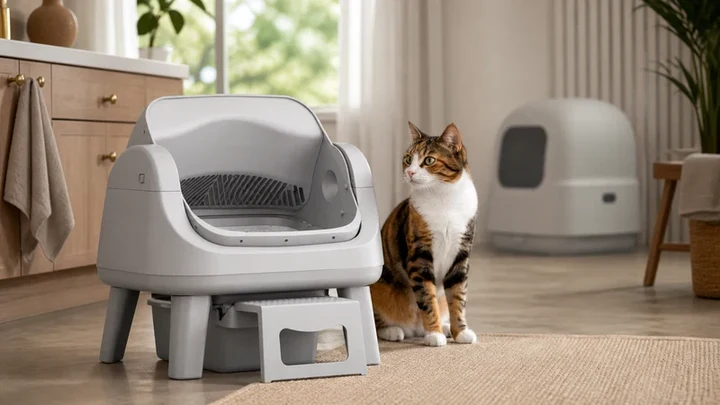
Self-Cleaning Litter Box Pros and Cons: Honest Guide Before You Buy

About the Author
A self-cleaning litter box can cut daily scooping, control odor more steadily, and make litter care easier in a busy home. But it is not automatically the better choice for every cat. The right call depends on your cat's personality, your cleaning routine, your budget, and how much maintenance you are willing to trade for convenience. The question is not whether self-cleaning boxes are good or bad. It is whether the trade-offs work for your cat and your daily life. Both pros and cons are equally important and are included in this guide to help you make the right decision. How Do Self-Cleaning Litter Boxes Work? The basic sequence is identical across all designs, but the specifics may differ. Sensors recognize the presence of your cat, wait after she leaves the box, and filter dirty litter. Sensors Recognize Cat’s Presence in the Box Weight sensors in the box's base detect when your cat enters and leaves the litter box. Advanced sensors incorporate infrared or motion detectors right at the entrance. A waiting period begins after the cat leaves the box. This period lasts from 3 to 15 minutes to let the litter clump and prevent the machine from working while the cat is nearby. Machine Filters Dirty Litter The raking systems use combs that move along the litter bed to separate litter clumps. Roto-systems involve tilting globe or drum to filter the waste into a drawer. Self-Cleaning Litter Box Pros. The advantages show up most where daily scooping is already hard to keep up with. Advantage What it means for you Fewer scoops per day You empty a waste drawer every few days instead of scooping twice daily. TheAutoScooper 12 Lite cat litter box seals waste into a drawer after each use, turning a daily chore into a weekly one. Better odor control Waste gets sealed within minutes. Compare that to an open tray sitting until you scoop it. The difference shows most in small apartments and homes where the box sits near a living area. Consistently clean litter Your cat steps into a fresh bed every visit. According to Vets, a dirty box is a leading cause of refusal. And, a box that cleans after each use takes that problem off the table. Easier on the body Daily scooping means bending, kneeling, lifting. For someone with chronic pain or limited mobility, that adds up. An automatic box shifts the task to a less frequent drawer change. Self-Cleaning Litter Box Cons and Hidden Problems The downsides are real too. Downside What to expect Noise and movement Motors and moving parts make sounds a plain box never does. Some cats hesitate, avoid it, or refuse it outright. Gradual introduction helps many. Not all. Higher cost Self-cleaning boxes cost far more than a tray up front. Then come proprietary litter, filters, drawer liners, and occasional parts. For one healthy cat with a simple routine, those costs may never pay back. Still needs cleaning Automatic does not mean hands-off. The drawer needs emptying, sensors need wiping, litter needs refilling. Scooping happens less often. Mechanical upkeep takes its place. Harder to spot health changes When waste disappears on its own, owners stop looking. Changes in stool, urine, blood, or visit frequency are early illness signs.VCA's guidance on house soiling notes that litter-box habit shifts are often the first sign of a medical issue. Let the machine clean. Do the watching yourself. Not every cat fits Large cats may not fit inside a compact drum. Seniors struggle with high entries. Cats that prefer open boxes refuse enclosed machines. Check the fit before you buy. Automatic Litter Box vs. Regular Litter Box Feature Automatic Traditional Daily scooping Less frequent (empty drawer every few days) Required (once or twice a day) Upfront cost Higher Lower Ongoing cost Filters, liners, proprietary litter possible Litter and bags only Maintenance Mechanical (sensors, motor, parts) Simple (scoop, wash, replace) Cat acceptance Varies — noise and movement can deter some Usually easier Odor control Seals waste quickly after each visit Depends on how often you scoop Health observation Waste removed fast — need to check drawer Direct — you see waste when you scoop Neither type wins across the board. It depends on the cat, the schedule, and which trade-off you prefer. Who Should Consider a Self-Cleaning Litter Box? These boxes pay off when they solve a real problem. If you are looking at an automatic cat litter box, here is where one usually earns its keep. Multi-cat households where waste builds up fast and one box gets dirty before you can scoop it Busy owners whose work, commuting, or travel makes daily scooping hard to keep up Small apartments where sealing waste quickly matters for odor control in tight quarters Owners who consistently forget or dislike daily scooping People with physical limitations who need to reduce bending, kneeling, and lifting Who Should Avoid a Self-Cleaning Litter Box? It’s not for everyone. Avoid it if: You Have Machines-Fearing Cats They will freak out at the sound when it comes up. It won’t use it, peeing somewhere else, hiding behind things, grooming too much or stopping to eat near it. Even if you introduce it gradually for two weeks, a conventional litter box is what you need. Arthritic Senior Cats Since most automated boxes rest on a platform where the drawers slide out, they make the entry point higher than usual. Older cats who have difficulty climbing will suffer a lot. An open low-entry litter box might suit them better. Cats with Litter Box Issues This will do nothing to solve the problem that causes your cat to avoid the litter box in the first place. It could be stress, some health condition, or an undetected litter preference. Owners Who Don’t Like Maintaining Anything Zero maintenance does not exist. You’ll be cleaning the drawer, wiping the sensors, refilling the litter box, troubleshooting issues. For some people, an open litter box is just easier to deal with. Houses Where Conventional Litter Boxes Do the Job Just Fine When your cat uses a normal box without having any trouble and it only takes one minute a day to clean it up, think twice before making the change. How to Introduce a Self-Cleaning Litter Box to Your Cat Introduction matters as much as the box. Keep the old one in place beside the new one. Let the cat check it out at its own pace. Leave the new box off at first, so the cat gets used to it before any motor runs. Once the cat steps in and out without hesitating, run the first few cycles while the cat is in another room. Then switch to manual mode for a few days. Clean by hand each time the cat leaves. Watch for hesitation, refusal, stress. Only hand over to full automatic once the cat has used the box comfortably for several days and the sensors stop the cycle when the cat walks back mid-clean. How Long Do Self-Cleaning Litter Boxes Last? Two to four years is typical. Build quality matters. So does sensor care and how many cats share it. Three cats wear the motor faster than one. Keep dust off the sensors, use the right litter. Grinding or stalling after two years usually means the motor or rake is done. How Often Do You Need to Change Litter in a Self-Cleaning Litter Box? Less scooping does not mean the litter takes care of itself. Top up every few days and do a full change on a schedule. How often depends on cat count, litter type, drawer size, and how fast odor builds. Single-cat owners usually swap litter every two to four weeks. Multi-cat homes go faster. Cornell's guidance on feline lower urinary tract disease recommends keeping boxes clean and in quiet, safe areas. Never let litter sit so long the box starts to smell. What Not to Do With a Self-Cleaning Litter Box Do Not Immediately Strip the Cat of Its Familiar Box. Leave the box the cat has been using close to the automatic box while waiting for it to choose the new one. This is the biggest mistake people make in using this type of litter box. Never neglect warning signs. If the cat stops using the box or goes somewhere else, or if it seems stressed in relation to the machine, you need to take action now because there is something wrong either with the sound, the way of entering, or the location of the machine. You should never ignore the maintenance. The sensors that are dirty, the drawer that is already full of waste, or any other problem will render the device useless. Follow the maintenance schedule of the manufacturer. Avoid relying on features alone. The features like app tracking or WiFi are additional. What really matters are other factors. FAQs Do Vets Recommend Self-Cleaning Litter Boxes? Certainly, for healthy adult cats with a proper design. More caution is needed when using self-cleaning boxes with kittens, older cats, and nervous cats. The important thing is to see that the cat uses the box voluntarily and the owner monitors the cat's health changes. What Are the Disadvantages of Using a Self-Cleaning Litter Box? First, there is cost, followed by noise, maintenance of the mechanics, limited litter compatibility, and the possibility of masking signs of illness. Are Self-Cleaning Litter Boxes Actually Worth It? When they solve a real daily problem, yes. Multi-cat homes, packed schedules, physical limitations, tight apartments. If your one cat uses a plain box fine and you scoop in under two minutes, probably not. Can a Self-Cleaning Litter Box Replace a Regular Litter Box? Once the cat is on board, yes. Keep a plain backup for power cuts, faults, and cleaning cycles. In a multi-cat home it counts as one box in the one-per-cat-plus-one count. Do Cats Actually Like Automatic Litter Boxes? Most cats come around. They prefer clean litter, and a self-cleaning box keeps it fresh after every visit. Some never accept the noise. Forcing it makes things worse. Gradual start with the old box available gives the best chance. Sources Feline health faculty, Cornell Feline Health Center, Cornell University College of Veterinary Medicine — Feline Behavior Problems: House Soiling Feline health faculty, Cornell Feline Health Center, Cornell University College of Veterinary Medicine — Feline Lower Urinary Tract Disease Veterinary behavior team, VCA Animal Hospitals — Cat Behavior Problems: House Soiling in Cats
How Do Self-Cleaning Litter Boxes Work?
Sensors Recognize Cat’s Presence in the Box
Machine Filters Dirty Litter
Self-Cleaning Litter Box Pros.

|
Advantage
|
What it means for you
|
|
Fewer scoops per day
|
You empty a waste drawer every few days instead of scooping twice daily. TheAutoScooper 12 Lite cat litter box seals waste into a drawer after each use, turning a daily chore into a weekly one.
|
|
Better odor control
|
Waste gets sealed within minutes. Compare that to an open tray sitting until you scoop it. The difference shows most in small apartments and homes where the box sits near a living area.
|
|
Consistently clean litter
|
Your cat steps into a fresh bed every visit. According to Vets, a dirty box is a leading cause of refusal. And, a box that cleans after each use takes that problem off the table.
|
|
Easier on the body
|
Daily scooping means bending, kneeling, lifting. For someone with chronic pain or limited mobility, that adds up. An automatic box shifts the task to a less frequent drawer change.
|
Self-Cleaning Litter Box Cons and Hidden Problems
|
Downside
|
What to expect
|
|
Noise and movement
|
Motors and moving parts make sounds a plain box never does. Some cats hesitate, avoid it, or refuse it outright. Gradual introduction helps many. Not all.
|
|
Higher cost
|
Self-cleaning boxes cost far more than a tray up front. Then come proprietary litter, filters, drawer liners, and occasional parts. For one healthy cat with a simple routine, those costs may never pay back.
|
|
Still needs cleaning
|
Automatic does not mean hands-off. The drawer needs emptying, sensors need wiping, litter needs refilling. Scooping happens less often. Mechanical upkeep takes its place.
|
|
Harder to spot health changes
|
When waste disappears on its own, owners stop looking. Changes in stool, urine, blood, or visit frequency are early illness signs.VCA's guidance on house soiling notes that litter-box habit shifts are often the first sign of a medical issue. Let the machine clean. Do the watching yourself.
|
|
Not every cat fits
|
Large cats may not fit inside a compact drum. Seniors struggle with high entries. Cats that prefer open boxes refuse enclosed machines. Check the fit before you buy.
|
Automatic Litter Box vs. Regular Litter Box
|
Feature
|
Automatic
|
Traditional
|
|
Daily scooping
|
Less frequent (empty drawer every few days)
|
Required (once or twice a day)
|
|
Upfront cost
|
Higher
|
Lower
|
|
Ongoing cost
|
Filters, liners, proprietary litter possible
|
Litter and bags only
|
|
Maintenance
|
Mechanical (sensors, motor, parts)
|
Simple (scoop, wash, replace)
|
|
Cat acceptance
|
Varies — noise and movement can deter some
|
Usually easier
|
|
Odor control
|
Seals waste quickly after each visit
|
Depends on how often you scoop
|
|
Health observation
|
Waste removed fast — need to check drawer
|
Direct — you see waste when you scoop
|
Who Should Consider a Self-Cleaning Litter Box?
-
Multi-cat households where waste builds up fast and one box gets dirty before you can scoop it
-
Busy owners whose work, commuting, or travel makes daily scooping hard to keep up
-
Small apartments where sealing waste quickly matters for odor control in tight quarters
-
Owners who consistently forget or dislike daily scooping
-
People with physical limitations who need to reduce bending, kneeling, and lifting
Who Should Avoid a Self-Cleaning Litter Box?

-
You Have Machines-Fearing Cats
-
Arthritic Senior Cats
-
Cats with Litter Box Issues
-
Owners Who Don’t Like Maintaining Anything
-
Houses Where Conventional Litter Boxes Do the Job Just Fine
How to Introduce a Self-Cleaning Litter Box to Your Cat

How Long Do Self-Cleaning Litter Boxes Last?
How Often Do You Need to Change Litter in a Self-Cleaning Litter Box?
What Not to Do With a Self-Cleaning Litter Box
FAQs
Do Vets Recommend Self-Cleaning Litter Boxes?
What Are the Disadvantages of Using a Self-Cleaning Litter Box?
Are Self-Cleaning Litter Boxes Actually Worth It?
Can a Self-Cleaning Litter Box Replace a Regular Litter Box?
Do Cats Actually Like Automatic Litter Boxes?
Sources
- Feline health faculty, Cornell Feline Health Center, Cornell University College of Veterinary Medicine — Feline Behavior Problems: House Soiling
- Feline health faculty, Cornell Feline Health Center, Cornell University College of Veterinary Medicine — Feline Lower Urinary Tract Disease
- Veterinary behavior team, VCA Animal Hospitals — Cat Behavior Problems: House Soiling in Cats
You may also like


Further reading
Automatic Litter Box Safety Checklist: 12 Checks Before You Switch It On
Self-Cleaning Litter Box Pros and Cons: Honest Guide Before You Buy
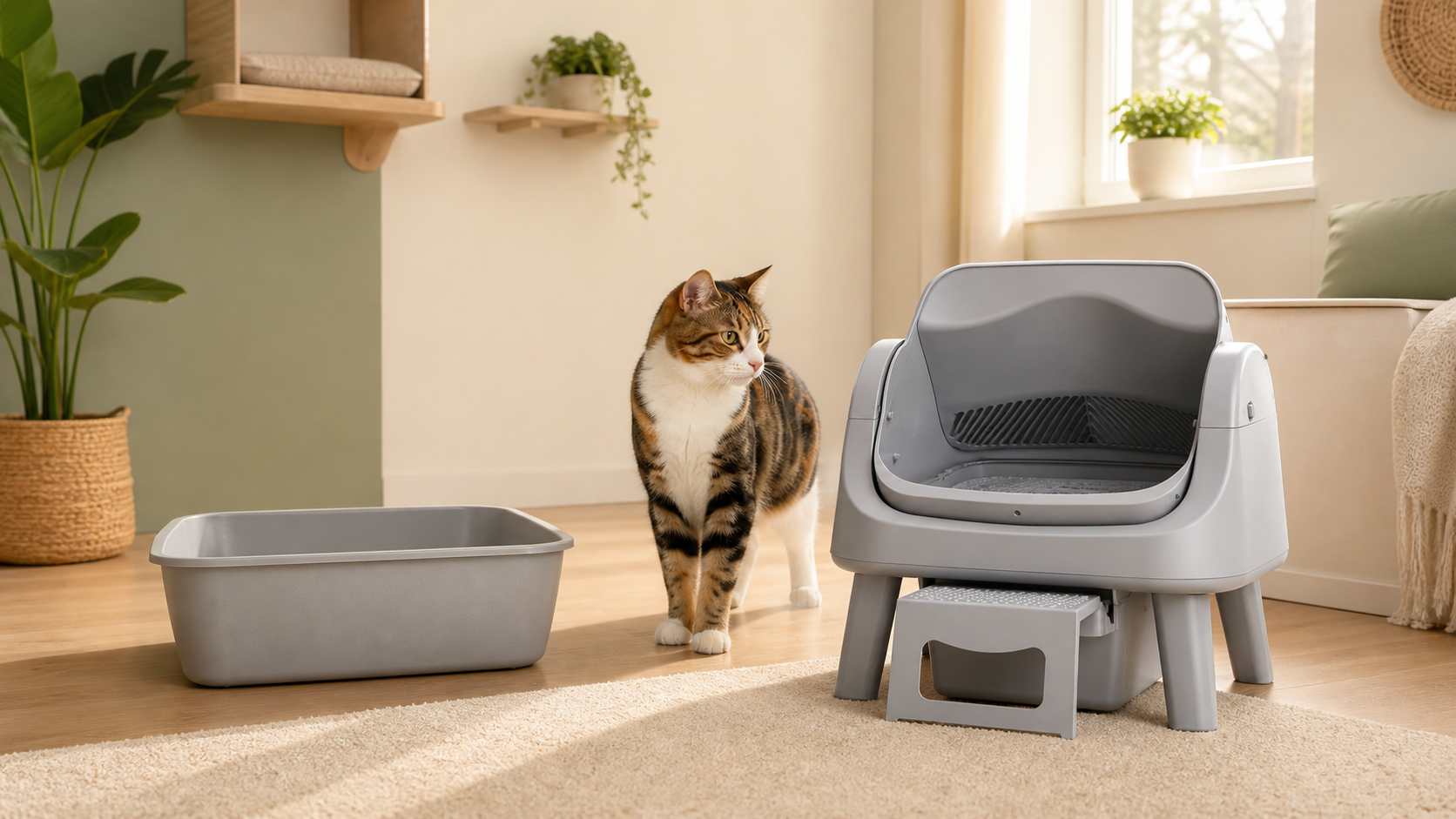
Publication Draft Traditional Litter Boxes vs. Self-Cleaning Litter Boxes: Which Is Right for Your Cat?
