9 Practical Ways on How to Reduce Cat Litter Tracking

About the Author
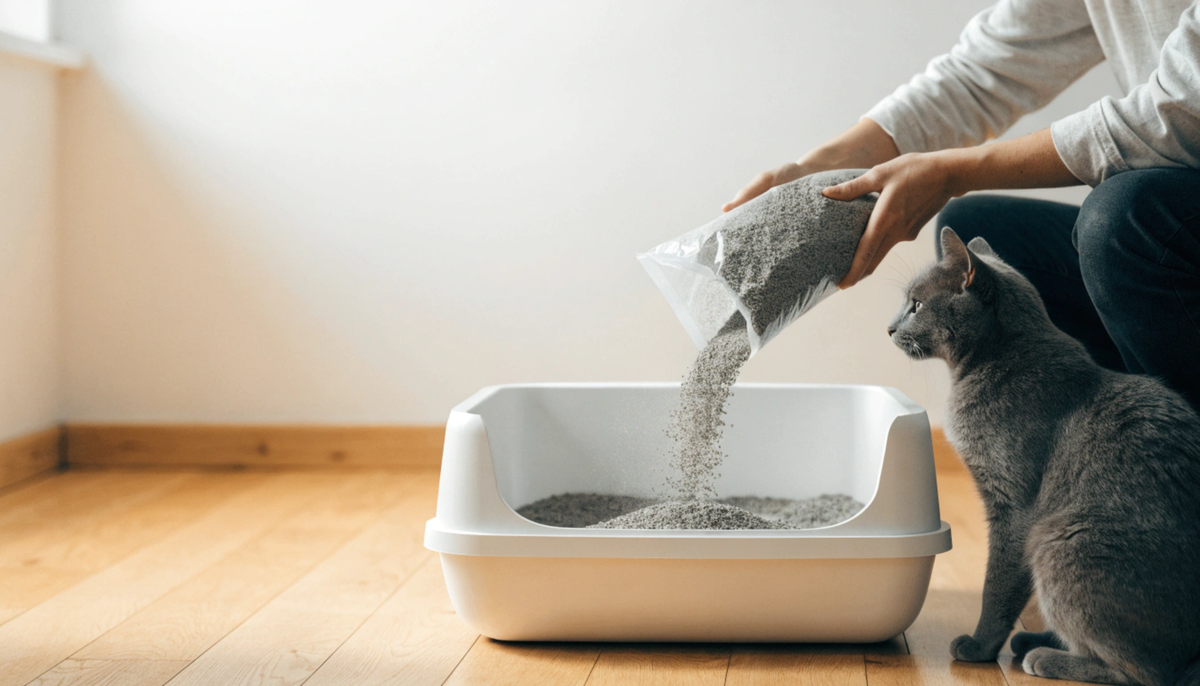
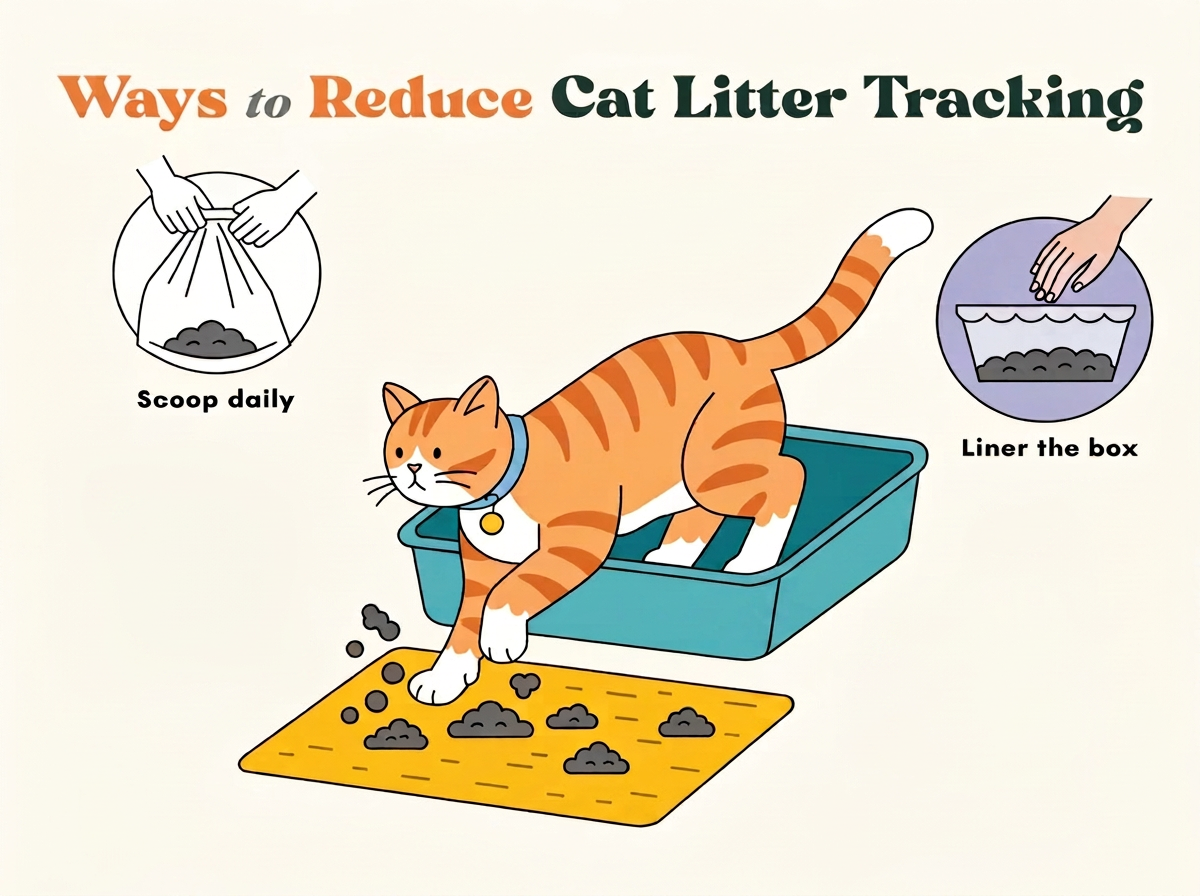
You can reduce cat litter tracking by using larger, heavier litter, a roomy high-sided box, and a wide mat or longer exit path. Scoop daily and clean loose litter around the box before it gets carried into other rooms. Most litter escapes in three ways: it sticks to your cat’s paws or fur, gets kicked out while digging, or spreads farther through the home after it lands on the floor. If litter clings to the paws, start with the litter type. If your cat throws it over the sides, adjust the box size, wall height, or litter depth. If the mess travels into hallways, bedrooms, or furniture, focus on the exit area and catch the litter closer to the box. What you notice Best first step Fine litter stuck to paws Switch to larger, heavier, lower-dust granules Litter thrown over the sides Use a larger box with higher sides Cat jumps over the mat Extend the exit path instead of relying on the mat Litter spread far beyond the box Clean the first few feet around the box daily Long-haired cat carries litter Check and carefully trim the fur between the toes Automatic box still tracks Run it soon after use and add a large exit mat Why Does Cat Litter Track Everywhere? Tracking is not one problem but several, and each has a different fix. Pin down which one is happening in your home before you change anything. 1. Litter Sticks to Paws and Fur Tracking starts at paw level. Fine, lightweight, or dusty litter clings to the soft pads and the hair between the toes, and the cat then sheds it step by step across the room. Cats often shake litter off their paws as they leave the box, which spreads it further. 2. Digging Throws Litter Out of the Box Scatter happens right at the box during normal digging and burying. An enthusiastic digger flings grains over the edge, and a shallow or low-sided pan offers no defense, dropping litter straight onto the floor before any tracking begins. 3. Fast Exits Spread Litter Farther Some cats leap or bolt out at top speed, clearing a small mat entirely and carrying grains deep into hallways and carpet. Some cats that launched out of the box at full tilt, scattering litter across several rooms even with a robot vacuum running daily. 4. People Can Spread Litter Too Once grains land on an open walkway, foot traffic takes over. Family members carry fine particles on bare feet, socks, and shoe soles into the rest of the home. One cat owner found that sweeping the area around the box twice a day stopped litter from sticking to socks and traveling. 9 practical Ways to Reduce Cat Litter Tracking The fix is to close the specific point where litter is escaping. Here are nine, from the litter itself to the exit path and cleanup. 1. Choose Larger, Heavier Litter Particles Fine, light litter travels farthest, since small grains cling to pads and fur. Larger, heavier granules tend to fall off near the box instead of reaching the hallway. Pellets help too, because the pieces are too big to lodge between the toes, and low-dust formulas cut the fine dust that spreads. Keep in mind that most cats still like a fine, unscented texture. So before you make a big switch, make sure your cat will still use the new litter. 2. Use a Larger Litter Box With Higher Sides A cramped box gives a digger less room to turn and cover, so litter goes over the sides, especially when the cat digs near the edge. A larger box with higher walls contains more of what gets kicked back. For many cats, a high-sided box with one lower entry beats jumping straight to a top-entry design. The lower entrance keeps access easy for kittens, seniors, overweight cats, and cats with limited mobility, while the taller sides still hold the scatter in. 3. Keep the Litter Depth Consistent More litter is not better. Overfill the box and the loose top layer sits near the rim, easy to kick out and quick to stick to paws. Use enough for your cat to dig and cover comfortably, then hold that level rather than constantly topping off. Do not go too shallow either, since a cat that cannot cover waste may dig harder against the bottom. 4. Create a Longer Exit Path One of the most effective moves is to stop the cat stepping straight from loose litter onto open floor. Extra steps give the grains time to drop before the cat reaches the rest of the house, which helps most with cats that clear a small mat in one stride. Build that path with litter-box furniture, a large enclosure, a DIY storage tote, or a washable rug between the tray and the exit. The goal is not to trap the cat, only to add contained walking distance. One owner used a furniture enclosure so the cat had to cross the inside before stepping out; another placed the box at one end of a storage tote with a rug between the box and the opening. 5. Use a Larger Litter-Catching Mat A bigger mat with a texture that pulls grains from the paws, ridges, grooves, or a coarse weave, catches more than a thin flat one. Size is what matters most: a mat the cat clears in a single leap does nothing, so extend the catching zone well beyond the front of the box. 6. Scoop Often Enough to Keep the Litter Dry and Clear Damp, soiled litter clings to paws far more than dry, clean litter. Scooping at least once a day keeps the surface dry and cuts what sticks on the way out. It also keeps the box appealing, which matters more than any anti-tracking trick. 7. Keep the First Few Feet Around the Box Clean Whatever litter does escape collects in the first few feet around the box. Sweep or vacuum that zone daily so grains do not get picked up on feet and carried off. This is the single step owners most often credit with stopping the whole-house spread. 8. Check Long Paw Fur Long-haired cats trap litter in the fur between their toes and carry it out like a brush. Carefully trimming that tuft level with the paw pad, or asking a groomer to, gives the litter less to cling to. Leave the rest of the paw alone. 9. Use Automatic Cleanup as a Backup Automated cleanup is a backup, not a cure for tracking. Automatic cleaning removes clumps between visits, but it cannot remove the dry granules already stuck to a cat's paws, and those are what track through the house. If you use the Autoscooper 12 lite cat litter box, pair a compatible clumping litter with a wide mat placed along the cat's actual exit path. It will not stop a cat that digs hard or bolts out, so lean on the litter, box, and exit-path fixes above. What Not to Do A few common fixes stop the litter but cost you the cat's cooperation. Avoid these. Do Not Switch Litter Abruptly A sudden change in texture or scent can push a cat off the box. Transition over one to two weeks by mixing the new litter into the old. Do Not Force Every Cat Into a Covered Box A hood contains some scatter, but many cats dislike the enclosed feel and the trapped odor. Push it on an unwilling cat and you risk avoidance. Do Not Use a Top-Entry Box for a Cat That Struggles to Jump Top-entry boxes cut tracking, but they are wrong for kittens, seniors, overweight cats, and any cat with a mobility problem. A high-sided box with a low entry is the gentler option. Do Not Move the Box Somewhere Inconvenient Just to Hide Litter Banishing the box to a far basement or cramped closet to contain the mess often ends in accidents. The box still has to be somewhere the cat will readily use. Do Not Expect Cleaning Alone to Fix the Source Sweeping manages the symptom. If litter keeps escaping, the real fix is at the box, the litter, the size, the sides, or the exit path, not the broom. What Is the Best Litter for Less Tracking? No single litter suits every cat, so match a lower-tracking option to what your cat will actually use. 1. Look for Particle Size and Weight First Larger, heavier, low-dust granules and pellets track least, because they fall off near the box and are too big to wedge between the toes. That is the first thing to check on any bag. 2. Compare Common Litter Types Clay, pine, tofu, paper, corn, and crystal each trade off clumping, dust, odor, weight, and texture. A study of feline litter preferences found cats leaned toward clay overall, a reminder that a low-tracking litter only helps if the cat keeps using it. Litter type Tracking tendency Main tradeoff Fine clay Often higher Good clumping, but small grains cling to paws Larger-grain clay Usually lower Heavier to carry and pour Pine pellets Usually low Different texture; cat may need time to accept Tofu pellets Usually low Acceptance and cost vary Paper pellets Low Texture differs from traditional litter Crystal Low to moderate Large crystals can feel rough on paws 3. Change Litter Gradually Switch litter slowly, mixing more of the new type into the old over a week or two. An abrupt change can push a cat off the box, and a cat avoiding the box is a bigger problem than tracking. What if the Litter Mat Is Not Working? A mat that does not seem to help usually has a fixable reason behind it. The Mat May Be Too Small: A small mat only catches grains from a step or two. Go larger so the cat crosses more of it before reaching the floor. The Cat May Be Jumping Over It: A cat that leaps clear of the mat never touches it. Extend the exit path or widen the catching zone instead of relying on the mat alone. The Mat May Be In the Wrong Place: If it does not sit directly in the cat's path out of the box, the cat steps around it. Line it up with the actual exit route, flush against the box. The Wrong Problem May Be Getting Treated: A mat catches what is on the paws. It does nothing about litter flung over the sides during digging, which needs a bigger, higher box instead. What Could Replace the Litter Mat? It could be either washable runner, rubber bath mat, or boot tray if it is non-slippery, flat, cleanable, and doesn't trap claws. In lieu of hunting after a certain product, just consider it on the following features: Washable: it should be possible to wash it because any item that accumulates debris and can't be washed is potentially hazardous to hygiene Non-slippery: it should stay flat and won't slide under cats' feet when they jump out from the box, so no slippery runners and lightweight mats Low profile: it is easy for a cat to step on it, and it isn't going to be an obstacle for kittens and elderly cats Claw-friendly: it doesn't have loops, fluffy texture, or hard bristles Large enough: it covers the area of several steps outside of the box where the majority of the litter falls A few setups meet those criteria well. A rubber-backed bath mat pulls litter from the paws and goes straight in the wash. A shallow boot tray under or beside the box catches scattered granules in one washable place. And a washable runner along the exit path gives the cat a few steps on a safe surface before it reaches the room. Some owners take the walkway idea further, placing the box at one end of a long, low container with a washable rug in front of it. That creates an extended path, so the litter drops from the cat's paws before it steps onto the living-room floor. How to Reduce Litter Tracking From an Automatic Litter Box Automatic litter boxes track for the same reasons manual ones do, plus one of their own: the cycle can leave a cleaned, slightly damp surface that clings to paws. Set it to run soon after use so paws meet dry litter. Use a larger, heavier low-dust litter that is compatible with the machine. Put a large mat or a rug-lined tray at the exit, and keep the surrounding floor swept, since the machine handles waste but not the grains a cat carries out. Keep the Litter Depth Consistent A note on waste: Using a steady, sensible fill level also means you throw away less clean litter over time, since overfilling is what gets kicked out and swept up. Cutting tracking and cutting waste tend to go hand in hand. What Is the Best Litter for Less Tracking? The lowest-tracking litter is one with larger, heavier, low-dust granules, because they fall off near the box and are too big to wedge between the toes. Judge any litter on these tracking-specific traits: Trait Lower Tracking Particle Size Larger granules or pellets Weight Heavier grains that drop off fast Dust Level Low-dust or dust-free formulas Texture Non-clumping pellets track least; fine clay tracks most Most cats still prefer a fine, unscented texture, so a low-tracking litter only helps if your cat keeps using it. Change types gradually to avoid box refusal. Is It Normal for Cats to Throw Litter Everywhere? Digging, scratching, and covering are normal, healthy cat behaviors, so some scatter is expected. What you can change is how far it spreads, through box size, litter choice, and the exit path, not the instinct itself. A sudden change in digging or box habits, though, is worth a vet's attention. FAQs Can Tracked Litter Cause the Transmission of Bacteria or Parasites Around the House? Tracked litter will have traces of urine or feces in it, and you should handle it with that in mind by cleaning it up immediately. You should also wash your hands after touching litter because the feces of your cat can carry parasites like Toxoplasma gondii. If you are pregnant or have a weak immune system, seek advice from your health care provider or public health officials, such as the CDC's guidelines for toxoplasmosis. Why is My Cat Suddenly Tracing More Litter? A sudden jump almost always follows a recent change. Check for: A new type of litter A fuller box than usual A different box size or shape A mat that has shifted out of place Undo the recent change first. If your cat's box habits also changed, such as digging longer or going outside the box, ask your vet to rule out a medical cause. Does Litter Tracking Get Worse With More Than One Cat? Usually, yes, more cats mean more trips in and out, more digging, and more paws spreading grains. A few things help: Give each cat a larger box with higher sides Add a mat or exit path at every box Scoop more often to keep the litter dry Distribute the boxes such that one busy box does not become the prime hot spot Are Litter Mats With Openings Better Than Regular Ones? Generally, yes. Opening mats will collect the grains within their openings whereas the flat mat will just wipe the surface allowing paws to lift up litter again. The bigger size wins over pattern in either case. Does the Type of Flooring Impact Litter Spreading? The difference is purely visual. It may be easier to spot but harder to vacuum on dark floors, tile lines, and low pile carpets, versus harder and lighter floors that make the litter invisible and easy to vacuum. Given that you cannot alter the flooring, concentrate on collecting litter before its tracking begins. Where Is the Place for Me to Put the Litter Box? The litter box should be placed where it is: Roomy enough for a mat or exit path Quiet and low-traffic Hard floor that sweeps easily Avoid carpet, tight corners, and busy walkways, where grains get picked up fast. Above all, the box has to be somewhere your cat will happily use, so do not hide it away just to contain the mess. How Often Should I Clean Tracked Litter? Sweep or vacuum around the box once a day, and spot-clean busy paths as needed. Daily cleanup keeps grains from getting ground into carpet or carried off on feet and socks, which is far easier than letting litter build up and spread. Sources Veterinary behavior team, VCA Animal Hospitals — Litter Box Training for Kittens and Cats Feline health faculty, Cornell Feline Health Center, Cornell University College of Veterinary Medicine — Choosing and Caring for Your New Cat Feline behavior researchers, IAABC Foundation Journal — Evaluating Litter Substrate Preferences in a Population of Cats Veterinary editorial team, VCA Animal Hospitals — Urinary Tract Infections (UTIs) in Cats
|
What you notice
|
Best first step
|
|
Fine litter stuck to paws
|
Switch to larger, heavier, lower-dust granules
|
|
Litter thrown over the sides
|
Use a larger box with higher sides
|
|
Cat jumps over the mat
|
Extend the exit path instead of relying on the mat
|
|
Litter spread far beyond the box
|
Clean the first few feet around the box daily
|
|
Long-haired cat carries litter
|
Check and carefully trim the fur between the toes
|
|
Automatic box still tracks
|
Run it soon after use and add a large exit mat
|
Why Does Cat Litter Track Everywhere?
1. Litter Sticks to Paws and Fur
2. Digging Throws Litter Out of the Box

3. Fast Exits Spread Litter Farther
4. People Can Spread Litter Too
9 practical Ways to Reduce Cat Litter Tracking
1. Choose Larger, Heavier Litter Particles
2. Use a Larger Litter Box With Higher Sides

3. Keep the Litter Depth Consistent
4. Create a Longer Exit Path
5. Use a Larger Litter-Catching Mat

6. Scoop Often Enough to Keep the Litter Dry and Clear
7. Keep the First Few Feet Around the Box Clean
8. Check Long Paw Fur

9. Use Automatic Cleanup as a Backup

What Not to Do
-
Do Not Switch Litter Abruptly
-
Do Not Force Every Cat Into a Covered Box
-
Do Not Use a Top-Entry Box for a Cat That Struggles to Jump
-
Do Not Move the Box Somewhere Inconvenient Just to Hide Litter
-
Do Not Expect Cleaning Alone to Fix the Source
What Is the Best Litter for Less Tracking?
1. Look for Particle Size and Weight First
2. Compare Common Litter Types
|
Litter type
|
Tracking tendency
|
Main tradeoff
|
|
Fine clay
|
Often higher
|
Good clumping, but small grains cling to paws
|
|
Larger-grain clay
|
Usually lower
|
Heavier to carry and pour
|
|
Pine pellets
|
Usually low
|
Different texture; cat may need time to accept
|
|
Tofu pellets
|
Usually low
|
Acceptance and cost vary
|
|
Paper pellets
|
Low
|
Texture differs from traditional litter
|
|
Crystal
|
Low to moderate
|
Large crystals can feel rough on paws
|
3. Change Litter Gradually
What if the Litter Mat Is Not Working?
-
The Mat May Be Too Small: A small mat only catches grains from a step or two. Go larger so the cat crosses more of it before reaching the floor.
-
The Cat May Be Jumping Over It: A cat that leaps clear of the mat never touches it. Extend the exit path or widen the catching zone instead of relying on the mat alone.
-
The Mat May Be In the Wrong Place: If it does not sit directly in the cat's path out of the box, the cat steps around it. Line it up with the actual exit route, flush against the box.
-
The Wrong Problem May Be Getting Treated: A mat catches what is on the paws. It does nothing about litter flung over the sides during digging, which needs a bigger, higher box instead.
What Could Replace the Litter Mat?
-
Washable: it should be possible to wash it because any item that accumulates debris and can't be washed is potentially hazardous to hygiene
-
Non-slippery: it should stay flat and won't slide under cats' feet when they jump out from the box, so no slippery runners and lightweight mats
-
Low profile: it is easy for a cat to step on it, and it isn't going to be an obstacle for kittens and elderly cats
-
Claw-friendly: it doesn't have loops, fluffy texture, or hard bristles
-
Large enough: it covers the area of several steps outside of the box where the majority of the litter falls
How to Reduce Litter Tracking From an Automatic Litter Box

Keep the Litter Depth Consistent
|
A note on waste: Using a steady, sensible fill level also means you throw away less clean litter over time, since overfilling is what gets kicked out and swept up. Cutting tracking and cutting waste tend to go hand in hand.
|
What Is the Best Litter for Less Tracking?
|
Trait
|
Lower Tracking
|
|
Particle Size
|
Larger granules or pellets
|
|
Weight
|
Heavier grains that drop off fast
|
|
Dust Level
|
Low-dust or dust-free formulas
|
|
Texture
|
Non-clumping pellets track least; fine clay tracks most
|
Is It Normal for Cats to Throw Litter Everywhere?
FAQs
Can Tracked Litter Cause the Transmission of Bacteria or Parasites Around the House?
Why is My Cat Suddenly Tracing More Litter?
-
A new type of litter
-
A fuller box than usual
-
A different box size or shape
-
A mat that has shifted out of place
Does Litter Tracking Get Worse With More Than One Cat?
-
Give each cat a larger box with higher sides
-
Add a mat or exit path at every box
-
Scoop more often to keep the litter dry
-
Distribute the boxes such that one busy box does not become the prime hot spot
Are Litter Mats With Openings Better Than Regular Ones?
Does the Type of Flooring Impact Litter Spreading?
Where Is the Place for Me to Put the Litter Box?
-
Roomy enough for a mat or exit path
-
Quiet and low-traffic
-
Hard floor that sweeps easily
How Often Should I Clean Tracked Litter?
Sources
-
Veterinary behavior team, VCA Animal Hospitals — Litter Box Training for Kittens and Cats
-
Feline health faculty, Cornell Feline Health Center, Cornell University College of Veterinary Medicine — Choosing and Caring for Your New Cat
-
Feline behavior researchers, IAABC Foundation Journal — Evaluating Litter Substrate Preferences in a Population of Cats
-
Veterinary editorial team, VCA Animal Hospitals — Urinary Tract Infections (UTIs) in Cats


You may also like

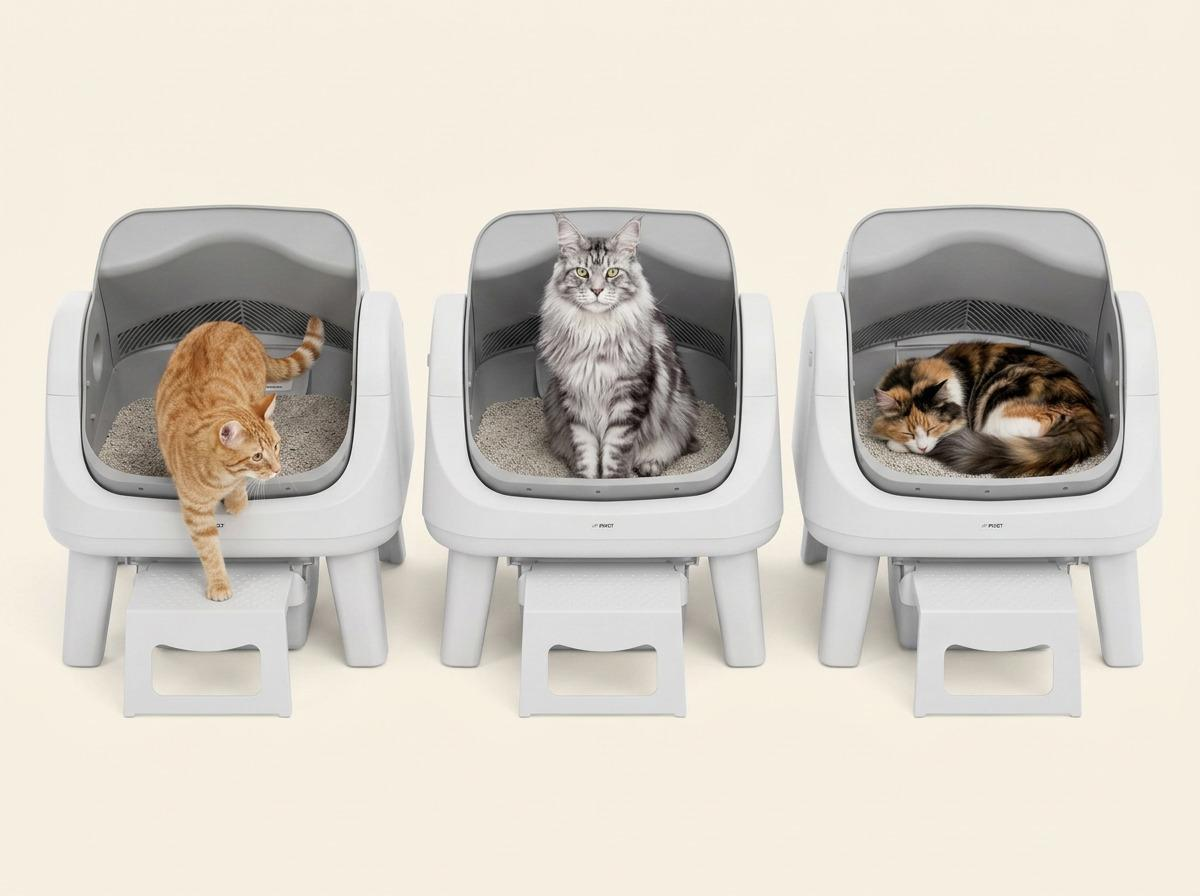
AutoScooper 12 Lite Cat Litter Box

AutoScooper 12 Lite Cat Litter Box-Gray

AutoScooper 12 Litter Base Bed – 2 Pack

AutoScooper 12 Waste Bags – 60 Count


Further reading

8 Best Cat Litters for Odor Control in 2026
Automatic Litter Box for Multiple Cats: Size and Capacity Guide
Automatic Litter Box Odor Control Test: What to Measure Before You Trust Reviews