Silica Cat Litter: Pros, Cons, and What to Know Firs

About the Author
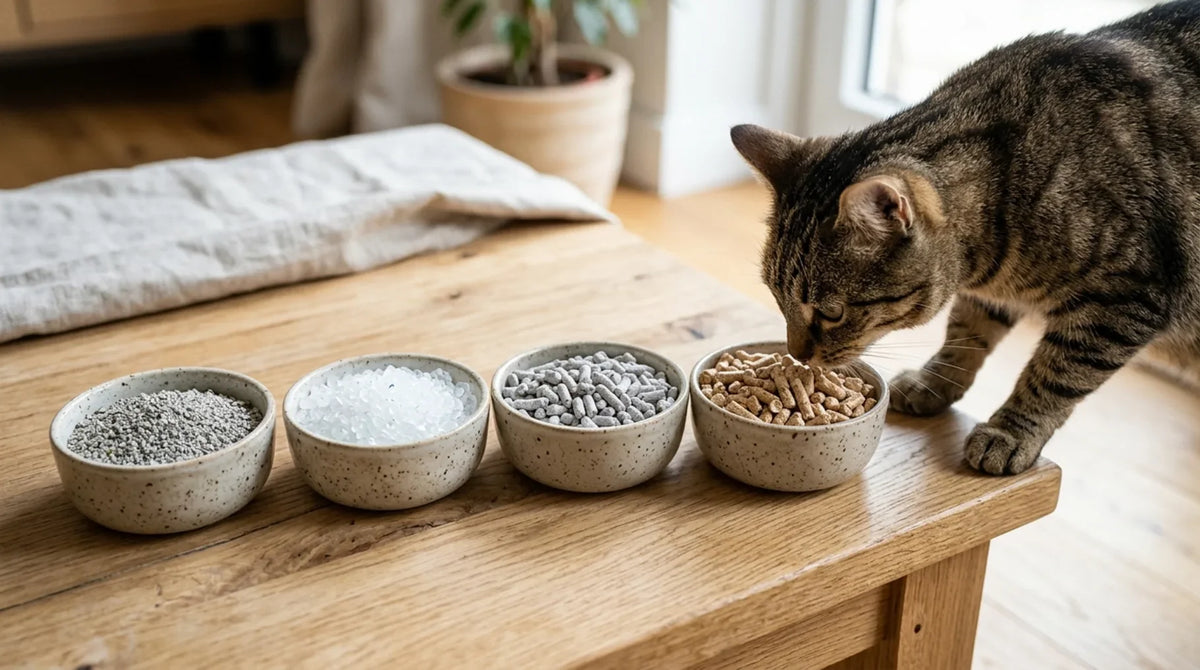
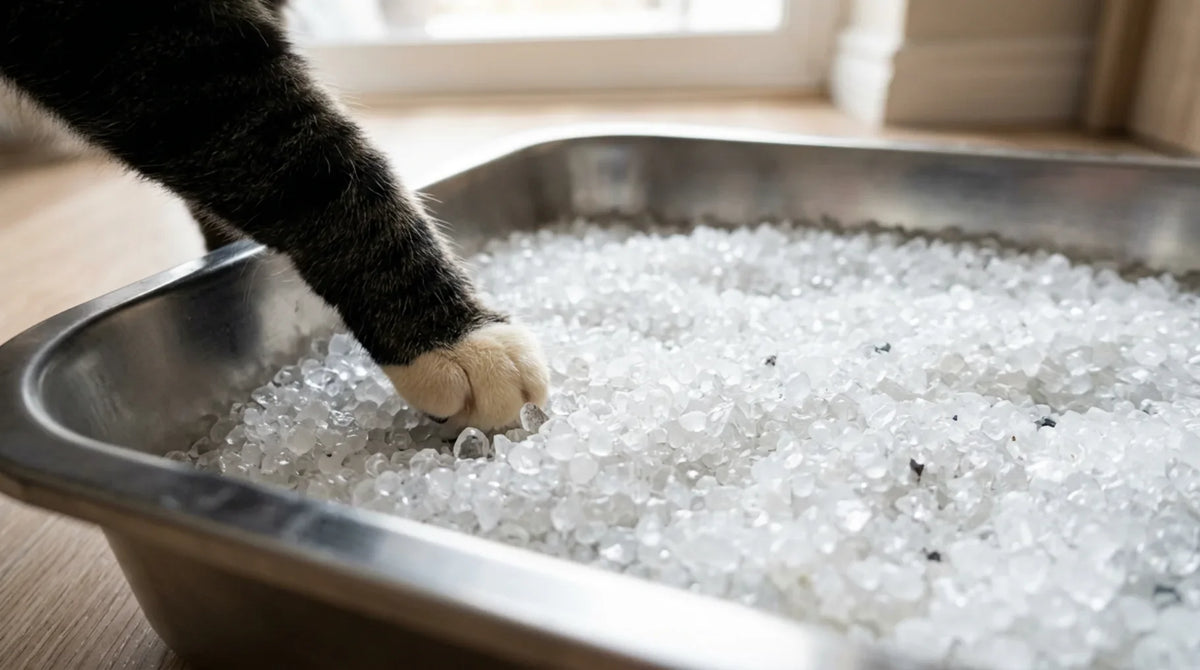
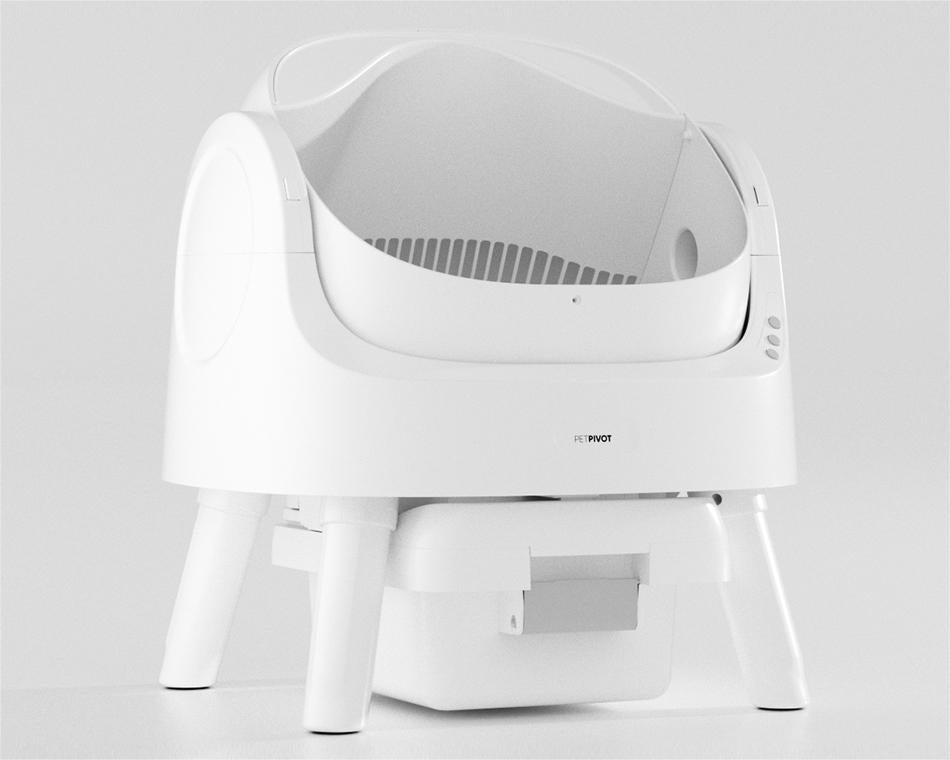
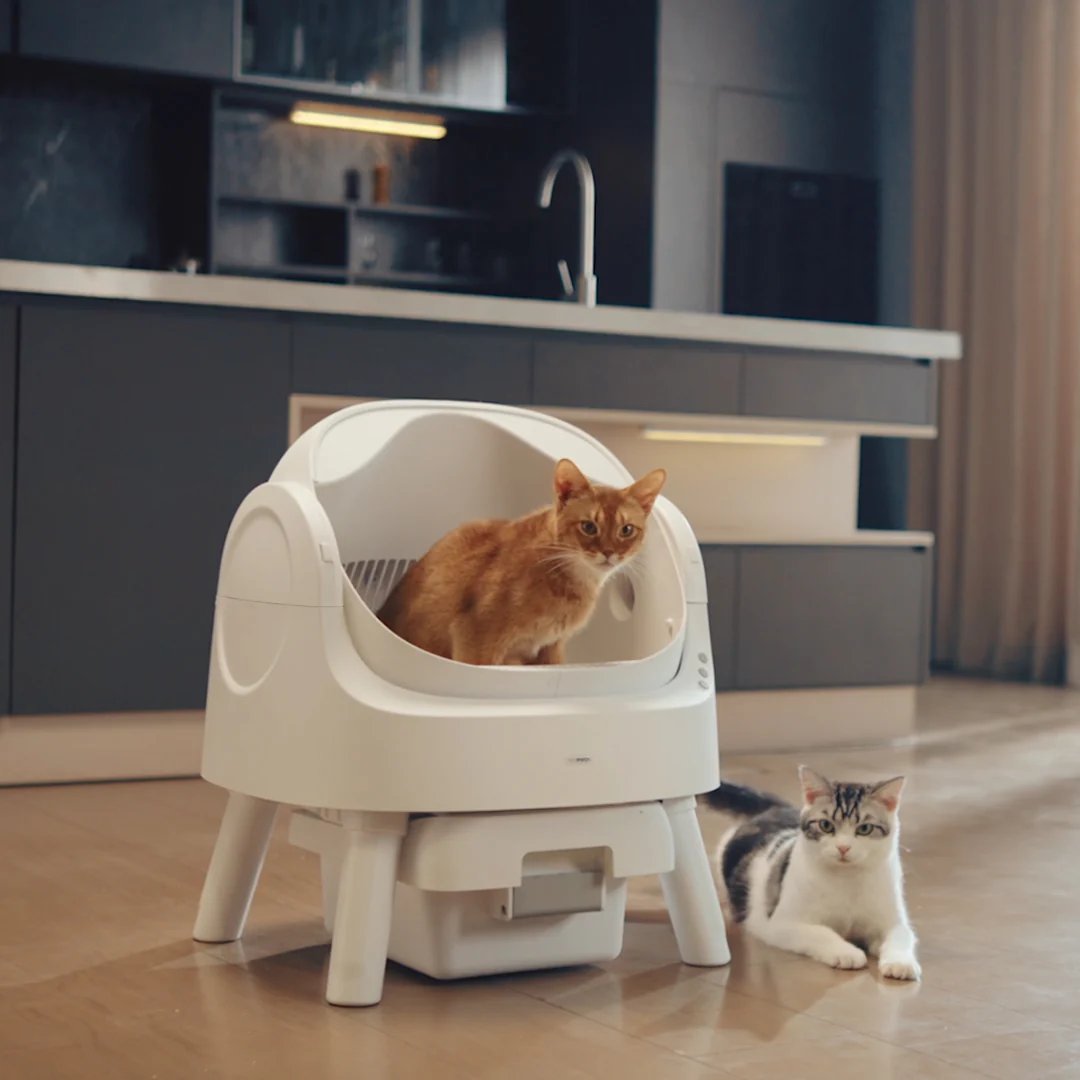
Silica cat litter can be a good option if your primary concerns are odor and moisture control and minimal maintenance. However, it may not suit all pets and all homes. The crystals absorb the waste liquid well and retain odors efficiently, and one layer of them could serve for several weeks for one pet. The drawbacks include the fact that the litter is prone to spreading around the house, the crystals may irritate your pet's paws, and when saturated, they will start to emit odors. If you're scooping clay every day and your room still smells like ammonia, a litter that promises a month of fresh air sounds very tempting. We have gathered everything about the pros and cons of silica and what you should know before making the change. What Is Silica Cat Litter and How Does It Work? Silica litter, also sold as crystal litter, is made from small porous granules. Unlike most clumping clay, it usually soaks up urine without forming a clump you can lift out. 1. What are Silica Gel Crystals Made of? Crystal litters contain silica gel, which is the very material used in those small packs found inside new shoes or electronic gadgets. According to some workplace safety materials, silica gel is known to be amorphous or non-crystalline form of silica. However, its dust may cause eye or respiratory irritation. 2. How Is Silica Litter Capable Of Absorbing The Urine? Each particle has a number of small pores that suck up the liquid when the kitty urinates, and part of the liquid is evaporated while the waste remains. For this reason, silica litters do not usually form urine clumps. You get rid of the fecal matter, mix the particles according to the instructions of the manufacturer, and throw away all of the litter. The problem is that the surface may seem dry even when the crystals have absorbed quite a bit of the urine. What Are the Pros and Cons of Silica Cat Litter? Here's how the trade offs stack up: Pros Cons Absorbs urine without heavy clumps Absorbed urine stays in the box until replacement Can control odor well Odor returns once crystals are saturated Often lightweight Usually costs more than basic clay Little dust when fresh Crystals can get dusty with use Some formulas last several weeks Lifespan varies with cats, humidity and use No clay clumps to scrape Some formulas need regular stirring Comes in fine or larger crystals Fine crystals track, coarse ones feel rough Some have color change indicators Color changes aren't a diagnosis Doesn't rot like plant litters Not biodegradable 1. Benefits of Silica Cat Litter Moisture control is the big one. The crystals soak up liquid and help keep the litter bed fairly dry, so there's no scraping hardened clay off the tray. Bags are light to carry and store. Several owners who switched from clay say the biggest change was not smelling the box first thing in the morning, and one admitted they used to light a scented candle every morning just to cover it. 2. Disadvantages of Silica Cat Litter Tracking is the most common complaint, and even happy users say it tracks a lot. There are also sharp crystals as well, with an owner complaining about how they cause pain to her cat's paws, as well as her feet whenever she accidentally steps on them. It comes out of a new packet in a clean form, but crystals will turn to dust after digging and mixing; some require quite a bit of mixing. Most silica retains the collected urine within the litter box until you change the entire batch, particularly when you have more than one cat. Is Silica Cat Litter Safe for Cats and Kittens? Most cats have no problems using silica gel litter as adults, although non-toxic does not mean that your cat is supposed to eat it. 1. Amorphous Silica and Crystalline Silica They are different kinds of silica. The occupational health guidance warns about respiratory diseases such as silicosis due to exposure to respirable crystalline silica at workplaces, especially those related to construction and mining industries. Crystal litter is made of amorphous silica gel, so the dangers associated with crystalline silica do not apply here. However, dust from any type of litter may still cause irritation, so if the litter clouds when pouring/stirring, seek alternatives. 2. What Occurs When a Cat Ingests Silica Gel? Licking a few crystals off its paws during grooming isn't the same as your cat eating the litter. An individual who had five cats noted that four were okay with crystals, while their eight-year-old cat developed nausea and threw up that night because he licked silica from his feet. According to the veterinary advice on constipation, consuming something that cannot be digested is one of the reasons for this problem. ⚠ Check with your vet If your cat is eating the crystals repeatedly, is vomiting, not eating, straining when using the box after the litter change, contact your veterinarian. Use the previous litter temporarily until you speak with your veterinarian. 3. Can Crystal Litter be Used on Baby Kittens? Baby kittens usually taste anything they can put into their mouths. Make sure that you consult the manufacture about the suitable age to use crystal litter and if your kitten continues eating it, consult your vet. 4. What About Cats With Asthma or Sensitive Airways? A non-scented and low-dust formulation is better suited for delicate airways than dusty or scented types. Don't judge the dust level only when the litter is fresh, since crystals tend to get dustier over time as your cat keeps digging in them. For cats with asthma, consult your veterinarian first and check our list of low dust litter. Does Silica Cat Litter Really Control Odor? It can, and many owners say it's the best they've used for urine smell. One said that with silica, as soon as there's a smell it means she's a day late changing it. Others find a strong ammonia smell creeps back after a week or so, and that isn't always the litter's fault. The silica gel absorbs water into the pore structure, which minimizes the moist surfaces that generate smells. However, silica gel requires sufficient capacity to absorb your cat's urine production. Thus, a thin layer of silica gel saturates faster than a properly filled box. Once the crystals become saturated with as much urine as possible, they cannot absorb additional urine well, and the ammonia smell occurs. You can recognize it by a sudden sharp smell during the mixing, moist areas near the bottom of the box, or the smell soon after the cat urinates. Before you start blaming the litter, be sure to clean the litter box and the litter waste bin. One owner cleaned the box daily and scrubbed it once a week but could still smell the ammonia when the visitors came. Other owners could instantly spot the reason: a litter waste bin, fully covered with a lid, standing right next to the litter box. As one owner put it, the problem wasn't the scooping, it was where the scooped waste was being kept. An old plastic litter box can retain smells, and many owners claim that replacing their boxes with stainless steel ones helped them as much as changing the litter. Our guide tokeeping the litter box from smelling covers both. Why Does Silica Cat Litter Smell Musty or Stay Damp? Damp, musty crystals tend to show up in humid rooms and busy boxes. 1. Effect of Humidity on Crystal Litter The silica gel soaks up moisture not only from urine but also from the air; therefore, the chances for drying it up in the room with high humidity are low. As an example of such situation, one cat owner in very humid place noted that crystals could not get dry at all and began to have a musty smell despite proper maintenance. It does not mean that each musty odor is caused by mold on the crystals. 2. Reason for Many Cats Filling Up One Box Rapidly One owner owned two cats who used one box nearly 90% of the time. The popular box receives more urine than the other boxes, which means it reaches its crystal capacity much faster. It is not just the number of boxes but how they are used that counts. 3. When to Change Wet Crystal Cat Litter In case the crystals remain wet, have an odor, or cease to absorb fresh urine, then change them. Mixing up the saturated crystals will not restore their absorbency capacity. Does Silica Cat Litter Track or Create Dust? Absolutely, and usually much more than people would expect as tracking is the biggest issue even with loving owners. How much it tracks depends on crystal size. Small crystals are easier on cats' feet, yet they tend to track around the house more. Large crystals scatter less, yet they have rough edges which could be an irritation for some cats. Dust gathers with time as well. The new crystals create virtually no dust; however, when cats dig in them, walk and stir the crystals, some small crystals are broken off and fall to the bottom of the litter box. So if you notice the cloud of dust each time you stir the litter, this might mean it is time to change it. Owners keep the tracking under control without changing the litter. They place a litter mat near the litter box, put some cheap rugs around the box and just regularly vacuum. Bigger litter box would help as well, because it will provide enough space for your cat to dig without throwing the crystals around the sides. Do not choose the coarse crystals just to avoid tracking if your cat dislikes it. How Often Should You Change Silica Cat Litter? This month mentioned on the bag is a recommendation and not an assurance. For a single cat, the general period for many non-clumping crystal litter types is three to four weeks. However, actual usage may vary significantly. One owner stated that she would use a bag of litter labeled two months for about four to six weeks in her large stainless tray; however, another owner of a cat that urinates frequently uses the product more often than this period. The most appropriate way is to use the litter according to the manufacturer’s recommendations and then base the duration on how the litter looks. Unusual urine odor, moisture in crystals, reduced absorption rate, excessive dust and changing colors are signs that indicate that the litter should be changed. Some non-clumping litter instructs the user to stir the litter every day for moisture distribution within the litter box, but there are other non-clumping types that do not require this. However, stirring does not mean that urine will be removed from the litter box since it will just spread throughout the litter box where the crystals can still hold moisture. Because there are no urine clumps that you need to remove, it is difficult to know how much urine was absorbed by the litter. Our guide onhow often to change cat litter explains how schedules differ by material. Can You Trust Color-Changing Silica Cat Litter? Some crystal litters turn color when they are exposed to the urine of cats and are marketed as a health screening tool. Most of the cat owners do not see that as a useful attribute, and even claim that it made their lives harder. Crystal litters have an indicator that turns color based on the pH level of the urine of your cat. Although it may sound helpful, it is not enough to diagnose a UTI or kidney disease. There are many factors influencing the pH level of the urine and it does not allow an indicator to identify any bacteria, check the functioning of the kidneys, and find the reason for the problem. This is the reason why it is better for you to observe your cat and not just the crystals. It is always important for you to take your pet to the vet if he often visits the box, has blood in his urine, makes noise while urinating, or undergoes some changes in his behavior, regardless of what color the litter is. ⚠ Get help right away A cat that persists in urinating without passing any or little urine should be checked for a possible blockage in the urethra, which is an absolute emergency situation. Take your pet immediately to the vet whatever the litter looks like. Silica Cat Litter vs. Clay Litter: Which Is Better? Clay makes clumps you remove, while silica holds urine until the whole batch is replaced. Feature Silica litter Clumping clay litter Main material Porous silica gel Mineral clay Urine handling Usually absorbs without clumping Forms removable clumps Odor control Depends on saturation and room Depends on formula and scooping Dust Low when fresh, varies Varies by product Tracking Fine crystals scatter Fine grains scatter Weight Often lightweight Often heavier Price Often higher upfront Wide range Replacement Full change when saturated Scoop and top up between changes Cat preference Crystal feel may be unfamiliar Fine texture often familiar If you're used to scooping urine clumps, silica feels strange at first because you can't see where your cat peed or how much. Veterinary advice notes that most cats prefer an unscented, fine grit clumping litter, so a cat used to clay may not take to crystals right away. On the other hand, one owner's very picky cat, who rejected every natural litter, actually preferred silica. Can You Use Silica Litter in an Automatic Litter Box? This largely depends on how the system filters the waste. Most automatic cleaning units are designed to filter solid clusters of urine and throw them in the waste tray. Non-clumping silica does not make such clusters; hence the machine may leave the urine-soaked crystals in the litter box. However, some cleaning systems are specifically designed for non-clumping crystals, where there is a rake to clean the feces and a disposable tray for the crystals. Before adding crystals to any automatic litter box, verify the manufacturer's specifications on types of litter they accept as well as how the cleaning process works. The fact that the crystals will fit through a sifting system doesn't mean that they will fit the system's sensors and waste removal capabilities. If you use theAutoScooper 12 Lite or any other automatic box, follow its litter guidance, and our guide towhich litters work in an automatic box explains what to look for. How to Switch Your Cat From Clay to Silica Litter Going from soft clay to hard crystals is a big change underfoot. 1. Introduce a Small Amount of Crystal Litter Mix a little silica into the familiar litter, or set up a second box with crystals next to the old one. Keep the box in its usual spot so that if your cat hesitates, you know it's the litter and not the location. 2. Watch How Your Cat Reacts Check that your cat still digs, covers and walks in without hesitating. Standing on the rim, pawing at the crystals without stepping in or hopping straight out can all mean the texture bothers it. 3. What If Your Cat Refuses Silica Litter? Slow down, try a finer crystal or go back to what worked. You may love the odor control while your cat simply hates the feel, and forcing the switch can cause a much bigger problem than a little smell or tracking. If your cat starts going outside the box, keep the familiar litter available and talk to your vet if it continues. Is Silica Cat Litter Worth the Higher Price? The bag price isn't the whole picture. 1. Compare Cost Per Month, Not Price Per Pound Count how many bags you actually use in a month, including full changes and any litter thrown out early because of smell or damp. A bag that lasts a month can be good value, while the same bag lasting ten days is expensive. Some owners also factor in what they stop spending on candles and air fresheners. 2. When Silica May Be Worth Paying More For If your main problems with clay are smell, heavy bags and stuck on clumps, silica can be well worth the extra cost. 3. When Another Litter May Be More Practical If the crystals track everywhere, your cat dislikes them, or humidity and heavy use mean you're replacing them every week or two, the higher price is hard to justify. How to Dispose of Silica Cat Litter Used silica litter goes in the household trash. It shouldn't be flushed, composted or put in recycling. 1. Why Silica Litter Shouldn't Be Flushed Silica crystals don't dissolve like toilet paper, so they can settle in pipes and contribute to blockages. Environmental guidance on septic care lists cat litter among the things never to flush. 2. Can Silica Litter Be Composted or Recycled? Silica gel is a mineral, so it doesn't biodegrade like wood or paper litter, and once used it contains cat waste. Our guide on how to dispose of cat litter covers bags, bins and the rest. FAQs Is silica in cat litter safe? For most adult cats, yes. Crystal litter uses amorphous silica gel, not the crystalline silica linked to lung disease in workers. It still isn't meant to be eaten and its dust can irritate, so choose a low dust formula and ask your vet if you're worried. What are the downsides of using silica gel litter? It costs more than basic clay, tracks a lot and can feel rough on paws. Most formulas keep urine in the box until you replace the whole batch, crystals get dusty with use, and odor control fades once they're saturated. How often should you change silica gel cat litter? Around three to four weeks for one cat is a common starting point, but follow the product instructions. Replace it sooner if it stays damp, keeps smelling or stops absorbing, and expect shorter intervals with several cats. What is the least toxic kitty litter? There isn't one that's safest for every cat. An unscented, low dust litter your cat uses happily is a sensible starting point, and kittens that eat litter or cats with breathing problems may need something different. Your vet can help. Is silica cat litter better for controlling urine odor? It often is, as long as the crystals are replaced before they're saturated. A smelly plastic tray or a bin of used litter beside the box can keep a room smelling whatever litter you use. Why does silica litter smell bad in humid weather? Humid air slows down evaporation, so the crystals stay damp and fill up faster, especially in a box several cats prefer. A lingering musty smell means it's time to replace the litter and check the tray. Can color-changing silica litter tell if my cat has a UTI? No. It may react to urine pH, but pH alone can't diagnose an infection. Your vet needs to examine your cat and test a urine sample, and straining or blood in the urine needs attention whatever color the crystals are. Why does my cat dislike silica crystals? Usually it's the feel. Some crystals are sharp or coarse, which is a big change from soft clay. Try a finer crystal or a slower switch with the old litter in a second box, and don't force it if your cat keeps avoiding the box.
What Is Silica Cat Litter and How Does It Work?
1. What are Silica Gel Crystals Made of?
2. How Is Silica Litter Capable Of Absorbing The Urine?
What Are the Pros and Cons of Silica Cat Litter?
|
Pros
|
Cons
|
|
Absorbs urine without heavy clumps
|
Absorbed urine stays in the box until replacement
|
|
Can control odor well
|
Odor returns once crystals are saturated
|
|
Often lightweight
|
Usually costs more than basic clay
|
|
Little dust when fresh
|
Crystals can get dusty with use
|
|
Some formulas last several weeks
|
Lifespan varies with cats, humidity and use
|
|
No clay clumps to scrape
|
Some formulas need regular stirring
|
|
Comes in fine or larger crystals
|
Fine crystals track, coarse ones feel rough
|
|
Some have color change indicators
|
Color changes aren't a diagnosis
|
|
Doesn't rot like plant litters
|
Not biodegradable
|
1. Benefits of Silica Cat Litter
2. Disadvantages of Silica Cat Litter
Is Silica Cat Litter Safe for Cats and Kittens?

1. Amorphous Silica and Crystalline Silica
2. What Occurs When a Cat Ingests Silica Gel?
|
⚠ Check with your vet
If your cat is eating the crystals repeatedly, is vomiting, not eating, straining when using the box after the litter change, contact your veterinarian. Use the previous litter temporarily until you speak with your veterinarian.
|
3. Can Crystal Litter be Used on Baby Kittens?
4. What About Cats With Asthma or Sensitive Airways?
Does Silica Cat Litter Really Control Odor?
Why Does Silica Cat Litter Smell Musty or Stay Damp?
1. Effect of Humidity on Crystal Litter
2. Reason for Many Cats Filling Up One Box Rapidly
3. When to Change Wet Crystal Cat Litter
Does Silica Cat Litter Track or Create Dust?

How Often Should You Change Silica Cat Litter?

Can You Trust Color-Changing Silica Cat Litter?
|
⚠ Get help right away
A cat that persists in urinating without passing any or little urine should be checked for a possible blockage in the urethra, which is an absolute emergency situation. Take your pet immediately to the vet whatever the litter looks like.
|
Silica Cat Litter vs. Clay Litter: Which Is Better?

|
Feature
|
Silica litter
|
Clumping clay litter
|
|
Main material
|
Porous silica gel
|
Mineral clay
|
|
Urine handling
|
Usually absorbs without clumping
|
Forms removable clumps
|
|
Odor control
|
Depends on saturation and room
|
Depends on formula and scooping
|
|
Dust
|
Low when fresh, varies
|
Varies by product
|
|
Tracking
|
Fine crystals scatter
|
Fine grains scatter
|
|
Weight
|
Often lightweight
|
Often heavier
|
|
Price
|
Often higher upfront
|
Wide range
|
|
Replacement
|
Full change when saturated
|
Scoop and top up between changes
|
|
Cat preference
|
Crystal feel may be unfamiliar
|
Fine texture often familiar
|
Can You Use Silica Litter in an Automatic Litter Box?
How to Switch Your Cat From Clay to Silica Litter

1. Introduce a Small Amount of Crystal Litter
2. Watch How Your Cat Reacts
3. What If Your Cat Refuses Silica Litter?
Is Silica Cat Litter Worth the Higher Price?
1. Compare Cost Per Month, Not Price Per Pound
2. When Silica May Be Worth Paying More For
3. When Another Litter May Be More Practical
How to Dispose of Silica Cat Litter
1. Why Silica Litter Shouldn't Be Flushed
2. Can Silica Litter Be Composted or Recycled?
FAQs
Is silica in cat litter safe?
What are the downsides of using silica gel litter?
How often should you change silica gel cat litter?
What is the least toxic kitty litter?
Is silica cat litter better for controlling urine odor?
Why does silica litter smell bad in humid weather?
Can color-changing silica litter tell if my cat has a UTI?
Why does my cat dislike silica crystals?
You may also like

AutoScooper 11 Waste Bags – 60 Count


AutoScooper 12 Lite Cat Litter Box

AutoScooper 12 Lite Cat Litter Box

AutoScooper 12 Lite Cat Litter Box

AutoScooper 12 Lite Cat Litter Box-Gray
Further reading
Silica Cat Litter: Pros, Cons, and What to Know Firs
How to Dispose of Cat Litter: Bags, Bins, and Rules
Tofu Cat Litter: Pros, Cons, and What to Know Before Buying