

Can Cats Share a Litter Box? What Actually Works

About the Author
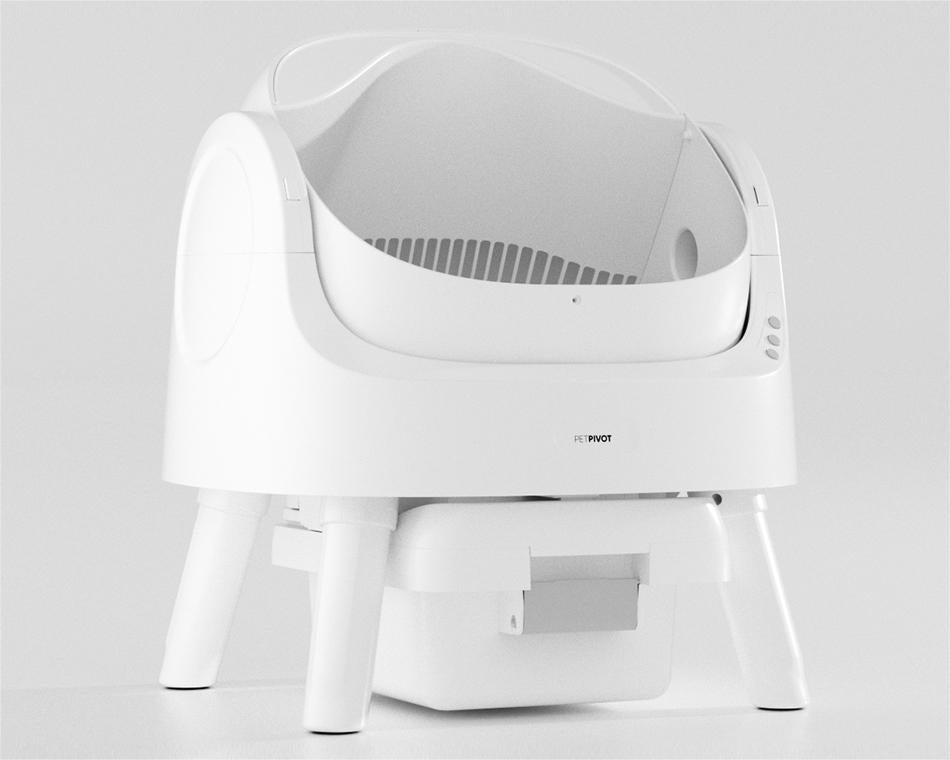
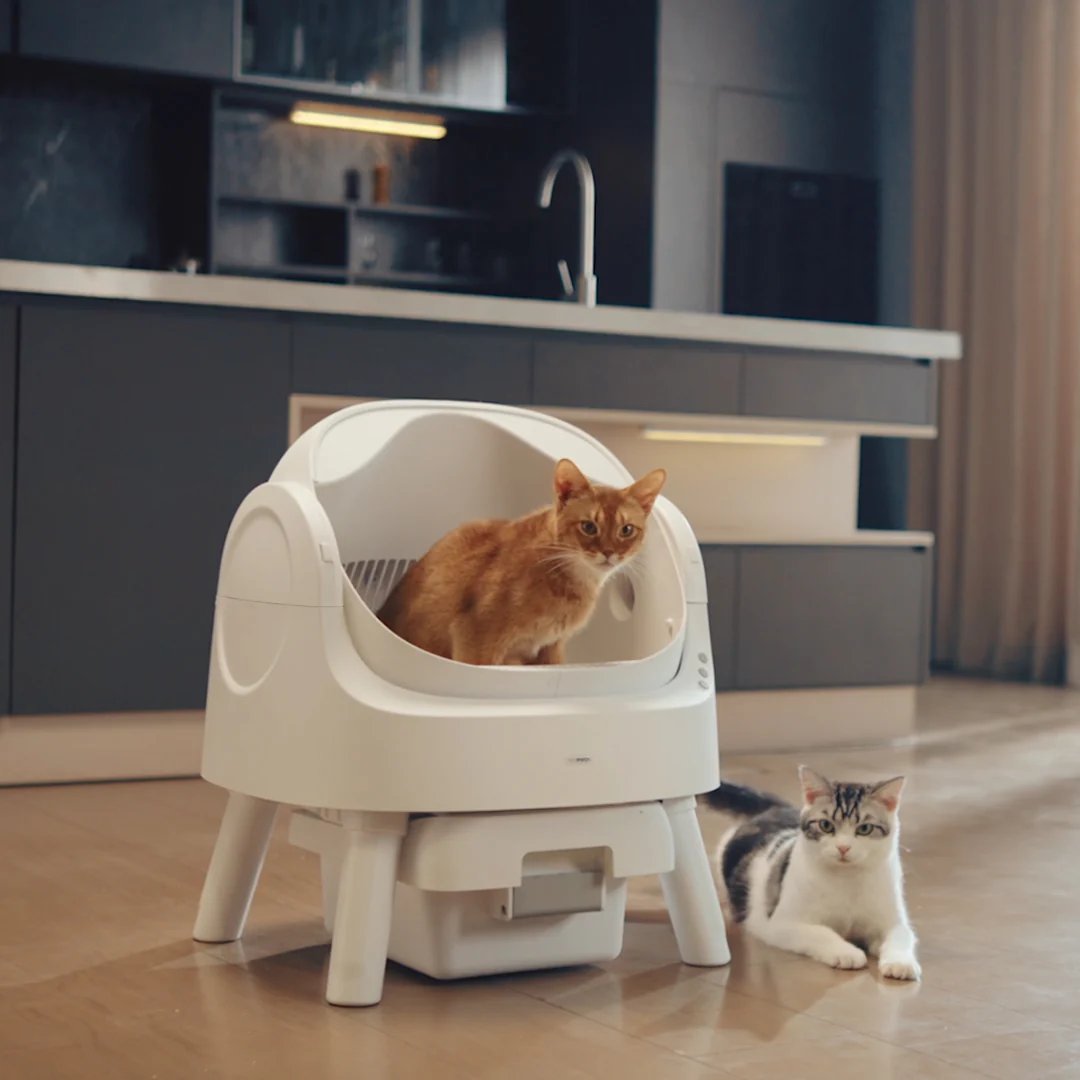
Cats can share a litter box, and plenty of them do so for years without any fuss. Even so, vets still advise having one box for every cat plus one extra, as sharing works best when it's something the cats choose and not the only option they've got. It's quite common for owners to set up a second box only to watch both cats squeeze into the same one while the other sits untouched. That doesn't necessarily make the spare box a waste of space, and the rest of this guide explains why. Can Two Cats Share One Litter Box? Physically, there's nothing stopping two cats from using one box. The real difference is between cats that happen to share a favorite box and cats that have to depend on a single box because there's nowhere else to go. A lot of two cat homes run on one box without any obvious trouble, more so when the cats grew up together or have lived side by side for a long time. One owner with two adult cats said they have shared one box since the second cat arrived five years ago, with no issues at all. Another, with bonded siblings and one large box cleaned twice daily, said they hadn't felt the need to add two more boxes "just because it might be a problem", especially with so little space. That's a fair point, but no problems today doesn't promise no problems later. Cats gets older, become sick, or get into fights, and one box could suddenly become a source of conflict. The second box should be seen as an option, and not necessarily as something that needs to be used on a daily basis. Even if it is hardly ever utilized, it provides the cat with somewhere to go in case the main box is occupied. How Many Litter Boxes Do You Need for Multiple Cats? According to vets, the usual starting point is one litter box per cat plus one more. For two cats that works out to three boxes, even if they get along well and mostly use the same one. Number of cats Recommended litter boxes 1 2 2 3 3 4 4 5 This rule isn't about assigning each cat a box of its own, since cats will use whichever one they like. It's about making sure there's always a free, clean option without any competition. Our guide to how many litter boxes each cat actually needs goes into spacing and setup in more detail. 1. Why One Extra Box Is Recommended You may have three boxes for two cats and still find nearly everything in one of them. Some cat owners with eight cats and six big boxes (three on each floor) claimed they use only two most of the time, while the others are used less than once a day. The extra box proves its utility when the favorite box is already occupied or when a cat just wants to sit next to it. It's handy, too, when a cat gets older and finds stairs harder, or suddenly isn't happy with its usual box after a change of litter. 2. Why Putting Two Boxes Side by Side Isn't Always Helpful Two boxes lined up against the same wall save room, but to your cats they can work like one big shared toilet. If one cat sits by the entrance to that area, both boxes are blocked at once. Splitting them between different parts of the home gives each cat a real choice, such as a bigger box in the hallway and a smaller one in the bathroom. In a home with more than one floor, a box on each level saves an older cat from making the trip up or down the stairs. Where the boxes go can matter just as much as how many there are. Why Do Some Cats Share a Litter Box Without Problems? 1. Bonded Cats and Siblings Cats that were raised together are often relaxed about sharing a box. One owner adopted two four month old sibling kittens, set them up in a small two bedroom apartment with one large box, and found that the kittens got along really well and showed no behavior problems. The box gets cleaned twice a day or more, yet both their rescue and their vet kept reminding them about the box to cat ratio. Another owner with two brothers who grew up on one big box put it down to habit, saying it's normal for them because they grew up that way. Getting along doesn't mean bonded cats will always want to share, though, as kittens grow up and their need for space can change. 2. Cats That Prefer the Same Box It's surprisingly common to put out several boxes and watch every cat pick the same one. One owner's two cats ignored their second box completely, and when one cat hopped into the main box the other was "already waiting in line". In general, the most favored box would be the box that is located in the quietest area, the box that contains the most favored litter, or just the largest box available. According to feline medicine protocols, the ideal size for a box should be at least 1.5 times the length of the cat. 3. Cats That Use One Box for Pee and Another for Poop Some cats split their business between two boxes, using one only for pee and the other for poop. Several owners have noticed this, and one household with a big hallway box and a tiny box under the bathroom sink found the cats used the big one for both and the small one only for pee. Therefore, a rarely used box cannot be deemed useless since its location, size, or clutter does not make it as attractive to use and may still be used as an alternative to the primary box. What Problems Can Happen When Cats Share a Litter Box? Two cats might share one box happily for months, then one quietly starts avoiding it, often without any fight to warn you. 1. One Cat Blocks the Other From Using the Box Animal welfare advice indicates that in certain households there is a cat that has dominance over the litter box and prevents other cats from entering. Not all cats sitting beside the box have the purpose of watching over it since some are just waiting for their turn or are curious about something. See how the second cat behaves upon approaching the box. Does it go inside the box normally or pause, turn back and go away? Staring, chasing or sitting across the only entrance can put a quieter cat off the box. One owner explained that as cats get older they can start chasing each other, and the cat being chased may get "leaky" and leave little pee puddles around the home. With a second box elsewhere, that cat can usually hold on until it gets there. 2. The Box Gets Dirty Too Quickly Two cats mean twice the clumps and more poop, so a routine that worked for one cat often isn't enough. Owners who share one box between two or three cats tend to scoop at least twice a day. One owner with sibling kittens said she would rather clean two "gently used" boxes than one box that gets kind of gross even when she scoops it two or three times a day. Some cats won't step into a box that already has waste in it. You may see them scratching around the edges or leaving without going. 3. One Cat Starts Peeing or Pooping Outside the Box Urine next to the box or poop behind the sofa doesn't automatically mean your cats are at war. The box may be too dirty, awkward to reach, or uncomfortable to use with another cat close by. Even a change of box can do it, as one owner found when a cat started pooping outside after they switched box types. Health is part of the picture too. Veterinary advice is to rule out medical causes first, so have your vet look at any sudden accidents before treating them as a behavior issue. 4. It's Harder to Tell Which Cat Is Having a Health Problem With both cats in one box, you might spot loose stool or very small pee clumps and have no idea whose they are. That gets trickier if one of your cats is on medication or has had urinary problems before. Watching visits for a while, or a separate box for a few days, can help you work out which cat it is. Certain parasitic worms, including roundworms, can be spread by a cat ingesting eggs that have been excreted through the feces of another cat. It does not necessarily mean that your cats are going to become infected with something just because they share the box. What If You Don't Have Room for Three Litter Boxes? This is the honest problem for many owners. One household of three adult cats in 860 square feet uses a single box scooped twice a day, and another owner with four laid back cats in the same space does the same. If three full size boxes simply won't fit, there are still ways to give your cats more choice. 1. Start With a Second Box in a Different Location Going from one box to two, placed in separate parts of the home, is a real step up when three just isn't possible right now. For two cats it's still a compromise, not the full recommendation, so keep both boxes clean and keep an eye on how each cat uses them. 2. Use an Awkward Corner or Unused Space The backup box doesn't need to be huge. You can keep one big box in the hallway and a tiny one under the bathroom sink, and called the small one enough for emergencies. Other options are an open closet floor, a hallway nook or a quiet corner of the bathroom. A small spare in a separate spot can give your cats more real choice than a second big box parked right next to the first. Just make sure it's large enough for your cat to step in and turn around. 3. Keep the Boxes Accessible and Easy to Clean The only way a backup litter box will work is if your cats have access to it, and if you can easily scoop without difficulty. You should avoid using small cabinets, swinging doors, and spaces next to a washer or other loud appliances. A box that's a pain to clean tends to get skipped. Can Two Cats Share an Automatic Litter Box? Yes, two cats can use one automatic box, as long as the model is suitable for more than one cat and both of them are comfortable with it. Because it clears waste after each visit, the next cat is less likely to walk into a dirty box. One owner with two cats said their main box is automatic, so sharing it during the day isn't a problem as they always get a "clean" box. Before you rely on one, check a few things: Whether the model is rated for the number of cats you have and their weight. How long it waits after a cat leaves before it cleans. If the second cat goes in during that wait, the first cat's waste may still be there. Whether both cats are comfortable with the motor and the movement, as one cat may get used to it in a few days while the other keeps its distance. What happens if the waste drawer fills up, the power goes out or the machine stops working. A manual box elsewhere covers those moments. Whether the box can tell your cats apart. Some log visits, but cats of a similar size can be hard to separate. If you're looking at an automatic box such as the AutoScooper 12 Lite for a two cat home, our guide to sizing an automatic litter box for more than one cat covers capacity and fit. Keep in mind that an automatic box deals with the cleaning side, not the access side. However, this will not prevent another cat from taking its seat at the entrance of the house, which is why having an additional box located elsewhere makes sense. How Can You Tell If Your Cats Are Comfortable Sharing? Finding pee and poop in the box tells you it's being used, but not whether both cats are happy with the setup. Watch for a while. One cat may walk straight in while the other waits until the room is empty, which is easy to miss when there haven't been any accidents. Signs the arrangement may be working Signs something needs to change Both cats use the box comfortably One cat waits nervously or avoids it No blocking or chasing Guarding the entrance Normal pee and poop habits Accidents or sudden changes Cats enter and leave freely Hesitation or rushing away The box stays reasonably clean Waste builds up between cleanings Your cats don't have to be using all the boxes equally, as there could be times that they both share one box during the majority of the time and occasionally use the other box. Whenever either of the cats begins to hesitate, is chased away or uses other spots, you should put a new box somewhere else and see your vet about any changes in urine and feces. The key here is whenever they both make their way toward the box at the same time. FAQs Is it okay for two cats to share a litter box? Yes, many cats share without trouble, especially if the box is large and scooped at least once or twice a day. Vets still suggest one box per cat plus one, so each cat has another option if the shared box is dirty, occupied or blocked. Do I need a second litter box for a second cat? It's strongly recommended. The usual guideline for two cats is three boxes, and two in different parts of the home is a sensible minimum if space is tight. Your cats may still use one most of the time, and that's fine. Can two bonded cats share one litter box? Often, yes. Bonded cats and siblings tend to be relaxed about sharing, and many owners report years without problems. A spare box still helps when one cat gets sick, gets older or the two have a falling out. Why do my cats use the same litter box when they have two? Usually because one box has the better spot, the bigger size or the litter they prefer. Cats also stick to what's familiar. The unused box can still be a useful backup, so try moving it somewhere quieter before you give up on it. Can two cats share a self-cleaning litter box? Yes, if the model suits more than one cat and both are comfortable with it. It keeps the box cleaner between visits, but keep a manual box somewhere else for times when the drawer is full, the power is off or one cat is blocking the way. Can two kittens share one litter box? Yes, young kittens often share easily, particularly littermates. Keep the box large, low and very clean, and plan to add another as they grow, since their need for space can change as they become adults. Why do my cats pee in one litter box and poop in another? It's a fairly common preference and usually nothing to worry about. Some cats simply like to keep the two separate. It's actually a good reason to keep more than one box, as it means both boxes are doing a job. What should I do if one cat won't let the other use the litter box? Add another box in a different room, out of sight of the first, so the blocked cat has somewhere to go. Open boxes in spots with a clear way out help too. If accidents start, check with your vet before treating it as a behavior problem.
Can Two Cats Share One Litter Box?
How Many Litter Boxes Do You Need for Multiple Cats?
|
Number of cats
|
Recommended litter boxes
|
|
1
|
2
|
|
2
|
3
|
|
3
|
4
|
|
4
|
5
|

1. Why One Extra Box Is Recommended
2. Why Putting Two Boxes Side by Side Isn't Always Helpful

Why Do Some Cats Share a Litter Box Without Problems?
1. Bonded Cats and Siblings
2. Cats That Prefer the Same Box
3. Cats That Use One Box for Pee and Another for Poop
What Problems Can Happen When Cats Share a Litter Box?
1. One Cat Blocks the Other From Using the Box
2. The Box Gets Dirty Too Quickly
3. One Cat Starts Peeing or Pooping Outside the Box
4. It's Harder to Tell Which Cat Is Having a Health Problem
What If You Don't Have Room for Three Litter Boxes?
1. Start With a Second Box in a Different Location
2. Use an Awkward Corner or Unused Space

3. Keep the Boxes Accessible and Easy to Clean
Can Two Cats Share an Automatic Litter Box?

-
Whether the model is rated for the number of cats you have and their weight.
-
How long it waits after a cat leaves before it cleans. If the second cat goes in during that wait, the first cat's waste may still be there.
-
Whether both cats are comfortable with the motor and the movement, as one cat may get used to it in a few days while the other keeps its distance.
-
What happens if the waste drawer fills up, the power goes out or the machine stops working. A manual box elsewhere covers those moments.
-
Whether the box can tell your cats apart. Some log visits, but cats of a similar size can be hard to separate.
How Can You Tell If Your Cats Are Comfortable Sharing?
|
Signs the arrangement may be working
|
Signs something needs to change
|
|
Both cats use the box comfortably
|
One cat waits nervously or avoids it
|
|
No blocking or chasing
|
Guarding the entrance
|
|
Normal pee and poop habits
|
Accidents or sudden changes
|
|
Cats enter and leave freely
|
Hesitation or rushing away
|
|
The box stays reasonably clean
|
Waste builds up between cleanings
|
FAQs
Is it okay for two cats to share a litter box?
Do I need a second litter box for a second cat?
Can two bonded cats share one litter box?
Why do my cats use the same litter box when they have two?
Can two cats share a self-cleaning litter box?
Can two kittens share one litter box?
Why do my cats pee in one litter box and poop in another?
What should I do if one cat won't let the other use the litter box?



You may also like

AutoScooper 11 Cat Litter Box

AutoScooper 11 Cat Litter Box


AutoScooper 11 Litter Base Bed – 2 Pack

AutoScooper 11 Waste Bags – 60 Count

Further reading

How Often to Change Cat Litter: A Practical Schedule

Can You Flush Cat Litter? Risks, Rules, and Safe Disposal

How to Litter Train a Kitten in 7 Simple Steps at Home