
Where Should You Put a Litter Box in a Small Apartment?

About the Author
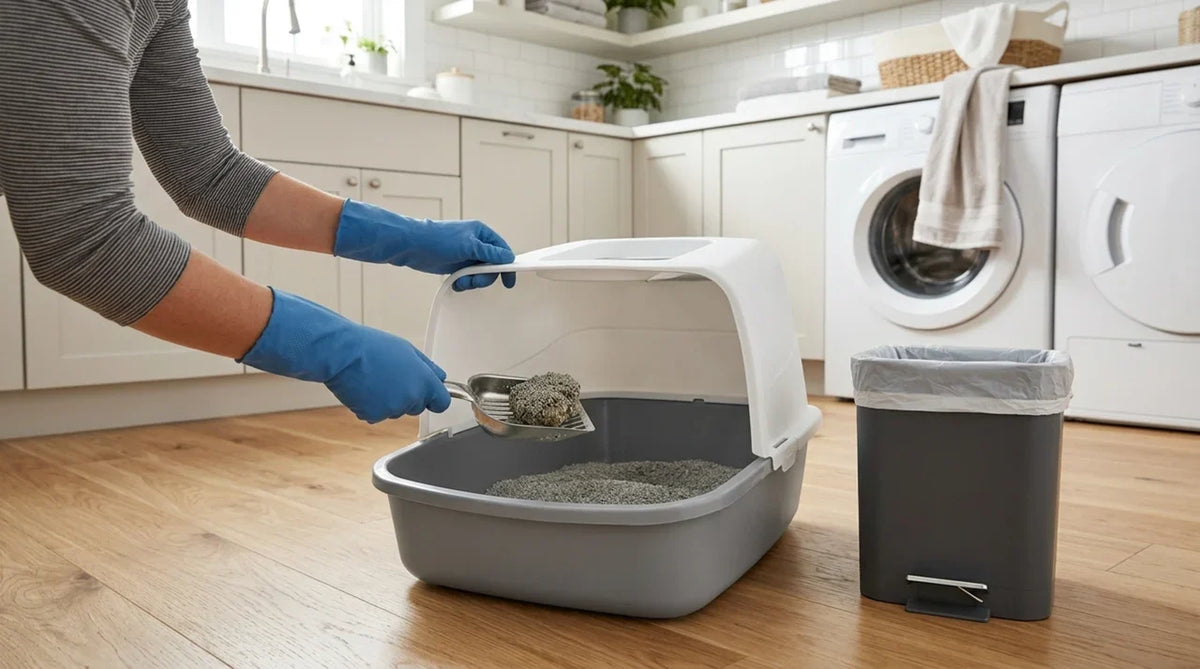
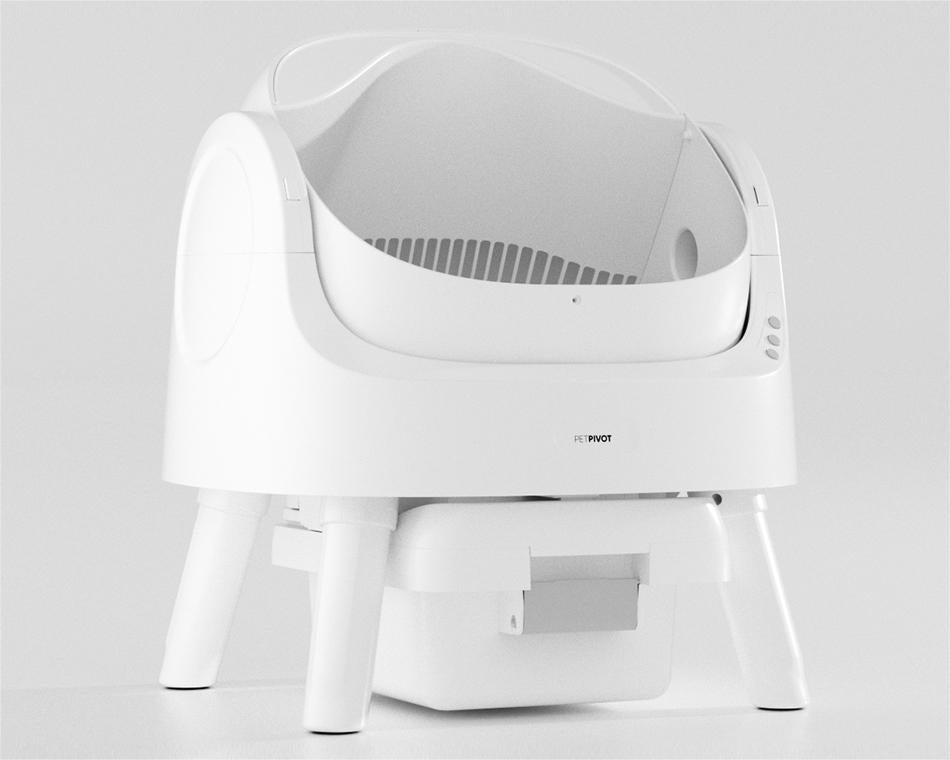
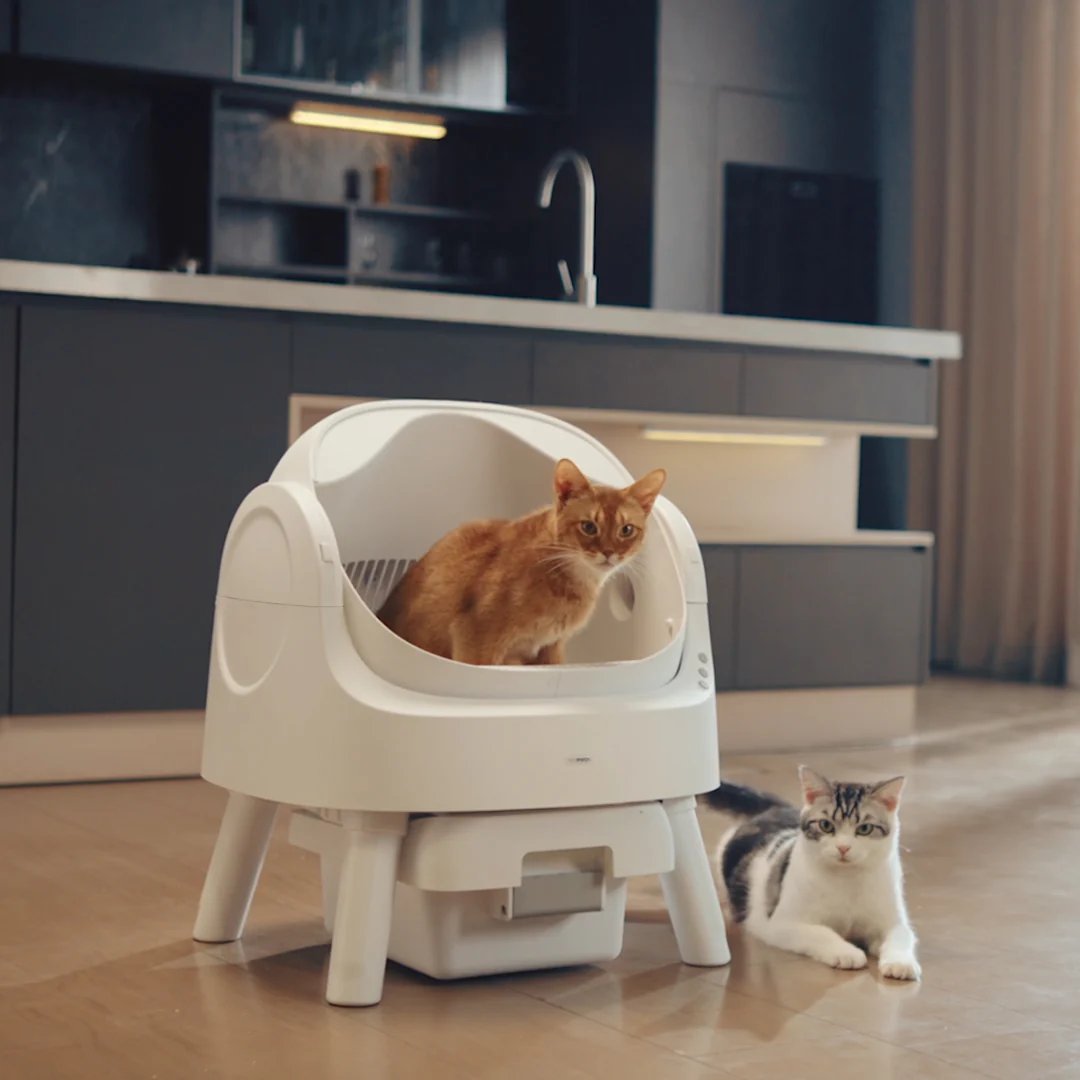
The best place for a litter box in a small apartment is somewhere quiet that your cat can always reach and you can clean without moving furniture around. It does not need to be hidden away completely. A bathroom corner, hallway nook, open closet or a quiet part of the living room can all work, as long as your cat can get in and out without being startled or blocked. The Four Things to Check Before Choosing a Spot No single room works in every apartment. Before you settle on a spot, check it against the four points below, because in a small space the downsides show up fast. 1. Access Your kitty will need access to the litter box at any time of the day, which is why it’s not only important where it should be but also how to get there. A door that can be closed, a growing pile of storage inside the closet, or shoes blocking the entryway to your chosen spot may ruin the location you’ve found. The actual box will matter as well. According to the veterinarian’s recommendations, for kittens and older cats low-sidewalled boxes are recommended, and the entrance requiring jumping or squeezing won’t attract an old pet as quickly as a young one. 2. Privacy Vets said that cats need a box that is quiet, private, and not near their food area. Privacy doesn’t necessarily mean the farthest corner of the flat. The space underneath the table can be just as good as a completely separated room provided that there is easy access in and out. In case you have several pets, consider the possibility of another animal getting behind your cat or sitting at the door. This area could look private enough for you, but the cat might feel trapped there. 3. Noise A quiet room is not always a quiet spot. Machines like washing machines and air conditioners, and games create sudden noises that may make the cat cautious about entering the litter box. One cat owner prefers to avoid the bedroom because the noise made by the cat digging wakes him/her up during nighttime. 4. Cleanability You need room to scoop without twisting around furniture, and hard flooring makes tracked litter much easier to deal with than carpet. One owner with two cats in a one-bedroom said the litter tracking was "pretty gnarly" at times, but since the whole place was hardwood apart from the bedroom, cleaning it up stayed easy. Some airflow helps in a small apartment too, as long as it does not mean putting the box somewhere noisy or exposed. The Best Spot Is the One Your Cat Will Actually Use This is where the actual test lies. If the litter box is being used daily, is easily accessible, and does not become a hassle to clean, then you have a successful location. If the cat keeps picking another corner, take that as feedback. One owner gave up and put the tray right where the cat kept peeing, next to the TV, because he is "a social boy and likes company when he goes". Litter Box Placement and Quantity in a Small Apartment 1. The One-Per-Cat-Plus-One Rule As a general rule, you should provide at least one box per cat plus one additional box. For one cat, you would have two litter boxes, and for two cats, you would have three. This additional box is useful in case one of the boxes is too dirty or inaccessible. Our guide to how many litter boxes each cat actually needs covers spacing in more detail. 2. What If Your Apartment Cannot Fit That Many Boxes? In a studio, two boxes for one cat can feel impossible. If there is no place left but one box, make sure to spend time maintaining that one box properly: Pick up once daily, and twice, if possible, first thing in the morning and before going to bed at night. Choose the largest size box that will fit in your available space. One large box is preferred over two small boxes. Keep the route clear of swinging doors, laundry baskets, and furniture so it is reachable all day and night. One renter with a big closet scooped twice a day for exactly this reason, and her advice to other renters was blunt: scoop, and keep it clean twice a day. 3. Spread Boxes Out Instead of Lining Them Up However, if you can afford two boxes, make sure that you don’t keep them side by side because the two will become one box with only one cat blocking it. Keep them in different places in your apartment, such as the corner of a bathroom and the hallway. One owner with two cats in a one-bedroom keeps one box in the bathroom and one by the desk in an office space with no door. The Best Places to Put a Litter Box in a Small Apartment The location is dependent on your floor plan and your cat. Here are the locations that apartment owners use for their cats and why they succeed or fail. 1. Bathroom Corner A bathroom has hard floors, water close by, and usually less furniture, so a corner beside the toilet can make sense. One owner keeps the box between the toilet and the cabinets and says her cat likes to use it while she is on the toilet, and sometimes stands guard. Not everyone is a fan. Some cat owners mention litter ending up in the bath rug, humidity from long hot showers, wet floors turning stray litter into a mess, and the door needing to be closed sometimes. One owner gave up on it after her cat felt the need to poop "EXACTLY" when she was in the shower. 2. A Quiet Hallway or Entryway Nook A small dead end in the hallway or a space by the front door can use room that would otherwise sit empty. One owner fits two boxes and some utility shelves into a little dead-end area of the hallway. Another says their cats treat the box by the front door as the entrance to their territory and like using it there. Keep it off the main walking route. A box near the entrance also keeps tracked litter close to an easy floor, though one owner says they still sweep that part of the hallway every day or so. Another found they scoop more often because they walk past the box "100 times a day". 3. Inside a Closet or Storage Nook Closets come up again and again in one-bedroom apartments where there is no spare room. A coat closet with the door kept cracked, a linen closet, a mirrored closet by the entrance kept ajar, or a hallway closet with all the storage moved to the shelves above the box can all work. Do not pack the closet around the box. The cat requires space for entering, turning around, and exiting the space. In case you have clothes or coats stored in the closet, you should take into account the issue of dust and odor, since this is why the owner of a cat with asthma decided to move it out of the bedroom. 4. Under or Inside Existing Furniture An end table, sideboard, vanity or storage unit can hide the box without taking up extra floor space. One owner keeps the box under an end table and suggested covering a small table with a cloth to give a cat some privacy in the living room. Another renter opened up a bathroom vanity by removing the doors and the center support, slid the box in under the plumbing, and glued the piece back in when moving out. It kept the litter spray inside and saved floor space, but check your lease before you try anything like that. 5. Living Room Corner A living room is not off limits. One cat owner places the litter box near the windows in the living room so that she can air out the room whenever it smells. The second person has bought a litter box house for her cat since her 515-square-foot apartment lacks any space in the bathroom, bedroom, or closet. It all boils down to selecting an area in the room where people will not step. This couple managed to place their device behind furniture that held a game shelf and a bookshelf, and their guests never suspected anything. 6. Near a Balcony or Patio Door The space around the sliding door usually has more room and is ventilated better. Place the crate against the wall so that it does not obstruct the sliding door and also does not pose a risk of tripping. Do not provide your cat with access to the dangerous balcony for good ventilation. 7. Laundry Area If the laundry corner is kept quiet enough, then it can be done. The box is in one householder’s large bathroom, which is also his laundry room, and it is opposite his washing machines in the room. A box pressed against a rattling washer is a different story. Where Should You NOT Put a Litter Box? Guidelines for animal welfare stipulate that the location should be away from busy and noisy areas, in areas where the cat will be able to see what's coming and have multiple exits available. If you have a small apartment, here are locations you should exclude: Close to the food or water bowls – cats do not like eating where their toilet is, and the dust from the litter ends up in these bowls. Beside a washer, dryer, furnace, or other noisy appliance – a sudden noise might frighten the cat and make her leave the box. On the main route through the apartment, e.g., on the path between your bedroom and the kitchen in a studio. Inside a dark, tight and not well-ventilated cabinet where the odor and moisture accumulate. Where another pet can block the exit. Behind a door that could accidentally close when you are out. How to Hide a Litter Box Without Making It Hard for Your Cat to Use Hiding the box can make a small place look tidier, but your cat getting to it comes first. 1. Start With Existing Furniture Check your room for existing furniture that you could place the litter box beneath or inside before purchasing a new litter cabinet. 2. Ensure Sufficient Opening and Access The opening needs to be big enough so that your kitty can enter freely and turn around inside. Make sure not to block the exit by shoes, bags, or laundry since in a small apartment any pile becomes permanent soon enough. 3. Do Not Trade Accessibility for Appearance If hiding the box means a tight entrance, stale air or no clear way out, leave it more open. A box your cat avoids is not hidden, it is just in the wrong place. 4. Methods of Hiding the Box that are Rent-Friendly Renters can go for freestanding screens, storage benches with an opening, an open closet or even a table covered with a cloth. Remember always to keep changes that can be undone, and maintain access easy and unobstructed. How Do You Control Litter Box Odor in a Small Apartment? With regards to small spaces, it is all about placement and cleaning. There is one person who scoops the box twice a day and replaces the litter completely once per week, and she claims that her cat's canned food smells worse than the box. 1. Choose a Location With Reasonable Airflow A place close to the window or vent would have a lower odor level than a cabinet that is closed. A few pet owners also place an air purifier by the box. All one needs to ensure is that the box is not placed near an open window. 2. Keep the Box Easy to Scoop Every time you need to move the furniture or enter the small cabinets, there is going to be some form of scooping. A reachable box is a neat box. 3. Use a Mat and Hard Flooring Where Possible Always keep a mat at the door where litter is collected, and keep a hard surface around the box to make cleaning easier. When your cat leaves the box directly into a carpeted room, the litter is transported further away. 4. Consider an Automatic Box When Space and Cleaning Time Are Limited If a second box is too difficult to squeeze in or the task of scooping becomes too much to manage twice a day, then an automatic box like the autoscooper 12 lite can be utilized to automatically scoop on its own. This would ensure that only one box remains clean until you have time to check. It should be placed in a logical location close to an electrical outlet. How Do You Reduce Litter Tracking in a Small Apartment? Without long hallways, litter on your cat's paws goes straight from the box to the couch or the kitchen floor. These steps help, and our list of practical ways to reduce cat litter tracking goes further: Put the box on or next to tile, vinyl or hardwood rather than carpet. Place a mat right outside the exit. One owner cut a mat to fit inside a raised edge tray and says it works wonders. Face the entrance toward a wall or nook so the cat crosses the mat before reaching the rest of the room. Try a top entry or covered box if your cat kicks litter around. One owner added a dome and a mat and says there is no litter outside the box anymore. What Size and Type of Litter Box Works Best in a Small Space? The inclination is always to purchase the smallest box possible, but a small box can cause a cat to step in its waste or even fall out of the box. The feline medicine recommendations are that the box should be around 1.5 times the cat’s body length. Judge the box by its usable inside space, not just its outside footprint. Check the entry height and which way the opening faces, since older cats and kittens need a low step in. Make sure the cat can turn around and get out without hitting its head or feeling cornered. For an automatic box, check the power outlet, the noise and how much room it needs above and around it. How Do You Move a Litter Box to a New Location? Moving a box seems like a small change to you, but your cat will notice. If the current spot is working, do the move in steps. 1. Move the Existing Box Gradually Shift the box a little toward the new spot, let your cat use it there for a day or two, then move it again. Keep the route clear during the move so a pile of laundry or a closed door does not undo the progress. 2. Use a Second Box at the New Location If you have the room, set up a box at the new spot and leave the old one where it is. Once your cat keeps choosing the new one, you can take the old box away or use it somewhere else. 3. Watch for Signs the New Spot Is Not Working If the new box gets ignored, look at what is different. Is it noisier, harder to reach, on another pet's path, or squeezed into a tight corner? Fix that rather than moving the box from room to room. How Can You Tell If Your Litter Box Location Is Working? A good spot does not need to look perfect. Your cat's routine will tell you most of what you need to know. 1. Signs Your Cat Is Comfortable With the Location Uses the box every day Walks in and out without hesitating Digs and covers normally Does not avoid that part of the apartment 2. Signs the Location Needs to Change Repeated accidents near the box Hesitation before going in Avoiding the box after noise or busy household activity Another pet blocking the way A setup you cannot keep clean Look at what changed just before the behavior changed, such as new furniture, a moved box or a noisier washer. Sudden changes in litter box habits can also have a health cause, so talk to your vet if moving things around does not help. Common Litter Box Placement Mistakes in Small Apartments 1. Avoidable Litter Box Placement Mistakes Hiding the box so well that it is dark, cramped and smelly inside. Choosing a spot that suits your decor but makes the cat feel exposed. Using an empty nook next to a noisy appliance just because the space is free. Moving the box around every time guests come or furniture changes. Putting the box on carpet or in a corner you cannot reach to scoop or sweep. FAQs Where should you not place a litter box? Keep it out of busy walkways and away from food and water bowls. Avoid spots right next to washers, dryers or furnaces, dark cramped cabinets, and anywhere behind a door that might get closed. Your cat needs a quiet spot it can always reach and leave easily. How can I hide a litter box in a small apartment? Use furniture you already have, such as an end table, sideboard, storage bench or open closet. A freestanding screen also works. Leave a wide opening and enough room inside for your cat to turn around. If you rent, keep any change reversible. How far away can a cat smell its own litter box? There is no reliable distance. Cats use scent to recognize familiar spots, but they find the box mainly because they know where it is. If you move it, show your cat the new spot and keep the old box out for a few days. Where is the most common place to put a litter box? The bathroom is the most common spot, followed by closets, hallway corners, laundry areas and living room corners. The right one for you is whichever spot is quiet, always reachable and easy for you to scoop. Can I put a litter box in my bedroom? Yes, if it is the quietest practical spot you have. Keep it off your walking path, use a mat and low dust litter, and scoop before bed. Night digging can be noisy, and carpet makes tracked litter harder to clean. Can I put a litter box in a closet? Yes. Keep the door propped open so your cat is never locked out, and leave enough floor space for it to step in, turn and leave. If clothes share the closet, scoop daily to keep dust and smell down. Can I put a litter box in a small bathroom? Yes, as long as the door stays open and the box is not in the way. Keep it away from the shower and put a mat at the entrance, because humidity and wet floors turn stray litter into a mess. How many litter boxes do I need for one cat in a small apartment? Two is the usual recommendation, one per cat plus one. If you only have room for one, scoop it at least once a day and keep the route to it clear. If you add a second, put it in a different part of the apartment.
The Four Things to Check Before Choosing a Spot
1. Access
2. Privacy
3. Noise
4. Cleanability
The Best Spot Is the One Your Cat Will Actually Use
Litter Box Placement and Quantity in a Small Apartment
1. The One-Per-Cat-Plus-One Rule
2. What If Your Apartment Cannot Fit That Many Boxes?
-
Pick up once daily, and twice, if possible, first thing in the morning and before going to bed at night.
-
Choose the largest size box that will fit in your available space. One large box is preferred over two small boxes.
-
Keep the route clear of swinging doors, laundry baskets, and furniture so it is reachable all day and night.
3. Spread Boxes Out Instead of Lining Them Up

The Best Places to Put a Litter Box in a Small Apartment
1. Bathroom Corner

2. A Quiet Hallway or Entryway Nook
3. Inside a Closet or Storage Nook

4. Under or Inside Existing Furniture
5. Living Room Corner
6. Near a Balcony or Patio Door
7. Laundry Area
Where Should You NOT Put a Litter Box?
-
Close to the food or water bowls – cats do not like eating where their toilet is, and the dust from the litter ends up in these bowls.
-
Beside a washer, dryer, furnace, or other noisy appliance – a sudden noise might frighten the cat and make her leave the box.
-
On the main route through the apartment, e.g., on the path between your bedroom and the kitchen in a studio.
-
Inside a dark, tight and not well-ventilated cabinet where the odor and moisture accumulate.
-
Where another pet can block the exit.
-
Behind a door that could accidentally close when you are out.
How to Hide a Litter Box Without Making It Hard for Your Cat to Use

1. Start With Existing Furniture
2. Ensure Sufficient Opening and Access
3. Do Not Trade Accessibility for Appearance
4. Methods of Hiding the Box that are Rent-Friendly
How Do You Control Litter Box Odor in a Small Apartment?
1. Choose a Location With Reasonable Airflow
2. Keep the Box Easy to Scoop
3. Use a Mat and Hard Flooring Where Possible
4. Consider an Automatic Box When Space and Cleaning Time Are Limited

How Do You Reduce Litter Tracking in a Small Apartment?
-
Put the box on or next to tile, vinyl or hardwood rather than carpet.
-
Place a mat right outside the exit. One owner cut a mat to fit inside a raised edge tray and says it works wonders.
-
Face the entrance toward a wall or nook so the cat crosses the mat before reaching the rest of the room.
-
Try a top entry or covered box if your cat kicks litter around. One owner added a dome and a mat and says there is no litter outside the box anymore.
What Size and Type of Litter Box Works Best in a Small Space?
-
Judge the box by its usable inside space, not just its outside footprint.
-
Check the entry height and which way the opening faces, since older cats and kittens need a low step in.
-
Make sure the cat can turn around and get out without hitting its head or feeling cornered.
-
For an automatic box, check the power outlet, the noise and how much room it needs above and around it.
How Do You Move a Litter Box to a New Location?

1. Move the Existing Box Gradually
2. Use a Second Box at the New Location
3. Watch for Signs the New Spot Is Not Working
How Can You Tell If Your Litter Box Location Is Working?
1. Signs Your Cat Is Comfortable With the Location
-
Uses the box every day
-
Walks in and out without hesitating
-
Digs and covers normally
-
Does not avoid that part of the apartment
2. Signs the Location Needs to Change
-
Repeated accidents near the box
-
Hesitation before going in
-
Avoiding the box after noise or busy household activity
-
Another pet blocking the way
-
A setup you cannot keep clean
Common Litter Box Placement Mistakes in Small Apartments
1. Avoidable Litter Box Placement Mistakes
-
Hiding the box so well that it is dark, cramped and smelly inside.
-
Choosing a spot that suits your decor but makes the cat feel exposed.
-
Using an empty nook next to a noisy appliance just because the space is free.
-
Moving the box around every time guests come or furniture changes.
-
Putting the box on carpet or in a corner you cannot reach to scoop or sweep.
FAQs
Where should you not place a litter box?
How can I hide a litter box in a small apartment?
How far away can a cat smell its own litter box?
Where is the most common place to put a litter box?
Can I put a litter box in my bedroom?
Can I put a litter box in a closet?
Can I put a litter box in a small bathroom?
How many litter boxes do I need for one cat in a small apartment?





You may also like

AutoScooper 12 Lite Cat Litter Box

AutoScooper 12 Lite Cat Litter Box

AutoScooper 12 Lite Cat Litter Box

AutoScooper 12 Lite Cat Litter Box-Gray

AutoScooper 12 Litter Base Bed – 2 Pack

AutoScooper 12 Waste Bags – 60 Count
Further reading
Where Should You Put a Litter Box in a Small Apartment?
Is Cat Litter Biodegradable? Types, Disposal & Safety
How Do Cats Know to Use the Litter Box? Instincts Explained