The 2025 Christmas Gift Guide: Top 5 Gifts Cat Owners Actually Need

About the Author
I love the holidays. Seriously, nothing beats the string lights, the fire crackling, and that fresh pine smell filling the house. But let’s be real for a second. If you own a cat, there’s another smell that likes to fight for attention: The litter box. It always seems to happen at the worst possible time—right when guests are knocking on the door or just when you sit down with a glass of eggnog. Suddenly, you’re not thinking about Christmas cheer; you’re worrying if your aunt can smell the cat’s bathroom. It’s stressful, and honestly, it’s a waste of time. I did the math recently: the average cat owner spends about 20 to 30 hours a year just scooping litter. That is basically a whole weekend of your life, every year, lost to waste management. But beyond saving your own time, there is a biological reason to upgrade. Your cat doesn’t care about a new feather toy. According to the Ohio State University College of Veterinary Medicine, optimizing your cat's environment—specifically ensuring a clean, stress-free litter box setup—is critical for preventing stress-related diseases like cystitis. When these basic needs aren't met, cats get anxious, which impacts their long-term health. So this year, let’s skip the novelty socks and the "World’s Best Cat Mom" mugs. We’re going to talk about gifts that actually matter. Gifts that give you your time back, keep your house smelling like actual Christmas, and keep your cat healthy. Here are the 5 vet-approved essentials you (and your cat) actually need this year. 🏆 1. The Ultimate Life-Upgrade: PetPivot Open-Top Self-Cleaning Litter Box We selected the PetPivot as our top pick for 2025 not just for its convenience, but because its engineering aligns with best practices in feline health and safety. While many automated boxes prioritize "looking cool" for humans, the PetPivot prioritizes the biological needs of the cat. It addresses the three critical pillars of litter box management: Behavioral Safety, Environmental Hygiene, and Mechanical Reliability. Validated by Feline Science: Why I Chose "Open-Top" Over "Spaceship" Robots I used to think those enclosed, spaceship-style robots were the ultimate upgrade, but I learned that they often prioritize human aesthetics over feline biology. According to the Cornell University Feline Health Center, many cats suffer from anxiety when forced into covered boxes because they feel trapped without a clear escape route—a concept experts call "elimination vulnerability." This really clicked for me when I switched to the PetPivot. Unlike the claustrophobic domes that frustrated my larger cat, its Open-Top Design allows for 360-degree visibility, respecting their natural predatory instinct to survey their surroundings while they are vulnerable. It’s a design choice that significantly lowers stress, especially if you have a larger breed (like a Maine Coon) or a multi-cat home where one cat might try to "ambush" the other upon exit. Engineering Safety: Why I Don't Trust "Weight Sensors" Anymore Safety was my non-negotiable dealbreaker. But it wasn't until I researched the needs of aging cats that I realized why the technology matters so much. I was reading a guide from the Cornell University Feline Health Center on caring for senior cats, and one point really stuck with me: older cats, especially those with arthritis, often move stiffly and hesitate when entering or exiting a litter box. This made me realize the danger of budget robots that rely on Weight Sensors. If an arthritic cat steps in too slowly, or shifts their weight unevenly because of pain, a cheap sensor might not register them in time. That "lag" is terrifying.This is why the PetPivot’s 7-layer sensor array is superior. It doesn't wait to "feel" the cat's weight; it uses infrared optics to "see" the cat. I tested this: whether it was a fast-moving kitten or my hand moving in slow motion (simulating a senior cat), the machine executed an emergency hard-stop instantly. It aligns perfectly with the expert advice to accommodate cats with limited mobility—ensuring the machine waits for them, not the other way around. Hygiene Control: Why I Worry About Ammonia (And You Should Too) I used to think that sharp "litter box smell" was just an annoying part of owning a cat. But after digging into the science, I realized it’s not just a nuisance—it’s a health hazard. As urine decomposes, it releases ammonia gas. Veterinary experts note that ammonia is a potent respiratory irritant that can trigger or worsen conditions like Feline Asthma and Bronchitis. Since our cats are physically closer to the litter than we are, they are breathing in those fumes directly every time they step into a dirty box. This is why the PetPivot’s design impressed me so much. It doesn't just cover up the smell; it contains it. It features a 10L Sealed Waste Drawer that rapidly sifts waste into a confined, low-oxygen compartment below. By limiting airflow to the waste, it slows down bacterial fermentation and locks in those Volatile Organic Compounds (VOCs) that cause the stink. For me, the difference was immediate. My home finally smells like home again, not a kennel. But more importantly, I know I’m providing a cleaner, healthier micro-environment for my cat’s sensitive lungs. The "Stability First" Protocol: Why No Wi-Fi? As someone who is constantly juggling work, family, and my cat's needs, I’ve learned the hard way that stability is key. In a world where everything is "smart" and connected, it's easy to overlook how much we rely on a constant internet connection. I used to think Wi-Fi-based devices were a must. But after dealing with failed sanitation cycles and app glitches just because my router blinked offline, I realized something crucial: The less my pet tech depends on the cloud, the better. That’s where the PetPivot shines. While many modern devices rely on remote servers to function, PetPivot’s decision to stay offline is a game-changer. It is designed with Local, Onboard Logic—meaning it "thinks" for itself without needing to ask the internet for permission. This aligns perfectly with expert advice on feline stress. According to the American Association of Feline Practitioners (AAFP), maintaining a consistent and predictable environment is vital for preventing behavioral issues. If a Wi-Fi robot disconnects and stops cleaning, that consistency is broken, and your cat gets stressed. The PetPivot’s Plug-and-Play architecture ensures 99.9% uptime. It is always ready to go, no matter what is happening with your internet service provider. For me, this makes all the difference. I don’t want to spend my Christmas morning troubleshooting connection errors. My cat’s health and my peace of mind come first—and the PetPivot delivers on both by simply working, every single time. 💰 The Investment Breakdown Quality engineering comes at a cost, but PetPivot disrupts the market by removing the "Tech Tax" (expensive Wi-Fi modules and app development) and putting that budget into better motors and sensors. Feature Typical High-End Robots ($600+) PetPivot ($144) The Professional Verdict Design Type Enclosed / Globe Open-Top Open-top is superior for reducing feline anxiety. Safety Tech Weight + Pinch Sensors 7-Layer Array PetPivot offers redundant safety layers for peace of mind. Connectivity Wi-Fi / App Dependent Local Logic Local logic is more reliable; no "server down" failures. Noise Level 40–55 dB < 32 dB Whisper-quiet operation prevents noise-induced stress. 💧 2. The Kidney Guardian: Stainless Steel Water Fountain Hydration is arguably the single most critical factor in feline longevity. According to Cornell University’s Feline Health Center, Chronic Kidney Disease (CKD) affects 30-40% of cats over the age of 10. The biological challenge is that domestic cats evolved from desert ancestors and possess a naturally low thirst drive; they often won't drink until they are already dehydrated. A stainless steel fountain solves this by mimicking a running stream, which triggers a cat's instinctual desire to drink. From a clinical perspective, we recommend stainless steel over plastic models. Plastic is porous and can develop microscopic scratches that harbor biofilm bacteria, a common cause of Feline Chin Acne. Investing in a steel fountain is an investment in preventing future renal complications. 🛡️ 3. The Sanitation Barrier: Dual-Layer Honeycomb Litter Mat Litter tracking is more than just a messy floor annoyance; it is a vector for spreading bacteria and parasites (like Toxoplasmosis) throughout your home. A standard rug simply traps this debris on the surface. We recommend a Dual-Layer Honeycomb EVA Mat for its functional engineering. The top layer features large hexagonal holes that gently spread the cat's paw pads, dislodging granules which then fall into the solid bottom layer. This creates a containment zone that separates the waste from your living environment. Look for mats made from BPA-free, Phthalate-free EVA foam, ensuring that the material is non-toxic and water-resistant for easy sanitization. It’s a simple mechanical solution to a microscopic hygiene problem. 🔦 4. The Cognitive Stimulator: Automatic Laser & Motion Toys Indoor cats face a silent epidemic: boredom-induced stress and obesity. The Association for Pet Obesity Prevention reports that nearly 60% of cats are overweight or obese. Furthermore, a lack of "environmental enrichment" can lead to destructive behavior or depression. Interactive toys are not mere playthings; they are predatory simulators. Automatic laser toys or motion-activated feathers engage a cat's "prey drive" (stalking, chasing, pouncing), providing essential aerobic exercise and mental stimulation. For busy owners, these devices ensure your cat receives necessary cognitive engagement even when you are not available to play, helping to maintain a healthy weight and a balanced temperament. 🍗 5. The Biological Appropriate Treat: Single-Ingredient Freeze-Dried The holidays are a time for treating, but many commercial cat treats are filled with carbohydrates, corn, and artificial preservatives—ingredients that contribute to feline diabetes and inflammation. Cats are obligate carnivores, meaning their digestive systems are designed almost exclusively for protein and fat, not carbs. We strongly advise switching to Single-Ingredient Freeze-Dried Treats (such as 100% chicken liver, salmon, or minnows). The freeze-drying process preserves the raw nutrients and enzymes without the need for high-heat processing. By reading the label and ensuring there is only one ingredient listed, you are providing a reward that aligns with your cat's biological dietary requirements, rather than working against them. Final Thoughts: The Gift of Being Just a "Pet Parent" Again We often joke that cats are the masters and we are the servants, but the truth is, when chores like scooping litter become a daily burden, it steals a tiny bit of the joy out of pet parenthood. The real value of the items on this list—whether it’s the PetPivot or a simple water fountain—isn’t about the technology itself. It’s about removing the "janitor work" from your relationship so you can get back to the "parent" part. This holiday season, the most meaningful gift you can give isn't a toy that will get lost under the sofa. It’s a home where the air is fresh, the water is clean, and your time is spent actually bonding with your cat, not cleaning up after them. That is the upgrade you both deserve.

I love the holidays. Seriously, nothing beats the string lights, the fire crackling, and that fresh pine smell filling the house. But let’s be real for a second. If you own a cat, there’s another smell that likes to fight for attention: The litter box. It always seems to happen at the worst possible time—right when guests are knocking on the door or just when you sit down with a glass of eggnog. Suddenly, you’re not thinking about Christmas cheer; you’re worrying if your aunt can smell the cat’s bathroom. It’s stressful, and honestly, it’s a waste of time. I did the math recently: the average cat owner spends about 20 to 30 hours a year just scooping litter. That is basically a whole weekend of your life, every year, lost to waste management.
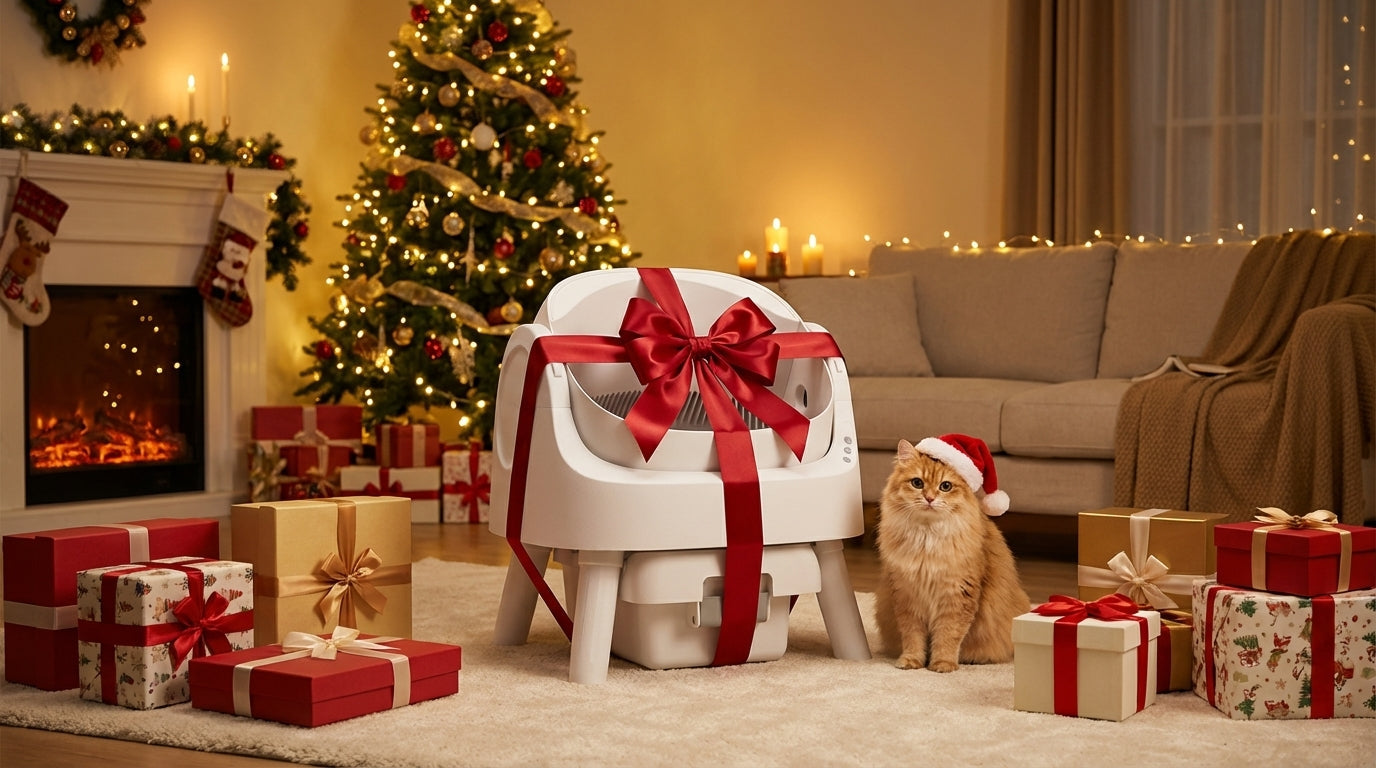
But beyond saving your own time, there is a biological reason to upgrade. Your cat doesn’t care about a new feather toy. According to the Ohio State University College of Veterinary Medicine, optimizing your cat's environment—specifically ensuring a clean, stress-free litter box setup—is critical for preventing stress-related diseases like cystitis. When these basic needs aren't met, cats get anxious, which impacts their long-term health. So this year, let’s skip the novelty socks and the "World’s Best Cat Mom" mugs. We’re going to talk about gifts that actually matter. Gifts that give you your time back, keep your house smelling like actual Christmas, and keep your cat healthy. Here are the 5 vet-approved essentials you (and your cat) actually need this year.
🏆 1. The Ultimate Life-Upgrade: PetPivot Open-Top Self-Cleaning Litter Box
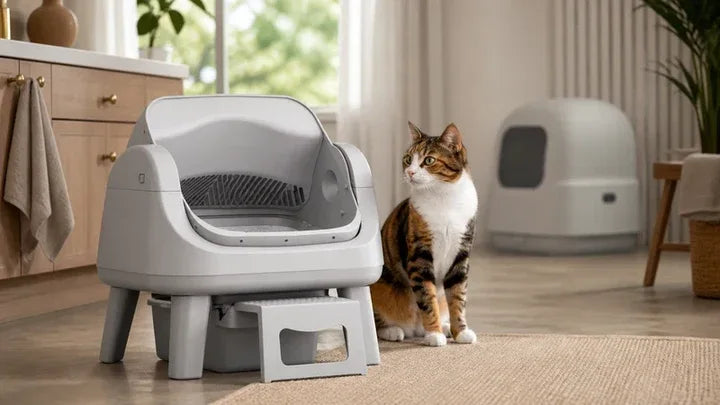
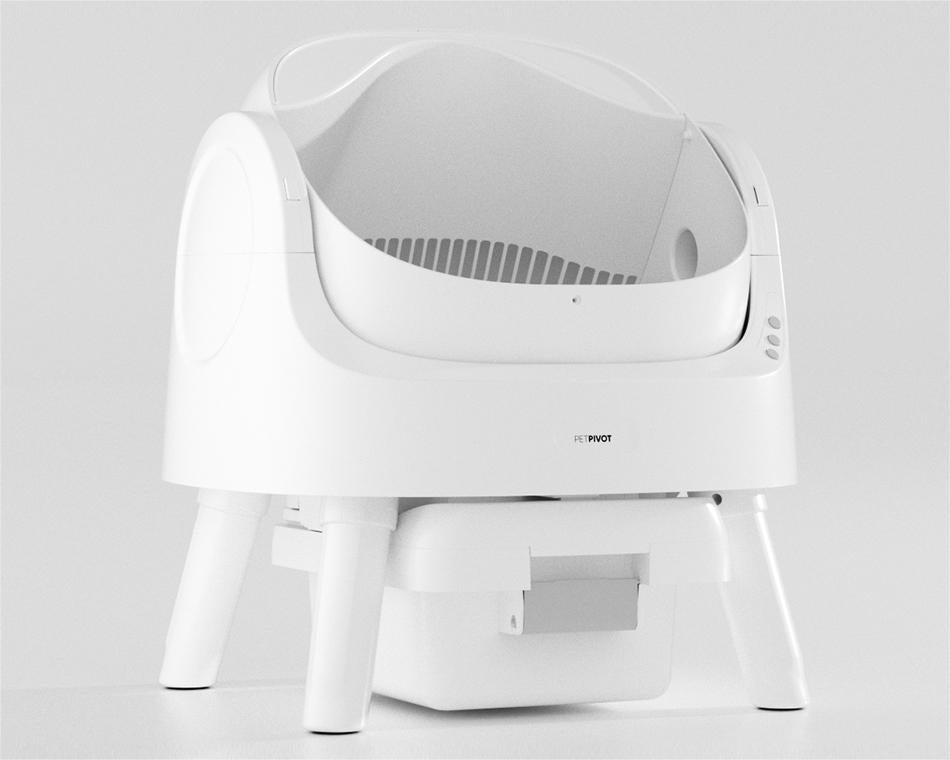
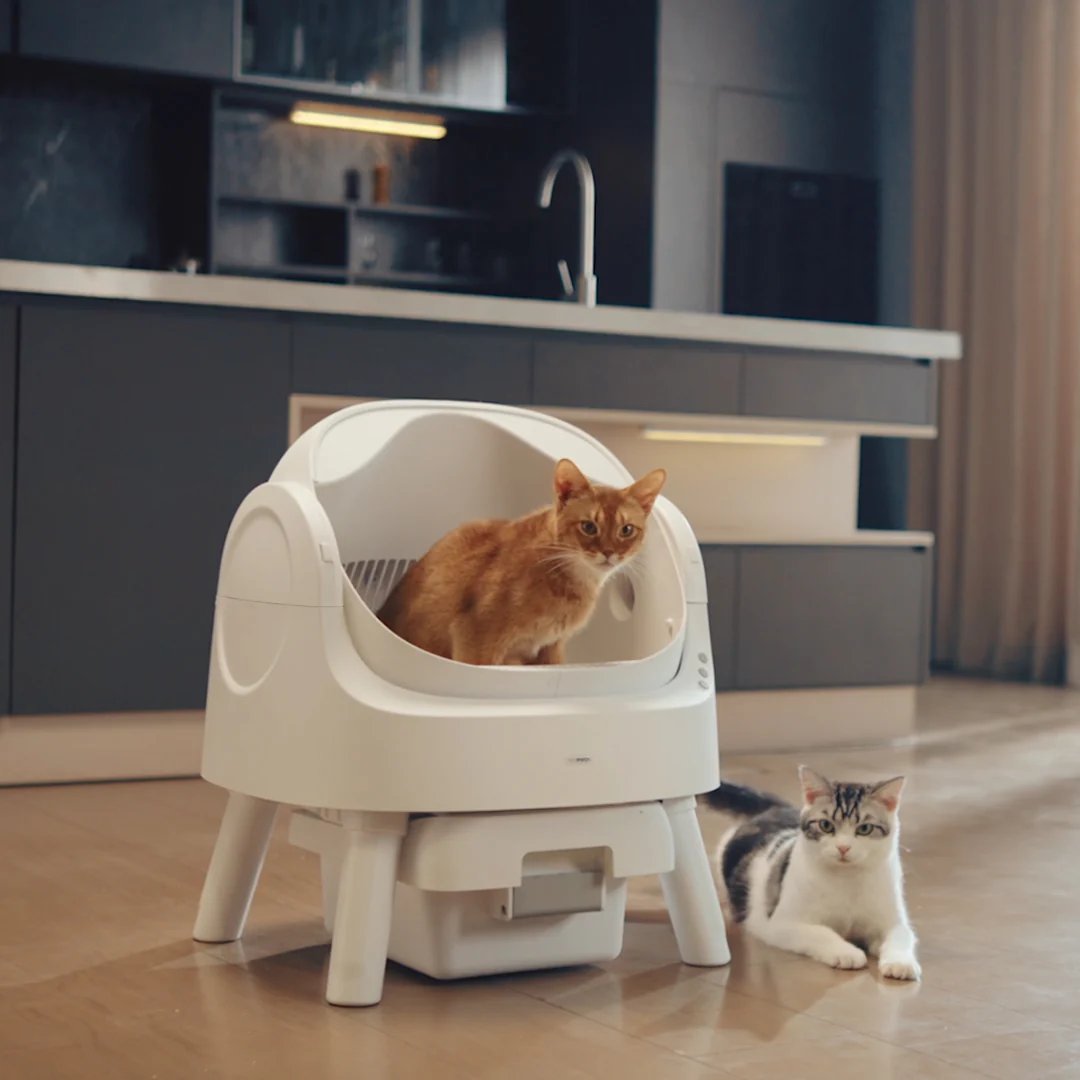
We selected the PetPivot as our top pick for 2025 not just for its convenience, but because its engineering aligns with best practices in feline health and safety. While many automated boxes prioritize "looking cool" for humans, the PetPivot prioritizes the biological needs of the cat. It addresses the three critical pillars of litter box management: Behavioral Safety, Environmental Hygiene, and Mechanical Reliability.
Validated by Feline Science: Why I Chose "Open-Top" Over "Spaceship" Robots
 I used to think those enclosed, spaceship-style robots were the ultimate upgrade, but I learned that they often prioritize human aesthetics over feline biology. According to the Cornell University Feline Health Center, many cats suffer from anxiety when forced into covered boxes because they feel trapped without a clear escape route—a concept experts call "elimination vulnerability." This really clicked for me when I switched to the PetPivot. Unlike the claustrophobic domes that frustrated my larger cat, its Open-Top Design allows for 360-degree visibility, respecting their natural predatory instinct to survey their surroundings while they are vulnerable. It’s a design choice that significantly lowers stress, especially if you have a larger breed (like a Maine Coon) or a multi-cat home where one cat might try to "ambush" the other upon exit.
Engineering Safety: Why I Don't Trust "Weight Sensors" Anymore
Safety was my non-negotiable dealbreaker. But it wasn't until I researched the needs of aging cats that I realized why the technology matters so much.
I was reading a guide from the Cornell University Feline Health Center on caring for senior cats, and one point really stuck with me: older cats, especially those with arthritis, often move stiffly and hesitate when entering or exiting a litter box.
This made me realize the danger of budget robots that rely on Weight Sensors. If an arthritic cat steps in too slowly, or shifts their weight unevenly because of pain, a cheap sensor might not register them in time. That "lag" is terrifying.This is why the PetPivot’s 7-layer sensor array is superior.

It doesn't wait to "feel" the cat's weight; it uses infrared optics to "see" the cat. I tested this: whether it was a fast-moving kitten or my hand moving in slow motion (simulating a senior cat), the machine executed an emergency hard-stop instantly. It aligns perfectly with the expert advice to accommodate cats with limited mobility—ensuring the machine waits for them, not the other way around.
Hygiene Control: Why I Worry About Ammonia (And You Should Too)

I used to think that sharp "litter box smell" was just an annoying part of owning a cat. But after digging into the science, I realized it’s not just a nuisance—it’s a health hazard.
As urine decomposes, it releases ammonia gas. Veterinary experts note that ammonia is a potent respiratory irritant that can trigger or worsen conditions like Feline Asthma and Bronchitis. Since our cats are physically closer to the litter than we are, they are breathing in those fumes directly every time they step into a dirty box.
This is why the PetPivot’s design impressed me so much. It doesn't just cover up the smell; it contains it.
It features a 10L Sealed Waste Drawer that rapidly sifts waste into a confined, low-oxygen compartment below. By limiting airflow to the waste, it slows down bacterial fermentation and locks in those Volatile Organic Compounds (VOCs) that cause the stink.

For me, the difference was immediate. My home finally smells like home again, not a kennel. But more importantly, I know I’m providing a cleaner, healthier micro-environment for my cat’s sensitive lungs.
The "Stability First" Protocol: Why No Wi-Fi?

As someone who is constantly juggling work, family, and my cat's needs, I’ve learned the hard way that stability is key.
In a world where everything is "smart" and connected, it's easy to overlook how much we rely on a constant internet connection. I used to think Wi-Fi-based devices were a must. But after dealing with failed sanitation cycles and app glitches just because my router blinked offline, I realized something crucial: The less my pet tech depends on the cloud, the better.
That’s where the PetPivot shines. While many modern devices rely on remote servers to function, PetPivot’s decision to stay offline is a game-changer. It is designed with Local, Onboard Logic—meaning it "thinks" for itself without needing to ask the internet for permission.
This aligns perfectly with expert advice on feline stress. According to the American Association of Feline Practitioners (AAFP), maintaining a consistent and predictable environment is vital for preventing behavioral issues. If a Wi-Fi robot disconnects and stops cleaning, that consistency is broken, and your cat gets stressed.
The PetPivot’s Plug-and-Play architecture ensures 99.9% uptime. It is always ready to go, no matter what is happening with your internet service provider.
For me, this makes all the difference. I don’t want to spend my Christmas morning troubleshooting connection errors. My cat’s health and my peace of mind come first—and the PetPivot delivers on both by simply working, every single time.
💰 The Investment Breakdown
Quality engineering comes at a cost, but PetPivot disrupts the market by removing the "Tech Tax" (expensive Wi-Fi modules and app development) and putting that budget into better motors and sensors.
| Feature | Typical High-End Robots ($600+) | PetPivot ($144) | The Professional Verdict |
| Design Type | Enclosed / Globe | Open-Top | Open-top is superior for reducing feline anxiety. |
| Safety Tech | Weight + Pinch Sensors | 7-Layer Array | PetPivot offers redundant safety layers for peace of mind. |
| Connectivity | Wi-Fi / App Dependent | Local Logic | Local logic is more reliable; no "server down" failures. |
| Noise Level | 40–55 dB | < 32 dB | Whisper-quiet operation prevents noise-induced stress. |
💧 2. The Kidney Guardian: Stainless Steel Water Fountain

Hydration is arguably the single most critical factor in feline longevity. According to Cornell University’s Feline Health Center, Chronic Kidney Disease (CKD) affects 30-40% of cats over the age of 10. The biological challenge is that domestic cats evolved from desert ancestors and possess a naturally low thirst drive; they often won't drink until they are already dehydrated.
A stainless steel fountain solves this by mimicking a running stream, which triggers a cat's instinctual desire to drink. From a clinical perspective, we recommend stainless steel over plastic models. Plastic is porous and can develop microscopic scratches that harbor biofilm bacteria, a common cause of Feline Chin Acne. Investing in a steel fountain is an investment in preventing future renal complications.
🛡️ 3. The Sanitation Barrier: Dual-Layer Honeycomb Litter Mat

Litter tracking is more than just a messy floor annoyance; it is a vector for spreading bacteria and parasites (like Toxoplasmosis) throughout your home. A standard rug simply traps this debris on the surface. We recommend a Dual-Layer Honeycomb EVA Mat for its functional engineering.
The top layer features large hexagonal holes that gently spread the cat's paw pads, dislodging granules which then fall into the solid bottom layer. This creates a containment zone that separates the waste from your living environment. Look for mats made from BPA-free, Phthalate-free EVA foam, ensuring that the material is non-toxic and water-resistant for easy sanitization. It’s a simple mechanical solution to a microscopic hygiene problem.
🔦 4. The Cognitive Stimulator: Automatic Laser & Motion Toys

Indoor cats face a silent epidemic: boredom-induced stress and obesity. The Association for Pet Obesity Prevention reports that nearly 60% of cats are overweight or obese. Furthermore, a lack of "environmental enrichment" can lead to destructive behavior or depression.
Interactive toys are not mere playthings; they are predatory simulators. Automatic laser toys or motion-activated feathers engage a cat's "prey drive" (stalking, chasing, pouncing), providing essential aerobic exercise and mental stimulation. For busy owners, these devices ensure your cat receives necessary cognitive engagement even when you are not available to play, helping to maintain a healthy weight and a balanced temperament.
🍗 5. The Biological Appropriate Treat: Single-Ingredient Freeze-Dried

The holidays are a time for treating, but many commercial cat treats are filled with carbohydrates, corn, and artificial preservatives—ingredients that contribute to feline diabetes and inflammation. Cats are obligate carnivores, meaning their digestive systems are designed almost exclusively for protein and fat, not carbs.
We strongly advise switching to Single-Ingredient Freeze-Dried Treats (such as 100% chicken liver, salmon, or minnows). The freeze-drying process preserves the raw nutrients and enzymes without the need for high-heat processing. By reading the label and ensuring there is only one ingredient listed, you are providing a reward that aligns with your cat's biological dietary requirements, rather than working against them.
Final Thoughts: The Gift of Being Just a "Pet Parent" Again
We often joke that cats are the masters and we are the servants, but the truth is, when chores like scooping litter become a daily burden, it steals a tiny bit of the joy out of pet parenthood. The real value of the items on this list—whether it’s the PetPivot or a simple water fountain—isn’t about the technology itself. It’s about removing the "janitor work" from your relationship so you can get back to the "parent" part. This holiday season, the most meaningful gift you can give isn't a toy that will get lost under the sofa. It’s a home where the air is fresh, the water is clean, and your time is spent actually bonding with your cat, not cleaning up after them. That is the upgrade you both deserve.
You may also like


Further reading
Smart Litter Box Features Worth Paying For, and the Ones You Can Skip
How Do Self Cleaning Litter Boxes Work? Rake, Rotating and Sifting Designs Explained
Automatic Kitty Litter Box: Weight Limits, Sensors and Setup for Small Cats