How Do Cats Know to Use the Litter Box? Instincts Explained

About the Author
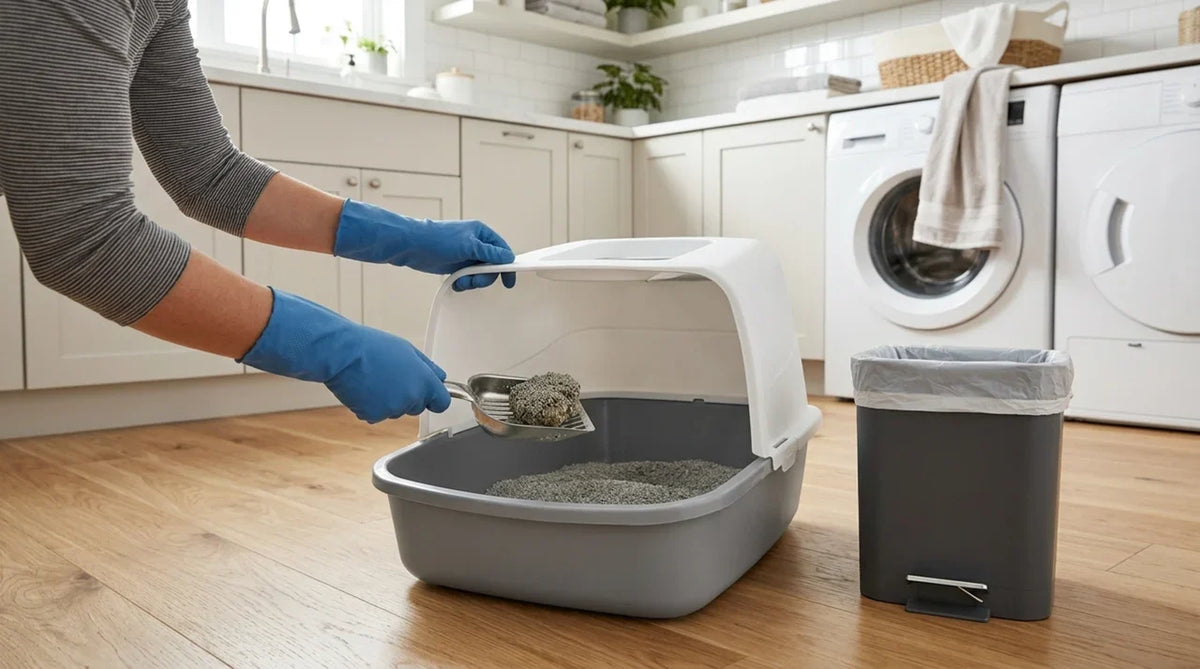
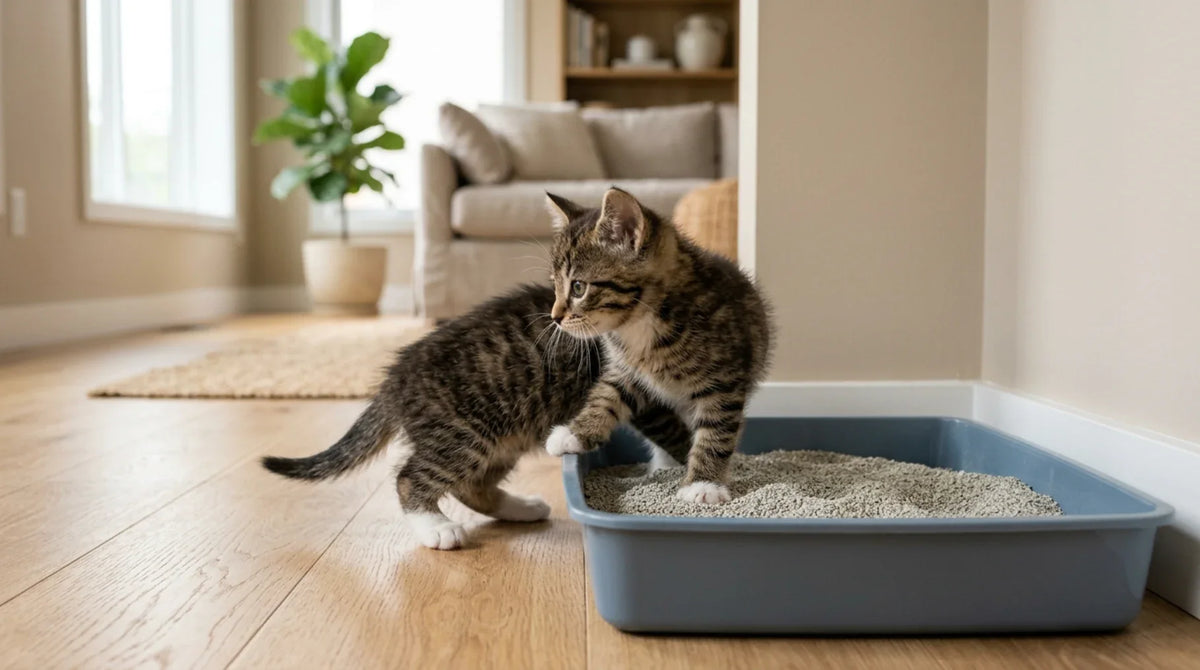
You put a litter box in the corner, add some litter, and your kitten may walk over and use it without being shown what to do. There is no teaching process, no demonstration, and there might even be no second try. But how do cats do it? The simple answer is instinct. Cats instinctively seek out something soft and loose to dig into and cover their droppings. And the litter box provides them just that. But it is not the whole story. Litter texture, location of the litter box, its cleanliness, and the cat's experience can play a role in turning this first successful litter box visit into a regular routine. Step What happens Instinct The urge to dig in loose material and cover waste is there from kittenhood Litter Fine, soft granules give the cat something to dig into and pull back over waste Location A quiet spot with an easy exit lets the cat relax enough to go Repetition Each successful visit makes the same spot more familiar Habit The box becomes the default place, as long as it stays clean and easy to reach Why Do Cats Naturally Dig and Bury Their Waste? The behavior is about scent. A cat that buries its waste leaves less of a trail for predators and rivals. Indoors, a litter box is usually the only loose material a cat can reach. That is why cats need litter boxes in the first place. 1. The Instinct to Hide Waste Cat urine and feces both carry pheromones, the chemical scent markers cats use to leave messages for each other. Cats can tell their own waste from another cat's by these markers. Covering the waste hides that information. Domestic cats kept this routine through domestication. Kittens raised with no adult cat around still do it without being shown. 2. Why Soft Dirt and Sand Matter Burying waste needs material that moves. Outdoors that means loose soil or sand, where a cat can scrape out a shallow hole with its front paws and rake it closed again when it is done. Fine litter does the same job indoors. When people ask why do cats use litter boxes, the material inside is most of the answer. One volunteer on a feral colony study noticed the cats dug their own latrines near the team's boxes. Their choice of spot came down to the soil. 3. Why Some Cats Leave Waste Uncovered Not every cat covers every time. In feral colonies, the dominant cats sometimes leave their feces in the open on purpose, as a way of telling the others whose ground it is. Lower ranking cats tend to bury theirs. A cat that has never covered is likely following its own pattern. A cat that suddenly stops after years of covering is a different case. That change is worth checking. The stress at home could be one cause, and the pain in their hips or paws from digging could be another. Do Cats Actually Know What a Litter Box Is? They don’t, at least not in the way we generally imagine them doing so. There is nothing in a cat’s mind that connects a plastic tray with the concept of a toilet. What it notices is a patch of soft material it can dig into and enough room to crouch. It also wants a corner where nobody is likely to startle it. Taken together, those things are the real answer to how do cats know to use the litter box. 1. The Box Is Not the Main Cue Nothing like a plastic tray exists outdoors. What the cat sees is the litter. The fine particles yield to the feet of the cat in pretty much the same way as dry soil in the garden, and as long as there is enough litter and space to turn around in, the form and color of the litter box don’t really matter. 2. Why a New Cat Can Use a Box Almost Immediately Some cats need no introduction. One foster kept two feral kittens, about five weeks old, in a dog crate with a litter box. Neither had seen one before. Both used it from the first day. A study of free roaming cats in the old town of Onomichi, Japan, points the same way. With communal boxes and a ground repellent in place, waste on the streets fell to zero over 14 weeks. Not every cat adapts this easily. 3. Why Cats May Choose Other Soft or Diggable Surfaces If the effectiveness of litter is based on texture, then other soft items will also be effective. A plant pot may be suitable, along with a thick carpet or a pile of laundry. In one case of cat owners, they used a bucket full of tiny aquarium gravel, and the cat urinated in it in less than an hour. If your cat chooses an unusual place, think about what it allows the cat to do that the litter box doesn’t. How Do Kittens Learn to Use a Litter Box? Digging is something a kitten will do without anyone showing it how. They do need to learn where the box is. One cat owner found their kittens caught on fast but still had to be shown the box more than once. 1. When Kittens Start Toileting Independently In the early weeks of a kitten’s life, it requires its mother's licking to pass urine and stool. It is somewhere between four weeks old that the cat begins doing things on its own. This is the right time to introduce a litter box for the kitten. Choose a box with low sides and add only a little bit of unscented and soft litter. 2. How Mother Cats and Observation Can Help Kittens often watch their mother use the box and copy her. Observation is not the whole story, though. Orphaned and hand reared kittens usually take to a box with little help. The mother helps a kitten find the place. What the kitten brings to the box by itself is the urge to dig. 3. What If a Kitten Has Never Seen a Litter Box? Place the box in a quiet area where the kitten frequents, then put the kitten inside the box after each feeding and also when it comes out of sleep. Playing is also a good opportunity. In case there’s an incident, use a tissue to wipe some of the mess and then place the tissue in the litter, hence conditioning the kitten to associate with the right place. What Makes a Litter Box Easy for a Cat to Accept? A cat can understand the box and still be picky about it. Owners with several cats often report the same thing. Given a choice, their cats will walk past a used box to get to the one that was scooped most recently. 1. Choose a Cat-Friendly Litter Texture According to vets, most cats go for unscented litter with a fine texture. Fine grains are the nearest thing indoors to sand, and they slide over waste with very little effort. If your cat is content with its current litter, then switching would be unnecessary. When changing the litter type, however, it may help to gradually add small amounts of the new litter mixed with the existing one. 2. Get the Litter Depth Right Guidance varies. Some vet sources put the right depth at 1 to 2 inches. Other veterinary guidance calls for at least 3 inches. Starting somewhere between 2 and 3 inches and adjusting from there works in most homes. A cat who wavers or one who keeps its paw on the edge rather than staying inside the litter box wants the litter taken away, and kittens require less than adult cats. 3. Keep the Box Clean Being aware of the location of the box doesn't ensure that a cat continues to use it when it becomes dirty. According to animal welfare guidelines, the box should be cleaned at least daily; a box that smells of nothing smells more pleasant to cats than a box that smells of cleaning agents. The cat litter must clump firmly enough so that an automatic box can scoop it out. Our notes on choosing a litter that works in an automatic box go through what to check. Where Should You Put the Litter Box? Even with the right litter, a cat may skip a box that sits somewhere loud or out in the open. Location finishes what instinct and litter start. 1. Select a Quiet and Accessible Area Find a place that remains quiet and does not belong to the walk-through part of the house. The laundry room appears practical until you start using the dryer during your visit. The cat will also have to access the box early in the morning. A room with the door which is often closed will never work. 2. Separate Food from Litter A cat does not really like using the toilet close to her feeding area, and having more than one cat usually means considering this separation as a house norm. There is no need to make the litter located on another floor. In the case of a studio, placing the litter box in the other end of the room or behind a bookshelf should work just fine. 3. Provide a Place Where the Cat Can Scratch Comfortably It should be large enough so that the cat can get inside it and make turns without touching the walls. If you put your box in such a confined space that it gets jammed against the wall and cannot go anywhere else, then it is left with no other way out. In a crowded house, the kid or the pet dog may unintentionally step into the box. Why Does a Cat Sometimes Stop Using the Litter Box? A cat who had been using the litter box happily for years can suddenly stop doing so. Something about the box or the home may have changed. The cat's own body may have changed too. Rule out health first Contact your veterinarian prior to touching the system if the change was sudden in onset. This is also applicable when the cat straining, passing small volumes of urine frequently throughout the day, cries in the litter box, or is passing bloody urine. 1. The Box or Litter May Have Changed A new litter may feel rougher. A new box may have higher sides or a lid. Moving the same box to a different room is considered a change too. When you exchange the litter, the box, and its placement all at once on one weekend and your cat refuses to use it, you will not be able to find out which one he disliked. 2. Stress Can Change Litter Box Habits Changing houses or introducing a new animal into the house could be one cause that disrupts the routine of the cat, as owners say visits and odd smells at home could be factors. When there are many cats in one household, the stress is mostly exerted by the other cats. A single cat sitting in front of the door can prevent another one from entering. 3. Sudden Changes Can Have a Health Cause Veterinary behaviorists list urinary tract disease and constipation among the medical causes of house soiling. Diabetes and mobility problems are on the list too. If going to the toilet hurts, the cat may start to blame the box for the pain and look for somewhere else. When the change is sudden, book the vet visit before you try anything else. Why Do Cats Sometimes Use Other Places Instead? It can look like protest. Usually the other spot offers something the box does not. Often it is softer underfoot or closer to where the cat sleeps, and sometimes it still smells faintly of an earlier accident. 1. Soft Surfaces Can Look Like Digging Areas Carpet, potting soil and piles of fabric give the same cue as litter. Owners with carpet often find that cats will use it. Kittens and newly adopted cats experiment the most. In many cases the litter in the box is coarser than the rug, or the box sits two rooms away from where the cat spends its day. 2. Previous Odors Can Reinforce the Wrong Location A place that smells like old urine tells the cat that it is the bathroom, and air fresheners won’t help to remove the smell from under the cat’s nose. Enzyme cleaners that were made specially to get rid of pet urine will do just that. Avoid using ammonia and bleach because they have the smell of urine that cats can detect. 3. Make the Litter Box the Easier Choice Give the box whatever the unwanted spot offers. If the cat has been using the rug, a softer litter brings the box closer to how the rug feels, and scooping every day keeps the box more appealing than a pile of clothes. While the habit comes back, lay foil or stones over the soil in houseplants and keep laundry in a closed hamper. Does a Clean Litter Box Help Cats Recognize It as Their Bathroom? A clean box forms an essential element of the cat’s recognition of where it should relieve itself. If the box always remains in the same spot, uses the same litter and has nothing dirty left inside it, each visit becomes very familiar. 1. Familiar Smell Can Be Part of the Routine The nose is an important tool for learning in cats, and the smell of a small amount of cat odor on the litter informs the cat that the litter box is its own. Should that litter box begin to smell of the cleaning product made of pine, the litter box will appear unfamiliar. 2. Why Some Cats Use the Box Right After It Is Cleaned Plenty of owners have finished scooping, turned around and found the cat already climbing in. The box is in the same spot it always is, only now the surface is fresh and nothing is left from earlier visits. A cat that does this is showing you how much a clean surface matters to it. An automatic litter just like Autoscooper 12 that handles scooping on its own keeps waste from sitting in the box between your own cleanings. 3. Clean Does Not Mean Heavily Perfumed Scented litter is very unattractive to many cats, while the smell of cleaning products may be even worse. In any case, you should clean the litter box using unscented mild soap, along with plenty of warm water, but make sure that everything dries out completely. How Many Litter Boxes Does a Cat Need? Counting boxes is only half of it. Access matters just as much. 1. One Box Is Not Always Enough Most advice starts from one box per cat plus one extra, so a home with two cats would begin with three. That number is a starting point and nothing more. When one box gets used all day and another is barely touched, where they sit is probably the issue rather than how many there are. Our guide to how many litter boxes each cat actually needs goes into spacing in more depth. 2. Where Multiple Boxes Should Go Cat owners disagree here. Some keep boxes side by side with no trouble. Others note that cats sharing a home often just tolerate each other. Boxes lined up in one room work like one location. One cat at the door can block them all. Spread boxes across rooms, each with a clear exit. 3. Watch for Blocking or Competition Blocking rarely looks like a fight. One of them rests on the hallway leading to the box. The other one follows the pet companion each time it goes near the litter. When incidents happen right after a new pet or human being comes in the home, consider the ability to get access to the box rather than cleanliness. What Should You Do If Your Kitten Will Not Use the Litter Box? When a kitten misses the box, it usually knows perfectly well what the box is for. The box may be hard to enter. The habit may also still be forming. 1. Start With the Basics Start with a low entry box, soft unscented litter and a quiet spot, and leave all three alone once the kitten begins using them. Keeping the kitten in one small room at first also helps. The foster with the crate kittens said the real test would come later, when the kittens were let out into rooms with laundry baskets in them. 2. Use Timing to Create the Routine The kitten can be brought to the box after eating and sleeping. Playing can be a useful occasion. If you happen to notice that it is sniffing the floor or scratching the carpet, you should take it gently to the box or next to it. 3. Accident Management without Punishment Any accidents should be cleaned up with enzymatic cleaners, and the box should still be offered to the kitten. Raising one’s voice will teach the kitten fear of using the bathroom. In case the kitten continues rejecting the litter box despite proper arrangement, consult a vet. FAQs How do cats instinctively use a litter box? They use it the same way wild cats use loose soil. The cat buries itself in the soft soil and covers it up in order to mask its odor, and a litter box full of fine litter is the only place where it can do that indoors. Do cats require potty training? Unlike puppies, most cats do not require toilet training. Cats already have an instinct to dig and bury, so all that a kitten may need is some assistance in locating the litter box. How do I make sure my cat knows where the litter box is? Make sure to keep it at a place where your cat can access easily without being near its feeding tray. For a kitten, put your kitten inside this box for the first one week or so after meals and naps. How do stray cats know how to use a litter box? The cat that is homeless has grown up digging and burrowing in soil or sand. Fine litter is quite comparable. In a study conducted in Japan, untrained cats preferred communal litter boxes after a few weeks. How long does it take a cat to learn how to use the litter box? The majority require just several days. Some kittens may need a whole week, or even more, of being carried into the box until it becomes habitual for them, while an adult cat which always went out in the garden will require more time. Why do cats cover their poop? The burying of the feces covers up the smell for the predators and the other cats around. The house cats retained this behavior. Sometimes the dominant cats do not cover their feces as a form of signal. Do kittens need to be trained to use a litter box? They do not require training in the traditional sense. Cats are capable of instinctively digging and burying at about four weeks old. What they require from you is a shallow box to find and use in their new environment. Why has my cat stopped using the litter box? Something usually happens in the cat's environment such as the litter or the location of the box. Illnesses are also common causes of this behavior. If the change is sudden, see your veterinarian first.
|
Step
|
What happens
|
|
Instinct
|
The urge to dig in loose material and cover waste is there from kittenhood
|
|
Litter
|
Fine, soft granules give the cat something to dig into and pull back over waste
|
|
Location
|
A quiet spot with an easy exit lets the cat relax enough to go
|
|
Repetition
|
Each successful visit makes the same spot more familiar
|
|
Habit
|
The box becomes the default place, as long as it stays clean and easy to reach
|
Why Do Cats Naturally Dig and Bury Their Waste?

1. The Instinct to Hide Waste
2. Why Soft Dirt and Sand Matter
3. Why Some Cats Leave Waste Uncovered
Do Cats Actually Know What a Litter Box Is?
1. The Box Is Not the Main Cue
2. Why a New Cat Can Use a Box Almost Immediately
3. Why Cats May Choose Other Soft or Diggable Surfaces
How Do Kittens Learn to Use a Litter Box?
1. When Kittens Start Toileting Independently
2. How Mother Cats and Observation Can Help
3. What If a Kitten Has Never Seen a Litter Box?
What Makes a Litter Box Easy for a Cat to Accept?
1. Choose a Cat-Friendly Litter Texture
2. Get the Litter Depth Right
3. Keep the Box Clean
Where Should You Put the Litter Box?
1. Select a Quiet and Accessible Area
2. Separate Food from Litter
3. Provide a Place Where the Cat Can Scratch Comfortably
Why Does a Cat Sometimes Stop Using the Litter Box?
|
Rule out health first
Contact your veterinarian prior to touching the system if the change was sudden in onset. This is also applicable when the cat straining, passing small volumes of urine frequently throughout the day, cries in the litter box, or is passing bloody urine.
|
1. The Box or Litter May Have Changed
-
A new litter may feel rougher.
-
A new box may have higher sides or a lid.
-
Moving the same box to a different room is considered a change too.
2. Stress Can Change Litter Box Habits
3. Sudden Changes Can Have a Health Cause
Why Do Cats Sometimes Use Other Places Instead?

1. Soft Surfaces Can Look Like Digging Areas
2. Previous Odors Can Reinforce the Wrong Location
3. Make the Litter Box the Easier Choice
-
If the cat has been using the rug, a softer litter brings the box closer to how the rug feels, and scooping every day keeps the box more appealing than a pile of clothes.
-
While the habit comes back, lay foil or stones over the soil in houseplants and keep laundry in a closed hamper.
Does a Clean Litter Box Help Cats Recognize It as Their Bathroom?
1. Familiar Smell Can Be Part of the Routine
2. Why Some Cats Use the Box Right After It Is Cleaned

3. Clean Does Not Mean Heavily Perfumed
How Many Litter Boxes Does a Cat Need?

1. One Box Is Not Always Enough
2. Where Multiple Boxes Should Go
3. Watch for Blocking or Competition
-
One of them rests on the hallway leading to the box.
-
The other one follows the pet companion each time it goes near the litter.
What Should You Do If Your Kitten Will Not Use the Litter Box?
1. Start With the Basics
2. Use Timing to Create the Routine
-
The kitten can be brought to the box after eating and sleeping.
-
Playing can be a useful occasion.
-
If you happen to notice that it is sniffing the floor or scratching the carpet, you should take it gently to the box or next to it.
3. Accident Management without Punishment
-
Any accidents should be cleaned up with enzymatic cleaners, and the box should still be offered to the kitten.
-
Raising one’s voice will teach the kitten fear of using the bathroom.
-
In case the kitten continues rejecting the litter box despite proper arrangement, consult a vet.
FAQs
How do cats instinctively use a litter box?
Do cats require potty training?
How do I make sure my cat knows where the litter box is?
How do stray cats know how to use a litter box?
How long does it take a cat to learn how to use the litter box?
Why do cats cover their poop?
Do kittens need to be trained to use a litter box?
Why has my cat stopped using the litter box?

You may also like

AutoScooper 12 Litter Base Bed – 2 Pack

AutoScooper 12 Waste Bags – 60 Count


Further reading

Where Should You Put a Litter Box in a Small Apartment?
Is Cat Litter Biodegradable? Types, Disposal & Safety
How Do Cats Know to Use the Litter Box? Instincts Explained