
Can a Litter Box Track Cat Urine or Stool Changes?

About the Author
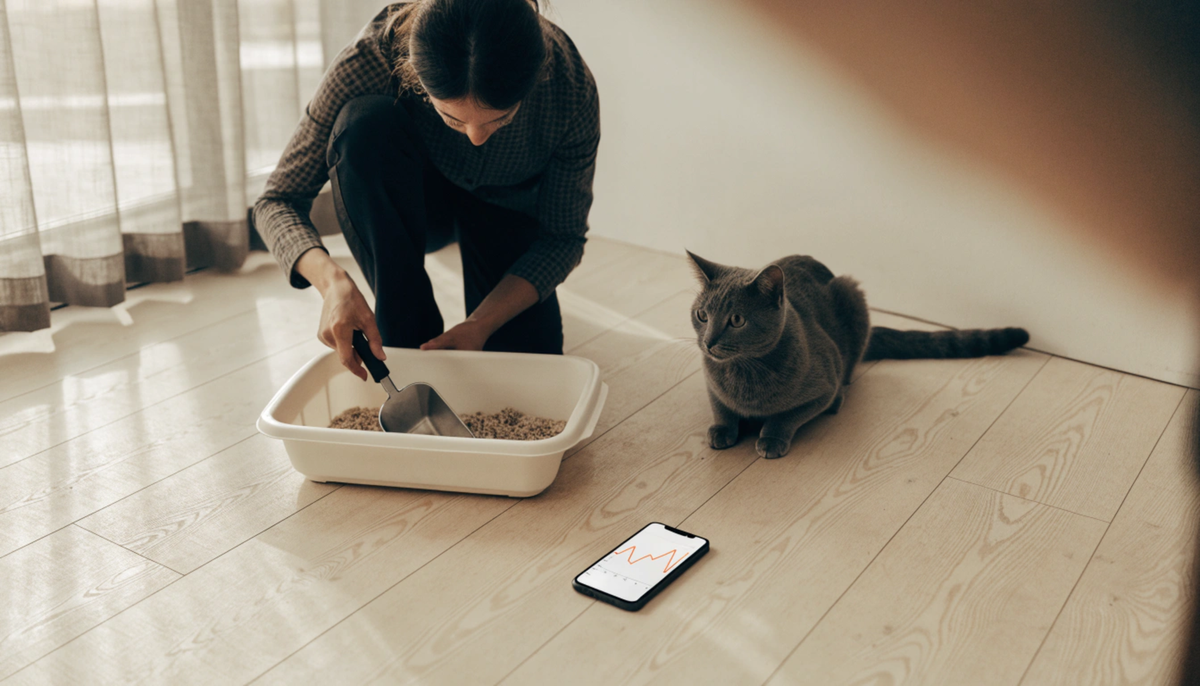
A litter box can help you notice changes in your cat’s urine, stool, and bathroom habits, but it cannot tell you exactly what is wrong or diagnose a health condition. It may allow for early detection of any changes. A traditional litter box already gives you useful information through daily scooping. You notice changes in urine clump size, stool texture, frequency, odor, or how your cat behaves around the box. Smart litter boxes take it further by automatically collecting data on visit frequency, schedule, weight changes, or activity around the box. Some even provide pictures of a cat's visit via a camera or app. Nevertheless, the data gathered from tracking must complement routine observations and visits to the veterinarian. If you notice any unusual signs, especially those related to pain and problems with urination, it is important to contact a vet and find out what is causing the problem. What Can a Litter Box Tell You About Your Cat's Health? Cats are good at hiding pain. Once a cat appears ill, chances are the illness has been around for quite some time. One of the first places to detect this illness is the litter box. Vet’s advice on house soiling states that illnesses that cause changes in urine or feces production are some of the most frequent reasons for litter-box issues. Urine Changes Worth Watching Urine changes tend to show up early. They often point to urinary, kidney, or metabolic issues before any other symptom appears. Visiting the box far more often than usual, or making many short trips back to back Producing noticeably more urine, or passing only tiny drops each time Visible effort or pain while trying to go, or spending a long time in the box with little result Any pink, red, or brownish tint in the urine Going back and forth to the box repeatedly without producing anything Stool Changes Worth Watching Stool tells you about digestion, hydration, and gut health. Small, hard, dry pellets, which usually point to constipation or not enough water Loose or watery stool that suggests digestive upset or a food reaction A slimy or gel-like coating, which can mean inflammation in the lower bowel Rapid change in color, shape, or texture that was not there before Behavior Around the Box Matters Too How your cat acts around the box matters just as much as what ends up in it. Refusing to step inside the box, or walking away from it repeatedly Crying, meowing, or showing pain while inside or on the way to the box Sitting in the box for a long time with pacing, scratching, or no result Going right next to the box, or in a completely different part of the house ⚠ SEEK URGENT CARE If your cat strains to urinate but produces little or nothing, cries out, or makes repeated unproductive trips, treat it as an emergency. Cornell notes a urethral obstruction is a true emergency, and male cats are at higher risk. Can a Traditional Litter Box Track These Changes? It can track changes but not in an advanced way like a smart litter box does. However, daily scooping can give you most of the information that matters. Scooping is not just cleanup. It is a daily look at what your cat produced. You see clump size, stool texture and color, how many times the box was used, and whether anything smells or looks off compared to yesterday. Know your cat's baseline first. One unusual clump on its own means little. Repeated changes over several days are what matter. How Smart Litter Boxes Track Cat Urine and Stool Changes Smart litter boxes put sensors and software on top of what owners already do by hand. Instead of seeing the result when you scoop, these systems log it over time and flag when something shifts. If you are looking at an automatic cat litter box with health tracking, here is what the tech can and cannot do. Weight Sensors Track Usage Patterns Weight sensors in the base register each time a cat steps in and out. Over time the system builds a picture. Visit frequency, timing, duration. Some models also log the cat's body weight at each visit. That data catches trends you might miss by hand, especially in a home with more than one cat. If you are weighing whether a smart box is safe for your cat, our guide on whether automatic litter boxes are safe covers the sensor types and red flags to watch for. Cameras Add Visual Information Camera-equipped boxes record posture during use, time spent inside, and behavior before and after. Video catches straining, hesitation, or odd positions that weight data alone would miss. It also helps tell cats apart when they are close in body weight. AI Systems Analyze Patterns Over Time Some boxes run AI that builds a baseline of each cat's habits and sends an alert when the pattern breaks. More visits than usual, longer time in the box, a weight change that holds for days. The alert flags the change. It does not explain why. ✓ WHAT TRACKING DATA CAN AND CANNOT DO A sensor can tell you something changed. It cannot tell you why. Use the data as a prompt to look closer or call a vet, never as a diagnosis on its own. What Smart Litter Boxes Cannot Tell You Tracking flags patterns. It does not run lab work.VCA's guidance on house soiling notes that litter-box habit changes are often the first sign of a medical issue, but finding the actual cause takes a vet. Urine chemistry, pH levels, and bacteria are outside a smart box's reach. So are kidney markers like BUN or creatinine, which require actual blood work. Confirming diabetes means testing blood glucose and running a urinalysis, none of which a litter box can do. The box may show your cat spending longer inside, but it cannot tell you whether the cause is a blockage, megacolon, or simple dehydration. Behavioral data may catch pain signals, but whether that pain comes from a joint, the bladder, or the bowel is something only a vet can determine. Think of the litter box, smart or plain, as an early warning system. Diagnosis belongs to the vet. How to Track Your Cat's Litter Box Habits Effectively Tracking does not need fancy tools. Plain box or smart box, the goal is the same. Know what is normal for your cat so you catch it when something changes. Establish Your Cat's Normal Baseline: Before you spot a change, you need to know the usual picture. How many urine clumps show up each day. What the stool normally looks like. How often the cat visits. When those visits usually happen. A week or two of paying attention gives you a solid baseline. Look for Patterns, Not Single Events: One odd clump does not mean something is wrong. Diet, stress, water, even weather can throw off a single visit. What matters is a pattern that holds over several days. Track it. If it persists, call the vet. Keep Records for Your Veterinarian: Bring what you have to the vet visit. Dates, frequency shifts, photos of unusual stool, a smart-box log. All of it gives the vet a clearer starting point. A box like the AutoScooper 12 Lite cat litter box clears waste between visits, which keeps litter clean for the next cat. But check the drawer contents before you empty it. That is where the clues end up. Are Smart Litter Boxes Useful for Multi-Cat Homes? In a multi-cat home, the hard part is figuring out which cat left what. Weight-based systems try to assign visits to a profile. Camera boxes tell cats apart visually. Neither is perfect. Similar weights fool a scale. Low light blurs a camera. Vet's guidance on feline lower urinary tract disease recommends one box per cat plus one, in quiet, safe spots. Separate boxes make tracking far more reliable than sharing one. Our guide on how many litter boxes for multiple cats covers the setup and placement that makes monitoring each cat easier. When Should You Call a Veterinarian? Tracking finds the clue. The vet finds the cause. Some changes need urgent attention. Others call for a scheduled visit. ⚠ Call a Vet Urgently If You See There are certain indications which call for immediate vet attention. Cats having difficulty urinating without much success require immediate attention, particularly if they are male. Another indication is blood present in the urine. Indications include screaming or showing evidence of discomfort when using the litter box. If your cat is making frequent unproductive attempts to urinate within a short while, or refuses to eat, then this may be an indication. Arrange a Consultation with Your Vet for Continuous Changes Watch for urine volume rising or dropping steadily over several days, or soft stool, constipation, or mucus that lasts more than a couple of days. A shift in visit frequency or timing that does not go back to normal deserves attention too. The same goes for weight loss on a smart-box log or a home scale, or stress near the box that persists without a clear cause. None of these need an emergency visit, but leaving them too long lets a small problem grow. FAQs Can a Litter Box Detect Urinary Problems? It can flag signs that something has changed, like more frequent visits, smaller clumps, straining, or blood. It cannot name the specific problem. A vet exam and lab work do that. Can an AI Cat Litter Box Diagnose Illness? No. AI tracks habit patterns and flags shifts. It does not run tests, analyze samples, or produce a diagnosis. Early warning tool. Not a medical device. Are Smart Litter Boxes Worth It for Health Monitoring? Most useful in multi-cat homes where tracking by hand is tough, and for owners who want automatic data logging. Single-cat home where you scoop daily and pay attention? A plain box with a watchful owner covers most of the same ground. How Often Should I Check My Cat's Litter Box? Once a day at minimum. Each time, look at the clumps and stool. Note anything that looks or smells different from your cat's usual output. That daily habit is the core of litter-box health monitoring. Can a Litter Box Track Which Cat Is Sick in a Multi-Cat Home? Weight-based and camera-equipped boxes try to assign visits to individual cats. Accuracy varies. Similar weights fool scales. Camera ID depends on lighting and angle. Separate boxes per cat make tracking far more reliable. Can Cat Food Affect What You See in the Litter Box? Yes. Diet changes stool texture, color, and smell. Water intake changes urine volume and concentration. If you switch food, expect temporary shifts. If those shifts persist after the transition, a vet check is worth it. Sources Feline health faculty, Cornell Feline Health Center, Cornell University College of Veterinary Medicine — Feline Behavior Problems: House Soiling Feline health faculty, Cornell Feline Health Center, Cornell University College of Veterinary Medicine — Feline Lower Urinary Tract Disease eterinary behavior team, VCA Animal Hospitals — Cat Behavior Problems: House Soiling in Cats
What Can a Litter Box Tell You About Your Cat's Health?
Urine Changes Worth Watching
-
Visiting the box far more often than usual, or making many short trips back to back
-
Producing noticeably more urine, or passing only tiny drops each time
-
Visible effort or pain while trying to go, or spending a long time in the box with little result
-
Any pink, red, or brownish tint in the urine
-
Going back and forth to the box repeatedly without producing anything
Stool Changes Worth Watching
-
Small, hard, dry pellets, which usually point to constipation or not enough water
-
Loose or watery stool that suggests digestive upset or a food reaction
-
A slimy or gel-like coating, which can mean inflammation in the lower bowel
-
Rapid change in color, shape, or texture that was not there before
Behavior Around the Box Matters Too
-
Refusing to step inside the box, or walking away from it repeatedly
-
Crying, meowing, or showing pain while inside or on the way to the box
-
Sitting in the box for a long time with pacing, scratching, or no result
-
Going right next to the box, or in a completely different part of the house
|
⚠ SEEK URGENT CARE
If your cat strains to urinate but produces little or nothing, cries out, or makes repeated unproductive trips, treat it as an emergency. Cornell notes a urethral obstruction is a true emergency, and male cats are at higher risk.
|
Can a Traditional Litter Box Track These Changes?

How Smart Litter Boxes Track Cat Urine and Stool Changes
Weight Sensors Track Usage Patterns
Cameras Add Visual Information
AI Systems Analyze Patterns Over Time
|
✓ WHAT TRACKING DATA CAN AND CANNOT DO
A sensor can tell you something changed. It cannot tell you why. Use the data as a prompt to look closer or call a vet, never as a diagnosis on its own.
|
What Smart Litter Boxes Cannot Tell You
How to Track Your Cat's Litter Box Habits Effectively
-
Establish Your Cat's Normal Baseline: Before you spot a change, you need to know the usual picture. How many urine clumps show up each day. What the stool normally looks like. How often the cat visits. When those visits usually happen. A week or two of paying attention gives you a solid baseline.
-
Look for Patterns, Not Single Events: One odd clump does not mean something is wrong. Diet, stress, water, even weather can throw off a single visit. What matters is a pattern that holds over several days. Track it. If it persists, call the vet.
-
Keep Records for Your Veterinarian: Bring what you have to the vet visit. Dates, frequency shifts, photos of unusual stool, a smart-box log. All of it gives the vet a clearer starting point. A box like the AutoScooper 12 Lite cat litter box clears waste between visits, which keeps litter clean for the next cat. But check the drawer contents before you empty it. That is where the clues end up.

Are Smart Litter Boxes Useful for Multi-Cat Homes?
When Should You Call a Veterinarian?

|
⚠ Call a Vet Urgently If You See
There are certain indications which call for immediate vet attention. Cats having difficulty urinating without much success require immediate attention, particularly if they are male. Another indication is blood present in the urine. Indications include screaming or showing evidence of discomfort when using the litter box. If your cat is making frequent unproductive attempts to urinate within a short while, or refuses to eat, then this may be an indication.
|
Arrange a Consultation with Your Vet for Continuous Changes
FAQs
Can a Litter Box Detect Urinary Problems?
Can an AI Cat Litter Box Diagnose Illness?
Are Smart Litter Boxes Worth It for Health Monitoring?
How Often Should I Check My Cat's Litter Box?
Can a Litter Box Track Which Cat Is Sick in a Multi-Cat Home?
Can Cat Food Affect What You See in the Litter Box?
Sources
- Feline health faculty, Cornell Feline Health Center, Cornell University College of Veterinary Medicine — Feline Behavior Problems: House Soiling
- Feline health faculty, Cornell Feline Health Center, Cornell University College of Veterinary Medicine — Feline Lower Urinary Tract Disease
- eterinary behavior team, VCA Animal Hospitals — Cat Behavior Problems: House Soiling in Cats
You may also like

AutoScooper 11 Cat Litter Box

AutoScooper 11 Cat Litter Box

AutoScooper 11 Cat Litter Box


AutoScooper 11 Litter Base Bed – 2 Pack

AutoScooper 11 Waste Bags – 60 Count
Further reading
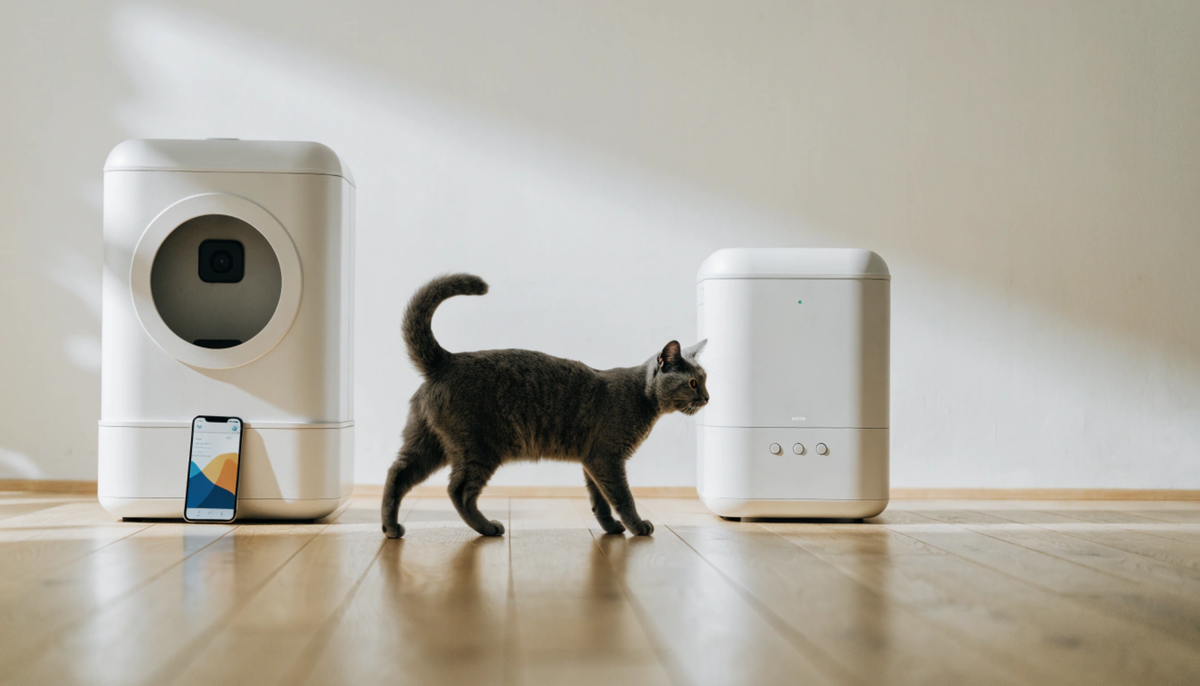
Smart Litter Box Trends in 2026: AI Cameras, Health Data and Simpler Automation
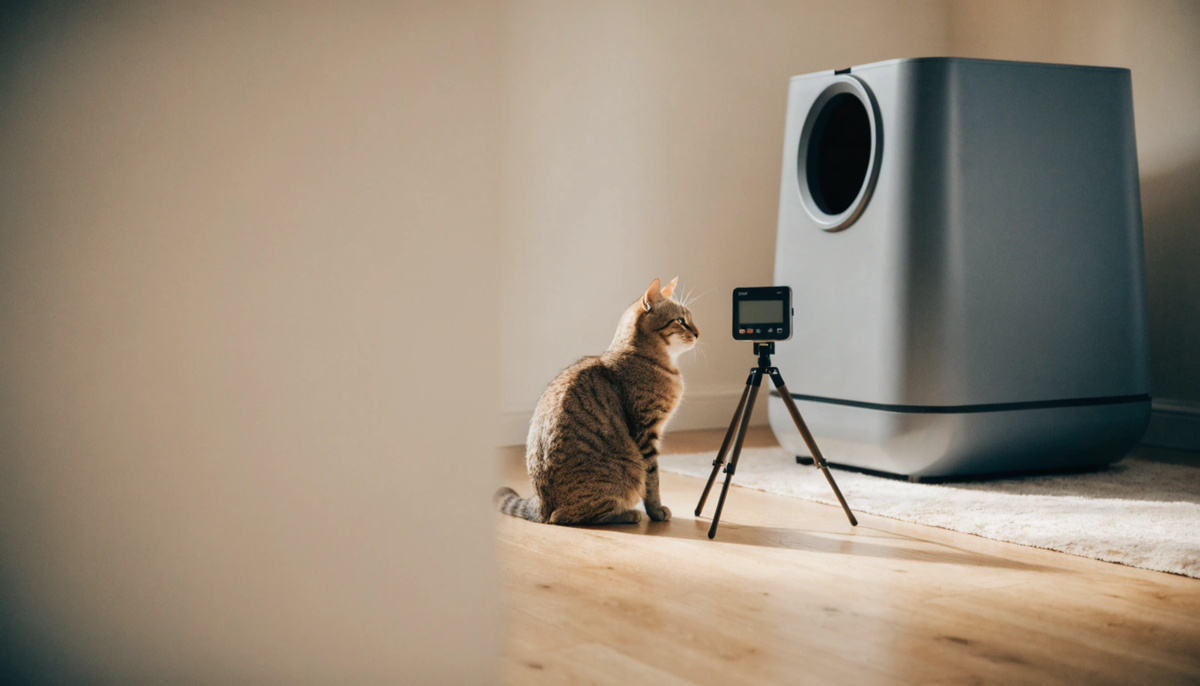
Automatic Litter Box Noise Test: What Is Normal and What Is Not
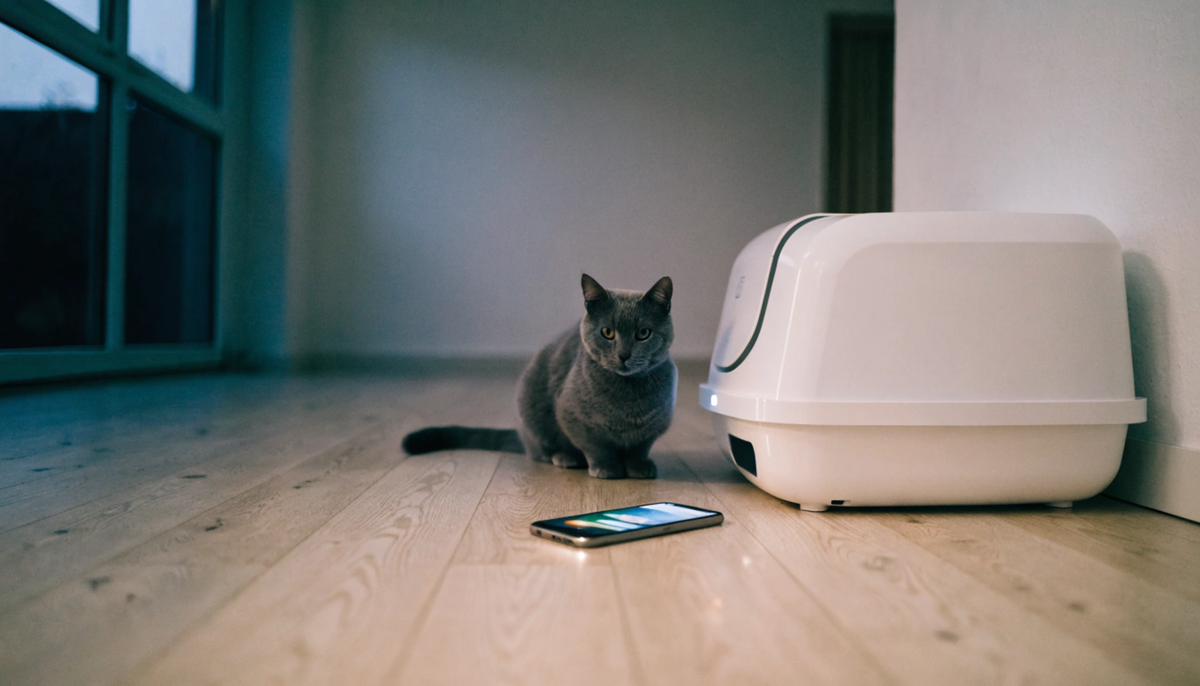
Smart Litter Box Privacy: What the Box Knows and What Your Cat Needs