Best Automatic Litter Box Cost per Year_ The Real 2026 Budget

About the Author
Automatic Litter Box Cost per Year: Litter, Liners, Parts, Electricity, and Time Saved The purchase price is obvious. The running cost is where people lose track. An automatic litter box still uses litter. It still needs bags. It still needs cleaning. Some models add filters, cartridges, cloud plans or proprietary refills. Others keep the bill much simpler. The useful number is not the price on the product page. It is the cost of keeping the box working for a full year in your home. This guide gives you a transparent cost formula, two worked PetPivot examples, a sensitivity analysis, a cash break-even test and a method for valuing time returned. Every assumption is visible, so you can replace it with your own household data. In the worked examples below, litter is the largest recurring line. The next-largest cost depends on bag frequency, optional consumables and how long you keep the machine. Electricity should be measured rather than guessed. Hardware dominates year one, then becomes less important as the ownership period grows. The three numbers that answer different questions A useful budget separates three results instead of forcing everything into one total. First-year cash cost answers: What leaves my account during the first 12 months? Annualized ownership cost answers: What does one typical year cost if I spread the hardware over its expected life? Incremental cost versus my current box answers: How much more - or less - does the new routine cost than the routine it replaces? Only the third number can support a cash payback claim. If litter and bag savings do not offset annualized hardware and maintenance, the automatic box may still be worth buying for convenience, but it has not paid for itself in cash. A fair annual budget includes seven lines: Purchase price spread across the years you expect to use the box Clumping litter Waste bags or drawer liners Filters or deodorizing consumables, if the model requires them Electricity Replacement parts and maintenance supplies Any app or subscription fee Do not subtract time savings until you have also counted bag changes, litter top-ups and deep cleaning. Automatic does not mean maintenance-free. The annual cost formula (purchase price ÷ years of use) + litter + liners + filters + electricity + parts + subscriptions That is the annualized ownership cost. It is the right number for comparing products over time. Your first-year cash cost is different: full purchase price + first 12 months of running costs Keep both figures. Annualized cost shows long-term value. First-year cash cost shows what leaves your account now. A deeper total cost of ownership model The basic formula is enough for a quick estimate. A decision-grade comparison separates fixed cost, variable cost and risk instead of hiding them in one number. Fixed annual cost = purchase price ÷ expected years of use Variable annual cost = litter + liners + required filters + measured electricity + subscriptions Expected risk cost = probability of an out-of-warranty event × likely out-of-pocket cost Expected annual total cost of ownership = fixed annual cost + variable annual cost + expected risk cost A risk allowance is not the same as charging yourself for a repair every year. For illustration, a $30 out-of-warranty part with an estimated 20% chance of being needed represents $6 of expected risk. Use that method only when the probability is defensible; otherwise keep the base case at zero and show a separate repair stress case. This separation makes comparisons fairer. A low sticker price can lose its advantage if ownership is short or consumables are compulsory. A higher sticker price can become less important when the product lasts longer and recurring costs stay low. Recurring ownership costs are easier to compare when every input is visible. The seven costs to count 1 Purchase price Use the delivered price before tax, after any real discount. A countdown timer is not a budgeting method. Check the live checkout price on the day you publish or buy. At the time of this draft, the AutoScooper 12 Lite product page showed a sale price of $149, while the AutoScooper 11 product page showed $179. Prices and promotions can change. 2 Cat litter This is usually the big recurring number, and it belongs to the household more than the machine. One large cat may use more litter than two small cats. Tracking, soft clumps and overfilling can waste clean litter before the motor ever starts. Use your last three receipts. Add what you actually spent, divide by three, then multiply by twelve. That is more reliable than any generic monthly estimate. PetPivot AutoScooper models use small-particle mineral or bentonite clumping litter rather than requiring a proprietary litter. Review the current compatibility guidance in the AutoScooper collection before changing litter. 3 Waste bags and liners Count bags by use, not by pack. A 60-count pack bought once is a cash purchase. The annual consumption cost is the number of bags you actually use multiplied by the cost per bag. At the current listed price of $24.99 for 60 compatible bags, one bag costs about $0.42. Changing a bag every ten days uses about 37 bags a year, or roughly $15 in consumed bags. Changing every five days uses about 73, or roughly $30. These are examples, not a replacement schedule. Both AutoScooper product packages currently include one 20-bag roll. Check live bag and replacement-part pricing in AutoScooper accessories. 4 Filters and odor products Only count an odor consumable if you plan to replace it. A filter that exists in the product does not automatically become an annual expense. Check the manual, replacement interval and current price. Do not invent a filter budget because another brand uses one. Scent beads, deodorizers and room sprays are optional household costs. Keep them outside the machine total unless the box requires them to operate. 5 Electricity The adapter rating does not tell you annual electricity use. It shows the maximum the power supply can deliver, not what the machine draws all day. Use a plug-in energy meter for seven normal days. Multiply the measured kilowatt-hours by 52, then multiply by your utility rate. For context, the U.S. Energy Information Administration projected an average residential rate of 18.2 cents per kWh for 2026, but state rates vary widely. 6 Replacement parts and cleaning supplies Do not assume a repair every year. Do not assume zero forever either. A sensible plan keeps this line separate and records only what you actually replace: a latch, drawer, power adapter, litter bed or cleaning tool. Warm water, mild cleaner and a cloth are household supplies, not a reason to inflate the total. Proprietary cleaning kits belong in the budget only if the manual requires them. 7 Apps and subscriptions A monthly software fee is easy to miss because it does not appear in the hardware price. Multiply the monthly fee by twelve and decide whether the paid feature changes your care routine enough to justify it. PetPivot AutoScooper uses physical controls and does not require an app, Wi-Fi, camera, cloud account or subscription. You can compare the current models in the PetPivot AutoScooper collection. Worked PetPivot cost examples These examples show the method. They are not household forecasts. Replace litter spend and bag frequency with your own records. Budget line Single-cat example Two-cat example Hardware $149 AutoScooper 12 Lite $179 AutoScooper 11 Assumed use One cat Two cats Litter assumption $20 per month $35 per month Bag assumption 37 bags per year 73 bags per year Bag consumption value About $15 About $30 Subscription $0 $0 First-year consumption model About $404 About $629 Three-year annualized model About $305 per year About $510 per year The examples exclude sales tax, electricity, optional products and unexpected repairs. They value bags as they are consumed, so your cash purchase timing may differ. Current product and accessory prices were checked on September 11, 2026 and should be checked again before publication. What changes the answer most: sensitivity analysis The single-cat worked example has a three-year annualized cost of about $305. A sensitivity check shows which assumptions deserve the most attention. Litter price or use: every $5 change in monthly litter spending changes the annual result by $60. Ownership period: the same $149 machine produces an annualized total of about $329.50 over two years, $304.67 over three years and $284.80 over five years when the $255 recurring-cost assumption stays unchanged. Liner frequency: moving from 37 to 73 bags a year adds about $15 at the current example price per bag. Electricity scenario: at 18.2 cents per kWh, 50 kWh would cost $9.10 a year. This is a sensitivity example, not an estimate of actual machine consumption; measure the appliance instead. Cost per day: the worked examples are about $0.84 per day for the single-cat case and $1.40 per day for the two-cat case on a three-year annualized basis. The lesson is practical: measure litter, choose a defensible ownership period and track bag use first. Those inputs usually move the decision more than a small rounding difference in electricity. How to calculate your own number in five minutes Enter the delivered purchase price. Choose a realistic ownership period. Three years is a useful comparison window, not a promised lifespan. Average your last three months of litter receipts and multiply by twelve. Divide the liner pack price by the pack count, then multiply by expected yearly changes. Add required filters, measured electricity, expected parts and subscriptions. Calculate both first-year cash cost and annualized cost. Repeat the same method for your current litter box routine before deciding whether the difference is worthwhile. Does an automatic litter box save litter It can, but you should not assume it. A sifting cycle may return clean litter to the bed instead of throwing it away with the clump. That advantage disappears if the litter forms weak clumps, the fill level is too high or clean granules spill into the drawer. Run a 30-day test: weigh or count each bag of litter you add, note the starting and ending level, and compare it with a normal month using your old box. Use the same cat, litter and room. One changed variable is a test. Five changed variables are a guess. How to run a fair 30-day ownership test Use one baseline month with your current box, then one measured month after the cat has completed the transition to the automatic box. Do not use the transition period as the comparison month because extra litter, duplicate boxes and unusual cleaning can distort the result. Keep the cat count, litter formula, room and fill level as consistent as practical. Record five numbers in each period: pounds or kilograms of litter added, disposal bags used, minutes spent on routine care, deep-cleaning minutes and any extra purchases. Normalize the result to 30 days and calculate both dollars and time. If one month contains travel, illness, diarrhea, a litter change or another abnormal event, label it and repeat the test rather than treating it as typical. This method cannot guarantee future savings, but it produces household evidence that is more useful than a generic industry average. How much is the time worth Keep time separate from money until you have measured it. Start with the manual routine: minutes per scoop × scoops per day × 365 ÷ 60 = yearly scooping hours Then subtract the time spent checking the drawer, changing bags, topping up litter, wiping sensors and deep-cleaning the automatic box. Example: four minutes twice a day equals about 49 hours a year before automatic maintenance. That is a time scenario, not a PetPivot performance claim. Your routine may be faster, slower or shared with someone else. Automatic cleaning changes the routine; it does not remove the routine. Does it pay for itself? Use a break-even test Do not call an automatic litter box a money saver until it clears the cost of the routine it replaces. Required monthly reduction in old-box costs = (annualized hardware + new recurring costs - recurring costs you already paid) ÷ 12 In the single-cat AutoScooper 12 Lite example, assume the manual and automatic routines use the same $20 of litter each month and the old routine had no comparable paid liner cost. Before electricity or repairs, the extra annual cost is about $64.67: $149 ÷ 3 years, plus about $15 of consumed bags. Cash break-even would require roughly $5.39 per month of measured litter or other savings. In the two-cat AutoScooper 11 example, the equivalent threshold is about $89.67 per year, or $7.47 per month, before electricity or repairs. That is $179 ÷ 3 years plus about $30 of consumed bags. These thresholds fall if your old routine already used paid disposal bags or if measured litter waste declines. They rise if you add electricity, optional products, out-of-warranty parts or a shorter ownership life. If the product does not break even in cash, calculate the convenience trade instead: Cost per net hour returned = incremental annual cash cost ÷ net hours saved For example, an extra $65 a year divided by 30 measured hours returned equals about $2.17 per hour. That is a decision scenario, not a claim about PetPivot performance. Hidden costs worth checking before you buy Mandatory proprietary litter, trays, cartridges or liners A paid plan needed to keep useful app features Return shipping for a large, used appliance Replacement parts that are difficult to buy separately A litter mat or entry step needed for the room or the cat Keeping the old litter box during a slow transition Buying a second box because one cat blocks another Discarded litter while testing incompatible formulas None of these automatically makes a product poor value. The problem is discovering them after the return window closes. Lifespan, warranty and downside risk Hardware life changes the annual number more than a small difference in electricity. At a $149 purchase price, the annual hardware allocation is $74.50 over two years, $49.67 over three years and $29.80 over five years. At $179, the same figures are $89.50, $59.67 and $35.80. That means moving from a five-year assumption to a two-year assumption raises annualized hardware cost by $44.70 for the $149 model and $53.70 for the $179 model. A lifespan assumption should therefore be shown, not buried. PetPivot’s current warranty policy describes a one-year limited warranty covering specified manufacturing, electrical, motor, sensor and structural defects under normal use. It excludes normal wear, misuse, incompatible litter and other listed conditions. Warranty coverage reduces some first-year repair exposure, but it is not a lifespan guarantee. For a responsible budget, use three cases: a base case with no paid repair; a stress case that adds one plausible replacement part and any related shipping or downtime; and a replacement case in which the machine reaches the end of the assumed ownership period. The point is not to predict failure. It is to show how early replacement would change the decision. How to keep the yearly cost under control Buy for the cat and room, not for the longest feature list. Use compatible clumping litter that forms firm clumps and sifts cleanly. Keep litter inside the marked range instead of topping up by eye. Fit the liner flat so it does not interfere with the drawer or sensors. Pair bag changes with the household trash schedule. Clean residue before it becomes a repair problem. Check the price and availability of parts before buying the machine. Keep the same machine long enough for the hardware cost to spread across several years. For setup and maintenance steps, use the PetPivot user guide. For product-specific questions, review the PetPivot FAQ before changing settings or parts. Is PetPivot inexpensive to own It has fewer compulsory cost lines than many connected appliances. There is no app fee, no cloud plan and no proprietary litter requirement. Compatible bags and replacement parts are sold separately, and both current product packages include a starter roll of liners. That does not make the annual total identical for every owner. Litter use, bag frequency, number of cats and how long the machine lasts still decide the result. Start with the current models in the AutoScooper collection, then run the formula with your own litter receipts before choosing. Who is most likely to get strong value Multi-cat households. Recurring litter and liner use may be higher, but the manual workload may also be higher. Compare cost per cat and net hours saved; do not assume one machine will replace every box or suit every cat. Single-cat, time-constrained households. A pure cash payback may be harder to prove, but a low cost per net hour returned can still make the purchase rational. Budget-first buyers. Use a 30-day before-and-after measurement and accept the premium only if actual litter savings or measured convenience justify it. Risk-averse buyers. Give more weight to warranty scope, parts availability, return shipping, transition costs and the possibility of keeping a manual backup. Automatic litter box cost checklist Budget input Your number Hardware price after real discount __________ Expected years of use __________ Litter cost per month × 12 __________ Bag cost per bag × yearly changes __________ Required filters or cartridges __________ Measured electricity __________ Parts and maintenance supplies __________ Subscription cost × 12 __________ First-year cash cost __________ Annualized ownership cost __________ FAQs How much does an automatic litter box cost per year? Add the annualized hardware cost, litter, liners, required filters, measured electricity, parts and subscriptions. Litter is usually the largest recurring line, but the total depends on the number of cats and your actual routine. What is the difference between first-year cost and annualized cost? First-year cost includes the full purchase price. Annualized cost spreads that price across the years you expect to use the machine. Keep both figures because one measures cash flow and the other supports a fair long-term comparison. Do automatic litter boxes use a lot of electricity? Do not estimate from the adapter label. Measure seven days with a plug-in energy meter, multiply weekly kWh by 52, then apply your local utility rate. How much do waste bags cost for PetPivot? At the time of this draft, a 60-count compatible bag pack was listed at $24.99, or about $0.42 per bag. Product packages included one 20-bag starter roll. Check current pricing before publication or purchase. Does PetPivot require a subscription? No. AutoScooper does not require an app, Wi-Fi, camera, cloud account or paid subscription. Does PetPivot require proprietary litter? No. Current guidance calls for compatible small-particle mineral or bentonite clumping litter. The clumps need to form firmly and pass through the sifting system cleanly. Should I include replacement parts every year? Only include parts you reasonably expect to buy or have actually replaced. Keep the line visible, but do not turn a possible future repair into a guaranteed annual charge. Can an automatic litter box reduce litter spending? Possibly. A sifting cycle can return clean litter to the bed, but weak clumps, tracking and overfilling can erase the benefit. Compare actual litter added over two similar 30-day periods. How should I value time saved? Calculate the hours your current scooping routine takes, then subtract automatic-box maintenance. Convert the remainder to money only if that helps your own decision. It should not be presented as guaranteed savings. Which PetPivot model should I price into the calculator? Use the model that fits your cat, room and expected waste volume. Review AutoScooper 12 Lite and AutoScooper 11 specifications first, then enter the live delivered price rather than an old promotional figure. Does an automatic litter box pay for itself? Sometimes, but not automatically. It pays back in cash only when lower litter use, avoided consumables or other measurable savings exceed the annualized hardware and new running costs. If the cash savings do not clear that threshold, the purchase can still deliver convenience value, but that is a lifestyle benefit, not financial payback. Final take The cheapest automatic litter box is not always the one with the lowest sticker price. It is the one whose full routine fits your budget and your cat for long enough to spread out the hardware cost. Start with real receipts. Count every compulsory refill. Separate cash cost from annualized cost. Treat time as a measured benefit, not a marketing promise. When the numbers work for your household, compare the current PetPivot AutoScooper models and choose the size and routine that fit.
Automatic Litter Box Cost per Year: Litter, Liners, Parts, Electricity, and Time Saved
The three numbers that answer different questions
-
Purchase price spread across the years you expect to use the box
-
Clumping litter
-
Waste bags or drawer liners
-
Filters or deodorizing consumables, if the model requires them
-
Electricity
-
Replacement parts and maintenance supplies
-
Any app or subscription fee
The annual cost formula

A deeper total cost of ownership model
The seven costs to count
1 Purchase price
2 Cat litter
3 Waste bags and liners
4 Filters and odor products
5 Electricity
6 Replacement parts and cleaning supplies
7 Apps and subscriptions
Worked PetPivot cost examples
|
Budget line
|
Single-cat example
|
Two-cat example
|
|
Hardware
|
$149 AutoScooper 12 Lite
|
$179 AutoScooper 11
|
|
Assumed use
|
One cat
|
Two cats
|
|
Litter assumption
|
$20 per month
|
$35 per month
|
|
Bag assumption
|
37 bags per year
|
73 bags per year
|
|
Bag consumption value
|
About $15
|
About $30
|
|
Subscription
|
$0
|
$0
|
|
First-year consumption model
|
About $404
|
About $629
|
|
Three-year annualized model
|
About $305 per year
|
About $510 per year
|
What changes the answer most: sensitivity analysis
How to calculate your own number in five minutes
-
Enter the delivered purchase price.
-
Choose a realistic ownership period. Three years is a useful comparison window, not a promised lifespan.
-
Average your last three months of litter receipts and multiply by twelve.
-
Divide the liner pack price by the pack count, then multiply by expected yearly changes.
-
Add required filters, measured electricity, expected parts and subscriptions.
-
Calculate both first-year cash cost and annualized cost.
-
Repeat the same method for your current litter box routine before deciding whether the difference is worthwhile.
Does an automatic litter box save litter
How to run a fair 30-day ownership test
How much is the time worth

Does it pay for itself? Use a break-even test
Hidden costs worth checking before you buy
-
Mandatory proprietary litter, trays, cartridges or liners
-
A paid plan needed to keep useful app features
-
Return shipping for a large, used appliance
-
Replacement parts that are difficult to buy separately
-
A litter mat or entry step needed for the room or the cat
-
Keeping the old litter box during a slow transition
-
Buying a second box because one cat blocks another
-
Discarded litter while testing incompatible formulas
Lifespan, warranty and downside risk
How to keep the yearly cost under control
-
Buy for the cat and room, not for the longest feature list.
-
Use compatible clumping litter that forms firm clumps and sifts cleanly.
-
Keep litter inside the marked range instead of topping up by eye.
-
Fit the liner flat so it does not interfere with the drawer or sensors.
-
Pair bag changes with the household trash schedule.
-
Clean residue before it becomes a repair problem.
-
Check the price and availability of parts before buying the machine.
-
Keep the same machine long enough for the hardware cost to spread across several years.
Is PetPivot inexpensive to own
Who is most likely to get strong value
Automatic litter box cost checklist
|
Budget input
|
Your number
|
|
Hardware price after real discount
|
__________
|
|
Expected years of use
|
__________
|
|
Litter cost per month × 12
|
__________
|
|
Bag cost per bag × yearly changes
|
__________
|
|
Required filters or cartridges
|
__________
|
|
Measured electricity
|
__________
|
|
Parts and maintenance supplies
|
__________
|
|
Subscription cost × 12
|
__________
|
|
First-year cash cost
|
__________
|
|
Annualized ownership cost
|
__________
|
FAQs
How much does an automatic litter box cost per year?
What is the difference between first-year cost and annualized cost?
Do automatic litter boxes use a lot of electricity?
How much do waste bags cost for PetPivot?
Does PetPivot require a subscription?
Does PetPivot require proprietary litter?
Should I include replacement parts every year?
Can an automatic litter box reduce litter spending?
How should I value time saved?
Which PetPivot model should I price into the calculator?
Does an automatic litter box pay for itself?
Final take




You may also like

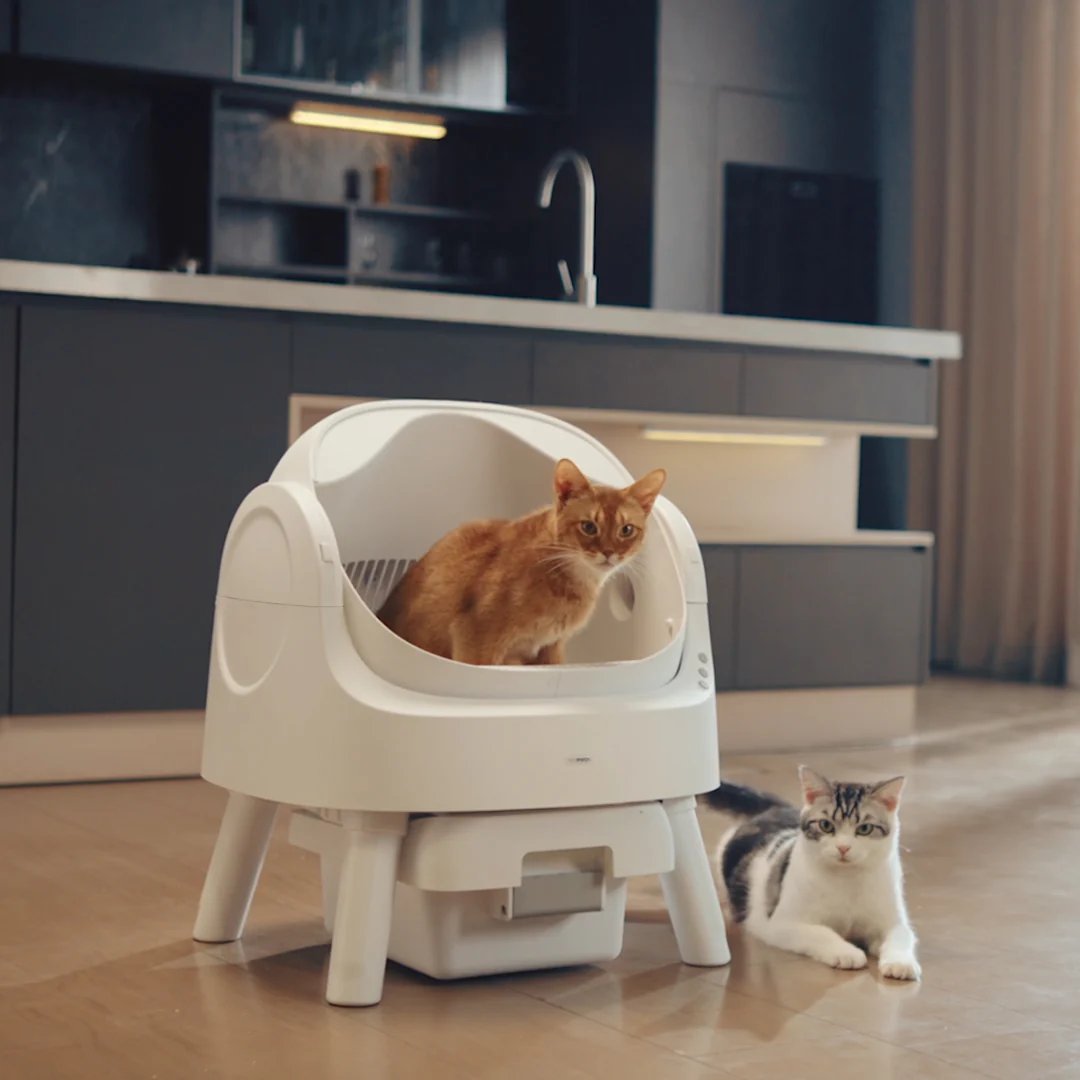
AutoScooper 12 Lite Cat Litter Box

AutoScooper 12 Lite Cat Litter Box

AutoScooper 12 Lite Cat Litter Box

AutoScooper 12 Lite Cat Litter Box-Gray

AutoScooper 12 Litter Base Bed – 2 Pack

AutoScooper 12 Waste Bags – 60 Count
Further reading
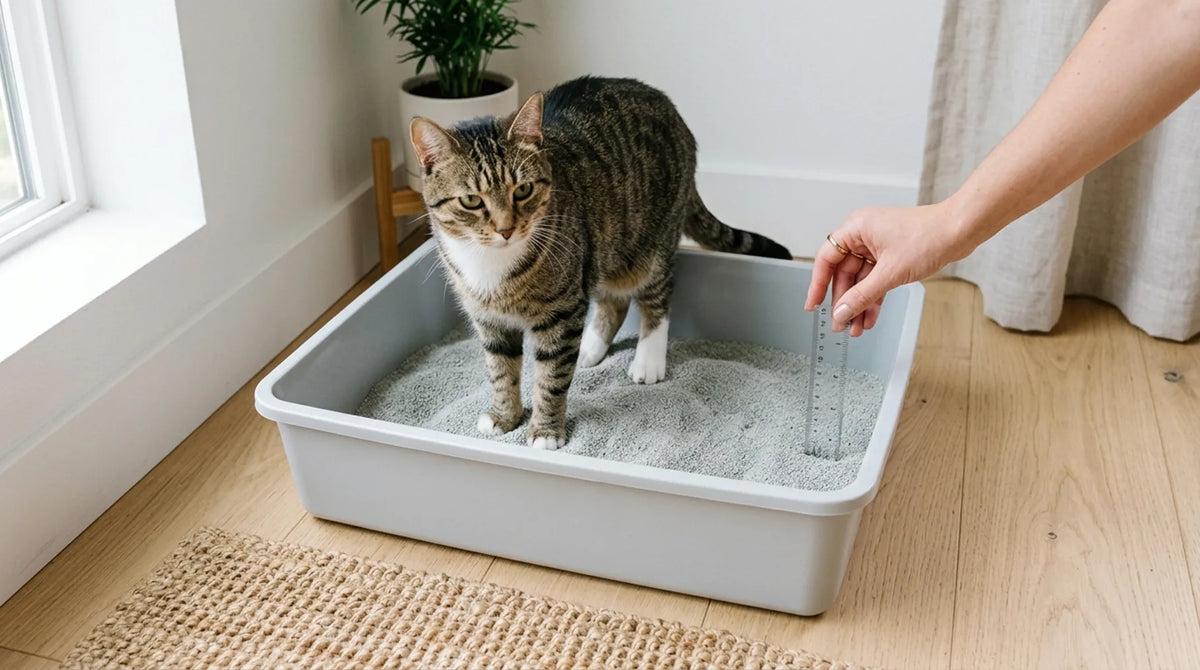
How Much Litter to Put in a Litter Box? Easy Depth Guide
Best Automatic Litter Box Cost per Year_ The Real 2026 Budget

Publication Draft Open vs. Closed Automatic Litter Boxes: Which Style Does Your Cat Prefer?