How to Get Rid of Cat Urine Smell in House (Solutions and Prevention)

About the Author
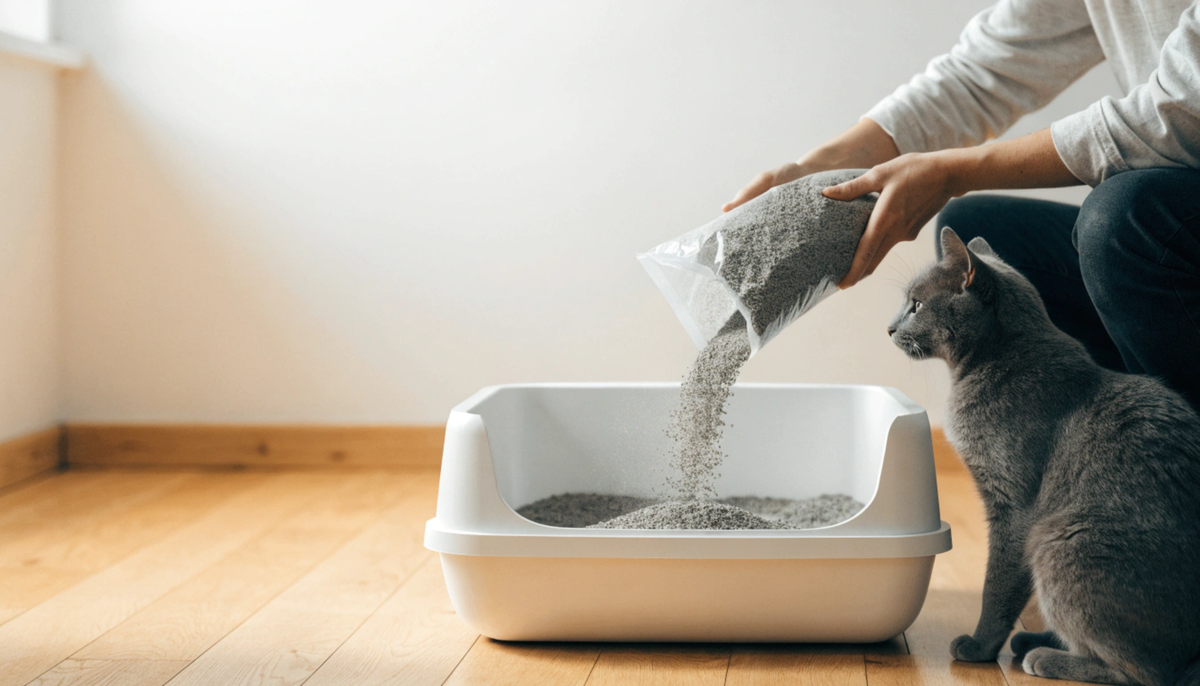
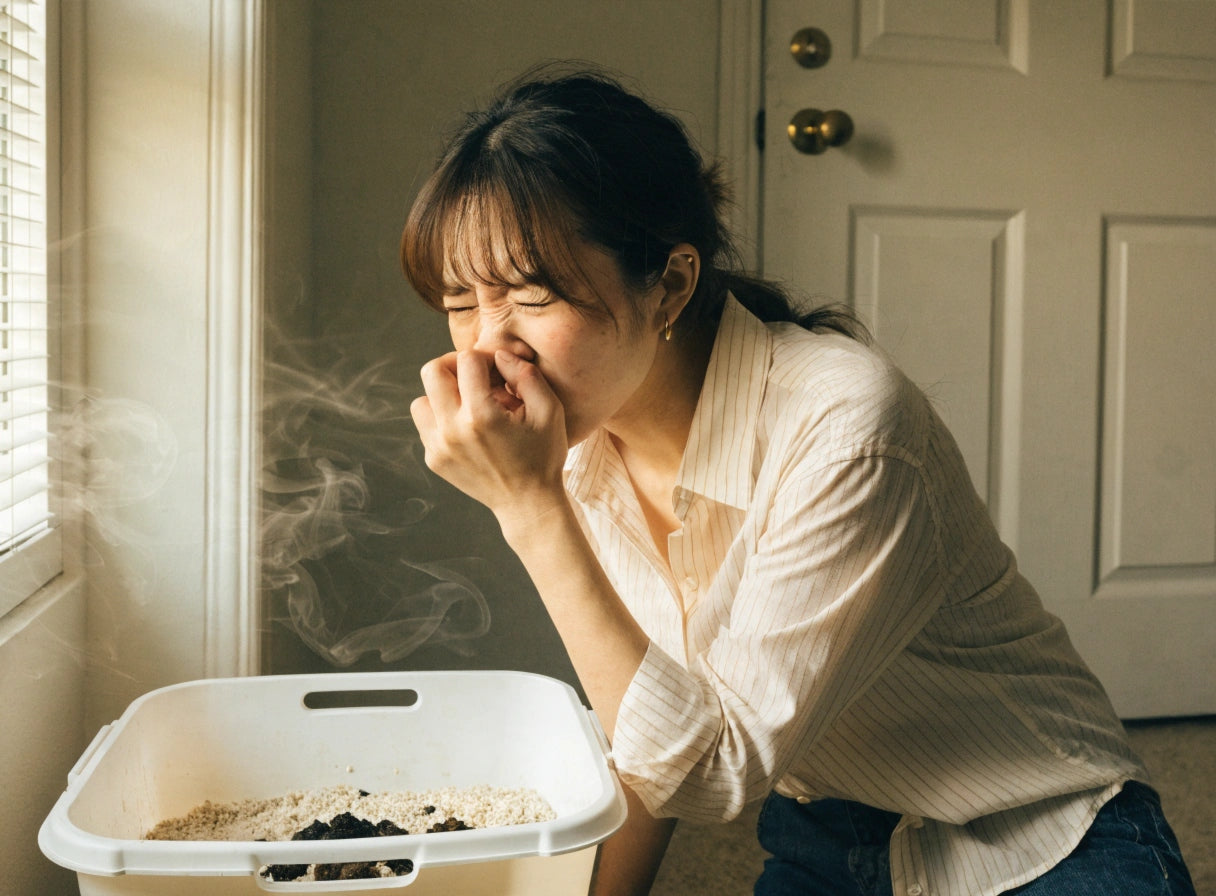
Most cat urine odor can be removed when the cleaner reaches every affected layer. A carpet may look clean while urine remains in the padding or subfloor, so persistent odor usually means the source is deeper, wider, or not fully dry. If the smell keeps returning, stop masking it with fragrance. Find the whole affected area, treat it with a cleaner made for the material, and judge the result only once everything is dry. ● Fresh, visible urine Blot it up right away, then treat with a surface-safe enzymatic cleaner. ● Dried or hidden odor Track down every affected area before you clean anything. ● Smell returns after cleaning Check the padding, subfloor, walls, and nearby objects. ● Widespread or structural Remove the affected material or bring in a professional. ● New accidents from the cat Arrange a vet check and review the litter-box setup. Why Cat Urine Smell Is So Difficult to Remove Fresh cat urine may have a mild odor, but bacteria can break down urea and create a sharper ammonia smell as the residue ages. Other urine compounds can also persist in porous materials, so a stain may fade while odor remains in carpet, grout, wood, or foam. A humid day can wake an old stain right back up. It rarely means a fresh accident. More often, residue is still sitting in an absorbent layer, or the spot got covered before it fully dried. Urine rarely stays where it lands. It sinks through carpet into the padding and subfloor, works into foam, and slips behind baseboards. So a small mark up top can sit over a much larger patch underneath. Air fresheners only buy an hour or two. Enzymatic cleaners work differently, breaking down the organic residue itself when you apply them as the label directs. Find the Source Before You Start Cleaning Odor drifts, so the spot that smells worst in a doorway is often nowhere near the stain. And the smell itself can fool you. Sharp and ammonia-like describes cat urine, but it also describes mold, sewer gas, rodent urine, and damp laundry. Pin down the real source before you treat a thing. Cat owners report finding accidents well beyond the obvious stain. Check carpet edges and corners, walls and baseboards, the sides of furniture, and any former litter-box spot. A blacklight can help in a dark room, though it is not reliable, since cleaning products glow too and some urine barely shows. Mark each suspect spot. After treating and drying, close the room for a few hours to check whether the smell returns. How to Get Rid of Cat Urine Smell in 8 Steps The same process applies to fresh, dried, and previously treated urine, but older or deeper contamination may require repeated treatment or material replacement. Step 1: Separate Pets From the Affected Area and Provide Ventilation Keep pets and people away from the work area, open windows when safe, and use fans if the product instructions permit. Do not allow access again until the surface is dry and the label says it is safe. Step 2: Blot Fresh Urine but Do Not Scrub Press clean towels onto fresh urine and replace them as they absorb moisture. Do not scrub; scrubbing can spread urine across the surface or drive it farther into carpet, upholstery, or wood seams. Step 3: Test the Cleaner on a Hidden Area Read the label and test the product in an inconspicuous area before treating the full stain, especially on hardwood, carpet, upholstery, painted walls, grout, or dyed fabric. Step 4: Use Enzymatic Cleaner Apply enough product to contact the affected material, including the edge around the visible stain. Avoid uncontrolled soaking; carpet, wood, foam, and drywall need a plan for extraction and complete drying. Step 5: Allow the Full Contact Time Leave the cleaner in place for the contact time stated on the label. Older contamination may need another application after the first treatment has dried; do not combine products unless both manufacturers explicitly say the combination is safe. Step 6: Extract or Blot Excess Moisture Extract or blot excess liquid as the product directs. Moisture trapped in padding, upholstery, mattresses, or wood delays drying and can damage the material. Step 7: Dry Completely Use ventilation and fans where the surface and product instructions allow. Do not cover the area or replace furniture until it is completely dry. Step 8: Re-Inspect and Repeat if Necessary Smell around the dried area. If the material has remained intact and you are allowed to apply the cleaner repeatedly, do it. If odor remains, it means that it has gone beyond the reach of cleaner, and into the padding, sub-flooring, walls, molding, or foam. How to Clean Cat Urine From Different Surfaces Method shifts with the material. This table covers what changes from one surface to the next. Surface What to keep in mind Carpet & rugs Blot, apply carpet-safe enzyme, extract. If odor returns after drying, lift an edge and check the pad. Padding & subfloor Saturated padding usually has to go. Check the subfloor for staining, swelling, or soft spots first. Hardwood & engineered Blot fast, keep moisture light. Urine reaches seams and edges; deep staining may need refinishing. Laminate, vinyl, tile Grout and edges hold urine. Never flood laminate, since its core swells. Concrete Porous and holds odor. Treat with a concrete-safe product; a clean slab that still smells may need sealing. Walls, baseboards, trim Cats spray upward near the box. Swollen MDF or soft drywall is better replaced than painted over. Sofas & cushions Surface stains lift with upholstery enzyme. Urine in fixed foam may need professional extraction. Mattresses Use a measured amount, extract, and dry fully. Deep, repeated contamination often means replacement. Clothes & bedding Pre-treat with a laundry enzyme, wash separately per the care label, and air-dry rather than using heat. Why Can You Still Smell Cat Pee After Cleaning? A smell that hangs on usually comes down to one of three things. The source was missed. The cleaner never reached as deep as the urine did. Or the material simply is not dry yet. Contamination in the padding, spraying on a nearby wall, or a cat returning to the same spot can all keep it going too. Persistent odor may also come from more than one accident or from another source, such as mold, a drain, or rodent activity. Reinspect the room instead of repeatedly treating the first spot. What to Do When the Whole Room or House Smells Whole-room odor usually indicates repeated accidents, spraying on vertical surfaces, or contamination below the visible flooring. Check walls, baseboards, furniture edges, carpet padding, and subfloor. If a large area or structural layer is affected, stop adding liquid and consult a qualified odor-remediation or flooring professional. One owner described pulling up carpet to find heavily stained material underneath. The odor only lifted once that deeper surface was treated, before new flooring went in. Others warned against laying new flooring until the empty room stays odor-free through a closed-room test. What Not to Use on Cat Urine Ammonia-based cleaners: Their odor may resemble urine and can encourage remarking. Use a product labeled for pet urine instead. Bleach or mixed cleaners: Never apply bleach to urine residue or combine it with ammonia, acids, or other cleaners. Hazardous gases can form. Remove residue first and use one compatible product exactly as directed. Concentrated essential oils or fragranced masking products: These do not remove the source, and some concentrated oils can harm cats through skin contact, ingestion, or inhalation. Steam, heat, vigorous scrubbing, and uncontrolled soaking: Heat may set odor in some materials, scrubbing spreads the stain, and excess liquid drives contamination deeper. Follow the surface and cleaner instructions. Enzymatic Cleaner vs. Vinegar and Baking Soda For dried, repeated, or porous-surface contamination, a pet-urine enzymatic cleaner is generally the better first choice because it is designed to act on urine residue. Use it only on compatible materials and follow the label. Diluted white vinegar may reduce surface odor on some compatible materials, but it is not a substitute for reaching urine in padding, foam, wood seams, or subfloor. Never use vinegar on natural stone or any surface whose care instructions prohibit acids. Baking soda may absorb some surface odor after an area is clean and dry, but it does not remove urine trapped below the surface. Keep pets away from loose powder and vacuum it completely. How Long Does It Take for the Smell of Cat Urine to Go Away? Timing depends on the stain’s age, size, depth, and material. Judge the result only after the treated area is completely dry. A fresh accident on a sealed surface may resolve after one correct cleaning and drying cycle. Dried urine in carpet, fabric, or seams may require repeated treatment. Urine that has reached padding, wood, concrete, drywall, or foam may require access to the affected layer, professional treatment, sealing after cleaning, or replacement. A whole-room problem can take several days because each layer must be located, treated, and dried before you can reassess the odor. Is It Unsafe to Breathe in an Environment That Has the Stench of Cat Urine? Odor alone cannot reveal an ammonia concentration. Strong fumes in a poorly ventilated space can irritate the eyes and airways; people with asthma or other respiratory conditions may react sooner. Leave the area and seek medical advice for breathing difficulty, dizziness, or symptoms that do not resolve. Strong ammonia exposure can cause coughing and airway or eye irritation, while persistent damp materials can also support mold growth. Ventilate the area, keep people and pets away during cleanup, and address the wet material rather than masking the odor. The most immediate preventable hazard is mixing cleaners. Bleach can react with ammonia or acidic products and release irritating gases. If a mixture produces fumes, leave the area, get fresh air, and contact emergency or poison-control services as appropriate. What Could Possibly Smell Like Cat Urine? Similar odors can come from mold, sewer gas, rodent urine, damp laundry, decaying food, dirty HVAC filters, or malfunctioning appliances. Confirm the source before applying more cleaner, especially when no stain or litter-box problem is visible. Match the response to the suspected source: a plumber for drain or sewer odors, an HVAC professional for vent-related odor, and a qualified mold or pest specialist for damp walls or rodent activity. If you suspect fuel gas, smoke, or an electrical fire, leave the building and contact emergency services or the utility provider. Can Cat Urine Smell Become Permanent and How to Prevent It? In most cases it comes out, provided every affected layer is found, treated, and dried. What looks permanent is usually residue still hiding in porous material, or material too damaged to save. Warped wood, saturated padding, and deep foam are usually better replaced than rescued. Save any sealer for material that is already clean, dry, and sound. Odor removal is just the first part of the process. Making sure that the cat does not use the same spot in the future is the second one – the one requiring better hygiene in everyday care of cats. Set Up a Visit to the Vet for Unexpected Events A sudden loss of litter-box reliability can have a medical cause. Veterinary guidance on feline house soiling recommends ruling out urinary disease, kidney disease, diabetes, pain, and other health problems before treating the change as behavioral. Ensure Cleanliness and Availability of Litter Boxes Scoop daily and keep every box clean, spacious, and easy to reach. An automatic litter box can reduce waste buildup after successful cleaning cycles, but it does not replace daily observation or the need for enough boxes. Check current model dimensions, entry height, and operating guidance before purchase. Lower Stress and Territorial Pressure Any change, such as moving to a new home, visitors, adding a new animal, or conflicts between cats, can affect the litter box routine. The International Cat Care guide on conflict between cats suggests keeping food, water, beds, and litter trays separate so that no cat can trap all resources in one place. Make only one change at a time to identify the problem. Avoid Punishment During Treatment Keep your cat away until the surface is clean and dry, and skip the punishment. Hazel Carney, DVM, DABVP, explains in the Feline Veterinary Medical Association's cat-owner house-soiling guide that cats do not soil out of spite, and that punishment only adds stress without fixing the cause. Maintain Sufficient Number of Litter Boxes Provide at least one litter box per cat plus one extra, placed in separate locations. Automatic cleaning may reduce waste accumulation, but it does not replace adequate box numbers, accessible placement, or routine inspection. When to Call a Professional ⚠ EMERGENCY If a cat—especially a male cat—repeatedly strains and produces little to no urine, seek emergency veterinary care immediately. A urethral obstruction is life-threatening and cannot be treated at home. Call a veterinarian when a reliable cat suddenly soils, when urinating looks frequent or painful, or when appetite and energy shift. VCA Animal Hospitals' guidance on feline lower urinary tract disease that long straining with little urine can signal urinary trouble. Cornell's overview of feline lower urinary tract disease calls a male cat that cannot urinate an emergency. Get in touch with a professional in cleaning and restoration service in case of more than one room that is affected; if you need controlled water removal from your carpet and upholstery; and if your flooring and subflooring are contaminated with odor. FAQs How long does it take for cat pee smell to go away? Unsoiled fresh urine stains will be cleaned with a single effort and drying. Urine stains dried in carpets, wooden surfaces, padding, or walls require repeat cleaning or repairs, whereas an entire room might require a number of days for removal. Why can I still smell cat pee after cleaning? Cleaning may have not been done completely due to incomplete application of the cleaner or checking before drying the contaminated surface. It is important to check the padding, sub-flooring, seams, walls, trim, foam, and adjacent items. Is it unhealthy to live in a house that smells like cat pee? Though unpleasant smell by itself does not show high concentration of ammonia, an irritating odor in the poorly ventilated area may cause problems for the eyes and breathing tract. Why will the smell of cat pee not go away? Urine may lie beneath the surface, be present in multiple places, or develop a more detectable scent during moist conditions. Cleaning the surface repeatedly will not address contamination in padding, wood, walls, or foam. What should you not clean cat pee with? Do not use ammonia solutions, bleach applied to urine-damaged surfaces, perfume, combinations of cleaning solutions, or over-saturation. Try one safe surface solution at a time following the directions on the package. What can be mistaken for the smell of cat pee? Other sources of similar odors include mold, sewer gases, rodent urine, drain smells, wet laundry, old pet spots, rotting food, chemical fumes, air filters, and appliances. Make sure you are dealing with pet urine before cleaning again. Can cat urine smell be permanent? The smell will typically come out, but highly damaged absorbent materials may be unsalvageable. Persistent contamination in warped wood, soaked padding, crumbing drywall, or deeply saturated foam will likely require encapsulation or replacement. Do I need to replace the carpet or subfloor to remove the smell? Not necessarily. A small stain may be treated with enzymes and extraction, however, fully saturated padding and/or sub-floor damage will need to be replaced. Check under the flooring if smell persists despite proper cleaning and drying. Sources Hazel Carney, DVM, DABVP, Feline Veterinary Medical Association — Feline House-Soiling: Useful Information for Cat Owners Tammy Hunter, DVM, and Ernest Ward, DVM, VCA Animal Hospitals — Cystitis and Lower Urinary Tract Disease in Cats Feline health faculty, Cornell Feline Health Center, Cornell University College of Veterinary Medicine — Feline Lower Urinary Tract Disease Emergency response division, Centers for Disease Control and Prevention — Ammonia: Chemical Fact Sheet Toxicology specialists, National Capital Poison Center — Chlorine Gas: A Toxic Irritant Animal Poison Control Center, ASPCA — The Essentials on Essential Oils Around Pets Indoor air quality division, U.S. Environmental Protection Agency — Mold and Health Companion animal team, The Humane Society of the United States — How to Remove Pet Stains and Odors Behavior team, International Cat Care — Conflict Between Cats
Most cat urine odor can be removed when the cleaner reaches every affected layer. A carpet may look clean while urine remains in the padding or subfloor, so persistent odor usually means the source is deeper, wider, or not fully dry.
If the smell keeps returning, stop masking it with fragrance. Find the whole affected area, treat it with a cleaner made for the material, and judge the result only once everything is dry.
|
● Fresh, visible urine |
Blot it up right away, then treat with a surface-safe enzymatic cleaner. |
|
● Dried or hidden odor |
Track down every affected area before you clean anything. |
|
● Smell returns after cleaning |
Check the padding, subfloor, walls, and nearby objects. |
|
● Widespread or structural |
Remove the affected material or bring in a professional. |
|
● New accidents from the cat |
Arrange a vet check and review the litter-box setup. |
Why Cat Urine Smell Is So Difficult to Remove
Fresh cat urine may have a mild odor, but bacteria can break down urea and create a sharper ammonia smell as the residue ages. Other urine compounds can also persist in porous materials, so a stain may fade while odor remains in carpet, grout, wood, or foam.
A humid day can wake an old stain right back up. It rarely means a fresh accident. More often, residue is still sitting in an absorbent layer, or the spot got covered before it fully dried.
Urine rarely stays where it lands. It sinks through carpet into the padding and subfloor, works into foam, and slips behind baseboards. So a small mark up top can sit over a much larger patch underneath.
Air fresheners only buy an hour or two. Enzymatic cleaners work differently, breaking down the organic residue itself when you apply them as the label directs.
Find the Source Before You Start Cleaning

Odor drifts, so the spot that smells worst in a doorway is often nowhere near the stain. And the smell itself can fool you. Sharp and ammonia-like describes cat urine, but it also describes mold, sewer gas, rodent urine, and damp laundry. Pin down the real source before you treat a thing.
Cat owners report finding accidents well beyond the obvious stain. Check carpet edges and corners, walls and baseboards, the sides of furniture, and any former litter-box spot. A blacklight can help in a dark room, though it is not reliable, since cleaning products glow too and some urine barely shows.
Mark each suspect spot. After treating and drying, close the room for a few hours to check whether the smell returns.
How to Get Rid of Cat Urine Smell in 8 Steps
The same process applies to fresh, dried, and previously treated urine, but older or deeper contamination may require repeated treatment or material replacement.
Step 1: Separate Pets From the Affected Area and Provide Ventilation
Keep pets and people away from the work area, open windows when safe, and use fans if the product instructions permit. Do not allow access again until the surface is dry and the label says it is safe.
Step 2: Blot Fresh Urine but Do Not Scrub
Press clean towels onto fresh urine and replace them as they absorb moisture. Do not scrub; scrubbing can spread urine across the surface or drive it farther into carpet, upholstery, or wood seams.
Step 3: Test the Cleaner on a Hidden Area
Read the label and test the product in an inconspicuous area before treating the full stain, especially on hardwood, carpet, upholstery, painted walls, grout, or dyed fabric.
Step 4: Use Enzymatic Cleaner
Apply enough product to contact the affected material, including the edge around the visible stain. Avoid uncontrolled soaking; carpet, wood, foam, and drywall need a plan for extraction and complete drying.
Step 5: Allow the Full Contact Time
Leave the cleaner in place for the contact time stated on the label. Older contamination may need another application after the first treatment has dried; do not combine products unless both manufacturers explicitly say the combination is safe.
Step 6: Extract or Blot Excess Moisture
Extract or blot excess liquid as the product directs. Moisture trapped in padding, upholstery, mattresses, or wood delays drying and can damage the material.
Step 7: Dry Completely
Use ventilation and fans where the surface and product instructions allow. Do not cover the area or replace furniture until it is completely dry.
Step 8: Re-Inspect and Repeat if Necessary
Smell around the dried area. If the material has remained intact and you are allowed to apply the cleaner repeatedly, do it. If odor remains, it means that it has gone beyond the reach of cleaner, and into the padding, sub-flooring, walls, molding, or foam.
How to Clean Cat Urine From Different Surfaces

Method shifts with the material. This table covers what changes from one surface to the next.
|
Surface |
What to keep in mind |
|
Carpet & rugs |
Blot, apply carpet-safe enzyme, extract. If odor returns after drying, lift an edge and check the pad. |
|
Padding & subfloor |
Saturated padding usually has to go. Check the subfloor for staining, swelling, or soft spots first. |
|
Hardwood & engineered |
Blot fast, keep moisture light. Urine reaches seams and edges; deep staining may need refinishing. |
|
Laminate, vinyl, tile |
Grout and edges hold urine. Never flood laminate, since its core swells. |
|
Concrete |
Porous and holds odor. Treat with a concrete-safe product; a clean slab that still smells may need sealing. |
|
Walls, baseboards, trim |
Cats spray upward near the box. Swollen MDF or soft drywall is better replaced than painted over. |
|
Sofas & cushions |
Surface stains lift with upholstery enzyme. Urine in fixed foam may need professional extraction. |
|
Mattresses |
Use a measured amount, extract, and dry fully. Deep, repeated contamination often means replacement. |
|
Clothes & bedding |
Pre-treat with a laundry enzyme, wash separately per the care label, and air-dry rather than using heat. |
Why Can You Still Smell Cat Pee After Cleaning?
A smell that hangs on usually comes down to one of three things. The source was missed. The cleaner never reached as deep as the urine did. Or the material simply is not dry yet. Contamination in the padding, spraying on a nearby wall, or a cat returning to the same spot can all keep it going too.
Persistent odor may also come from more than one accident or from another source, such as mold, a drain, or rodent activity. Reinspect the room instead of repeatedly treating the first spot.
What to Do When the Whole Room or House Smells
Whole-room odor usually indicates repeated accidents, spraying on vertical surfaces, or contamination below the visible flooring. Check walls, baseboards, furniture edges, carpet padding, and subfloor. If a large area or structural layer is affected, stop adding liquid and consult a qualified odor-remediation or flooring professional.
One owner described pulling up carpet to find heavily stained material underneath. The odor only lifted once that deeper surface was treated, before new flooring went in. Others warned against laying new flooring until the empty room stays odor-free through a closed-room test.
What Not to Use on Cat Urine
- Ammonia-based cleaners: Their odor may resemble urine and can encourage remarking. Use a product labeled for pet urine instead.
- Bleach or mixed cleaners: Never apply bleach to urine residue or combine it with ammonia, acids, or other cleaners. Hazardous gases can form. Remove residue first and use one compatible product exactly as directed.
- Concentrated essential oils or fragranced masking products: These do not remove the source, and some concentrated oils can harm cats through skin contact, ingestion, or inhalation.
- Steam, heat, vigorous scrubbing, and uncontrolled soaking: Heat may set odor in some materials, scrubbing spreads the stain, and excess liquid drives contamination deeper. Follow the surface and cleaner instructions.
Enzymatic Cleaner vs. Vinegar and Baking Soda
For dried, repeated, or porous-surface contamination, a pet-urine enzymatic cleaner is generally the better first choice because it is designed to act on urine residue. Use it only on compatible materials and follow the label.
Diluted white vinegar may reduce surface odor on some compatible materials, but it is not a substitute for reaching urine in padding, foam, wood seams, or subfloor. Never use vinegar on natural stone or any surface whose care instructions prohibit acids.
Baking soda may absorb some surface odor after an area is clean and dry, but it does not remove urine trapped below the surface. Keep pets away from loose powder and vacuum it completely.
How Long Does It Take for the Smell of Cat Urine to Go Away?

Timing depends on the stain’s age, size, depth, and material. Judge the result only after the treated area is completely dry.
A fresh accident on a sealed surface may resolve after one correct cleaning and drying cycle. Dried urine in carpet, fabric, or seams may require repeated treatment.
Urine that has reached padding, wood, concrete, drywall, or foam may require access to the affected layer, professional treatment, sealing after cleaning, or replacement.
A whole-room problem can take several days because each layer must be located, treated, and dried before you can reassess the odor.
Is It Unsafe to Breathe in an Environment That Has the Stench of Cat Urine?
Odor alone cannot reveal an ammonia concentration. Strong fumes in a poorly ventilated space can irritate the eyes and airways; people with asthma or other respiratory conditions may react sooner. Leave the area and seek medical advice for breathing difficulty, dizziness, or symptoms that do not resolve.
Strong ammonia exposure can cause coughing and airway or eye irritation, while persistent damp materials can also support mold growth. Ventilate the area, keep people and pets away during cleanup, and address the wet material rather than masking the odor.
The most immediate preventable hazard is mixing cleaners. Bleach can react with ammonia or acidic products and release irritating gases. If a mixture produces fumes, leave the area, get fresh air, and contact emergency or poison-control services as appropriate.
What Could Possibly Smell Like Cat Urine?
Similar odors can come from mold, sewer gas, rodent urine, damp laundry, decaying food, dirty HVAC filters, or malfunctioning appliances. Confirm the source before applying more cleaner, especially when no stain or litter-box problem is visible.
Match the response to the suspected source: a plumber for drain or sewer odors, an HVAC professional for vent-related odor, and a qualified mold or pest specialist for damp walls or rodent activity. If you suspect fuel gas, smoke, or an electrical fire, leave the building and contact emergency services or the utility provider.
Can Cat Urine Smell Become Permanent and How to Prevent It?
In most cases it comes out, provided every affected layer is found, treated, and dried. What looks permanent is usually residue still hiding in porous material, or material too damaged to save. Warped wood, saturated padding, and deep foam are usually better replaced than rescued. Save any sealer for material that is already clean, dry, and sound.
Odor removal is just the first part of the process. Making sure that the cat does not use the same spot in the future is the second one – the one requiring better hygiene in everyday care of cats.
Set Up a Visit to the Vet for Unexpected Events
A sudden loss of litter-box reliability can have a medical cause. Veterinary guidance on feline house soiling recommends ruling out urinary disease, kidney disease, diabetes, pain, and other health problems before treating the change as behavioral.
Ensure Cleanliness and Availability of Litter Boxes
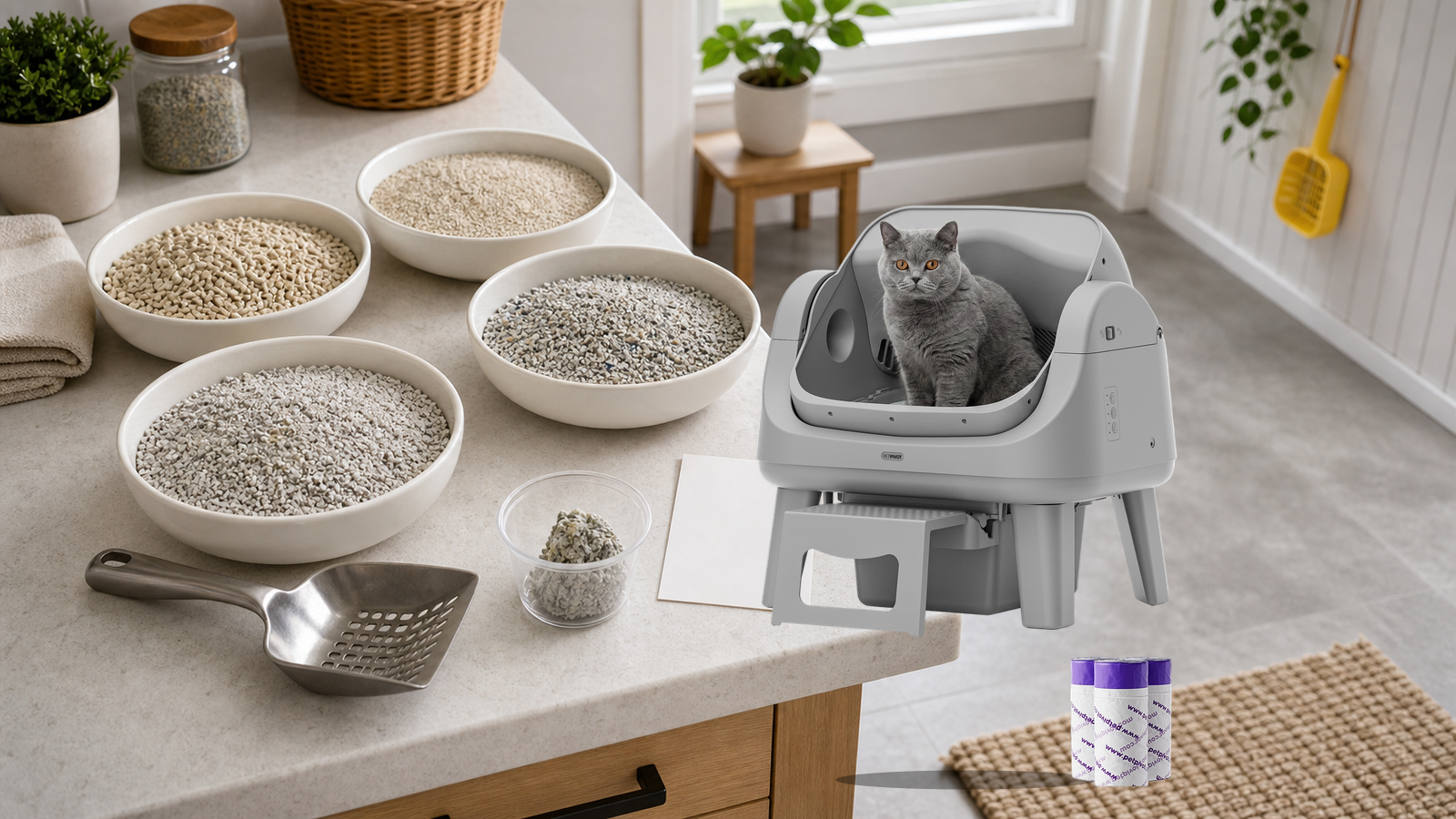
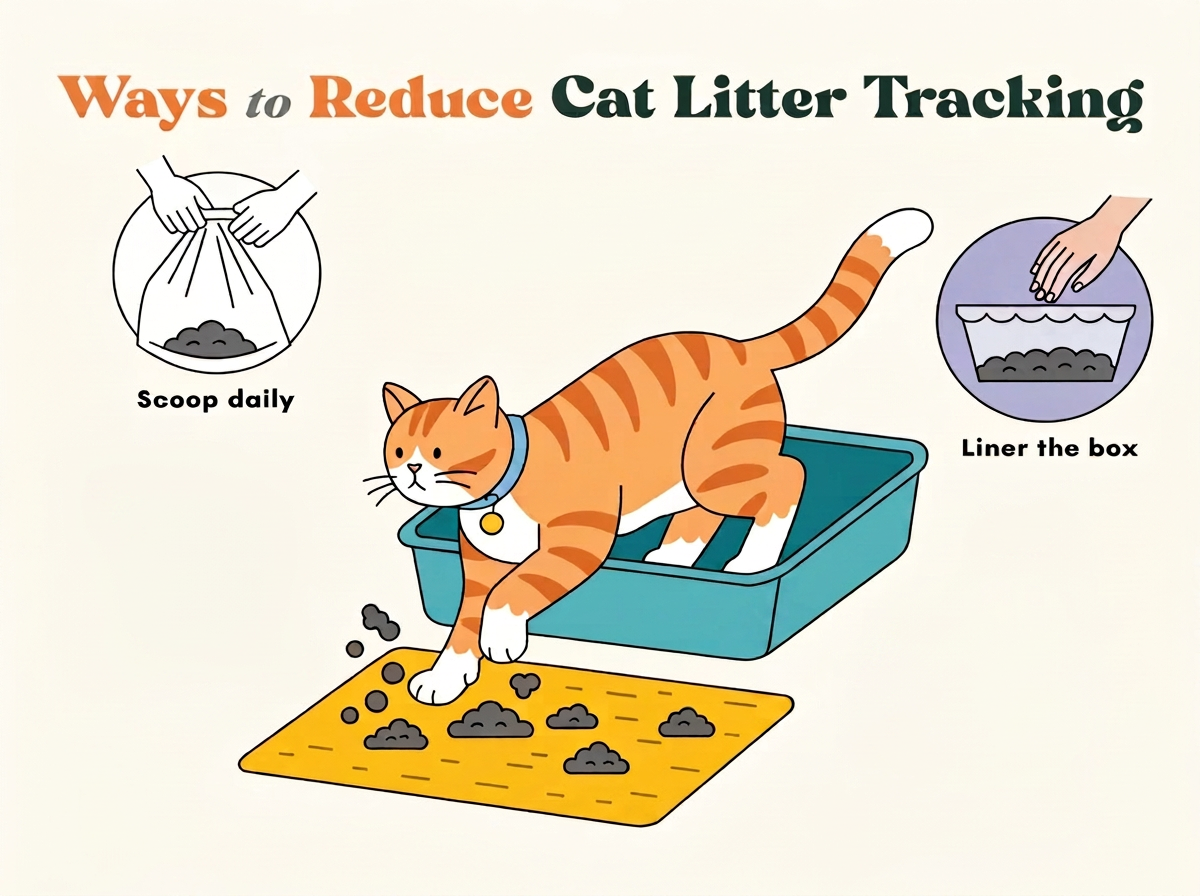
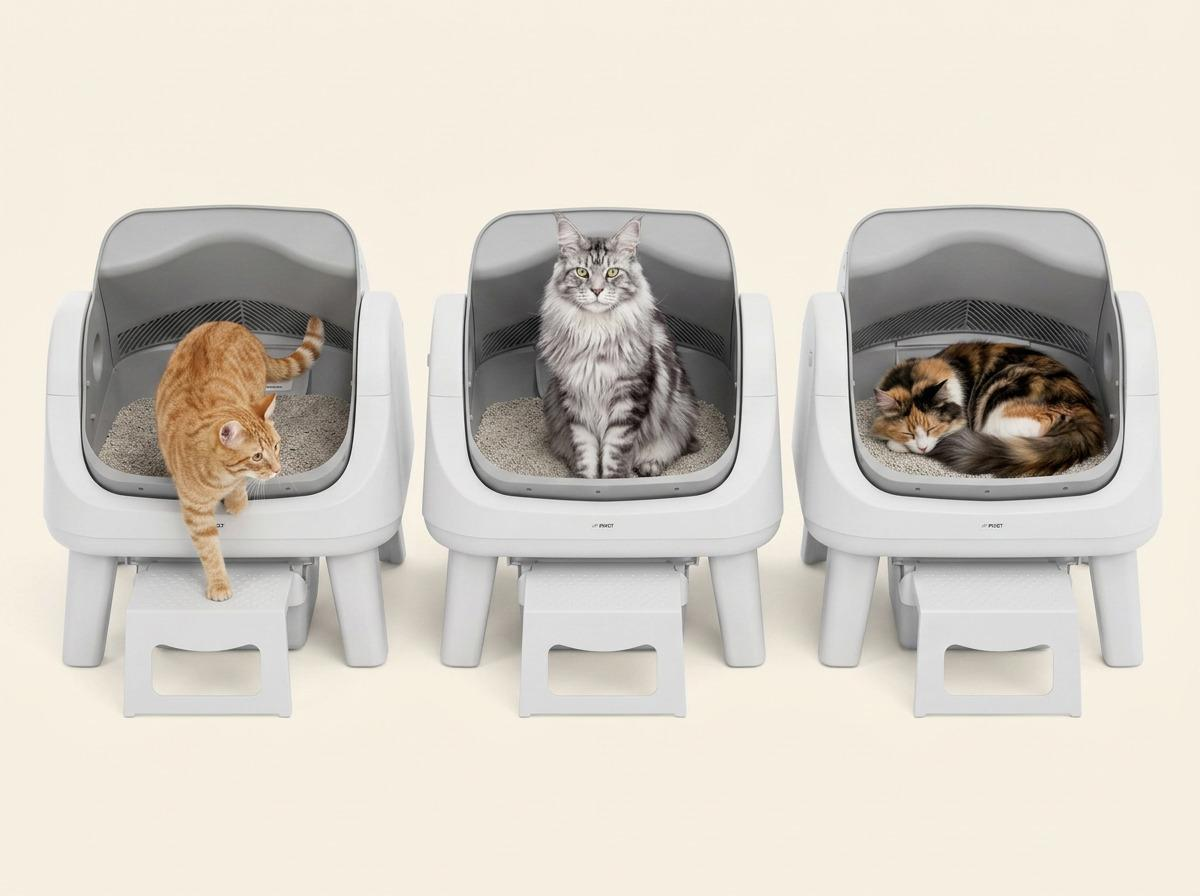
Scoop daily and keep every box clean, spacious, and easy to reach. An automatic litter box can reduce waste buildup after successful cleaning cycles, but it does not replace daily observation or the need for enough boxes. Check current model dimensions, entry height, and operating guidance before purchase.

Lower Stress and Territorial Pressure
Any change, such as moving to a new home, visitors, adding a new animal, or conflicts between cats, can affect the litter box routine. The International Cat Care guide on conflict between cats suggests keeping food, water, beds, and litter trays separate so that no cat can trap all resources in one place. Make only one change at a time to identify the problem.
Avoid Punishment During Treatment
Keep your cat away until the surface is clean and dry, and skip the punishment. Hazel Carney, DVM, DABVP, explains in the Feline Veterinary Medical Association's cat-owner house-soiling guide that cats do not soil out of spite, and that punishment only adds stress without fixing the cause.
Maintain Sufficient Number of Litter Boxes
Provide at least one litter box per cat plus one extra, placed in separate locations. Automatic cleaning may reduce waste accumulation, but it does not replace adequate box numbers, accessible placement, or routine inspection.

When to Call a Professional
|
⚠ EMERGENCY If a cat—especially a male cat—repeatedly strains and produces little to no urine, seek emergency veterinary care immediately. A urethral obstruction is life-threatening and cannot be treated at home. |
Call a veterinarian when a reliable cat suddenly soils, when urinating looks frequent or painful, or when appetite and energy shift. VCA Animal Hospitals' guidance on feline lower urinary tract disease that long straining with little urine can signal urinary trouble. Cornell's overview of feline lower urinary tract disease calls a male cat that cannot urinate an emergency.
Get in touch with a professional in cleaning and restoration service in case of more than one room that is affected; if you need controlled water removal from your carpet and upholstery; and if your flooring and subflooring are contaminated with odor.
FAQs
How long does it take for cat pee smell to go away?
Unsoiled fresh urine stains will be cleaned with a single effort and drying. Urine stains dried in carpets, wooden surfaces, padding, or walls require repeat cleaning or repairs, whereas an entire room might require a number of days for removal.
Why can I still smell cat pee after cleaning?
Cleaning may have not been done completely due to incomplete application of the cleaner or checking before drying the contaminated surface. It is important to check the padding, sub-flooring, seams, walls, trim, foam, and adjacent items.
Is it unhealthy to live in a house that smells like cat pee?
Though unpleasant smell by itself does not show high concentration of ammonia, an irritating odor in the poorly ventilated area may cause problems for the eyes and breathing tract.
Why will the smell of cat pee not go away?
Urine may lie beneath the surface, be present in multiple places, or develop a more detectable scent during moist conditions. Cleaning the surface repeatedly will not address contamination in padding, wood, walls, or foam.
What should you not clean cat pee with?
Do not use ammonia solutions, bleach applied to urine-damaged surfaces, perfume, combinations of cleaning solutions, or over-saturation. Try one safe surface solution at a time following the directions on the package.
What can be mistaken for the smell of cat pee?
Other sources of similar odors include mold, sewer gases, rodent urine, drain smells, wet laundry, old pet spots, rotting food, chemical fumes, air filters, and appliances. Make sure you are dealing with pet urine before cleaning again.
Can cat urine smell be permanent?
The smell will typically come out, but highly damaged absorbent materials may be unsalvageable. Persistent contamination in warped wood, soaked padding, crumbing drywall, or deeply saturated foam will likely require encapsulation or replacement.
Do I need to replace the carpet or subfloor to remove the smell?
Not necessarily. A small stain may be treated with enzymes and extraction, however, fully saturated padding and/or sub-floor damage will need to be replaced. Check under the flooring if smell persists despite proper cleaning and drying.
Sources
- Hazel Carney, DVM, DABVP, Feline Veterinary Medical Association — Feline House-Soiling: Useful Information for Cat Owners
- Tammy Hunter, DVM, and Ernest Ward, DVM, VCA Animal Hospitals — Cystitis and Lower Urinary Tract Disease in Cats
- Feline health faculty, Cornell Feline Health Center, Cornell University College of Veterinary Medicine — Feline Lower Urinary Tract Disease
- Emergency response division, Centers for Disease Control and Prevention — Ammonia: Chemical Fact Sheet
- Toxicology specialists, National Capital Poison Center — Chlorine Gas: A Toxic Irritant
- Animal Poison Control Center, ASPCA — The Essentials on Essential Oils Around Pets
- Indoor air quality division, U.S. Environmental Protection Agency — Mold and Health
- Companion animal team, The Humane Society of the United States — How to Remove Pet Stains and Odors
- Behavior team, International Cat Care — Conflict Between Cats

You may also like

AutoScooper 12 Lite Cat Litter Box

AutoScooper 12 Lite Cat Litter Box

AutoScooper 12 Lite Cat Litter Box-Gray

AutoScooper 12 Litter Base Bed – 2 Pack

AutoScooper 12 Waste Bags – 60 Count

Further reading
8 Best Cat Litters for Odor Control in 2026
Automatic Litter Box for Multiple Cats: Size and Capacity Guide
Automatic Litter Box Odor Control Test: What to Measure Before You Trust Reviews