8 Best Cat Litters for Odor Control in 2026

About the Author
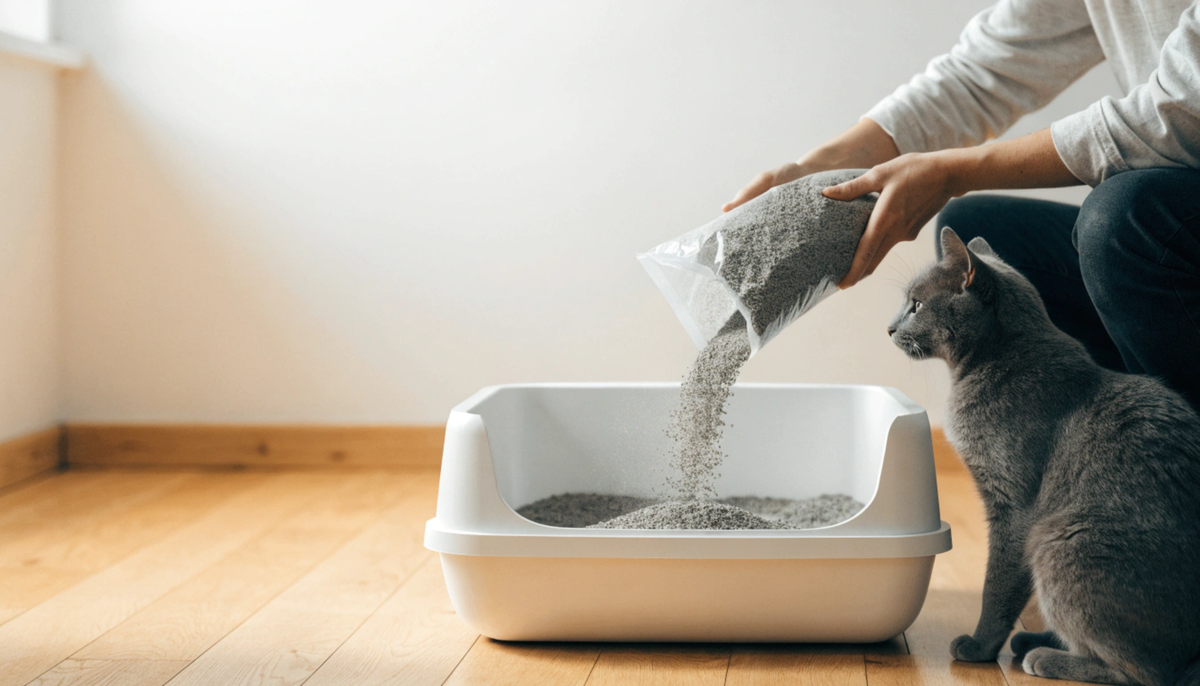
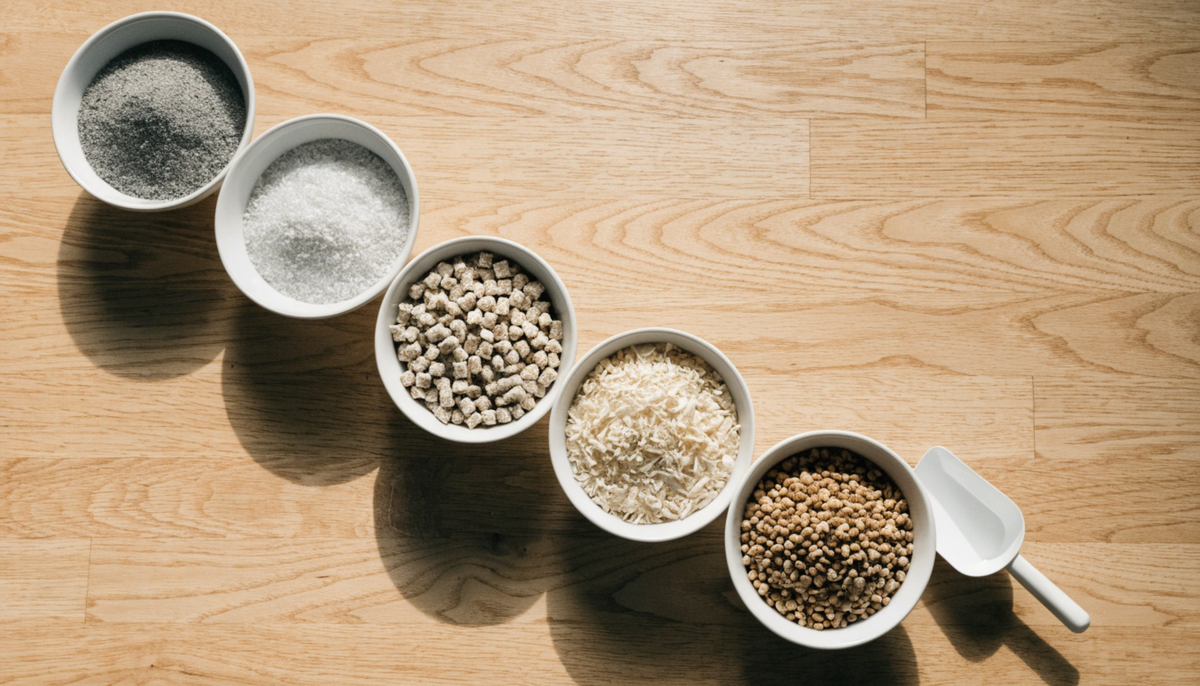
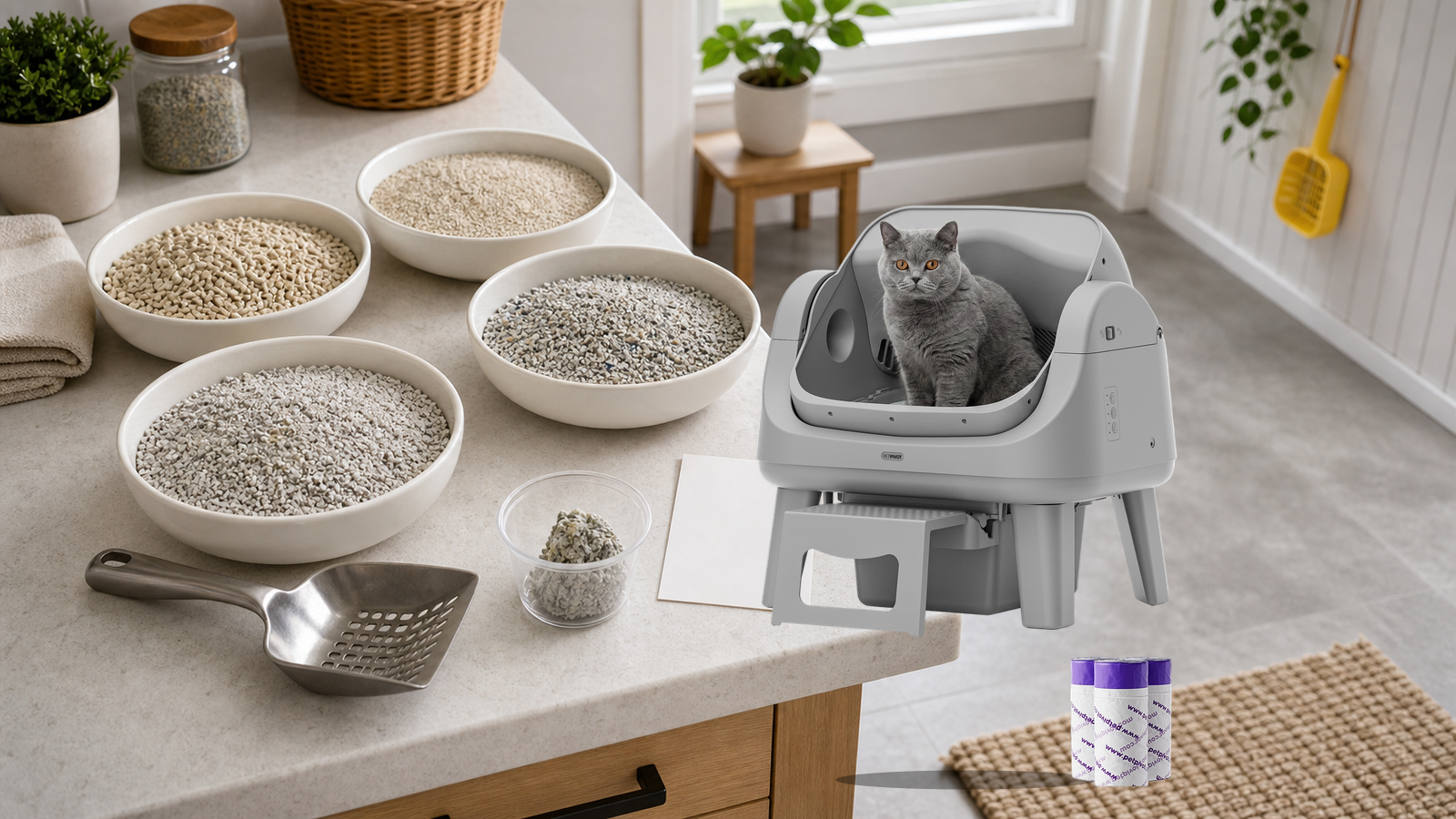
The litter that controls odor best locks urine into a hard clump before ammonia has time to form, then lets you lift that clump out whole. Everything else- charcoal, baking soda, probiotics, fragrance- works around the edges of that one job. Our top pick is PoPoLitter, a fine-grain clumping mineral litter that adds probiotic odor control and is built for automatic boxes. Below it are seven more litters covering clay, tofu, wood and crystal. We also answer the question none of the big roundups do properly: which of these actually work in a self-cleaning litter box. Quick answer: what is the best cat litter for odor control? For most homes, a hard clumping unscented mineral litter in a fine grain. It absorbs fast, seals urine inside the clump, and comes out cleanly when you scoop. Multiple cats and a strong smell? PoPoLitter or BoxiePro Deep Clean. Tight budget? Dr. Elsey's Ultra. Tracking driving you mad? Tuft and Paw tofu pellets. Automatic box owner? Read the compatibility section before you buy anything. Half the litters on this list will not sift properly in a machine. The 8 best odor control cat litters at a glance Prices move weekly in this category, so treat the bands as a starting point and check the seller's page before ordering. The last column is the one automatic box owners should read first. # Litter Material Best for Automatic box 1 PoPoLitter Mineral clay Best overall odor control Yes, built for it 2 BoxiePro Deep Clean Bentonite clay Probiotic odor control Yes, per Boxie 3 Dr. Elsey's Ultra Bentonite clay Best budget pick Yes, per Dr. Elsey's 4 Tidy Cats Free and Clean Clay plus charcoal Activated charcoal Usually, check your model 5 Arm and Hammer HardBall Lightweight clay Heavy lifting problems Check your model 6 Tuft and Paw Really Great Tofu pellets Lowest tracking No, per Tuft and Paw 7 Okocat Super Soft Wood fiber Sensitive paws Often not, check first 8 PrettyLitter Silica crystals Non-clumping homes Non-clumping version only How we picked Manufacturer specifications, live product pages and verified owner reviews. No lab, and we say so rather than implying a test bench we do not have. Speed of absorption Ammonia forms when urine sits. A litter that soaks liquid on contact stops the reaction before it starts. Slow absorption lets urine reach the tray floor, which is where the worst smells live. Clump strength A clump that crumbles on the scoop leaves soiled granules behind, and those granules keep smelling. Hard clumps that lift whole are the single biggest predictor of a box that stays fresh. Odor on day three Most litters smell fine on day one. We weighted what owners report after several days without a full change, since that is when a formula actually shows its hand. Dust and tracking These are different problems and marketing often blurs them. Dust is what you breathe when pouring. Tracking is what ends up on the floor. A litter can be low in one and bad at the other. Automatic box compatibility Most sifting machines need fine-grain clumping mineral litter. The wrong particle size jams the mechanism and skews the weight sensors, which our guide to automatic box sensors and red flags covers in more detail. 1. PoPoLitter: best overall for odor control Around 50 dollars for a 32-pound two-pack. PoPoLitter is a fine-grain clumping mineral litter made in the USA, and it is our overall pick because it does the mechanical job well and adds a probiotic layer on top. How it controls odor Two mechanisms, working at different speeds. The mineral base absorbs on contact and expands up to 15 times, sealing urine inside a hard clump before ammonia develops. The probiotic component then works on the bacteria that produce the smell, rather than covering it with fragrance. The formula sits at pH 8.5 to 10.6, an alkaline base that works against the acidic conditions ammonia likes. Dust, grain size and clumping Dust screened and rated 99.9 percent low dust. Worth being precise here: low dust is not the same as dust-free, and no mineral litter is completely dust-free. The fine grain is deliberate. It is the particle size sifting screens are built around, and it is also the texture research suggests most cats prefer. Why it suits automatic boxes This is where it separates from the rest of the list. It was formulated for the AutoScooper 12 Lite machine and works in other automatic boxes that take fine-grain clumping mineral litter, as well as ordinary trays. Hard clumps matter more in a machine than in a tray. A clump that breaks apart mid-rotation smears across the litter bed instead of dropping into the drawer. What we like Fast absorption with clumps hard enough to survive a sifting cycle. Probiotic odor control rather than added fragrance. Dust screened, which matters if anyone in the house has asthma. Works in automatic boxes and traditional trays, so switching machines later does not mean switching litter. What to consider It ships as a 32-pound two-pack, which is heavy to carry and store. If lifting is a problem, the lightweight clay at number five is easier on your back. Household trash only. It is not flushable, and no clumping mineral litter should go down a toilet. The formula also has a light fragrance. Most cats do not mind, but if yours has rejected scented litter before, PetPivot's compatibility answers are worth reading before you commit to a two-pack. Best for Multi-cat homes where smell is the reason you are reading this, and anyone running an automatic litter box that needs fine-grain mineral litter. 2. BoxiePro Deep Clean: best probiotic clay litter From about 26 dollars. BoxiePro Deep Clean is 100 percent bentonite clay with a probiotic blend, unscented, and rated 4.7 on the brand's own page. Boxie's approach is the same idea as our top pick: use good bacteria to break down the bacteria causing the smell, rather than masking it. Clumps form hard and sit on top of the bed, which keeps the tray floor clean. Boxie states it works in regular, sifting, and automatic boxes. The catch is weight and tracking. It is traditional clay, so the bags are heavy, and owners report some tracking. Boxie also advises waiting until kittens are 12 weeks before using clumping clay. What we like Unscented, with no added fragrance or harsh chemicals. Hard clumps that stay on top rather than sticking to the base. The brand publishes its ingredient list openly. What to consider Heavier than lightweight formulas and priced above budget clay. Some tracking is normal with any fine clay, regardless of what the marketing says. 3. Dr. Elsey's Ultra: best budget odor control litter Around 50 cents a pound. Dr. Elsey's Ultra is the brand's best-selling litter, and it is hard to beat on value. The formula mixes heavier non-tracking granules with medium-grain clay. That combination stops moisture from reaching the bottom of the tray and forms clumps that don't break apart on the scoop. Dr. Elsey's specifically states it suits multi-cat families and owners with sifting or mechanical litter boxes. Rated 99.9 percent dust-free by the brand. Unscented, with odor control coming from the clay itself rather than perfume. The company recommends filling to 3 or 4 inches and scooping twice daily. What we like Roughly a third the price per pound of premium formulas. Heavier granules genuinely reduce tracking compared with lightweight clay. No added fragrance, which suits scent-sensitive cats. What to consider Sold mainly in 20- and 40-pound bags, which are awkward to lift and store. Some owners find it dustier than premium clays despite the rating. 4. Tidy Cats Free and Clean: best activated charcoal litter Tidy Cats Free and Clean pairs natural clay with activated charcoal and skips fragrance and dye entirely. Charcoal works by adsorption. Microscopic pores trap odor molecules rather than covering them, which is why it keeps working after a fragrance would have faded. Purina quotes guaranteed odor control for 10 days when used as directed, and TidyLock versions claim two weeks of ammonia control. Clumps form tightly, and the pour is low-dust. It is widely stocked and moderately priced, which matters more than it sounds when you buy litter every month. What we like Activated charcoal adds a second odor mechanism to ordinary clumping clay. Fragrance-free and dye-free, so scent-sensitive cats accept it. Available almost everywhere, which makes restocking easy. What to consider Slight tracking near the box, particularly if your cat digs hard. Confirm compatibility with your specific automatic model before switching. 5. Arm and Hammer HardBall: best lightweight multi cat litter Arm and Hammer HardBall Platinum is nearly 60 percent lighter than the brand's regular clay while still forming hard clumps. That weight difference is the point. If carrying a 40-pound bag or lifting a full box is genuinely difficult, this solves a real problem, not a marketing one. Arm & Hammer guarantees freshness for up to 20 days and describes ultra-compact clumps that reduce waste and hold firm for no-crumble scooping. The Platinum version is scented (Garden Bloom), so it may not be the pick for a cat that has rejected fragranced litter before. What we like Far easier to carry, pour and store than standard clay. Compact hard clumps mean less litter thrown away per scoop. The manufacturer claims 20-day freshness. What to consider Lightweight litters track more than heavy granules, which is basic physics rather than a formula flaw. The added scent will not suit every cat. 6. Tuft and Paw Really Great Cat Litter: best low-tracking litter 29 dollars for a 9.25-pound bag, about a month for one cat. Tuft and Paw Really Great Cat Litter is a tofu pellet litter with 12,054 reviews and a 4.4-star rating on the brand's page. The pellets are shaped so they do not lodge in paw fur, which is why tracking drops sharply compared with fine clay. One owner with five cats reported sweeping up a teaspoon instead of a quarter cup. The unscented Charcoal formula uses activated carbon for odor control. Ingredients are published: soybean fiber, calcium carbonate, corn starch, pea fiber, and activated carbon. Now the honest part, and it comes from Tuft and Paw themselves. The automatic box problem The brand's own FAQ states that most self-cleaning boxes are designed for fine, clay-style litters and haven't caught up with pellet litters, so this may not work reliably in many automatic systems. That is unusually straight for a manufacturer, and it saves buyers an expensive mistake. If you own a machine, this is not your litter. What we like Genuinely the lowest tracking option on this list. 99 percent dust-free and fully flushable in small amounts, unlike clay. The brand publishes all 12,054 reviews, including the critical ones. What to consider About 3 dollars per pound, the most expensive here. Pellet texture is a big change, and 18 percent of reviewers would not recommend it, usually for texture. 7. Okocat Super Soft: best for sensitive paws Okocat Super Soft Clumping Wood is made from reclaimed wood fiber in a fine, soft texture rather than pellets. Wood fiber controls odor differently. It interferes with the enzyme reaction that produces ammonia in the first place, so it prevents the smell rather than absorbing it after the fact. The soft granular texture is close to clay, which makes it one of the easier natural litters to transition to. It suits kittens, declawed cats and seniors with tender paws. Healthy Pet rates it 99 percent dust-free, screened and de-dusted, and says litter can last up to seven weeks with regular scooping. What we like Softest texture here, and a real answer for cats that flinch at coarse grains. No artificial fragrance, synthetic chemicals, dyes, or mined clay. Biodegradable and naturally lightweight to carry. What to consider Wood clumps are softer than clay clumps and can break up on the scoop. Lightweight fiber tracks. Most automatic boxes will not sift it properly, so check before buying. 8. PrettyLitter: best non-clumping crystal litter PrettyLitter is a silica gel crystal litter that absorbs urine into millions of micropores and dehydrates solid waste rather than clumping around it. One 6-pound bag covers about a month for one cat, and the crystals are up to 80 percent lighter than clumping clay. The talking point is the color change. Crystals shift color with urine pH and visible blood, which can flag a possible problem early. Read that carefully. PrettyLitter states plainly that it cannot detect every issue and that only a licensed veterinarian can diagnose it. Treat a color change as a reason to book an appointment, nothing more. What we like Strong early odor control, and no clumps to scoop, only solids. Very light to carry and low dust in lab testing. The health signal is genuinely useful for cats with a urinary history. What to consider Odor control fades as crystals saturate, and you have to stir them so wet crystals dry out. Note the split: PrettyLitter says its non-clumping litter works with automatic boxes, but its clumping version is not recommended for them. Crystal litter is not compatible with the AutoScooper machines, which take clumping mineral only. Compatibility is per machine, never per category. Full comparison Verify every field on the seller's page immediately before ordering, because formulas and pack sizes change between production runs. Litter Material Clumping Scented Rough price Odor method PoPoLitter Mineral clay Yes, hard Light About $50 / 32 lb Absorption plus probiotics BoxiePro Deep Clean Bentonite Yes, hard No From $26 Probiotics Dr. Elsey's Ultra Bentonite Yes, hard No About $0.50 / lb Clay absorption Tidy Cats Free and Clean Clay Yes No Mid range Activated charcoal Arm and Hammer HardBall Lightweight clay Yes, compact Yes About $34 Baking soda and clumping Tuft and Paw Really Great Tofu Yes Optional $29 / 9.25 lb Activated carbon Okocat Super Soft Wood fiber Yes, softer No About $20 Blocks ammonia enzymes PrettyLitter Silica gel No Optional About $34 / 6 lb Absorption and dehydration Which litter material controls odor best? Material sets the ceiling. Formula quality decides whether a product reaches it, which is why two clay litters can perform very differently. Sodium bentonite clay The benchmark. It absorbs several times its weight and forms the hardest clumps, which is what makes waste removable in one piece. Heavy to carry and mined rather than renewable. Silica gel crystals Excellent early absorption and very good at drying out solids. Performance drops as crystals saturate, and most need stirring to keep working. Tofu and pea fiber Light, low tracking, flushable in small amounts. Pellet shape is the trade-off, both for fussy cats and for sifting machines. Wood fiber and pine Prevents ammonia from forming rather than absorbing it afterward, with a natural scent many owners like. Clumps are softer and break more easily. Corn, walnut and cassava Plant litters clump reasonably and biodegrade well. Walnut shell absorbs ammonia strongly. Corn-based formulas can oversaturate into a paste that sticks to paws. Charcoal, baking soda, and probiotics explained. Three different jobs, often sold as one benefit. Activated charcoal adsorbs, meaning odor molecules stick to the pore surfaces and stay there. It is passive, reliable, and doesn't add a smell of its own. Baking soda neutralizes odors by reacting with acidic odor compounds to cancel them out. Effective and cheap, though it is used up over time. Probiotics consume odor-causing bacteria, introducing bacteria that break down waste and produce ammonia. Slower to act, longer lasting, and the approach PoPoLitter and BoxiePro both take. Fragrance does none of the above. It covers. Scented against unscented Unscented wins more often than shoppers expect because the nose you need to satisfy isn't yours. Cats have far more sensitive noses than we do, and a strong perfume can be enough to push a cat out of the box. Research on litter preference points toward fine-grained unscented litter as the safer default. Unscented does mean no odor control. Charcoal, probiotics, and hard clumping all work without fragrance. If you do use a scented formula, watch for hesitation at the entrance or a cat going next to the box rather than in it. Urine odor against poop odor Different problems, different fixes. Urine odor is ammonia, and ammonia forms over hours. Fast absorption and a hard clump stop it developing, which is why clump strength matters more than any additive. Fecal odor is immediate, and no litter absorbs it fully. The only real answer is getting solids out fast, which is the strongest argument for an automatic box or a strict daily scoop. Unusually foul stool is often diet rather than litter. Food intolerances change stool smell noticeably, and a persistent change is worth a vet conversation. Our guide to spotting urine and stool changes covers what to watch. Will it work in an automatic litter box? This is the question the big roundups skip, and it is the one that costs people money. Most sifting machines are built around fine-grain clumping mineral litter. The screen holes, the rotation timing, and the weight sensors are all calibrated for that particle size. Put pellets through that system and they either fail to sift or jam it. Tuft and Paw says so on its own product page. Okocat and other pellet litters carry the same limitation. Crystal litter is a separate case. PrettyLitter says its non-clumping crystals work with automatic boxes, but its clumping version does not. PetPivot machines take clumping mineral only, so check the manufacturer fill and litter instructions for your exact model rather than trusting a category rule. Depth matters too. Too little litter and urine reaches the tray floor and cements there. For three or more cats, capacity becomes the constraint, and the AutoScooper 11 multi-cat model holds more waste between emptyings. How to stop litter box smell spreading through the house In order of impact. The first two matter more than everything below them combined. Remove solids at least once daily, and twice in a multi-cat home. VCA recommends scooping once or twice a day. Replace saturated litter on schedule instead of topping it up indefinitely. Wash the box and the scoop with mild soap and water, since bacteria on either will keep producing smell. Clean any accident outside the box with an enzymatic cleaner. Ordinary cleaners leave the odor markers that draw a cat back. Check the mat, the seams, and the flooring nearby. Urine wicks further than people expect. Improve airflow rather than adding fragrance sprays, which just move the problem to your nose. One public health note. The CDC advises changing the litter box daily because Toxoplasma is not infectious for the first one to five days after being shed, and recommends pregnant people avoid the task where possible. How to switch litter without causing box avoidance Slowly. A sudden change is one of the most common triggers for a cat that stops using the box. Start at roughly a quarter new litter to three quarters old. Increase the ratio every few days over 7 to 10 days. Keep the box in the same place while you do it. Changing location and substrate at the same time doubles the chance of refusal. If your cat hesitates, digs less, or starts going beside the box, back off to the previous ratio. Cornell's guidance on why cats stop using the litter box is worth reading if the avoidance continues, because you need to rule out a medical cause first. Running two boxes with different litters is the cleanest way to let your cat vote. VCA calls this a litter preference test, and it works better than guessing. If a covered box is part of the setup, our comparison of enclosed and open designs covers how enclosure affects odor. Final verdict For most homes with a smell problem, PoPoLitter is the pick. Fast-absorbing fine-grain mineral, hard clumps that survive a sifting cycle, probiotic odor control rather than perfume, and the only litter here designed around automatic boxes from the start. On a budget, Dr. Elsey's Ultra does 80 percent of the job for a third of the price per pound. If tracking is your real complaint and you scoop by hand, Tuft and Paw's tofu pellets win outright. Whatever you buy, no litter fixes a box that is not scooped. The bag helps. The routine does the work. FAQS What cat litter is best for odor control? A hard-clumping, unscented mineral litter in a fine grain suits most homes because it absorbs urine on contact and seals it into a clump you can lift out whole. Formulas that add activated charcoal or probiotics extend that further. Our pick is PoPoLitter, with BoxiePro Deep Clean and Dr. Elsey's Ultra close behind. What type of cat litter absorbs smells the best? Sodium bentonite clay and silica gel crystals absorb the most moisture by weight, which is why both perform well early. Clay holds its advantage longer because clumping lets you physically remove the waste. Crystals fade as they saturate. Wood fiber works differently, blocking the enzyme reaction that creates ammonia. How do I stop my cat litter from smelling in the house? Scoop solids at least once a day, twice with several cats. Replace saturated litter rather than topping it up forever. Wash the box and scoop regularly with mild soap, since bacteria on either keeps producing odor. Clean accidents outside the box with an enzymatic cleaner, and improve airflow instead of spraying fragrance. Does cat litter eliminate odor? No litter eliminates odor. Good litter absorbs urine before ammonia forms and holds it in a clump, and additives like charcoal or probiotics reduce what is left. Fecal odor in particular cannot be absorbed away, only removed. Treat every odor claim on a bag as reduction, not elimination. How do I stop my cat's poop from smelling so bad? Remove it faster, since no litter absorbs fecal odor properly. After that, look at diet, because food intolerances and sudden food changes make stool smell noticeably worse. If the smell changes suddenly and stays that way, or comes with loose stool, raise it with your veterinarian rather than trying a different litter. Is clumping litter better for odor control? Usually yes, because clumping lets you physically remove urine instead of leaving it in the box to break down. Non-clumping litter absorbs well at first, then holds saturated material in the tray until you replace the litter. Clumping also wastes less, since you remove only the soiled portion. What is the best thing to use to get rid of cat odor? An enzymatic cleaner for anything outside the box, because enzymes break down the odor compounds instead of covering them. Inside the box, mild soap and water on the tray and scoop. Avoid bleach and strong fragrance, which can make a cat avoid the box and turn a smell problem into a soiling problem. What is the healthiest litter for cats? The healthiest litter is a low-dust, unscented one your cat uses reliably. Dust matters most for cats and owners with asthma or allergies. Beyond that, avoid strong added fragrance, keep the box clean, and remember that the litter your cat actually accepts beats a theoretically superior one it refuses to enter. Sources Cornell Feline Health Center, Feline Behavior Problems: House Soiling (2026) VCA Animal Hospitals, Cat Behavior Problems: House Soiling in Cats (2024) Feline Veterinary Medical Association, 2014 AAFP/ISFM Guidelines for Diagnosing and Solving House-soiling Behavior in Cats (2014) The Ohio State University Indoor Pet Initiative, Litter Boxes (2026) PubMed, Litter Box Preference in Domestic Cats: Covered Versus Uncovered (2013) International Cat Care, Stress in Cats (2025) Centers for Disease Control and Prevention, Preventing Toxoplasmosis (2024)
Quick answer: what is the best cat litter for odor control?
The 8 best odor control cat litters at a glance
|
#
|
Litter
|
Material
|
Best for
|
Automatic box
|
|
1
|
Mineral clay
|
Best overall odor control
|
Yes, built for it
|
|
|
2
|
Bentonite clay
|
Probiotic odor control
|
Yes, per Boxie
|
|
|
3
|
Bentonite clay
|
Best budget pick
|
Yes, per Dr. Elsey's
|
|
|
4
|
Clay plus charcoal
|
Activated charcoal
|
Usually, check your model
|
|
|
5
|
Lightweight clay
|
Heavy lifting problems
|
Check your model
|
|
|
6
|
Tofu pellets
|
Lowest tracking
|
No, per Tuft and Paw
|
|
|
7
|
Wood fiber
|
Sensitive paws
|
Often not, check first
|
|
|
8
|
Silica crystals
|
Non-clumping homes
|
Non-clumping version only
|
How we picked
Speed of absorption
Clump strength

Odor on day three
Dust and tracking

Automatic box compatibility
1. PoPoLitter: best overall for odor control

How it controls odor
Dust, grain size and clumping
Why it suits automatic boxes

What we like
-
Fast absorption with clumps hard enough to survive a sifting cycle.
-
Probiotic odor control rather than added fragrance.
-
Dust screened, which matters if anyone in the house has asthma.
-
Works in automatic boxes and traditional trays, so switching machines later does not mean switching litter.
What to consider
Best for
2. BoxiePro Deep Clean: best probiotic clay litter

What we like
-
Unscented, with no added fragrance or harsh chemicals.
-
Hard clumps that stay on top rather than sticking to the base.
-
The brand publishes its ingredient list openly.
What to consider
3. Dr. Elsey's Ultra: best budget odor control litter

What we like
-
Roughly a third the price per pound of premium formulas.
-
Heavier granules genuinely reduce tracking compared with lightweight clay.
-
No added fragrance, which suits scent-sensitive cats.
What to consider
4. Tidy Cats Free and Clean: best activated charcoal litter

What we like
-
Activated charcoal adds a second odor mechanism to ordinary clumping clay.
-
Fragrance-free and dye-free, so scent-sensitive cats accept it.
-
Available almost everywhere, which makes restocking easy.
What to consider
5. Arm and Hammer HardBall: best lightweight multi cat litter

What we like
-
Far easier to carry, pour and store than standard clay.
-
Compact hard clumps mean less litter thrown away per scoop.
-
The manufacturer claims 20-day freshness.
What to consider
6. Tuft and Paw Really Great Cat Litter: best low-tracking litter

The automatic box problem
What we like
-
Genuinely the lowest tracking option on this list.
-
99 percent dust-free and fully flushable in small amounts, unlike clay.
-
The brand publishes all 12,054 reviews, including the critical ones.
What to consider
7. Okocat Super Soft: best for sensitive paws

What we like
-
Softest texture here, and a real answer for cats that flinch at coarse grains.
-
No artificial fragrance, synthetic chemicals, dyes, or mined clay.
-
Biodegradable and naturally lightweight to carry.
What to consider
8. PrettyLitter: best non-clumping crystal litter

What we like
-
Strong early odor control, and no clumps to scoop, only solids.
-
Very light to carry and low dust in lab testing.
-
The health signal is genuinely useful for cats with a urinary history.
What to consider
Full comparison
|
Litter
|
Material
|
Clumping
|
Scented
|
Rough price
|
Odor method
|
|
PoPoLitter
|
Mineral clay
|
Yes, hard
|
Light
|
About $50 / 32 lb
|
Absorption plus probiotics
|
|
BoxiePro Deep Clean
|
Bentonite
|
Yes, hard
|
No
|
From $26
|
Probiotics
|
|
Dr. Elsey's Ultra
|
Bentonite
|
Yes, hard
|
No
|
About $0.50 / lb
|
Clay absorption
|
|
Tidy Cats Free and Clean
|
Clay
|
Yes
|
No
|
Mid range
|
Activated charcoal
|
|
Arm and Hammer HardBall
|
Lightweight clay
|
Yes, compact
|
Yes
|
About $34
|
Baking soda and clumping
|
|
Tuft and Paw Really Great
|
Tofu
|
Yes
|
Optional
|
$29 / 9.25 lb
|
Activated carbon
|
|
Okocat Super Soft
|
Wood fiber
|
Yes, softer
|
No
|
About $20
|
Blocks ammonia enzymes
|
|
PrettyLitter
|
Silica gel
|
No
|
Optional
|
About $34 / 6 lb
|
Absorption and dehydration
|
Which litter material controls odor best?

Sodium bentonite clay
Silica gel crystals
Tofu and pea fiber
Wood fiber and pine
Corn, walnut and cassava
Charcoal, baking soda, and probiotics explained.

Scented against unscented

Urine odor against poop odor
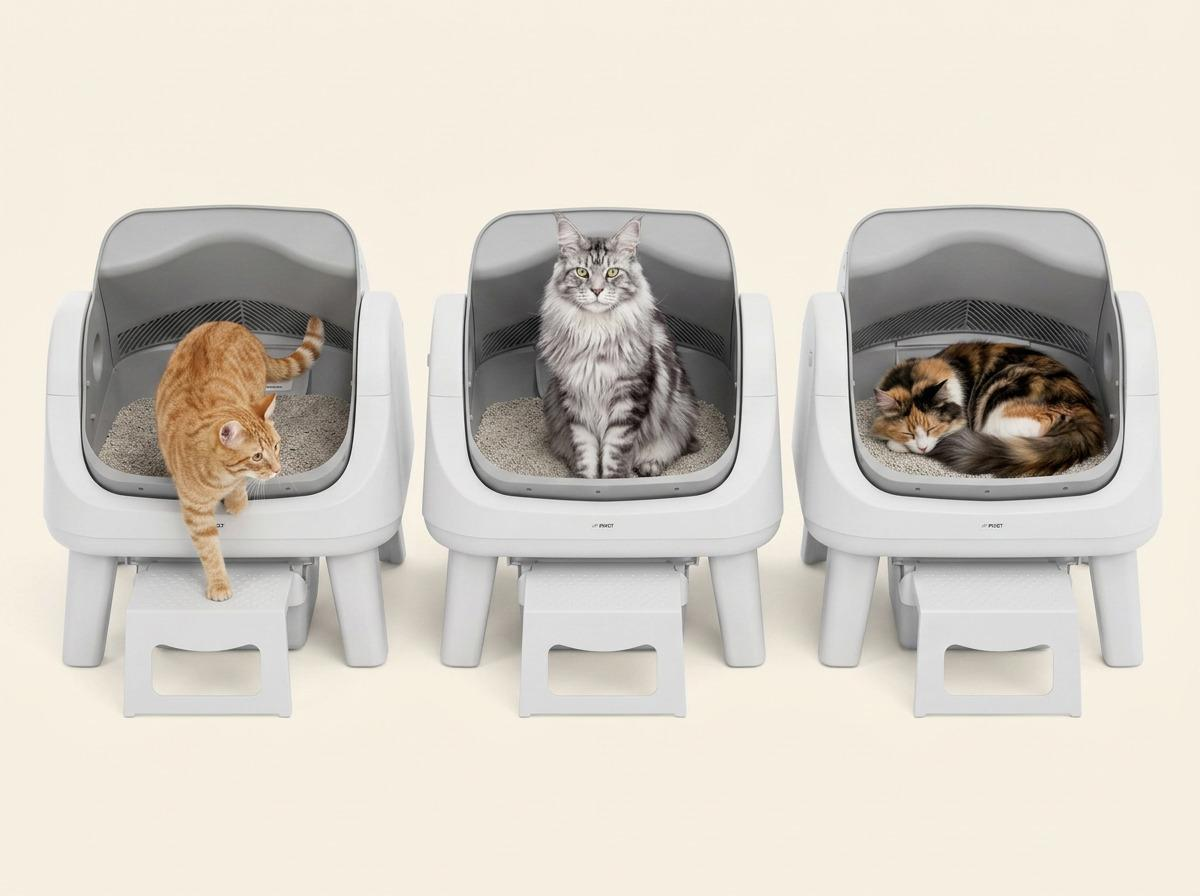
Will it work in an automatic litter box?

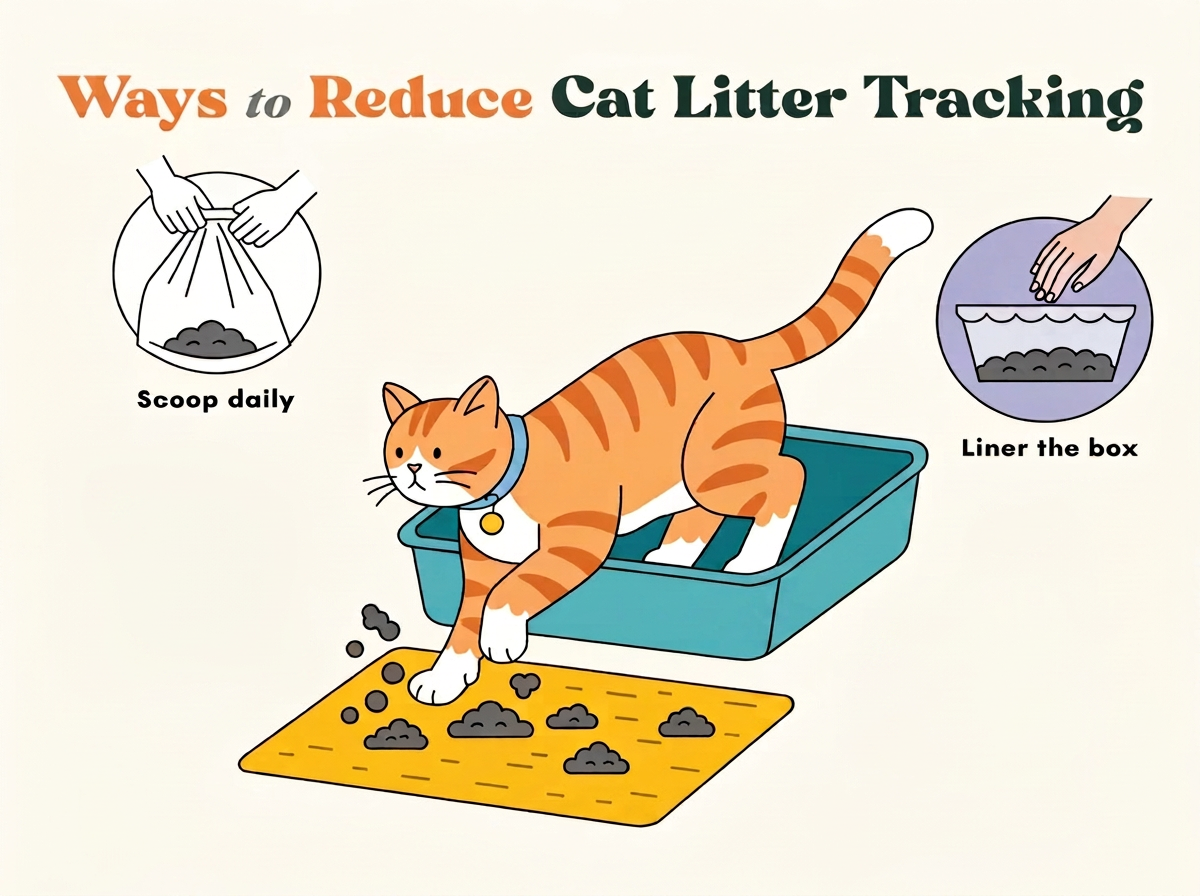
How to stop litter box smell spreading through the house

-
Remove solids at least once daily, and twice in a multi-cat home. VCA recommends scooping once or twice a day.
-
Replace saturated litter on schedule instead of topping it up indefinitely.
-
Wash the box and the scoop with mild soap and water, since bacteria on either will keep producing smell.
-
Clean any accident outside the box with an enzymatic cleaner. Ordinary cleaners leave the odor markers that draw a cat back.
-
Check the mat, the seams, and the flooring nearby. Urine wicks further than people expect.
-
Improve airflow rather than adding fragrance sprays, which just move the problem to your nose.
How to switch litter without causing box avoidance

Final verdict
FAQS
What cat litter is best for odor control?
What type of cat litter absorbs smells the best?
How do I stop my cat litter from smelling in the house?
Does cat litter eliminate odor?
How do I stop my cat's poop from smelling so bad?
Is clumping litter better for odor control?
What is the best thing to use to get rid of cat odor?
What is the healthiest litter for cats?
Sources

You may also like

AutoScooper 11 Cat Litter Box

AutoScooper 11 Cat Litter Box

AutoScooper 11 Cat Litter Box

AutoScooper 11 Cat Litter Box


AutoScooper 11 Litter Base Bed – 2 Pack
Further reading
8 Best Cat Litters for Odor Control in 2026
Automatic Litter Box for Multiple Cats: Size and Capacity Guide
Automatic Litter Box Odor Control Test: What to Measure Before You Trust Reviews