Smart Litter Box Trends in 2026: AI Cameras, Health Data and Simpler Automation

About the Author
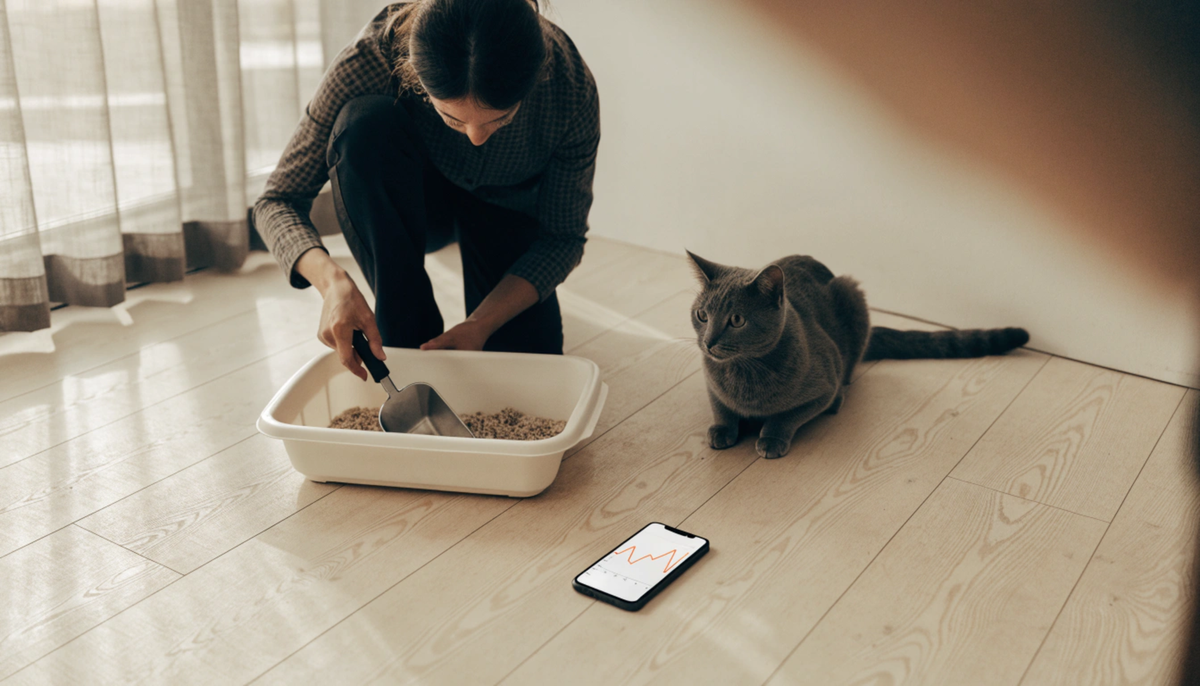
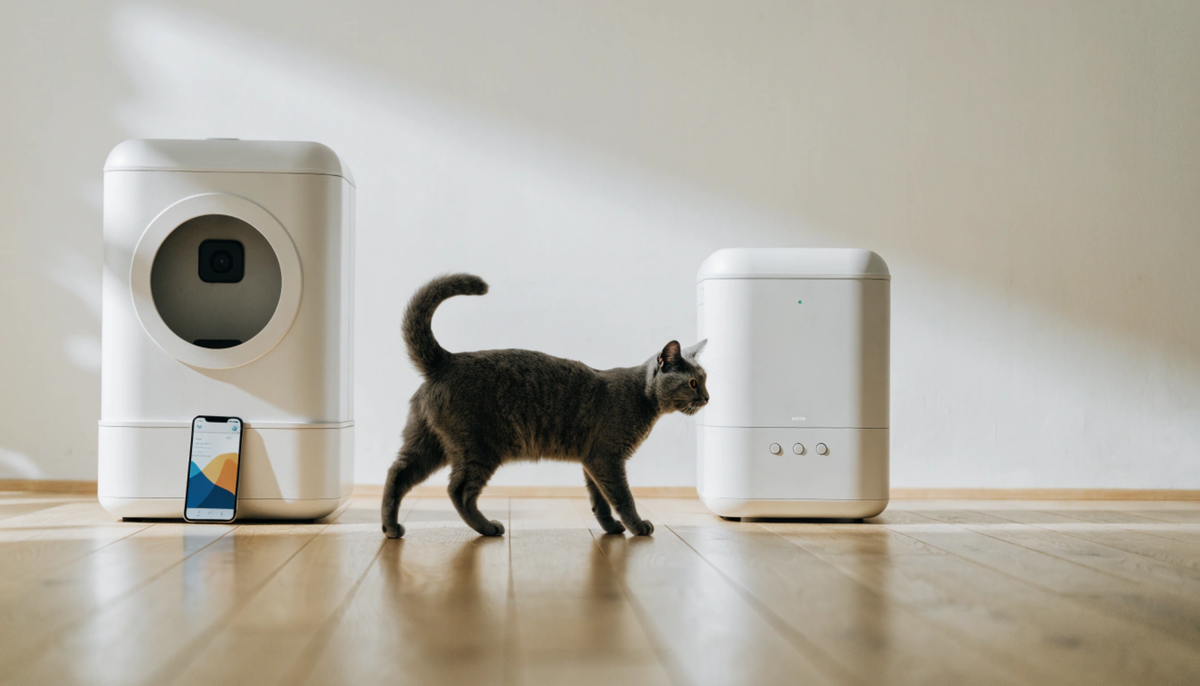
Self-cleaning is no longer the selling point. Almost every machine does it, so brands are competing on what happens after the waste is gone. That means cameras, weight sensors, per-cat profiles and health alerts at the top end. It also means a quieter countertrend: buyers walking away from apps entirely. The most interesting development this year is not a product. A study published in Animals analyzed litter box data from 136 cats and found measurable behavior differences in cats with chronic kidney disease. Below: the eight changes worth knowing, what the research actually supports, and a table of which 2026 features justify the money. Quick take: what changed this year Cleaning became table stakes. Health monitoring became the premium feature. Simplicity became a genuine third option rather than a compromise. Prices split in two. Camera-equipped units sit between $ 400 and $ 900. Reliable app-free machines land closer to 150. Nothing changed about the parts that actually decide whether a machine survives in your home. Safety, interior size, and ease of cleaning. Why the category keeps growing Multi-cat households are the main driver. Two cats double the scooping, three make it a daily argument, and automation solves a real problem, not an imagined one. Apartment living adds pressure, since odor has nowhere to go. Online retail helps too, because a 400-dollar appliance is easier to buy after watching ten videos of it working. Why the published forecasts disagree This matters before you read any trend piece quoting a number. Mordor Intelligence puts the market at 1.09 billion dollars in 2025, growing to 2.56 billion by 2030. The Business Research Company puts 2026 at 1.33 billion, reaching 2.11 billion by 2030. Same category, very different curves. The firms define the segment differently and use different base years. Treat any single figure as one estimate, not a fact. 1. Cameras that tell your cats apart Weight-based identification breaks down when two cats sit within a pound of each other. That is most multi-cat homes. Camera systems solve it by recognizing faces or markings, and some now log up to ten cats individually. They also classify waste, separating urine from stool and firm from loose. Where it still fails: similar-looking littermates, two cats entering back to back, and a cat that sits in the box without eliminating. Treat the log as a strong guess. 2. Litter boxes that track health Body weight, visit frequency, time in the box, urine weight, digging and covering behavior. That is the current data set on premium machines. Weight is the most useful of those by a distance. Slow loss over weeks is one of the earliest visible signs of several common feline conditions, and it is exactly the thing owners miss by eye. Visit frequency comes second. A cat suddenly going twice as often, or straining with nothing produced, is urgent information regardless of what the app labels it. What the kidney disease research actually shows This is where trend articles get careless, so here is the careful version. What the study found Researchers from Nestle Purina and Ohio State analyzed monitoring data from 136 cats. Cats with chronic kidney disease showed more frequent urination, longer elimination times, and less covering behavior afterward. A machine learning model separated the groups with a weighted F1 score near 90 percent in validation. What it does not show It was retrospective. The cats already had a diagnosis. Nobody followed healthy cats forward to see whether the monitor predicted anything, so this is not evidence of early detection in the way marketing will inevitably describe it. The model also missed a meaningful share of the CKD cats in the validation group. A clean report is not a clean bill of health. What to take from it Passive in-home monitoring can surface patterns worth a vet conversation. That is genuinely useful, and it is all the authors claim. No consumer device diagnoses kidney disease, and a urinalysis is still a urinalysis. 3. Machines with no app at all The overlooked half of this market. A growing share of buyers want a machine that scoops, seals, and shuts up. No account, no firmware, no pairing, nothing to fail when the router does. Reviews on our own product pages say this repeatedly, usually along the lines of hating that everything now needs an internet connection. Our app-free automatic litter box runs on three physical buttons with a child lock. The honest trade is total: no weight trends, no alerts, no data to hand your vet. For three or more cats, the bigger AutoScooper 11 uses the same offline approach with a 10-liter sealed bin. 4. Open top is gaining ground Enclosed drums dominated the premium tier for a decade. That is loosening. Large breeds struggle with round portholes, nervous cats avoid tunnels, and senior cats with stiff joints find a low open entry easier. Even PETKIT launched an open-top AI unit in 2025, which tells you where the pressure is coming from. Enclosed units still contain odor better between cycles, and they trap humidity, which makes stored waste smell worse over time. Neither format wins outright, as we set out in open-and enclosed-format compared. 5. More than one safety sensor A single weight plate is no longer acceptable, and buyers have noticed. Current machines stack detection: infrared across the entrance, weight in the base, motion monitoring during rotation, and anti-pinch structure. Radar appears on a few units, halting a cycle before contact rather than after. Ask about behavior, not sensor count. What happens if a second cat enters mid-cycle? Our four-layer sensor design page sets out each layer and what triggers a pause. Minimum weight rules still apply everywhere. Most machines want cats over six months and 3 lbs. 6. Better sealing, less perfume Fragrance is out. Sealing and airflow are in. The current approach combines shorter waste exposure time, a drawer that actually closes, activated carbon, and in some units a fan that pushes air through the filter before releasing it. Filters saturate within roughly four to six weeks. UV claims are common, and the published evidence at consumer doses is thin. Maintenance still decides real-world performance more than any feature, which is why our maintenance intervals by cat count are set by household size rather than a single number. 7. Subscriptions beyond bags and filters Consumables were always part of the deal. Bags, filters, litter beds. That is fair. What changed is that software moved behind the paywall too. Video history, extended trend data, advanced analysis, and on at least one machine, multi-cat recognition itself as a paid unlock. Add it up before you buy. A 500-dollar unit with a monthly plan is a very different purchase from a 179-dollar unit and a 25-dollar bag pack, and our filters, bags, and spare parts are priced as one-off items rather than a plan. 8. Privacy is now a buying factor Predictable, once you put a camera in a bathroom. Surveys of connected device owners in North America and Europe show most are concerned about security, and academic work has found hard-coded credentials in popular pet devices. The FTC warns that home IP cameras are vulnerable to snooping. Manufacturers responded with local processing, camera-off modes, and clearer retention policies. Some buyers responded by choosing a machine with no radio at all. What has not changed Automatic does not mean maintenance-free. You still empty, wipe, refill, and deep clean. One machine does not fix resource guarding. The one box per cat plus one guideline holds whether or not the box has wifi. Litter compatibility still limits everything. Hard-clumping mineral or bentonite works for most sifting machines, and a fine-grain formula made for a smartlitter box separates more cleanly than a coarse one, regardless of what the app reports. Cats still get the final vote. A machine your cat refuses is worth nothing, no matter the price. Which 2026 features are worth paying for? Sorted by how much difference each one makes in a normal home. Feature Worth paying for? Why Layered safety sensors Always The one failure mode that matters Sealed waste drawer Always Does more for odor than any filter Tool-free disassembly Always You will clean it a hundred times Correct interior size Always A cramped box goes unused Weight and visit tracking Often Real value for seniors and multi-cat homes Individual cat recognition Multi cat only Useless with one cat, essential with four AI camera and waste analysis Sometimes Adds privacy questions and cost Remote cycling from an app Rarely A button on the machine does the same job Cloud video history Rarely Usually the first thing behind a paywall UV sterilization claims Not yet Little published evidence at consumer doses Notice the pattern. Almost everything in the always row is mechanical. Final takeaway Buy the safety, fit, and seal first. Those decide whether the machine gets used and whether you regret it. Add health tracking if you have a senior cat, a cat with a history, or several cats you cannot tell apart from a weight reading. That is where the data earns its price. Skip the camera if the privacy terms are vague or the useful features sit behind a subscription. And if you want none of it, an app-free machine does the actual job at a quarter of the cost. Whichever direction you go, check the return window length on day one. Our support page answers common setup questions. FAQS What is the best self-cleaning litter box in 2026? There is no single answer, because the right machine depends on cat count, cat size, and whether you want data. Premium camera units suit multi-cat homes tracking health. App-free machines suit anyone who only wants the scooping handled. Judge safety, interior size and drawer seal before features. What is the golden rule for litter boxes? One box per cat, plus one spare, in separate locations. A smart machine counts as one box, not as a replacement for the rule. The spare matters more with automation because a jam, a power cut, or a cleaning cycle can otherwise leave your cat with nowhere to go. How long is a litter box good for? Replace a plastic tray every one to two years, sooner if the surface is scratched, since scored plastic holds residue no cleaning can reach. An automatic machine depends on motor and sensor life, build quality, and cleaning habits. Replaceable parts extend it considerably. When should you upgrade a litter box? When scratches hold odor after a full clean, when your cat has outgrown the entry, when a senior cat starts hesitating at the step, or when scooping frequency no longer keeps up with your household. Persistent avoidance is a reason to change something, and a vet visit first. How do you clean a litter box every day? Remove waste, level the remaining litter, and top up to the fill line. With an automatic machine, check the drawer, wipe the entry edges, and glance at the sensors. Weekly, wipe every surface waste touches. Change litter completely every two to four weeks, depending on cat count. What size is a large litter box? A useful rule is at least one and a half times the length of your cat from nose to base of tail, with room to turn fully. For most adult cats that means roughly 22 inches or more of interior length. Check the usable interior, never the exterior carton dimensions. What is the best cat litter tray? For most cats, a large uncovered tray with low sides and fine unscented clumping litter. That combination matches substrate-preference research most consistently. Covered and automatic designs can work well too, but the cat decides, and hesitation at the entrance is your answer. What is a good litter box that does not smell? One that removes waste quickly and stores it behind a drawer that seals properly, in a room with air movement. Filters help at the margins and saturate. No litter box stays odorless without emptying, so judge the seal and the emptying interval rather than the marketing. Do smart litter boxes detect kidney disease? No. Research published in 2026 found that cats with chronic kidney disease show measurable differences in litter box behavior, and a model separated the groups with reasonable accuracy. The study was retrospective on already diagnosed cats. Monitoring may prompt an earlier vet visit, which is not the same as detection. Is a smart litter box worth it without multiple cats? The cleaning is worth it for most households. Tracking usually isn't worth it with one cat, unless that cat is senior or has a known urinary or kidney history. Single cat homes tend to pay for identification features they never use. This article covers technology trends, not veterinary advice. A licensed veterinarian should assess any lasting change in your cat's weight, appetite, or litter box habits. Sources Animals (MDPI), Enhancing Detection of Feline Chronic Kidney Disease Through Smart Litter Box Monitoring (2026) Purina Institute, Feline Elimination Patterns Linked to Kidney Disease Demonstrated Through Smart Litter Box Monitor (2026) Mordor Intelligence, Smart Cat Litter Box Market Size and Share Analysis (2025) The Ohio State University Indoor Pet Initiative, Litter Boxes (2024) Cornell Feline Health Center, Choosing and Caring for Your New Cat (2024) International Cat Care, Choosing a Litter Tray for Your Cat (2024) Federal Trade Commission, Securing Your Internet-Connected Devices at Home (2024)
Quick take: what changed this year
Why the category keeps growing
Why the published forecasts disagree
1. Cameras that tell your cats apart

2. Litter boxes that track health

What the kidney disease research actually shows
What the study found
What it does not show
What to take from it
3. Machines with no app at all

4. Open top is gaining ground

5. More than one safety sensor

6. Better sealing, less perfume

7. Subscriptions beyond bags and filters

8. Privacy is now a buying factor
What has not changed

Which 2026 features are worth paying for?
|
Feature
|
Worth paying for?
|
Why
|
|
Layered safety sensors
|
Always
|
The one failure mode that matters
|
|
Sealed waste drawer
|
Always
|
Does more for odor than any filter
|
|
Tool-free disassembly
|
Always
|
You will clean it a hundred times
|
|
Correct interior size
|
Always
|
A cramped box goes unused
|
|
Weight and visit tracking
|
Often
|
Real value for seniors and multi-cat homes
|
|
Individual cat recognition
|
Multi cat only
|
Useless with one cat, essential with four
|
|
AI camera and waste analysis
|
Sometimes
|
Adds privacy questions and cost
|
|
Remote cycling from an app
|
Rarely
|
A button on the machine does the same job
|
|
Cloud video history
|
Rarely
|
Usually the first thing behind a paywall
|
|
UV sterilization claims
|
Not yet
|
Little published evidence at consumer doses
|
Final takeaway
FAQS
What is the best self-cleaning litter box in 2026?
What is the golden rule for litter boxes?
How long is a litter box good for?
When should you upgrade a litter box?
How do you clean a litter box every day?
What size is a large litter box?
What is the best cat litter tray?
What is a good litter box that does not smell?
Do smart litter boxes detect kidney disease?
Is a smart litter box worth it without multiple cats?
Sources
- Animals (MDPI), Enhancing Detection of Feline Chronic Kidney Disease Through Smart Litter Box Monitoring (2026)
- Purina Institute, Feline Elimination Patterns Linked to Kidney Disease Demonstrated Through Smart Litter Box Monitor (2026)
- Mordor Intelligence, Smart Cat Litter Box Market Size and Share Analysis (2025)
- The Ohio State University Indoor Pet Initiative, Litter Boxes (2024)
- Cornell Feline Health Center, Choosing and Caring for Your New Cat (2024)
- International Cat Care, Choosing a Litter Tray for Your Cat (2024)
- Federal Trade Commission, Securing Your Internet-Connected Devices at Home (2024)
You may also like

AutoScooper 12 Lite Cat Litter Box

AutoScooper 12 Lite Cat Litter Box

AutoScooper 12 Lite Cat Litter Box

AutoScooper 12 Lite Cat Litter Box-Gray

AutoScooper 12 Litter Base Bed – 2 Pack

AutoScooper 12 Waste Bags – 60 Count
Further reading
Smart Litter Box Trends in 2026: AI Cameras, Health Data and Simpler Automation
Automatic Litter Box Noise Test: What Is Normal and What Is Not
Smart Litter Box Privacy: What the Box Knows and What Your Cat Needs