How to Dispose of Cat Litter: Bags, Bins, and Rules

Informazioni sull'autore
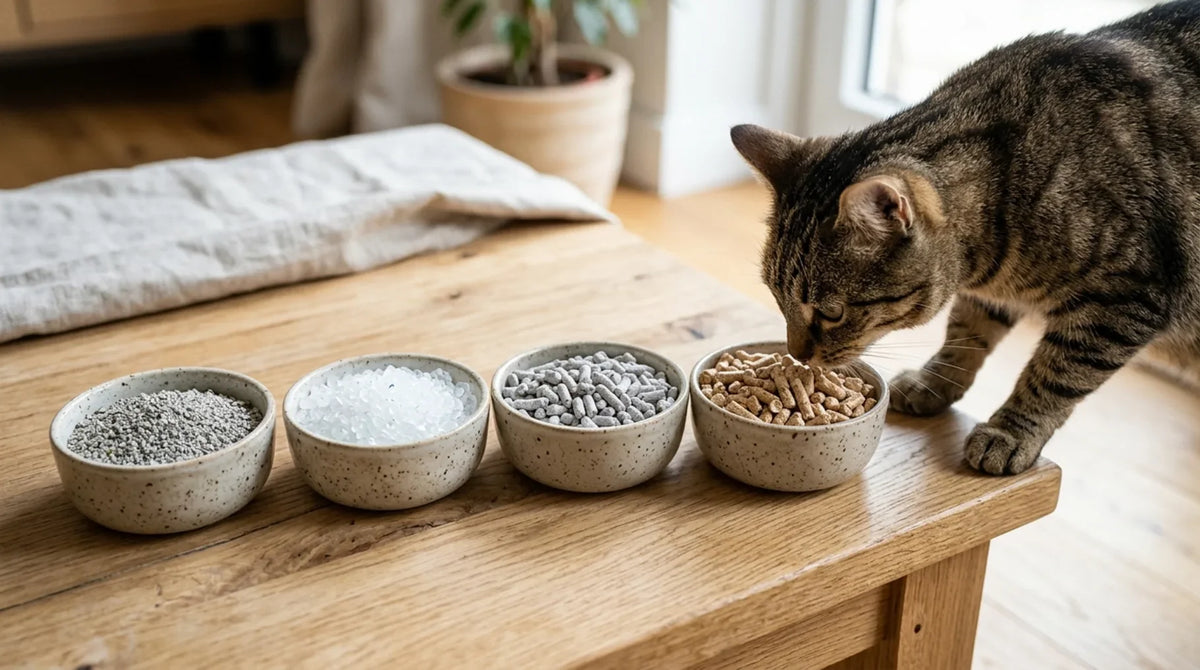
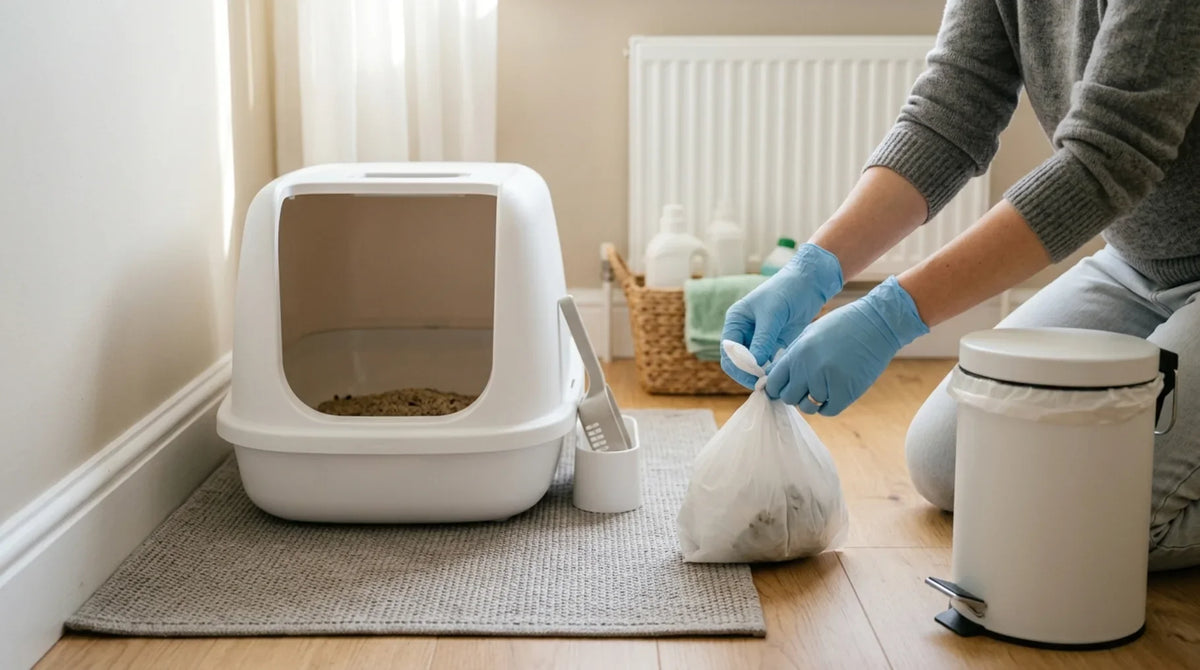
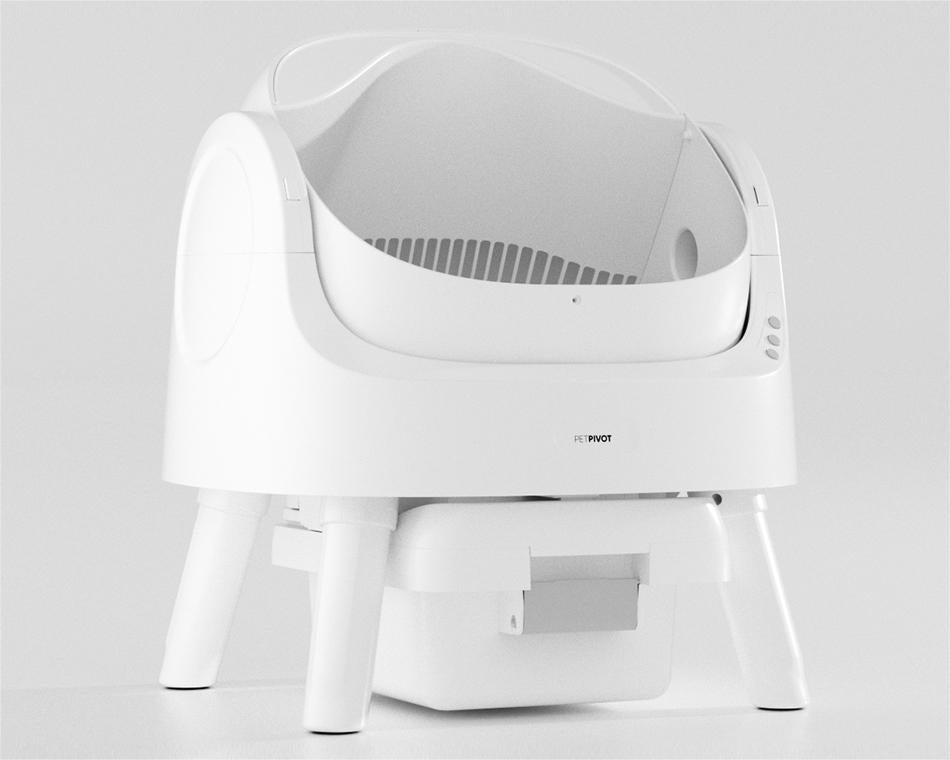
The proper method of disposing of cat litter is to place it into a strong bag, close it tightly and put it in the usual domestic garbage, depending on the local regulations. This goes for all types of litter, whether clay, crystal or plant-based. It may be tempting to flush it down the toilet or throw it out in the yard or garden, but that could block drains and spread bacteria. The use of a new plastic garbage bag every time may seem wasteful, and it need not be that way; a small plastic bag or a covered bucket near the litter box will suffice. How Should You Dispose of Cat Litter Safely? A scoop, a heavy-duty bag and access to your household trash should suffice for most. Step 1: Clean Your Litter Box by Removing Solid and Liquid Waste Once per day at minimum; public health advice offers one great reason why: cleaning the box regularly gets rid of feces, preventing parasite eggs from becoming infective. Step 2: Place the Waste in a Heavy-Duty Bag Use small litter bags, dog poop bags, or even your grocery bags each day; just make sure to check those grocery bags for holes, as wet clay litter is quite heavy and the thin grocery bag, which handles your kitchen trash, may tear. Step 3: Close the Bag Before Discarding It Make sure there is enough space at the top to tie it tightly shut; if you find it stretched, torn, leaking or hard to pick up, use an extra bag or split the load. Step 4: Put It in the Garbage at Home Put the tied bag in a covered garbage can, preferably outdoors if you can manage it. Don’t put litter directly in communal dumpsters or chutes, as this is likely to cause spills. Step 5: Clean the Scoop and Wash Your Hands Clean anything clinging to the scoop and occasionally wash the scoop. Wash your hands with soap and water, even if you used gloves. Do You Need a New Plastic Bag Every Time You Scoop? No. Using a full size garbage bag for two small clumps really does feel wasteful, and owners have a few simple ways around it. 1. Using Small Bags for Daily Scooping Dog waste bags are handy when you want to tie the waste up and take it straight out. One owner started using them in an attic apartment and never stopped because it works so well. Grocery bags are another free option, and many people double them up for heavier litter. Some owners keep a stack of grocery bags stuffed into an empty tissue box next to each litter box so one is always within reach. 2. Using a Lined Waste Bin Alternatively Having a bin with a good lid enables you to store many scoops of waste before disposing of it to the bigger trashcan. The owner of the cat keeps her kitty's poop in a plastic bag placed in a container previously used for ice cream storage, with the lid covering the entire unit, holding up to five days' worth of waste. 3. When Should You Empty the Bag? It depends on how full and smelly the bag gets, not on a set number of days. The bag will fill up much faster if you have three cats versus one cat. It's also true for a warmer environment where smells become evident much quicker. Empty the bag when it starts to smell or becomes too heavy or almost full. One owner, who had three cats, discovered that all reusable containers they purchased always gassed them up, hence the decision to use a 3 gallon bag. What Is the Best Container for Cat Litter Disposal? What matters is that the container closes properly, is easy to clean and fits your space. Disposal option Best suited for Main consideration Small tied waste bag Taking it straight out Uses a bag each time Basic lidded trash can Daily collection Needs regular emptying Dedicated litter disposal pail Indoor odor control Liners and upkeep Reused sturdy container with lid Low cost storage Must be washable and lined Outdoor covered trash bin Final household disposal Must meet local waste rules Normal Trash Can vs. Litter Disposal Pail You can use an ordinary lidded can if you will be disposing of its content regularly, and the pedal version will have a lid shut most of the time. Find one with a smooth interior or one with a removable bucket because the leakages will be easier to clean. With the litter disposal pail, the odor barrier makes it better if the waste cannot be disposed of every time it is scooped, but you will incur extra cost due to refills of the liner. What Happens If You Lack Space for Extra Container The large disposal pail takes up even more space on the floor than the litter box. In this case, you should keep a stock of small bags at the scoop area and dispose of them at the trash after tying them up, or you may use an ordinary lidded canister. How to Dispose of Cat Litter in a Small Apartment Apartments add a few hurdles, like a trash room several floors down and nowhere to hide a big pail. 1. If Your Building Has a Shared Trash Room Use a bag you trust not to split on the stairs, and keep loads small. One owner whose litter box is upstairs carries the tied bag inside a second handled bag on the way down, because the last thing you want is a bag tearing halfway there. Check your building's rules for the chute, and never drop loose litter down it. 2. If You Need to Store Litter Waste Inside A small bin with a fitted lid may be placed near the litter box or in a utility corner. It must be kept away from food, dishes and the kitchen counter, and bags must not be left in corridors and on balconies when such actions are forbidden by the building regulations. 3. How to Prevent Odor Build-Up between Trash Collections The bin should be kept dry, and any wet spots found under the liner should be considered a sign of a leakage. A well-fitted lid keeps the odors inside, but will not get rid of old waste smell, thus if the bin always smells when it is opened, the waste should be removed earlier and the bin washed and dried before placing another liner inside. Our guide to keeping the litter box from smelling covers the box side of odor control. How to Dispose of Different Types of Cat Litter Once used, every type ends up in the household trash. Litter type Recommended disposal Important consideration Clumping clay Household trash Heavy when wet and swells Non clumping clay Household trash Holds absorbed urine Silica crystal Household trash Not ordinary recycling Tofu / soy Household trash Biodegradable doesn't mean flushable Corn / wheat Household trash Composting needs local approval Pine / wood Household trash Used litter may carry germs Paper Household trash Used paper litter isn't paper recycling Clay and Crystal Litter Clay becomes extremely heavy after absorbing the urine, hence it should be put in bags in small portions rather than filling one bag with it. Both clay and silica crystal litter shouldn’t go in the toilet, down the drain or in your recycling container. Plant-Based and Biodegradable Litter These types of litter decompose relatively faster compared to clay in specific conditions; however, once the litter is used, it has cat urine and feces in it. It requires to be disposed of differently despite having the biodegradable label on the bag. Can You Flush Cat Litter or Cat Poop? This may be the case because the litter box is close to the toilet, and some pet owners may scoop poop from the litter box directly into the toilet without using any bags at all. However, getting rid of the poop is one thing and getting rid of the litter is another, and neither belongs in the toilet. Why Cat Litter Can Clog Pipes The clumping kind of clay expands to a dense mass in water, while others may end up in corners of the pipes due to multiple flushes. A toilet which handles one little flush does not mean that it can handle it daily, and cat litter is among the things not to flush according to septic system guidelines. What About Flushable Cat Litter? Cat litter made from corn, wheat, or tofu may be labeled "flushable" because these products soften when mixed with water. However, plumbing is different in each case, and some wastewater authorities advise citizens not to flush any cat litter. This applies especially to septic systems. The Reason Cat Poop Is a Problem All by Its Lonesome Cat poop may contain Toxoplasma gondii, and scientists examining sea otter fatalities discovered that wastewater treatment was unable to eliminate the hardy egg phases of the parasite, meaning that when the parasites are flushed down the toilet, they make their way into rivers and oceans. You can find out more whether can you flush cat litter or no in our guide. Can You Compost Used Cat Litter? This is where owners disagree. One owner composts used corn litter and says the worms and produce seem happy, while another replied that pet waste shouldn't go in compost, especially compost used on a food garden. The second view lines up with official guidance. 1. Which Cat Litters Are Biodegradable? The biodegradable cat litter is that made from wood, paper, corn, wheat and tofu since they come from plants and will decompose in appropriate conditions. Other materials such as clay and silica do not decompose in the same way. 2. Why Used Cat Litter Is Different Used cat litter could have parasites and germs and not even the backyard compost could get hot enough to eliminate them. The guide to environmental composting at home mentions pet waste and cat litter as some of the items not to be placed in the backyard composting pile. Do not use any compost with cat waste on plants. 3. What If Your City Accepts Pet Waste Composting? Only use a service which explicitly states its support for composting of cat litter and pet wastes. It may be wrong to assume that a green bin for organic waste would accept pet wastes. Similarly, just because a bag can be composted does not mean that the contents are acceptable. Can You Dump Cat Litter Outside? Even biodegradable litter shouldn't be scattered in the yard or tipped into nearby woods. Once it's used, you're dumping cat waste, not just litter. Dropping litter into soil or the garden is a bad idea. It may get carried by rainwater into storm drains or waterways, and parasites from cat feces may pollute soil that humans and animals will have to interact with. This is why it is suggested that you use gloves while working in soil that has been used as cat litter. Dropping cat litter outdoors can be illegal but it varies from area to area. It could be considered littering in some places, depending on their regulations regarding pet waste and waste disposal; plant-based litter is not exempt from this simply because it breaks down. How to Reduce Plastic Waste When Disposing of Cat Litter It is possible to reduce the number of bags without compromising hygiene standards. Use Bags Suited for the Amount of Waste Generated A small amount of garbage would require a smaller garbage bag. The common practice of most cat owners is to use small bags for a daily portion of poop while using big trash bags when changing the entire litter. Reuse Suitable Bags Reuse plastic grocery bags that are still intact. A strategy used by many owners to save more is putting each day’s portion in one small bag until the bag fills up and removing it only when it does. Ensure that the bag is free from holes at the bottom and handles. Are Biodegradable/Compostable Bags Superior? They are not necessarily better. There are some compostable bags that cannot decompose in any other place except in industrial facilities. It is also unlikely for these facilities to accept pet feces. That's why it is advisable to check first before purchasing the bags. How to Prevent Cat Litter Disposal Bags From Smelling or Leaking A bag that's fine for food wrappers may not survive a load of wet litter. Don't overload bags with moist clay litter. Instead of moving a lot of litter at once, it's better to divide it into several portions. It's time to stop when handles start cutting into your fingers. One cat owner that had a special can outdoors for storing used litter bags said that it gets quite heavy if you change it once a week. Store litter in a dry and hygienic place. Look for any wet spots underneath the liner, because even small holes and condensation can result in accumulation of moisture inside the closed bin. Occasionally wash the container with soap, dry it thoroughly and then put a new liner, being careful about the lid, which is usually full of residues. Some owners also disinfect inside of the can between liners. Empty the bin before it starts to smell. The waste will be contained in a well-sealed bin, but the opening of the bin should not cause you to hold your breath. Otherwise, the waste is already decaying and needs to be emptied soon. How Often Should You Empty Cat Litter Waste? The scooping of the box and the emptying of the waste bin are two distinct procedures that work on their own schedule. Always scoop your box and then examine your waste bin as far as smells, leakage, and filling are concerned. Many owners choose to empty their smaller indoor bin on the day before the trash pickup while households with multiple cats may have to do this procedure quite often. The litter in the box has its own schedule and in case you wonder how often should you change your cat litter, take a look at our guide about the issue. The automated boxes such as the AutoScooper 12 Lite gather waste in the form of a drawer but this waste still needs to be bagged and emptied. Follow the recommendations of the manufacturer and always keep the drawer under control because in case you notice any smells or leaks you should empty the waste drawer immediately. Our guide tosizing an automatic box and its waste drawer for more than one cat covers capacity. When Should You Take Extra Precautions With Cat Litter Waste? There are a couple of instances where more precautions need to be taken. In case your cat has diarrhea or parasites, immediately scoop up the dirty litter and thoroughly clean whatever has gotten spilled in the box or on the floor. If there is continuous diarrhea or parasites, you should consult your vet about any special precautions you need to take as bagging up the waste will not suffice. Another situation when you have to take some special measures is when somebody at home is pregnant or has a compromised immune system. Though not all cats carry Toxoplasma gondii, it is always better for them to stay cautious of the cat's feces. ⚠ Pregnant or immunocompromised? According to the Centers for Disease Control and Prevention, individuals that are at an increased risk of getting infected should get help from another person to clean the litter. In case you cannot avoid cleaning the litter yourself, use disposable gloves and wash your hands thoroughly. FAQs Can you throw away cat litter? Yes. Used cat litter belongs in your regular household trash. Scoop it into a sturdy bag, tie it shut and put it in a covered bin, and check local rules if you're throwing out a large amount at once. Is it illegal to dump cat litter outside? It can be, depending on local littering and waste rules. Even where it isn't, used litter can spread germs into soil and water, and biodegradable litter isn't an exception. The trash is the better choice. Is it okay to dump cat litter in the toilet? It's best not to. Clay swells and clogs pipes, flushable litters may not suit your sewer or septic system, and cat poop can carry a parasite that treatment doesn't reliably remove. What should I do with old cat litter? When you do a full change, tip the old litter into a strong trash bag, or a few smaller ones if it's wet clay. Tie them off, put them in the trash, then wash and dry the box before refilling. Do I need a new garbage bag every time I scoop? No. Use a small dog waste or grocery bag, or collect a few days of scoops in a lined container with a tight lid. Empty it before it smells or gets heavy. Can cat litter go in the green bin? Usually not. Most organics programs don't accept pet waste, and used litter contains cat poop whatever it's made of. Only use the green bin if your city specifically says cat litter is allowed. What's the best way to dispose of scooped litter? Bag it in a small, sturdy bag or a lined lidded bin, then put it in the household trash. Pick a routine that fits your space and trash day, and empty it sooner if it starts to smell. Can I compost biodegradable cat litter? Unused plant based litter may be compostable, but used litter shouldn't go in a home compost pile because it can carry parasites. Only use a municipal program that explicitly accepts pet waste.
How Should You Dispose of Cat Litter Safely?
-
Step 1: Clean Your Litter Box by Removing Solid and Liquid Waste
-
Step 2: Place the Waste in a Heavy-Duty Bag
-
Step 3: Close the Bag Before Discarding It
-
Step 4: Put It in the Garbage at Home
-
Step 5: Clean the Scoop and Wash Your Hands
Do You Need a New Plastic Bag Every Time You Scoop?

1. Using Small Bags for Daily Scooping
2. Using a Lined Waste Bin Alternatively
3. When Should You Empty the Bag?
What Is the Best Container for Cat Litter Disposal?

|
Disposal option
|
Best suited for
|
Main consideration
|
|
Small tied waste bag
|
Taking it straight out
|
Uses a bag each time
|
|
Basic lidded trash can
|
Daily collection
|
Needs regular emptying
|
|
Dedicated litter disposal pail
|
Indoor odor control
|
Liners and upkeep
|
|
Reused sturdy container with lid
|
Low cost storage
|
Must be washable and lined
|
|
Outdoor covered trash bin
|
Final household disposal
|
Must meet local waste rules
|
-
Normal Trash Can vs. Litter Disposal Pail
-
What Happens If You Lack Space for Extra Container
How to Dispose of Cat Litter in a Small Apartment
1. If Your Building Has a Shared Trash Room

2. If You Need to Store Litter Waste Inside
3. How to Prevent Odor Build-Up between Trash Collections
How to Dispose of Different Types of Cat Litter
|
Litter type
|
Recommended disposal
|
Important consideration
|
|
Clumping clay
|
Household trash
|
Heavy when wet and swells
|
|
Non clumping clay
|
Household trash
|
Holds absorbed urine
|
|
Silica crystal
|
Household trash
|
Not ordinary recycling
|
|
Tofu / soy
|
Household trash
|
Biodegradable doesn't mean flushable
|
|
Corn / wheat
|
Household trash
|
Composting needs local approval
|
|
Pine / wood
|
Household trash
|
Used litter may carry germs
|
|
Paper
|
Household trash
|
Used paper litter isn't paper recycling
|
Clay and Crystal Litter
Plant-Based and Biodegradable Litter
Can You Flush Cat Litter or Cat Poop?

Why Cat Litter Can Clog Pipes
What About Flushable Cat Litter?
The Reason Cat Poop Is a Problem All by Its Lonesome
Can You Compost Used Cat Litter?
1. Which Cat Litters Are Biodegradable?
2. Why Used Cat Litter Is Different
3. What If Your City Accepts Pet Waste Composting?
Can You Dump Cat Litter Outside?
How to Reduce Plastic Waste When Disposing of Cat Litter
-
Use Bags Suited for the Amount of Waste Generated
-
Reuse Suitable Bags
-
Are Biodegradable/Compostable Bags Superior?
How to Prevent Cat Litter Disposal Bags From Smelling or Leaking
How Often Should You Empty Cat Litter Waste?
When Should You Take Extra Precautions With Cat Litter Waste?
|
⚠ Pregnant or immunocompromised?
According to the Centers for Disease Control and Prevention, individuals that are at an increased risk of getting infected should get help from another person to clean the litter. In case you cannot avoid cleaning the litter yourself, use disposable gloves and wash your hands thoroughly.
|
FAQs
Can you throw away cat litter?
Is it illegal to dump cat litter outside?
Is it okay to dump cat litter in the toilet?
What should I do with old cat litter?
Do I need a new garbage bag every time I scoop?
Can cat litter go in the green bin?
What's the best way to dispose of scooped litter?
Can I compost biodegradable cat litter?

You may also like


Lettiera per gatti AutoScooper 12 Lite

Lettiera per gatti AutoScooper 12 Lite

Lettiera per gatti AutoScooper 12 Lite

Lettiera per gatti AutoScooper 12 Lite
Further reading
Silica Cat Litter: Pros, Cons, and What to Know Firs
How to Dispose of Cat Litter: Bags, Bins, and Rules
Tofu Cat Litter: Pros, Cons, and What to Know Before Buying