

How to Litter Train a Kitten in 7 Simple Steps at Home

Informazioni sull'autore
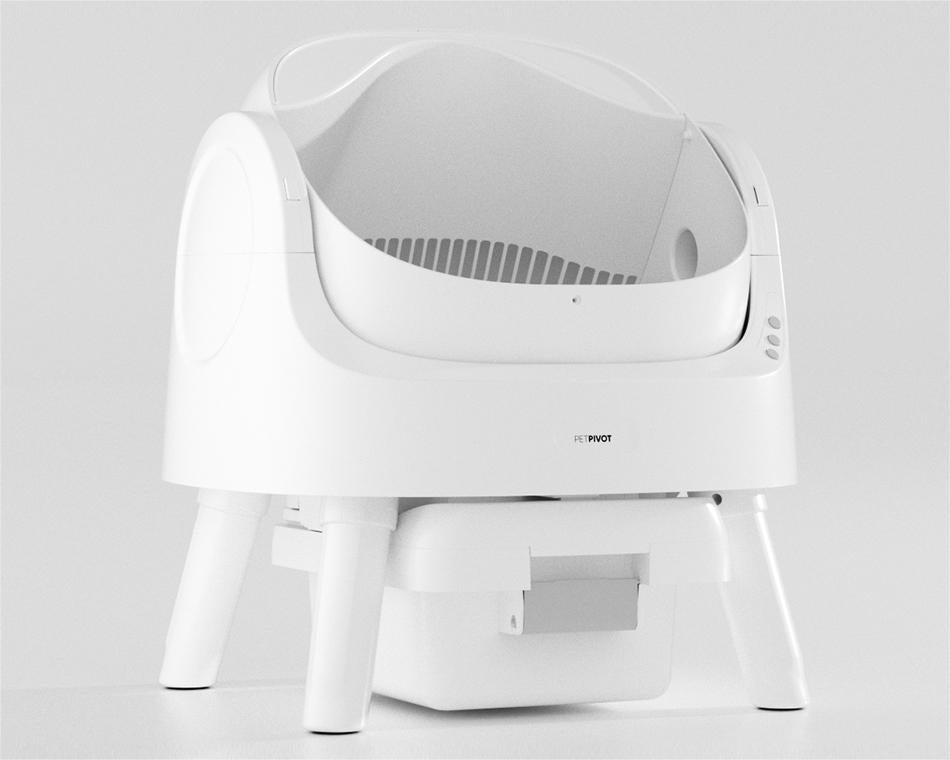
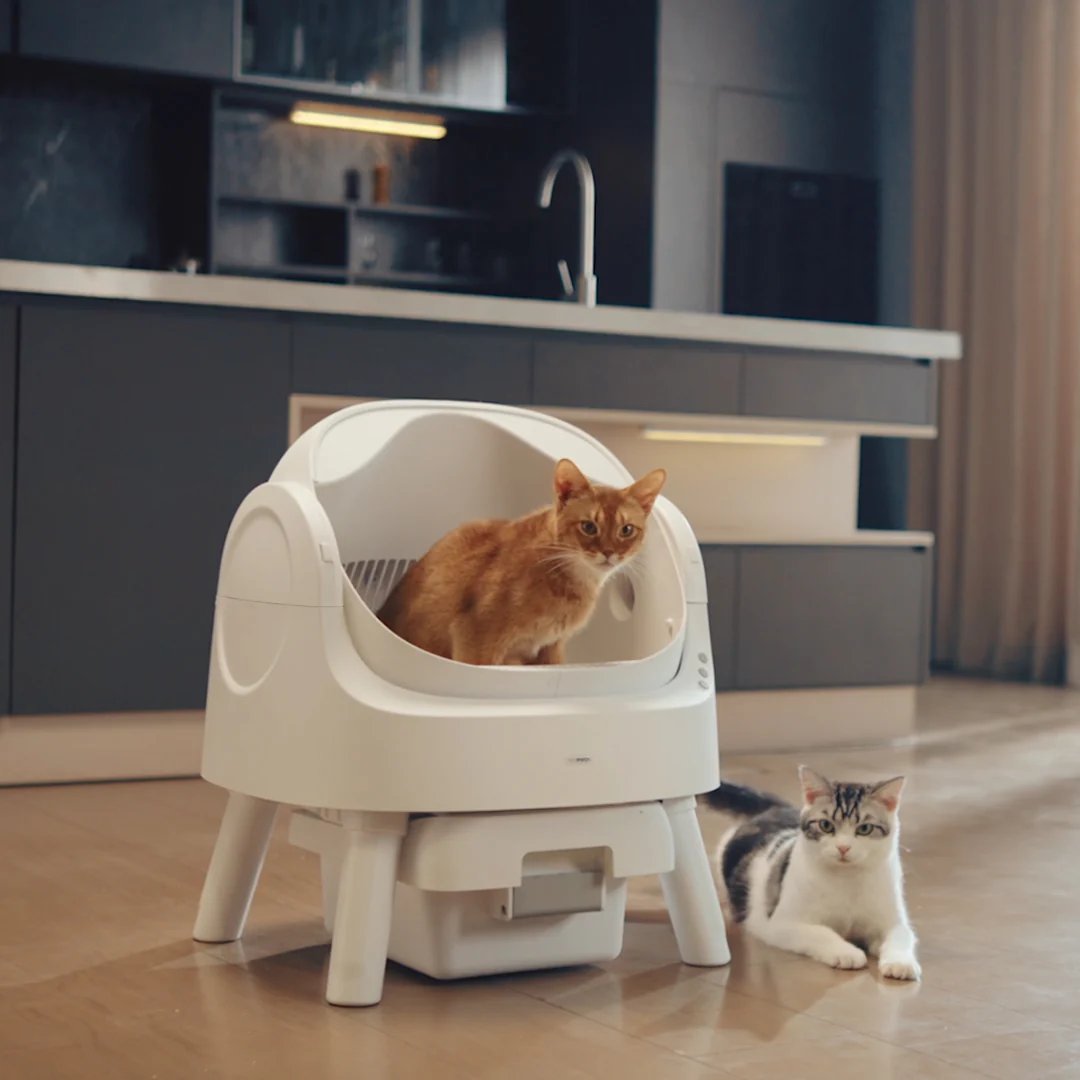
Litter training a kitten is usually a lot easier than new owners expect. Most kittens already have the urge to dig and bury their waste, and many have picked up the basics from their mother before adoption. What they need from you is a box they can climb into, the right litter and a little guidance. Training normally starts at around four weeks of age. The seven steps below help your kitten build a reliable habit at home without any forcing. When Should You Start Litter Training a Kitten? The right time depends on how old your kitten is and what it's already learned. Here's a rough guide: Age What the kitten can do What you do Under 4 weeks Can't reliably pee or poop on its own The mother cat, or you if it's orphaned, helps it go 4 to 5 weeks Starts walking, exploring and digging Offer a shallow tray and show it the box 8 weeks and older Often already uses litter Show it where the new box is and keep it easy to reach 1. Kittens Under 4 Weeks Old Very young kittens can't toilet by themselves yet. The mother cat licks them to get them to pee and poop and cleans up after them, so there's no need for a litter box at this stage. According to vets, hand reared kittens need to be stimulated after each feed by gently rubbing the genital area with a warm, moist cloth or cotton ball. A vet or experienced foster can show you how. 2. Kittens Around 4 to 5 Weeks Old This is the usual window to bring in a litter tray, as kittens start to wean, walk more steadily and get curious about loose textures. A shallow tray the kitten can climb in and out of by itself is enough. 3. Kittens 8 Weeks and Older Most kittens adopted at eight to twelve weeks already have some litter experience, especially if they stayed with their mother. One owner who got two kittens at ten weeks said they put them in the box once and the kittens figured it out right away. Expect a few slips anyway while it learns a new home. What Do You Need Before Litter Training a Kitten? You don't need a long shopping list. These basics cover almost every kitten: Essential item What to look for Litter box A shallow entrance and enough room to turn around Kitten safe litter Unscented, and non clumping for very young kittens Litter scoop Easy to use for frequent cleaning Enzymatic cleaner Made for cleaning up urine and stool accidents Litter mat Optional, helps catch tracked litter 1. Choose a Low-Sided, Uncovered Box Advice from veterinarians is to use a box with low sides, because the little kitten would have trouble climbing over a high side and might just become discouraged. The foster caregiver begins with an inexpensive low sided plastic tray, and a box without a lid gives the kitten enough confidence to be able to jump out of it. 2. Choose Litter That's Safe for Your Kitten's Age Young kittens will investigate their environment using their mouth, and some of them will taste the litter material initially. Because of this, veterinarians recommend using a non-clumping litter for about eight to ten weeks of kitten's age, because the clumping litter could expand in case if it was swallowed by the kitten. Pick something unscented and fine textured, and our guide to low dust cat litter covers gentler options. 3. How Much Litter Should You Put in the Box? A one-inch layer is enough for kittens aged four to five weeks. But when the kitten gets a little bigger and stronger, you can add more litter of about two to three inches, because that’s what adult cats like. 7 Simple Steps to Litter Train a Kitten It is not difficult to train a kitten as long as the environment is conducive. Step 1: Introduce Your Kitten into One Room Only The kitten should be introduced into a confined area like a room where everything that it needs is in that one place. The litter box should be placed in an opposite position from where the kitten eats and sleeps. The whole house may cover quite some distance from point A to point B for the kitten. Foster carers say this is what they'd recommend most: start in the same room as the box and open up the rest of the house slowly. Step 2: Locate the Litter Box in an Easily Accessible Spot Choose a spot that is quiet and easily accessible to the kitten without having to use stairs or being shut behind a locked door. Do not select an area that is close to a washing machine or any noisy machines, as well as narrow cabinets and areas that may be obstructed by another pet. If your kitten is always trying to access the same corner, then just put the litter box there! Step 3: Show Your Kitten the Litter Box Gently set your kitten in or right next to the tray and let it sniff around. Many kittens start pawing at the litter straight away. Several owners found that scratching the litter lightly with a finger, or very gently helping the kitten's front paws dig once, was enough to switch on the instinct. One said setting her kitten in the box did nothing, but a little digging "worked wonders". Don't hold the kitten in place or push its paws through the litter over and over. If it jumps out, let it go and try again later. Step 4: Offer the Box After Meals and Naps Kittens tend to relieve themselves immediately following waking up, meals, or playtimes, making such times ideal to take your kitten to their box. You need to look out for signs of the kitten’s need to find a location, such as sniffing at the floor, circling, squatting, and pawing at the carpet. Step 5: Let Your Kitten Dig and Use the Box Naturally If you’ve put your kitten inside the litter box, just let it be for a while. If it begins to dig, don’t stop it or interfere in any way. Some kittens immediately go on to do their business, while others keep entering and exiting the box. Step 6: Reward Good Litter Box Behavior When your cat has finished, you can reward it quietly with appropriate praise or treats that are suitable for its age. You should be careful when giving praises to your pet as your kitten may become frightened with the noise; punishment of your pet will have negative consequences. Step 7: Keep Litter Box Clean and Increase Size of the Enclosure Keep the litter box clean, refill it when necessary and always keep it at the same spot so that the kitten knows where to go for it always. Once the kitten starts using litter box successfully, start taking him to other places in the house gradually. While a kitten might be perfect in one room, it might make mistakes while being allowed to explore the entire house because the kitten is trying to figure out not just how to use the litter box but also the route to it. In large houses, it would be better to provide another litter box in the new location. What If Your Kitten Runs Away From the Litter Box? Some kittens dart out of the tray as soon as they're placed in it. One owner described a kitten that "trips out and runs out of the litter box instead of digging". This rarely means it doesn't understand litter. More often the box, the litter or the introduction is the problem. 1. Don't Force Your Kitten to Stay Inside Putting a scared kitten back into the tray again and again can make the box feel unpleasant. Let it leave and come back on its own terms. 2. Check the Box, Litter, and Location Are the sides too tall? Is the litter an unfamiliar texture or strongly scented? Is the box near something noisy or another pet? Change one thing at a time, such as a lower tray or unscented litter, to see what was bothering it. 3. Try Again When Your Kitten Is Calm Present the box again following a feeding session or nap time, during which the kitten is relaxed. There were those who found out that the cats would be interested whenever there was a noise made by scooping and digging, hence making some raking sounds near the litter can attract the cat's attention. Why Is My Kitten Peeing in the Litter Box but Pooping Elsewhere? A cat could be completely trained in using its litter box for urine but not for feces, so achieving success in one area does not guarantee completion of the entire process. 1. Check Whether the Box Is Comfortable for Pooping Defecation process takes much more time and space in comparison to urination. There can be a case when the litter box is too small to allow defecation. Purchase a bigger box or add some extra litter or change location to a less visible one. One case happened when the owner found out that her cat preferred urinating in the litter box and did not want to defecate there since she started picking up feces at once. In case your cat manages to defecate outside the litter box, take it with the help of paper towel and put in the box for a certain period of time in order to get your cat accustomed to this. Do not use the dirty box for training your cat as usually cats do not like dirty boxes 2. Look at Where the Kitten Keeps Pooping If the poop keeps turning up in the same place, that spot is telling you something. It may be too far from the box, or soft and private. Putting a second tray close to that spot often fixes it quickly. 3. Check for Constipation or Other Discomfort A kitten that associates pooping with discomfort may start avoiding the box for it. Signs of constipation include straining, small hard stools and going in and out of the box without passing much. ⚠ Check with your vet If your kitten’s feces is too hard or loose, it straining to defecate, having difficulty during defecation, or has continued accidents despite fixing the litter box arrangement, make an appointment with the vet for a thorough check-up. Parasites and gastro-intestinal issues are very common in kittens and easy to resolve. How Do You Stop a Kitten From Peeing or Pooping Outside the Litter Box? Accidents are part of the process. The aim is to make the box the easiest choice. 1. Clean Accidents With an Enzymatic Cleaner Animal welfare guidance is to clean accidents with an enzymatic cleaner and to avoid ammonia based products, as urine contains ammonia and can draw a cat back to the same spot. Our guide to getting cat urine smell out of the house has more on cleaning fabrics. Some owners soak up a little of the pee with a paper towel and put it in the litter box, so the kitten can smell where it should go. 2. Make the Litter Box Easier to Find It can be as simple as the box being too far away, out of sight behind a closed door, or located in a part of the house that the kitten hasn’t found yet. Bring the box closer, use two boxes, or return to a smaller space for a few days. 3. Temporarily Limit Access to Repeat Accident Spots Beds, soft rugs, piles of laundry and floor plants are all tempting for a kitten. One owner who found an abandoned five or six week old kitten said it kept peeing and pooping on her bed even after she tried the usual tips. In that case, shut the bedroom door for a while and keep the kitten in a smaller area with the box close by, instead of putting it in the box more often. 4. Know When to Contact Your Vet Accidents that happen even with an excellent setup, pain/ crying while urinating, blood in the urine, constipation or diarrhea require a visit to the veterinarian. ⚠ Seek help immediately Take your kitten to the vet immediately if she strains in the litter box but does not pass much urine, or cries while straining, loses her appetite, vomits repeatedly, or appears weak. Straining without passing any urine is likely an obstruction and requires emergency treatment. Call the vet if you suspect that your kitten has consumed a lot of clumping litter. How Long Does It Take to Litter Train a Kitten? There isn't a fixed number of days. Some kittens get it the first time they're placed in the box, and one owner said their kitten was a "box expert" within three days. Others need a few weeks of reminders. Here's what to expect: Situation What to expect Kitten already trained by its mother May use the new box right away Young kitten just learning May need repeated introductions over several days or longer Kitten adjusting to a new home May have a few temporary accidents Kitten repeatedly avoiding the box Needs troubleshooting and possibly a vet check Measure success in terms of gradual box utilization and reduction in accidents and not by the deadline. Can You Use an Automatic Litter Box for a Kitten? An automatic box can work for a young cat in time, but a plain tray is usually easier for a very young kitten. 1. Check the Minimum Age and Weight Requirements Most automatic feeders also have a minimum weight that the sensors of the machine can detect, and the little weight of a kitten could be below that level. It is always good to read the manufacturer's instructions regarding your machine, and our guide on the minimum weight an automatic box can detect explains what to look for. 2. Let Your Kitten Learn With a Regular Box First A regular tray gives easy entry, familiar litter and no unexpected movement while your kitten is learning. Most automatic cat boxes require clumping litter, which is not suitable for kittens, who might still have the habit of eating their litter. 3. Introduce Automatic Cleaning Gradually When the kitten grows to an appropriate size, move the automatic litter box near the conventional litter box, but do not turn it on at first if required by the manufacturer. Let the kitten get accustomed to it, and then turn the cleaning process on when the kitten gets familiar with the litter box. If you are considering AutoScooper 12 Lite, be sure to learn about the minimum cat weight before turning on the automatic cleaning process. Common Litter Training Mistakes to Avoid Forcing your kitten's paws through the litter again and again Punishing accidents, rubbing its nose in it or shouting Using a box with sides too tall for a small kitten to climb Choosing strongly scented litter, or clumping litter for a very young kitten Moving the box around while your kitten is still learning Giving a young kitten the whole house too soon Letting the box get dirty between scoops Ignoring repeated accidents or signs your kitten is unwell FAQs What is the fastest way to litter train a kitten? Confining your kitten to a single small room along with a low-sided litter box will help. Place the kitten inside the litter box after feeding it, after each nap and play time. How long does it take for a kitten to be litter trained? From one day to a couple of weeks. Those kittens who were trained by their mothers will start using the litter box straight away, but those kittens which were younger or orphans may require some extra training. Box usage and fe How can I prevent my kitten from urinating and defecating inside the home? Put the litter box in a place that is easy to access for the cat, put the cat in a confined space, and clean the mess using an enzyme cleaner since the smell will attract the cat back to the same place. How do I get my kitten to pee in the litter box? Put it in the litter box when it becomes awake after eating and playing. The kitten will learn if you put a little bit of its pee using a paper towel into the litter box. Why does my kitten run out of the litter box instead of digging? Generally, something about the box will irritate the hamster, like high walls, unusual litter material, smells, or sounds close by. After resolving the problem, present the box to the hamster again once it has calmed down. Can kittens learn to use a litter box from their mother or another cat? Yes, kittens will most likely be influenced by their mother to get inside the box. They can even learn from the calm and composed older cat. Those kittens that were not raised by a mother can also learn this behavior with some assistance. Why does my kitten keep peeing on my bed? They are comfortable, private, and have your scent, making them attractive. Close your bedroom door for now, wash your sheets with an enzymatic detergent, and keep your kitten nearer to its litterbox. Can you litter train an orphaned kitten without its mother? Yes. Before four weeks of age, you'll have to help it go potty after every meal, just like its mother would do. Afterwards, give it a shallow pan after every meal and leave nature to take its course.
When Should You Start Litter Training a Kitten?
|
Age
|
What the kitten can do
|
What you do
|
|
Under 4 weeks
|
Can't reliably pee or poop on its own
|
The mother cat, or you if it's orphaned, helps it go
|
|
4 to 5 weeks
|
Starts walking, exploring and digging
|
Offer a shallow tray and show it the box
|
|
8 weeks and older
|
Often already uses litter
|
Show it where the new box is and keep it easy to reach
|
1. Kittens Under 4 Weeks Old
2. Kittens Around 4 to 5 Weeks Old
3. Kittens 8 Weeks and Older
What Do You Need Before Litter Training a Kitten?
|
Essential item
|
What to look for
|
|
Litter box
|
A shallow entrance and enough room to turn around
|
|
Kitten safe litter
|
Unscented, and non clumping for very young kittens
|
|
Litter scoop
|
Easy to use for frequent cleaning
|
|
Enzymatic cleaner
|
Made for cleaning up urine and stool accidents
|
|
Litter mat
|
Optional, helps catch tracked litter
|

1. Choose a Low-Sided, Uncovered Box
2. Choose Litter That's Safe for Your Kitten's Age
3. How Much Litter Should You Put in the Box?
7 Simple Steps to Litter Train a Kitten
Step 1: Introduce Your Kitten into One Room Only

Step 2: Locate the Litter Box in an Easily Accessible Spot
Step 3: Show Your Kitten the Litter Box
Step 4: Offer the Box After Meals and Naps

Step 5: Let Your Kitten Dig and Use the Box Naturally
Step 6: Reward Good Litter Box Behavior
Step 7: Keep Litter Box Clean and Increase Size of the Enclosure
What If Your Kitten Runs Away From the Litter Box?
1. Don't Force Your Kitten to Stay Inside
2. Check the Box, Litter, and Location
3. Try Again When Your Kitten Is Calm
Why Is My Kitten Peeing in the Litter Box but Pooping Elsewhere?
1. Check Whether the Box Is Comfortable for Pooping
2. Look at Where the Kitten Keeps Pooping
3. Check for Constipation or Other Discomfort
|
⚠ Check with your vet
If your kitten’s feces is too hard or loose, it straining to defecate, having difficulty during defecation, or has continued accidents despite fixing the litter box arrangement, make an appointment with the vet for a thorough check-up. Parasites and gastro-intestinal issues are very common in kittens and easy to resolve.
|
How Do You Stop a Kitten From Peeing or Pooping Outside the Litter Box?
1. Clean Accidents With an Enzymatic Cleaner
2. Make the Litter Box Easier to Find
3. Temporarily Limit Access to Repeat Accident Spots
4. Know When to Contact Your Vet
|
⚠ Seek help immediately
Take your kitten to the vet immediately if she strains in the litter box but does not pass much urine, or cries while straining, loses her appetite, vomits repeatedly, or appears weak. Straining without passing any urine is likely an obstruction and requires emergency treatment. Call the vet if you suspect that your kitten has consumed a lot of clumping litter.
|
How Long Does It Take to Litter Train a Kitten?
|
Situation
|
What to expect
|
|
Kitten already trained by its mother
|
May use the new box right away
|
|
Young kitten just learning
|
May need repeated introductions over several days or longer
|
|
Kitten adjusting to a new home
|
May have a few temporary accidents
|
|
Kitten repeatedly avoiding the box
|
Needs troubleshooting and possibly a vet check
|
Can You Use an Automatic Litter Box for a Kitten?
1. Check the Minimum Age and Weight Requirements
2. Let Your Kitten Learn With a Regular Box First
3. Introduce Automatic Cleaning Gradually

Common Litter Training Mistakes to Avoid
-
Forcing your kitten's paws through the litter again and again
-
Punishing accidents, rubbing its nose in it or shouting
-
Using a box with sides too tall for a small kitten to climb
-
Choosing strongly scented litter, or clumping litter for a very young kitten
-
Moving the box around while your kitten is still learning
-
Giving a young kitten the whole house too soon
-
Letting the box get dirty between scoops
-
Ignoring repeated accidents or signs your kitten is unwell
FAQs
What is the fastest way to litter train a kitten?
How long does it take for a kitten to be litter trained?
How can I prevent my kitten from urinating and defecating inside the home?
How do I get my kitten to pee in the litter box?
Why does my kitten run out of the litter box instead of digging?
Can kittens learn to use a litter box from their mother or another cat?
Why does my kitten keep peeing on my bed?
Can you litter train an orphaned kitten without its mother?


You may also like


Base per lettiera AutoScooper 11 – Confezione da 2


Lettiera per gatti AutoScooper 12 Lite

Lettiera per gatti AutoScooper 12 Lite
Further reading

How Often to Change Cat Litter: A Practical Schedule

Can You Flush Cat Litter? Risks, Rules, and Safe Disposal
How to Litter Train a Kitten in 7 Simple Steps at Home
