4 Best Automatic Litter Boxes With Cameras in 2026

About the Author
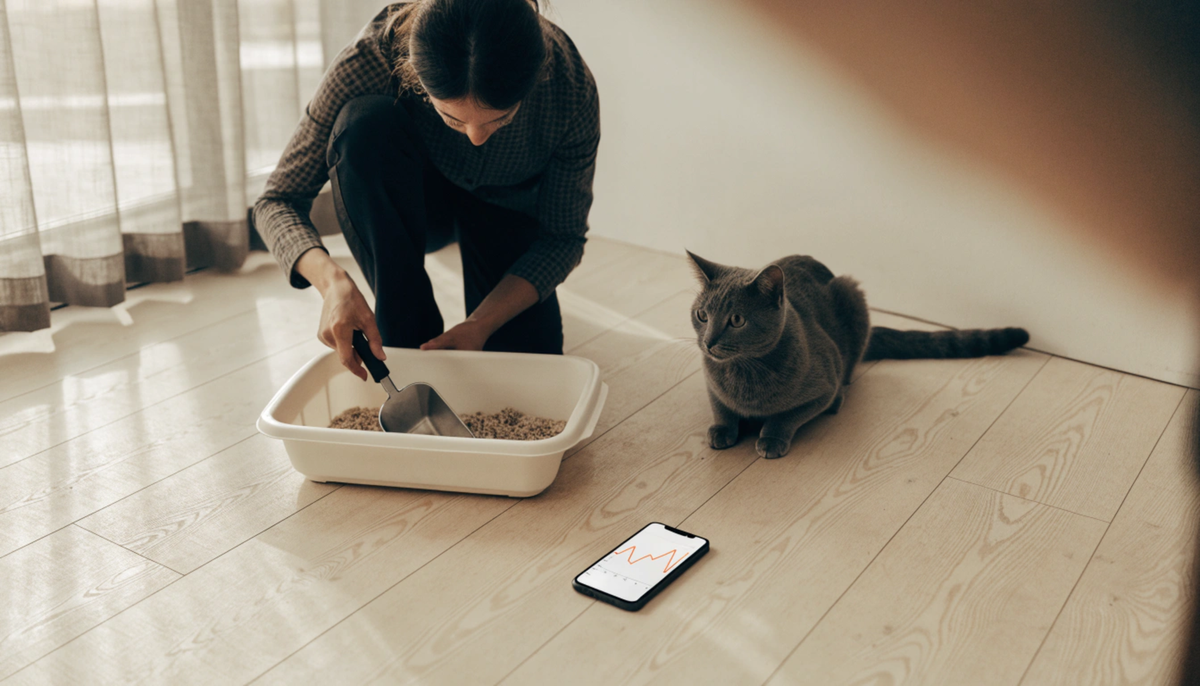
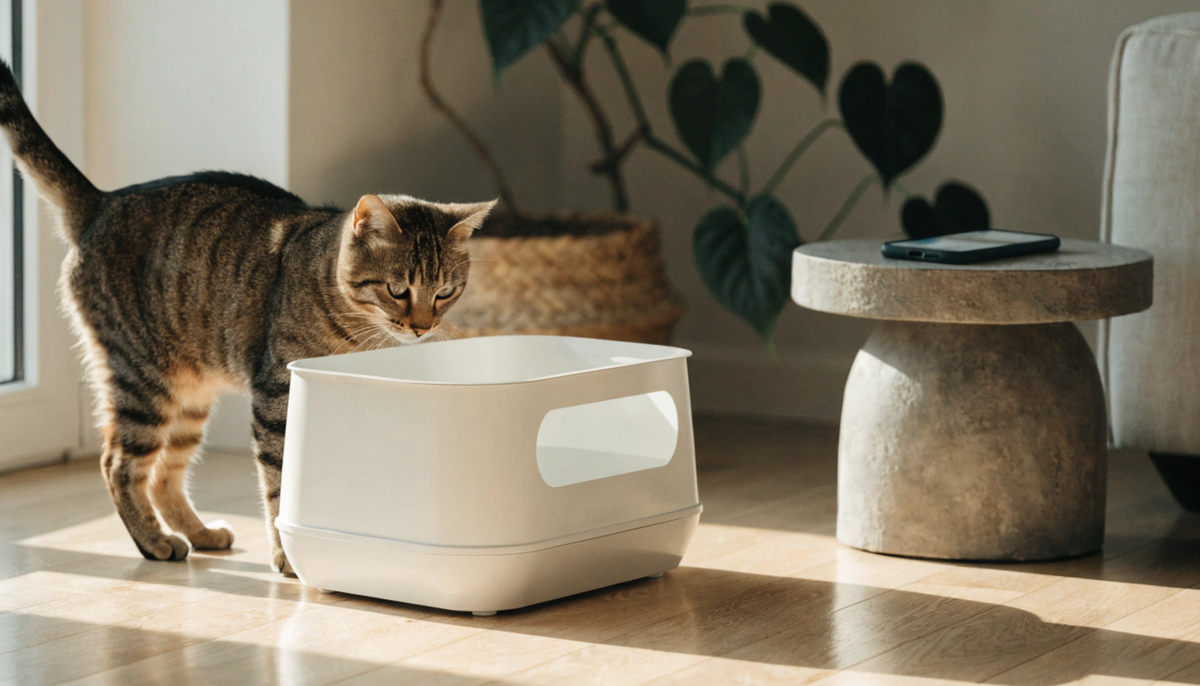
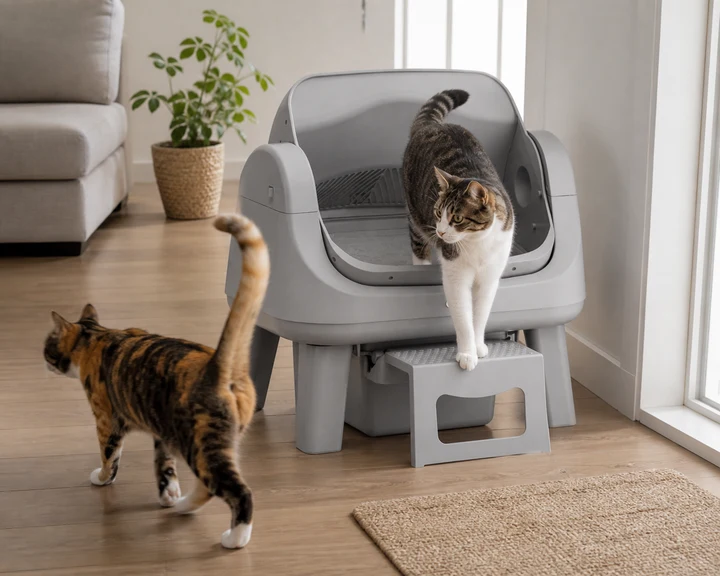
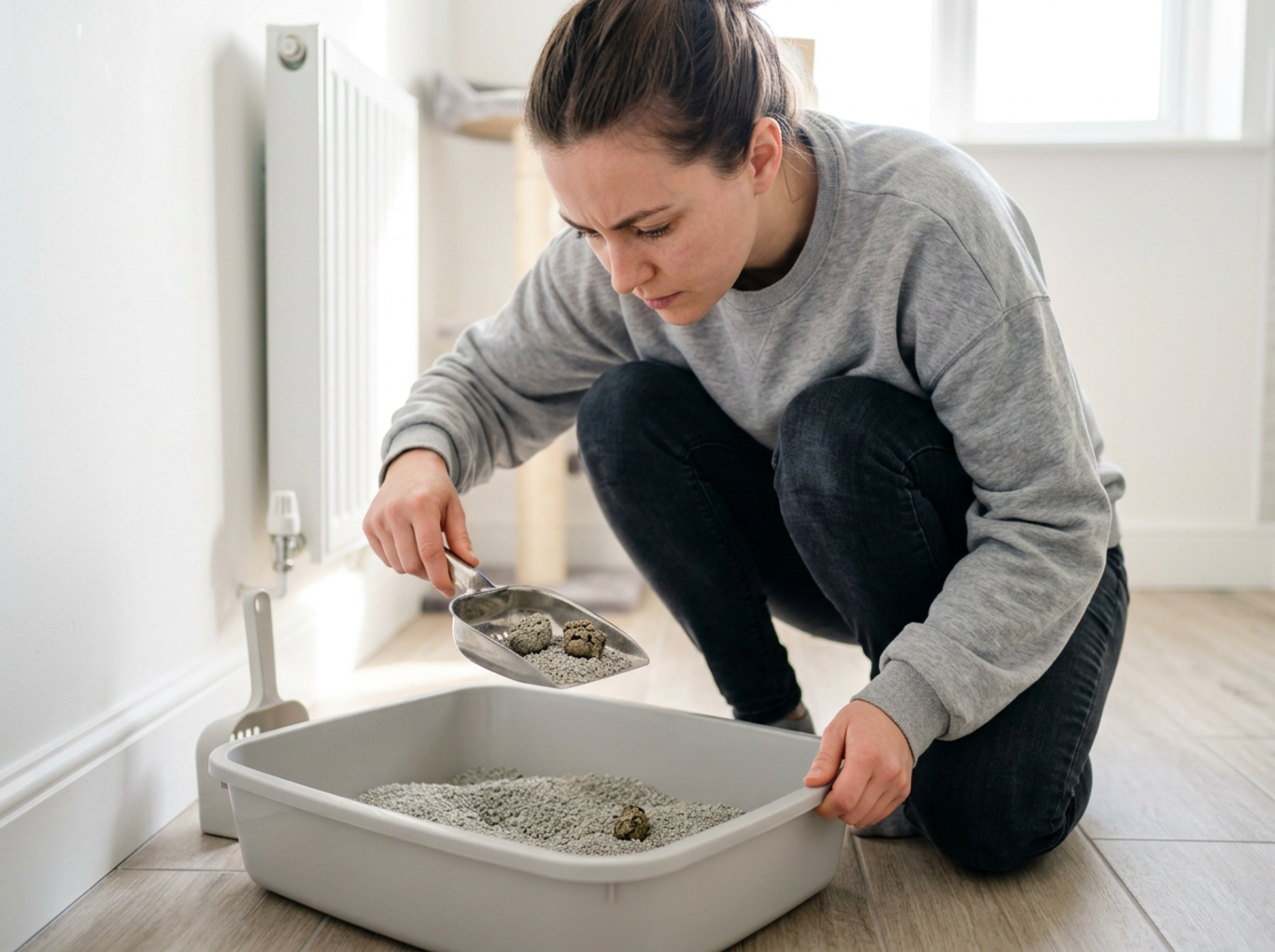
An automatic litter box with camera records who used the box, when, and what they left behind. Cleaning works the same way as on any self-cleaning cat litter box. That is the split worth understanding before you spend 500 dollars. A camera adds information. It doesn't scoop better, seal odor better, or make entry easier for a nervous cat. Three of the four machines below have cameras. Our best overall pick doesn't, because for most homes, the open-top automatic litter box that just works beats the one with a monthly plan attached. Below are a full comparison, real running costs, and the privacy issue nobody covers. If your cat has stopped using its box, start with Cornell's guidance on house soiling instead, because no machine fixes a medical cause. Best automatic litter boxes at a glance Four machines, four different buyers. One column matters more than the spec sheets suggest: whether the camera features are included or billed monthly. Prices in this category move weekly. Use the bands as a starting point, then confirm on the seller's page before ordering. Award Automatic litter box Camera Waste bin Price Best overall PetPivot AutoScooper 12 Lite No camera, no app, no wifi 8L sealed About 149 USD Best value with camera Hombli Smart Cat Litter Box 1080p, night vision, microSD or cloud 7L sealed About 250 EUR Best for health data PETKIT Purobot Max Pro 2 1080p, 210 degree, 15 cat recognition 8L sealed About 500 USD Best open-top camera box PETLIBRO Luma AI waste analysis, subscription needed 11L sealed About 600 USD Quick answer: which model should you choose? Two healthy adult cats and a scooping problem? Buy the AutoScooper 12 Lite and keep the 350 dollars. A senior cat, a diagnosed urinary condition, or three cats where you need to know which one changed? Buy PETKIT. The per-cat log is doing real work there. Cat refuses enclosed drums, but you still want AI? PETLIBRO Luma. Budget under 300 euros with a lens? Hombli. Which picks include a built-in camera? Hombli, PETKIT and PETLIBRO all ship with a camera. PetPivot does not, and we checked the live product page rather than assuming. We have not labeled the AutoScooper a camera model anywhere in this guide. It wins on cleaning, safety, and price, not on video. How we chose the four best models No lab, and we will not pretend otherwise. This guide is built from manufacturer specifications, live product pages, published veterinary guidance, and verified owner reviews on retail listings. Seven criteria, ranked in the order they actually matter. Cleaning reliability A sifting cycle that leaves wet residue on the litter bed creates more work than hand scooping. We looked at how each machine separates clumps and how long it waits before running. Timing is underrated. The AutoScooper 12 Lite waits two minutes after the cat leaves, allows five minutes for clumping, then rotates for three. Safety sensor coverage One sensor has a blind spot. Two independent methods do not. Every unit here combines at least two of infrared, weight, and visual detection. The better designs add a mechanical limit on rotation, which keeps working even when the electronics do not. Cat comfort and interior space Exterior size tells you nothing. Motors, sifting screens and waste chutes eat the volume. Ohio State's Indoor Pet Initiative notes that large uncovered boxes suit most cats, sized so the cat can stand on all fours and turn around. Camera and app usefulness We asked one question of every camera feature: does this change a decision you would make? Live video during a weekend away, yes. A weekly visit chart you never open, no. Odor and waste control A sealed drawer that only opens when pulled does most of the work. Carbon filters and deodorizer modules help at the margins. An unsealed bin undoes both. Maintenance and running costs Bags, filters, litter beds, proprietary litter and cloud plans. We priced what sellers publish and flagged what they do not. One of these boxes charges monthly for its headline feature. Warranty and customer support One year is standard in this category. Two is better. We also checked whether accessories are covered, because on most units they are not. 1. PetPivot AutoScooper 12 Lite: best overall Around 150 dollars, 8-liter sealed bin, open top, one button. The PetPivot AutoScooper 12 Lite self-cleaning cat litter box is our overall pick because it does the mechanical work properly and never touches your wifi. Why PetPivot is our top pick Most people shopping for a cat box aren't solving a data problem. They are tired of scooping twice a day and worried the machine will scare the cat. This one solves both at roughly a quarter of the price of a premium enclosed globe. No app, no firmware update that fails at 2 am, no account to create. For anyone replacing an enclosed unit that kept erroring, that trade is usually the right one. Automatic cleaning performance The cycle runs ten minutes total: two minutes after the cat exits, five minutes of clumping time, then three minutes of rotation to move waste into the sealed drawer. That five-minute pause is the useful part. It lets the clump harden so it lifts cleanly instead of smearing across the litter bed. The litter bed holds up to 5.5 liters. Manual mode is available by holding Clean for five seconds. Safety sensors and cycle protection Four layers, and worth naming individually rather than repeating "safe." Infrared sensors cover the chamber from multiple angles, so no single blind spot exists at the entrance. The entry step is touch-sensitive and catches a cat approaching before it is fully inside. Rotation pauses on any trigger, then finishes the cycle once the cat has left. A mechanical limiter caps how far the drum can turn, independent of the sensors. It pauses the cycle when the sensors detect your cat. That is different from preventing all injury, and it does not replace watching the first week. Open design and cat comfort The entrance is 12.4 inches high, with no tunnel to walk through. Senior and arthritic cats do not have to climb, and nobody gets cornered inside a drum. The full argument for an open entry over an enclosed globe sits on the brand's own page. One reviewer, Justine, noted it runs small for larger cats. Measure your Maine Coon first. Waste storage and odor control The 8-liter drawer sits underneath and only opens when you pull it. Waste leaves the litter bed after each use and stays sealed in a closed chamber until bin day. It contains odor between emptyings. It doesn't eliminate odor, and a full bin still smells. Setup and deep cleaning Place the four support legs, drop in the waste container, plug it in, and wait two minutes for the chamber to align. Add litter between the MIN and MAX lines, then press Litter Added to level and reset the weight sensors. The AutoScooper setup and manual pages cover the sequence with photos. Lift out the chamber and litter bed and rinse under water. Dry with the opening facing up. Price and running costs Around $ 150, with free shipping in the contiguous 48 states from Chicago; most orders arrive in three to five business days. Consumables include waste bags at $24.99 for three rolls and litter beds at $49.98 for two: no subscription, no proprietary litter requirement, no cloud fee. The 30-day return window covers you if the cat refuses. You pay return shipping unless the unit is faulty, and it has to go back clean. What we like Runs on one button with no account, no app, and no connection to lose. Two independent safety layers plus a physical rotation limit. Open entry suits large, senior and cautious cats better than a drum. 861 and 214 reviews across the two AutoScooper models is real volume, not a launch listing. Around a quarter of what a flagship enclosed unit costs. What could be better No camera, no weight log, no per-cat history. If your vet has asked you to track how often one specific cat urinates, this machine cannot do it, and you should buy PETKIT instead. The site also contradicts itself on capacity. The product page says up to four cats; the page FAQ says three. The user guide lists emptying as five to seven days, while the marketing panel lists up to fourteen. Noise is listed at 38 to 40 decibels, louder than the AutoScooper 11 at under 35. Best for One- to two-cat homes that want the scooping gone and don't need health data. Also the sensible choice for anyone burned by an app-driven unit that kept throwing errors. 2. Hombli Smart Cat Litter Box: best value with camera About 250 euros, down from 400, which puts the Hombli Smart Cat Litter Box with Camera at roughly half of what the AI flagships cost. Dutch brand, two-year warranty, 7-liter sealed compartment. Camera and live monitoring A 2 megapixel adjustable camera streaming full HD at 1920 by 1080, with infrared night vision. You can see which cat is using the box, not just that somebody did. Footage saves to a microSD card up to 128 GB or to an encrypted cloud. That local card option matters more than it sounds, and we cover it below. Motion detection and automatic cleaning Sensors trigger a cycle once the cat leaves, and you can delay it if your cat likes to come back for a second look. You can schedule extra cycles hourly, several times a day, or at random. UV light runs after each cycle to reduce bacteria in the drum. App controls and notifications Start a cycle, level the litter, or check habit data from the Hombli app on dual-band Wi-Fi. It also pairs with Amazon Alexa and Google Home for voice control, which none of the other three offer. Odor control and waste bags The sealed compartment takes up to 2.5 kg of soiled litter and ships with a deodorizer. One bag lasts roughly five to seven days with a single cat, per Hombli's own answer to a customer question. Accessories are separate. Deodorizers are 29.95 euros, garbage bags 24.95 euros, fabric mat 19.95 euros. Budget for them. Safety protection Sensors sit on the front and back feet, so the drum will not move while the cat is present. The same weight plates log your cat's weight at every visit. Rated for cats between 1 kg and 10 kg, which is a wider range than PETKIT allows. Warranty and customer support Two years, plus 30-day money-back and what Hombli calls lifetime customer support. Motor runs under 45 decibels at 24 watts. What we like microSD storage means you are not forced into a subscription to keep footage. Two-year warranty, and the brand answers technical questions publicly on the product page. Voice assistant support, which the other three lack. Takes most litter types including clumping clay and paper, not just one formula. What could be better Nine reviews at the time of writing. Two of those nine are three stars or below, which is a small sample but not spotless. One buyer, Roland, reported that urine clumps sometimes fall back into the clean litter instead of the bin, and that the box still smelled despite the deodorizer. Hombli replied publicly that a firmware update increasing the rotation angle was due the following week. Priced in euros and shipped from The Hague, so US buyers face currency and support friction. Best for European homes with one or two cats that want camera access, local storage, and voice control without paying flagship prices. 3. PETKIT Purobot Max Pro 2: best for health data Around 500 dollars. The PETKIT Purobot Max Pro 2 with AI camera is the one to buy when health data is the main priority, and it has 205 reviews, with 76 percent at five stars. AI camera and waste analysis A 1080p camera with a 210-degree field of view, IPX5 rated, fixed rather than rotating. PETKIT says it analyses clumps to track urine pH and flags soft stool. It also listens. Yowling detection picks up unusual sounds that may signal discomfort, and an inactivity alert fires if a cat has not used the box in 24 hours. Facial recognition for multiple cats Up to 15 cats, separated by facial recognition combined with weight sensing. That combination is what lets it tell apart two cats of similar weight, which weight alone cannot do. Each cat gets its own health profile in the app. Weight and visit tracking Every visit is logged on a visual timeline with frequency, duration, and waste condition. PETKIT positions those records as something to hand your vet, which is the correct framing. One reviewer noted the weight readings drift after adding litter until the sensors are reset. Worth knowing. App-based health insights Trends prompt a phone call, nothing more. The AAFP and ISFM house soiling guidelines treat litter box changes as medical until proven otherwise, which is the right order of operations. Cleaning and litter compatibility Two swappable sifters ship in the box: one for larger particles like tofu and mixed litter, one for fine bentonite and clay. PETKIT advises against any litter longer than 12 mm. The 76-liter drum is the largest interior here by a wide margin. Odor control and sealed waste storage An 8-liter sealed bin with a patented drawstring system, so you pull the bag closed without touching it. PETKIT quotes up to 17 days hands-free for a single cat. Two deodorizers do the rest: N50 filters the bin, N60 refreshes the drum air. Operation is quoted at 35 decibels. Safety sensor system Twelve sensors plus a patented anti-pinch structure that keeps the entrance open at all times while the cylinder rotates. Proximity and weight sensors pause the cycle when a cat is near or inside. Kitten Protection Mode in the app turns off auto cleaning entirely, which you need for any cat under 3.3 lbs. What we like Recognizes up to 15 cats, the most of any machine here. The entry is 43 percent larger than the previous model at 10.51 by 10.74 inches, which helps senior and short-legged cats. The app lets you schedule the camera to turn on during certain hours or turn it off completely. Still cleans on preset settings when the network drops. What could be better Video history sits behind PETKIT Care+ after a 30-day trial. A verified buyer, Redberry, wrote that at this price the recording function should have been included rather than metered. It is enclosed. One defined opening means another animal can block a cat, and some cats simply refuse a drum. It also cannot go on carpet and needs 2 inches of clearance from the wall. At 24.25 lbs and nearly 26 inches wide, it is a large object in a small apartment. Best for Multi-cat households tracking a known health issue, where per-cat records justify both the price and the enclosure. 4. PETLIBRO Luma: best open-top camera box About 600 dollars. The PETLIBRO Luma Smart Litter Box is the closest thing to an open-top machine with real AI on board, and it is currently listed as a pre-order on the brand's own store. Open-top design and cat access Sized for cats up to 22 lbs with a removable entry step and no tunnel to walk through. This is the pick for a cat that walked away from an enclosed globe. AI camera and waste recognition The AI separates urine from stool and solid from loose, analyzing before the scoop rather than after. Each visit records for up to ten minutes and gets summarised in the app. An alert fires if a cat has not urinated in 24 hours. Multi-cat identification Up to ten cats recognized from any angle and logged by name. PETLIBRO states best results for adult cats between 2.2 and 22 lbs. Live video and recorded clips Livestream, playback and activity alerts through the PETLIBRO app. Livestreaming itself is free. Odor control and waste capacity A 2.9-gallon sealed drawer, roughly 11 liters, holds up to fourteen days for one cat. That is the biggest bin in this comparison. A 24-hour carbon fan handles the rest, with a 97 percent odor-removal figure PETLIBRO attributes to a six-hour third-party lab study. Anti-pinch safety system Four layers: camera detection, weight sensors, infrared motion, and an anti-pinch mechanism. If it detects an obstacle mid-cycle, the drum reverses immediately. Keep it off carpet so the weight plate reads correctly—Disable auto clean for kittens, pregnant or nursing cats, and any cat under 2.2 lbs. Subscription and consumable costs This cost does not appear in the headline. AI waste analysis and video recording require a subscription, and the unit does not accept an SD card as an alternative. Consumables are published: waste drawer liners at $ 19.99 for 20, a replacement carbon deodorizer at $ 19.99 lasting about three months, and a replacement litter mat at $ 29.99. Price the machine plus two years of the plan before you compare it with anything else here. What we like Open top with genuine AI analysis, a combination almost nobody else offers. Largest waste drawer of the four at about 11 liters. Drum reverses on obstruction rather than just pausing. Two-year warranty and a 30-day trial. What could be better No local storage at all, so the AI and the recordings you paid 600 dollars to get are rented, not owned. Carpet placement is ruled out, and the brand store currently shows it as pre-order rather than in stock. Best for Owners whose cat rejects enclosed designs but who still want waste analysis, and who accept a monthly fee to keep it. Compare the four automatic litter boxes. Built-in features and subscription-dependent services are different, so we separate them below. Verify every field on the seller's page immediately before you order. Specifications in this category change between production runs. Feature AutoScooper 12 Lite Hombli Smart Box PETKIT Max Pro 2 PETLIBRO Luma Price About 149 USD About 250 EUR About 500 USD About 600 USD Built-in camera No 1080p, night vision 1080p, 210 degree AI camera Design Open top Enclosed drum Enclosed drum Open top AI waste analysis No No Urine pH, stool, yowling Pee vs poop, firm vs loose Multi cat recognition No Camera view only Up to 15 cats, facial Up to 10 cats Video storage Not applicable microSD or cloud Care+ after 30-day trial Subscription, no SD App or wifi needed No Yes, dual band Yes, dual band Yes Waste bin 8L sealed 7L sealed 8L sealed About 11L sealed Hands free, one cat 5 to 7 days 5 to 7 days Up to 17 days Up to 14 days Noise 38 to 40 dB Under 45 dB About 35 dB Verify Cat weight range From 3 lbs 1 kg to 10 kg 3.3 to 22 lbs 2.2 to 22 lbs Litter Clumping mineral only Most types incl. paper Clay, tofu, mixed Clumping formulas Warranty 1 year 2 years 2 years 2 years Main strength Overall value Local storage option Detailed health data Open top monitoring What is an automatic litter box with camera? A self-cleaning cat litter box with a lens and software attached. The mechanical half sifts and seals waste: the digital half watches, logs, and reports. How automatic cleaning works A sensor detects the cat has left. The machine waits for the clump to harden, then rotates a drum or drags a rake so clean litter falls through a screen and waste drops into a sealed bin. What the camera records Most lenses point down at the litter bed and capture the visit. Some also frame the cat's face for identification, which means part of the room is in shot too. AI recognition against live video Live video is a stream you open in an app. AI recognition is software that reads the frame and writes an entry: which cat, how long, urine or stool, firm or loose. The second one is what gets metered. Weight and usage sensors Weight plates log body weight per visit and trigger the safety pause. They work without a camera, which is why some non-camera machines still track usage. Alerts, trends and stored footage Push alerts flag an unusual visit. Trend charts show change over weeks. Stored footage lets you look back, and that storage almost always lives on the manufacturer's servers. What a camera cannot tell you It cannot diagnose. Straining, blood, frequent small urinations, or a sudden stop in litter box use all warrant a call to your veterinarian. Cameras are for noticing. Vets are for deciding. Is a camera litter box worth it? Sometimes, and the answer depends entirely on whether you have a monitoring problem or a scooping problem. Benefits for multi-cat homes With three cats, you cannot tell whose stool changed. Per cat identification solves that, and it is the single strongest argument for paying the premium. Monitoring senior or high-risk cats For a cat with kidney disease or a urinary history, visit frequency is a number your vet will actually ask about. A log beats a guess. Identifying stool and urine changes AI that separates firm from loose catches a pattern earlier than you would notice while scooping. Earlier is the whole value proposition. Checking behavior while away Useful on a long weekend, mostly to confirm the machine hasn't jammed. Honest assessment: this is a nice-to-have, not a reason to spend an extra 350 dollars. When a camera may be unnecessary One or two healthy adult cats, no diagnosed condition, and your real complaint is scooping twice a day—a sealed drawer and a working cycle fix that. A lens does not. The design question underneath is also worth reading. Our open-versus-closed automatic box comparison covers a controlled study of 27 cats that found no group-level preference between covered and uncovered boxes. Health alerts do not replace a veterinarian. No litter box diagnoses anything. Treat every alert as a prompt to book an appointment, not a reason to wait and watch. How to choose an automatic litter box with a camera Work through these in order. Most buyers start at the app and end up with a machine their cat will not enter. Check the safety system first. At minimum, use two independent detection methods, plus a mechanical limit on movement. Ask what happens during a power cut and whether a paused cycle resumes on its own. Measure the usable litter area. Entrance width and height, first-step height, litter bed dimensions, and turning room once the screen is installed. For three or more cats, capacity becomes the constraint and the AutoScooper 11 with its 10 liter bin is the more sensible size. Compare camera placement and coverage. A downward lens sees the litter. A wide-angle lens sees the room. Decide which you are comfortable having on your network before you buy. Review multi-cat recognition Ask whether identification uses appearance, weight, or both, and how it separates cats of similar size and color. Most listings do not say. Check free and paid app features. Get a straight answer on which of these costs money: livestream, event alerts, recorded clips, cloud history, AI analysis, multi-cat identification. Manufacturers move features between tiers after launch. Free today is not free forever. Check litter compatibility Most machines want clumping mineral or bentonite in a fine grain. Crystal and long-strip tofu litters don't sift correctly and can jam the mechanism. PoPoLitter hard clumping cat litter is built around the AutoScooper cycle, though any fine grain clay in the right size works. Buying the wrong litter is the most common reason a new box looks broken in week one. Calculate ongoing costs Bags, filters, deodorizers, replacement liners, special litter, shipping, and any subscription. Add two years of it to the sticker price, then compare the four machines again. Check warranty and parts support. One year is the floor, two is better. Check whether accessories are covered, whether replacement parts are sold separately, and whether the app is still getting updates. Camera privacy and data security Nobody in this category writes about this, and it deserves a section. A litter box camera is an internet-connected camera pointed at a room inside your home. Check where video is stored The three camera boxes here answer this differently, and it is the single most useful comparison in the guide. Hombli takes a microSD card up to 128 GB, so footage can stay in your house. PETKIT and PETLIBRO both store in the cloud, and Luma does not accept a card at all. Hombli also publishes where the data physically sits: the Tuya platform, on AWS servers in Frankfurt, under GDPR. Very few brands in this category will tell you that. Review cloud subscription terms PETKIT gives 30 days of video history through Care+ as a trial, then meters it. PETLIBRO gates AI analysis and recording from the start. Livestream stays free on both. Check the retention period, what happens to the archive if you stop paying, and whether deleting the app deletes the footage. Look for camera-off controls PETKIT lets you set the camera's active hours or switch it off entirely from the app while cleaning carries on. Look for that control, and it should be in the spec list before you buy. Use a strong, unique password The FTC's advice on securing home cameras applies directly. Replace the default password, turn on two-factor authentication, and review who else has access to the account. Shared logins often outlive the relationship that created them. Keep firmware updated Turn on automatic updates or set a quarterly reminder. Unpatched cameras are the ones that end up in security write-ups. Position the camera away from private areas Put the box on a guest network, separate from your laptop. Point the lens at the litter, not across the room. Placement is a privacy control. How to use a camera litter box safely Setup choices affect sensor accuracy as much as they affect your cat. Place it on a firm, level floor Flat, stable, indoors, away from direct sunlight and open flames. An uneven surface throws off the alignment routine on first power up. Avoid thick carpet under weight sensors. Carpet absorbs the load and gives a false reading. PETLIBRO says this outright. Use a hard floor or a solid board underneath. Test the sensors before automatic use Run a manual cycle and interrupt it deliberately to confirm the machine stops. Do this on day one, not after the first scare. Keep auto mode off for small kittens. Minimum six months and 3 lbs on the AutoScooper. PETLIBRO advises disabling auto clean for cats under 2.2 lbs and for pregnant or nursing cats. Below those thresholds, scoop by hand. Watch the first cleaning cycles Stay in the room for the first few runs. You are checking two things: that the machine pauses correctly and that the noise doesn't send your cat out of the room. Stop use after repeated sensor errors A flashing alert light that keeps returning after cleaning is not a quirk. Unplug it and contact support rather than working around it. Never rely on the camera for emergency care An app alert is not a monitoring service. If something looks wrong, look at your cat in person and call your vet. How to introduce the new litter box Slow beats clever. Most refusals come from changing too much at once. Place it beside the existing box. Put the new unit where the old box already sits, or directly next to it. Cats anchor elimination to location more than to equipment. Add familiar litter Use the litter your cat already accepts for the first week. Mixing in a little used litter carries the familiar scent across. Leave the machine switched off. Power down for the first few days. Let the shape and smell become normal before you add any movement or sound. Let the cat explore voluntarily. Sniffing and walking around the box is progress. Never lift a cat into it. The PetPivot cat adaptation guide lays out a seven-day sequence for exactly this. Introduce manual cycles gradually. Run the first manual cycle while the cat is out of the room so the sound isn't linked to the box. Switch to automatic once they are using it consistently. Keep the old box during adjustment. Removing it early is the most common mistake. Some cats take an afternoon, some take three weeks, and both are normal. How to clean an automatic litter box Self-cleaning removes the daily scoop. It does not remove the drawer, the sensors, or the deep clean. Empty and re-line the waste drawer PetPivot recommends every five days, seven at most, to prevent odor and pests. Two or three cats will be at the shorter end. Check on a schedule instead of waiting for a smell. Wipe the camera lens and sensors Dust on an infrared sensor is a false trigger waiting to happen, and a dusty lens makes AI recognition worse. Wipe both every time you empty. Maintain the correct litter level. Keep it between the MIN and MAX lines, ideally near MAX. Too little, and liquid reaches the tray floor, which causes cemented residue. Clean the sifter and interior liner. Lift out the chamber, separate the litter bed, and rinse both or brush them. PetPivot suggests washing the waste container every fifteen days. Wash removable parts Water and a soft brush. Avoid bleach, strong fragrances, and harsh chemicals, because scent aversion can cause litter box refusal. The AutoScooper cleaning and maintenance steps list which parts you can rinse. Keep motors and electronics dry. Never soak the base unit. Dry the chamber with the opening facing up in a ventilated space, and reassemble only when everything is completely dry. Inspect seals and deodorizers. Replace carbon filters on the manufacturer's schedule. Full litter change monthly. The CDC also advises changing the litter box daily because Toxoplasma is not infectious for the first one to five days after being shed. The same guidance recommends that pregnant people avoid the task where possible. An automatic box clears waste within minutes, which fits that advice without replacing it. Ask your doctor about your own situation. Final verdict For most homes, the AutoScooper 12 Lite at around 150 dollars is the better buy. It cleans reliably, the open entry suits cats that reject drums, and it has no subscription attached. Buy a camera box when you need per-cat health records. PETKIT recognizes the most cats and gathers the most data. Luma is the pick if your cat insists on an open top. Hombli is the value option, and the only one that lets you keep footage on a card instead of renting it. Check the return window before the spec sheet. The AutoScooper help and warranty answers cover the questions we get most, and the PetPivot newsletter sends new buying guides before they go out anywhere else. The cat gets the deciding vote. Everything else is preparation. FAQS How long does an automatic litter box last? Three to five years for most units under normal use. Lifespan tracks motor quality, cycles per day, whether sensors stay clean, and whether parts are still sold. App-dependent models carry an extra risk: when software support ends, the smart half stops working even if the motor is fine. Does an automatic litter box work without wifi? The cleaning does. On connected machines, the drum still turns, sifts and dumps without internet, because onboard sensors trigger the cycle. You lose remote viewing, notifications, usage history, and AI analysis. Machines with no wifi at all, like the AutoScooper models, are unaffected because they never needed a connection. What are the benefits of having an automatic litter box? Waste leaves the litter bed within minutes instead of sitting until you get home. That means a clean surface at every visit, less ammonia in the room, and no twice-daily scooping. Litter use often drops because clean granules are sifted back. Owners with mobility issues also avoid bending over a low pan. How often do you have to empty an automatic litter box? Every five to seven days for one or two cats with an 8-liter drawer, per PetPivot's own user guide. Larger 11-liter bins stretch to around fourteen days for a single cat. Three or more cats means checking every few days. Wet food raises volume and warm rooms shorten the interval. What is the golden rule for litter boxes? One box per cat, plus one extra, in separate locations. International Cat Care applies the same formula to every shared resource. An automatic box counts as one box, so a three-cat home technically needs four. Many owners run one machine plus one or two conventional pans, which also gives a fallback during adjustment. How do you clean a litter box? Empty the waste drawer and replace the liner. Wipe the entrance, step, and sensors. Every two weeks, lift out the chamber and litter bed, rinse with water and a soft brush, and dry fully with the opening facing up. Avoid bleach and strong fragrances, which can make cats avoid the box. How often should I clean my litter box? Waste comes out every five to seven days. Wash the waste container about every fifteen days. A full litter change and complete strip down belongs on a monthly cycle. More cats, more frequent use, or visible dust can shorten any of those intervals. Do automatic litter boxes still smell? Less, not never. A sealed drawer contains odor between emptyings and a carbon filter helps, but a full bin still smells, and so does a litter bed left a month. Residue stuck to the tray floor is the other culprit. Empty on schedule, keep litter near the MAX line, deep clean fortnightly. Are automatic litter boxes safe for kittens? Not on automatic mode. PetPivot sets a minimum of six months and 3 lbs, and PETLIBRO advises disabling auto clean for cats under 2.2 lbs and for pregnant or nursing cats. Below those thresholds, run the machine manually or keep scooping by hand until the kitten grows into it. Can the cleaning cycle start while my cat is inside? It should not. Every machine here uses at least two detection methods to stop rotation when a cat is present, and better designs add a mechanical limiter that caps movement regardless of what the sensors report. Test it yourself on day one by interrupting a cycle and confirming the machine stops. What happens during a power cut? The box stops mid-cycle, and the litter bed may be left uneven. Most units re-level or resume once power returns, and the waste drawer stays sealed either way so nothing spills. If outages are common where you live, keep a conventional pan as backup and confirm the behavior in your manual. Is a camera litter box worth the extra money? Worth it for a senior cat, a diagnosed urinary or kidney condition, or three cats where you need to know which one changed. Not worth it if you have one or two healthy adults and your real problem is scooping. Price the subscription over two years before deciding. Sources Cornell Feline Health Center, Feline Behavior Problems: House Soiling (2026) Feline Veterinary Medical Association, 2014 AAFP/ISFM Guidelines for Diagnosing and Solving House-soiling Behavior in Cats (2014) The Ohio State University Indoor Pet Initiative, Litter Boxes (2026) PubMed, Litter Box Preference in Domestic Cats: Covered Versus Uncovered (2013) International Cat Care, Stress in Cats (2025) Centers for Disease Control and Prevention, Preventing Toxoplasmosis (2024) Federal Trade Commission Consumer Advice, How To Secure Your Home Security Cameras (2026)
Best automatic litter boxes at a glance

|
Award
|
Automatic litter box
|
Camera
|
Waste bin
|
Price
|
|
Best overall
|
No camera, no app, no wifi
|
8L sealed
|
About 149 USD
|
|
|
Best value with camera
|
1080p, night vision, microSD or cloud
|
7L sealed
|
About 250 EUR
|
|
|
Best for health data
|
1080p, 210 degree, 15 cat recognition
|
8L sealed
|
About 500 USD
|
|
|
Best open-top camera box
|
AI waste analysis, subscription needed
|
11L sealed
|
About 600 USD
|
Quick answer: which model should you choose?
Which picks include a built-in camera?
How we chose the four best models
Cleaning reliability
Safety sensor coverage

Cat comfort and interior space
Camera and app usefulness
Odor and waste control
Maintenance and running costs
Warranty and customer support
1. PetPivot AutoScooper 12 Lite: best overall

Why PetPivot is our top pick
Automatic cleaning performance

Safety sensors and cycle protection
-
Infrared sensors cover the chamber from multiple angles, so no single blind spot exists at the entrance.
-
The entry step is touch-sensitive and catches a cat approaching before it is fully inside.
-
Rotation pauses on any trigger, then finishes the cycle once the cat has left.
-
A mechanical limiter caps how far the drum can turn, independent of the sensors.
Open design and cat comfort

Waste storage and odor control
Setup and deep cleaning
Price and running costs
What we like
-
Runs on one button with no account, no app, and no connection to lose.
-
Two independent safety layers plus a physical rotation limit.
-
Open entry suits large, senior and cautious cats better than a drum.
-
861 and 214 reviews across the two AutoScooper models is real volume, not a launch listing.
-
Around a quarter of what a flagship enclosed unit costs.
What could be better
Best for
2. Hombli Smart Cat Litter Box: best value with camera

Camera and live monitoring
Motion detection and automatic cleaning
App controls and notifications
Odor control and waste bags
Safety protection
Warranty and customer support
What we like
-
microSD storage means you are not forced into a subscription to keep footage.
-
Two-year warranty, and the brand answers technical questions publicly on the product page.
-
Voice assistant support, which the other three lack.
-
Takes most litter types including clumping clay and paper, not just one formula.
What could be better
Best for
3. PETKIT Purobot Max Pro 2: best for health data

AI camera and waste analysis
Facial recognition for multiple cats
Weight and visit tracking
App-based health insights
Cleaning and litter compatibility
Odor control and sealed waste storage
Safety sensor system
What we like
-
Recognizes up to 15 cats, the most of any machine here.
-
The entry is 43 percent larger than the previous model at 10.51 by 10.74 inches, which helps senior and short-legged cats.
-
The app lets you schedule the camera to turn on during certain hours or turn it off completely.
-
Still cleans on preset settings when the network drops.
What could be better
Best for
4. PETLIBRO Luma: best open-top camera box

Open-top design and cat access
AI camera and waste recognition
Multi-cat identification
Live video and recorded clips
Odor control and waste capacity
Anti-pinch safety system
Subscription and consumable costs
What we like
-
Open top with genuine AI analysis, a combination almost nobody else offers.
-
Largest waste drawer of the four at about 11 liters.
-
Drum reverses on obstruction rather than just pausing.
-
Two-year warranty and a 30-day trial.
What could be better
Best for
Compare the four automatic litter boxes.
|
Feature
|
AutoScooper 12 Lite
|
Hombli Smart Box
|
PETKIT Max Pro 2
|
|
|
Price
|
About 149 USD
|
About 250 EUR
|
About 500 USD
|
About 600 USD
|
|
Built-in camera
|
No
|
1080p, night vision
|
1080p, 210 degree
|
AI camera
|
|
Design
|
Open top
|
Enclosed drum
|
Enclosed drum
|
Open top
|
|
AI waste analysis
|
No
|
No
|
Urine pH, stool, yowling
|
Pee vs poop, firm vs loose
|
|
Multi cat recognition
|
No
|
Camera view only
|
Up to 15 cats, facial
|
Up to 10 cats
|
|
Video storage
|
Not applicable
|
microSD or cloud
|
Care+ after 30-day trial
|
Subscription, no SD
|
|
App or wifi needed
|
No
|
Yes, dual band
|
Yes, dual band
|
Yes
|
|
Waste bin
|
8L sealed
|
7L sealed
|
8L sealed
|
About 11L sealed
|
|
Hands free, one cat
|
5 to 7 days
|
5 to 7 days
|
Up to 17 days
|
Up to 14 days
|
|
Noise
|
38 to 40 dB
|
Under 45 dB
|
About 35 dB
|
Verify
|
|
Cat weight range
|
From 3 lbs
|
1 kg to 10 kg
|
3.3 to 22 lbs
|
2.2 to 22 lbs
|
|
Litter
|
Clumping mineral only
|
Most types incl. paper
|
Clay, tofu, mixed
|
Clumping formulas
|
|
Warranty
|
1 year
|
2 years
|
2 years
|
2 years
|
|
Main strength
|
Overall value
|
Local storage option
|
Detailed health data
|
Open top monitoring
|
What is an automatic litter box with camera?

How automatic cleaning works
What the camera records
AI recognition against live video
Weight and usage sensors
Alerts, trends and stored footage
What a camera cannot tell you
Is a camera litter box worth it?
Benefits for multi-cat homes
Monitoring senior or high-risk cats
Identifying stool and urine changes
Checking behavior while away
When a camera may be unnecessary
Health alerts do not replace a veterinarian.
How to choose an automatic litter box with a camera
Check the safety system first.
Measure the usable litter area.

Compare camera placement and coverage.
Review multi-cat recognition
Check free and paid app features.
Check litter compatibility

Calculate ongoing costs
Check warranty and parts support.
Camera privacy and data security

Check where video is stored
Review cloud subscription terms
Look for camera-off controls
Use a strong, unique password
Keep firmware updated
Position the camera away from private areas
How to use a camera litter box safely
Place it on a firm, level floor
Avoid thick carpet under weight sensors.

Test the sensors before automatic use
Keep auto mode off for small kittens.
Watch the first cleaning cycles
Stop use after repeated sensor errors
Never rely on the camera for emergency care
How to introduce the new litter box

Place it beside the existing box.
Add familiar litter
Leave the machine switched off.
Let the cat explore voluntarily.
Introduce manual cycles gradually.
Keep the old box during adjustment.
How to clean an automatic litter box

Empty and re-line the waste drawer
Wipe the camera lens and sensors
Maintain the correct litter level.
Clean the sifter and interior liner.
Wash removable parts
Keep motors and electronics dry.
Inspect seals and deodorizers.
Final verdict
FAQS
How long does an automatic litter box last?
Does an automatic litter box work without wifi?
What are the benefits of having an automatic litter box?
How often do you have to empty an automatic litter box?
What is the golden rule for litter boxes?
How do you clean a litter box?
How often should I clean my litter box?
Do automatic litter boxes still smell?
Are automatic litter boxes safe for kittens?
Can the cleaning cycle start while my cat is inside?
What happens during a power cut?
Is a camera litter box worth the extra money?
Sources
You may also like

AutoScooper 12 Lite Cat Litter Box-Gray

AutoScooper 12 Litter Base Bed – 2 Pack

AutoScooper 12 Waste Bags – 60 Count


Further reading
Smart Litter Box Trends in 2026: AI Cameras, Health Data and Simpler Automation
Automatic Litter Box Noise Test: What Is Normal and What Is Not
Smart Litter Box Privacy: What the Box Knows and What Your Cat Needs