

How Often Should Cats Poop? Normal Signs and Precautions

Informazioni sull'autore
You're in the middle of scooping the litter box when you notice there hasn't been any poop in it since yesterday. Should that worry you? In the majority of cases, a healthy adult cat poops once or twice a day, though it's not unusual for some of them to go only every 12 to 36 hours. More than the exact number, what matters is whether your kitty is sticking to its usual routine, passing normal stools and using the box with no sign of discomfort. How Often Should Cats Poop in a Day? An adult cat is expected to poop once or twice per day, while kittens can defecate more frequently and older cats a little less. It can also be said that a rough guide by age looks like this: Cat's age Typical frequency Young kittens eating solid food Often 2 to 3 times daily Healthy adult cats Usually 1 to 2 times daily Senior cats Varies, and some poop less often A cat doesn’t need to poop at the same time every day. You may see two piles today and only one tomorrow – this is a completely natural situation as factors such as diet, age, and activity can affect the time when it happens. It should be remembered that using the litter box doesn’t always mean that your cat is going to poop there. The fact is that cats urinate more often than defecate, hence the fact that your pet visits the box several times in one day doesn’t mean that he or she poops every time. Is It Normal for a Cat to Poop Every Other Day? It is probably the most asked question by cat owners, and the correct response would be that it depends on what your cat usually does. An owner has seen that her 14-month-old adopted cat only pooped every second or third day, with the longest time gap being 75 hours despite eating much, having enough energy, and acting as usual. She began keeping track of the dates and times of pooping as she feared some kind of obstruction. In fact, there are several very distinct cases concealed behind this question: If a cat that always used to do so approximately once in 36 hours, passes formed feces and does not strain, then probably, he just does his business on a different schedule. Another owner reports that his cat defecates twice in two to three days and his vet is pleased with him. On the other hand, if the cat that used to poop every day suddenly skips one day with no feces in the litter box, it is something different because the change itself is the red flag. Three days without bowel movements, even if the cat seems playful, require a visit to the veterinarian. Owners who have experience with this generally mention the same signs, which are firm stool, strain, or frequent visits to the litter box without producing anything. In absence of such signs and if the cat has been exhibiting this behavior for quite some time already, then a slower pace does not necessarily indicate a problem. Neither high level of energy nor appetite can completely negate the possibility of constipation or intestinal obstruction. Should your cat go for 48 hours without going to the bathroom and this does not happen normally for them, then we would advise consulting your vet. What Affects How Often Cats Poop? This is just one component of feeding your cat. The kind of food you feed your cat, the amount of water your cat drinks, exercise level, and even slight changes at home may all affect the frequency of poop in the litter box. 1. Wet Food vs. Dry Food There is much higher moisture content in wet food, and it can also be more easily digestible and have less fiber content than dry food depending on the formulation. Therefore, in most cats this results in either less frequent stools or smaller stools. As one cat owner put it, wet food is low in bulk, and therefore "less in, less out." In addition, the cat in question who managed to go for 75 hours without defecating had recently been switched to about 85 percent wet food diet. However, this does not mean that a switch to wet food will ensure that your cat will produce less feces. Some cats will continue defecating at the same pace, and some will take time to adjust to their new regimen. 2. Water Intake and Hydration The colon extracts the water content from the feces before they exit the body. This means that a dehydrated cat will have hard, dry feces that are hard to excrete. Since the cat feeds primarily on dry foods, the water content is replenished through the water bowl. Have fresh water within paw's reach and check with your vet if you should feed your cat wet food or add water to its diet. The following owner adds water to the food of her cat for this purpose. 3. Age and Activity Level As the kittens tend to eat often, their poop frequency will increase too. A mature cat that is usually asleep will poop less than a cat which is constantly running around. In order to facilitate the process, the owners should make sure their pet is physically active. In older cats, there might be different reasons for constipation. Arthritis and pain in the joints can make it hard for a cat to squat. Some elderly cats simply postpone their trips to the litter box because of it. 4. Changes in Diet, Routine, or Environment Making an abrupt switch in food is one of the most common causes of any changes in the cat’s bathroom routine, so you should introduce the new food gradually over a period of about a week. A relocation, getting a new pet, hosting visitors, or even the adoption of a new cat may cause such changes. The owner of the newly adopted cat has taken her to the veterinarian, who mentioned that such changes may be considered normal. Cat references indicate that cats can be constipated if they experience stress, pain, or encounter an unclean litter box. If you notice that your cat's feces are less frequent than normal, you need to check out the changes around the litter box first – if there is any change in litter type, litter box location, and cleaning schedule. How Can You Tell If Your Cat's Poop Is Healthy? With each scoop, you get a snapshot of how well your cat’s digestive system is functioning. Normal cat poop will generally be brown in color, either light brown or darker, in a log form, and will resemble clay in consistency, not too soft and not too firm. What to check Usually healthy Possible concern Color Medium to dark brown Black and tarry, bloody, or unusually pale Texture Formed and slightly moist Hard dry pellets or watery stool Straining Passes comfortably Repeated attempts or crying in the box Frequency A fairly steady pattern A sudden or lasting change It may sound positive to have a well-formed poop, but it's not the final test for health. There are certain illnesses that can occur even before there is any change in the look of the poop, so it's important to consider the cat's food intake and overall well-being as well. When Should You Worry About Your Cat Not Pooping? Absence of just one stool does not necessarily indicate a problem. Whether or not you should be concerned is determined by your individual cat's normal behavior and any accompanying symptoms. The following table is based on healthy adult cats. 1. No Poop for 24 Hours While for a kitty who usually poops each day, one day without pooping should be noted without being alarmed. It is recommended to verify whether your cat is eating and drinking normally and check other possible places where your cat might have defecated, for instance, if your cat is allowed outside, maybe it defecated away from home. In case there is no problem, then you should observe further. 2. No Poop for 48 Hours It is essential to call the veterinarian in case there have been no bowel movements within two days, more precisely for those days when the feline usually uses the litter box. It is known that the majority of the cats poop once per day, and the absence of bowel movements for 48-72 hours is a serious reason to visit the veterinary clinic. In case your pet appears to be normal and active, nevertheless, inform your veterinarian about when your kitty had its last bowel movements and what changes have occurred regarding its eating or behavior habits. The same should be done if your cat has a sitting and you want to leave the notice. 3. No Poop for 72 Hours or Longer Not passing stools in three days is no small matter, even if your kitty is active. There might be serious constipation or other issues that require immediate attention. Make sure you schedule an appointment with your veterinarian. Do not use human products like laxatives and enemas at home without first consulting your veterinarian, as they may be harmful to your cat. 4. Warning Signs That Shouldn't Wait There is no need to wait until 48 hours if your cat exhibits any of these signs: Frequent straining in the litter box with minimal results coming out Vomiting and loss of appetite An enlarged, firm, or tender abdomen Excessive tiredness and withdrawal or any other indication of pain A cat that strains repeatedly in the litter box might actually be attempting to urinate rather than defecate. According to feline medicine specialists, a cat with a blocked urethra requires an urgent visit to a veterinarian since it is considered a medical emergency, and the situation can become dangerous very fast. For kittens, elderly cats who have developed particular diseases, and cats that display evident signs, consultation should be done ahead of time before the specified period. What Can You Do to Help Your Cat Poop Regularly? The key to a cat’s bowel function largely relies on simple routines: Fresh water: Provide clean drinking water all the time. Some cats prefer to drink out of a fountain or a wide bowl; besides, wet food is an additional source of moisture. Balanced diet: Serve a proper diet depending on the cat’s age, introducing any new food gradually within a week. Physical activity: Provide daily exercise for your cat, because movements help digest normally. Accessible litter box: Provide an accessible clean litter box for the cat; otherwise, the cat might hold in its bowels, as the litter box should be placed away from any noise and easily accessible, and it must be clean. Our guide to keeping the litter box from smelling covers a scooping routine that helps. Observing: Observe the frequency of defecation and the appearance of stools. There is an exchange of all kinds of home remedies for cats, ranging from pumpkin to fiber supplements and laxatives. An owner reported that feeding too much pumpkin to a cat led to very soft stools, while another owner said that their veterinarian recommended laxatives for a cat with "floppy colon". It's a better decision to make together with your veterinarian. Cats' health professionals deal with constipation using hydration, fiber alteration, and medicine when necessary, and they highlight that excess of soluble fiber may cause too liquid stool. How to Keep Track of Your Cat's Litter Box Habits It's not necessary that you write down each and every visit. In fact, a brief glance during scooping will be sufficient for you to detect whether there is some alteration, like fewer piles, hard feces, or a rapid increase. In case there is any, maintaining a brief log for a couple of days will be highly helpful. The owner who started writing the date and time of each defecation has produced an exact record that the vet would like to see, instead of an approximate one. A regular box allows you to check the status of the waste every time you scoop the litter. The automatic boxes (such as AutoScooper 12 Lite) make the task of scooping unnecessary, so now the daily check must be done in the waste compartment after the box has been emptied. The automatic boxes may also track your visits, but remember that visits do not equal poops; take a look inside. When the litter boxes are shared by a few cats in the same household, distinguishing between individual visits becomes more difficult. Following how many litter boxes each cat actually needs makes changes easier to spot, as some cats settle into a favorite box of their own. The aim isn't to count every trip. It's to notice when something seems different. FAQs Is it normal for a cat not to poop every day? It can be. There are some healthy cats who poop every 36 hours or so, and that is perfectly fine as long as this has always been their routine and the stool looks normal. It’s important for you to bring your cat to the vet if she doesn’t poop for two days in a row. How long can a cat go without pooping? Contact your veterinarian immediately if your adult cat has not had a bowel movement within 48 hours; schedule an appointment within 72 hours at most. Signs like straining to defecate, vomiting, bloated abdomen, or lack of appetite suggest you do not have time to wait. Why is my cat eating normally but not pooping? An appetite in itself does not exclude constipation. Cats normally continue to eat in the initial phases of constipation, hairball disease, or even partial obstruction. A recent introduction of wet food may also cause constipation. In case the cat continues to defecate for 48 hours, it is time to visit your veterinarian. Do cats poop less when they eat wet food? It can happen in many cases. Wet food is usually digested more easily compared to kibble; therefore, your feline may produce less poop when eating wet food. It applies to some cats only, and you have to introduce a new diet gradually. Why is my cat pooping three or four times a day? Some cats simply have frequent defecation, usually in kittens and highly active cats, and if the stool is well-formed, it might be fine for them. If the feces are loose or watery, if there’s an increased volume or any presence of blood and weight loss, there might be dietary issues or bowel disease present.
How Often Should Cats Poop in a Day?
|
Cat's age
|
Typical frequency
|
|
Young kittens eating solid food
|
Often 2 to 3 times daily
|
|
Healthy adult cats
|
Usually 1 to 2 times daily
|
|
Senior cats
|
Varies, and some poop less often
|

Is It Normal for a Cat to Poop Every Other Day?
-
If a cat that always used to do so approximately once in 36 hours, passes formed feces and does not strain, then probably, he just does his business on a different schedule. Another owner reports that his cat defecates twice in two to three days and his vet is pleased with him.
-
On the other hand, if the cat that used to poop every day suddenly skips one day with no feces in the litter box, it is something different because the change itself is the red flag.
-
Three days without bowel movements, even if the cat seems playful, require a visit to the veterinarian.
What Affects How Often Cats Poop?
1. Wet Food vs. Dry Food

2. Water Intake and Hydration
3. Age and Activity Level
4. Changes in Diet, Routine, or Environment
How Can You Tell If Your Cat's Poop Is Healthy?
|
What to check
|
Usually healthy
|
Possible concern
|
|
Color
|
Medium to dark brown
|
Black and tarry, bloody, or unusually pale
|
|
Texture
|
Formed and slightly moist
|
Hard dry pellets or watery stool
|
|
Straining
|
Passes comfortably
|
Repeated attempts or crying in the box
|
|
Frequency
|
A fairly steady pattern
|
A sudden or lasting change
|
When Should You Worry About Your Cat Not Pooping?

1. No Poop for 24 Hours
2. No Poop for 48 Hours
3. No Poop for 72 Hours or Longer
4. Warning Signs That Shouldn't Wait
-
Frequent straining in the litter box with minimal results coming out
-
Vomiting and loss of appetite
-
An enlarged, firm, or tender abdomen
-
Excessive tiredness and withdrawal or any other indication of pain
What Can You Do to Help Your Cat Poop Regularly?
-
Fresh water: Provide clean drinking water all the time. Some cats prefer to drink out of a fountain or a wide bowl; besides, wet food is an additional source of moisture.
-
Balanced diet: Serve a proper diet depending on the cat’s age, introducing any new food gradually within a week.
-
Physical activity: Provide daily exercise for your cat, because movements help digest normally.
-
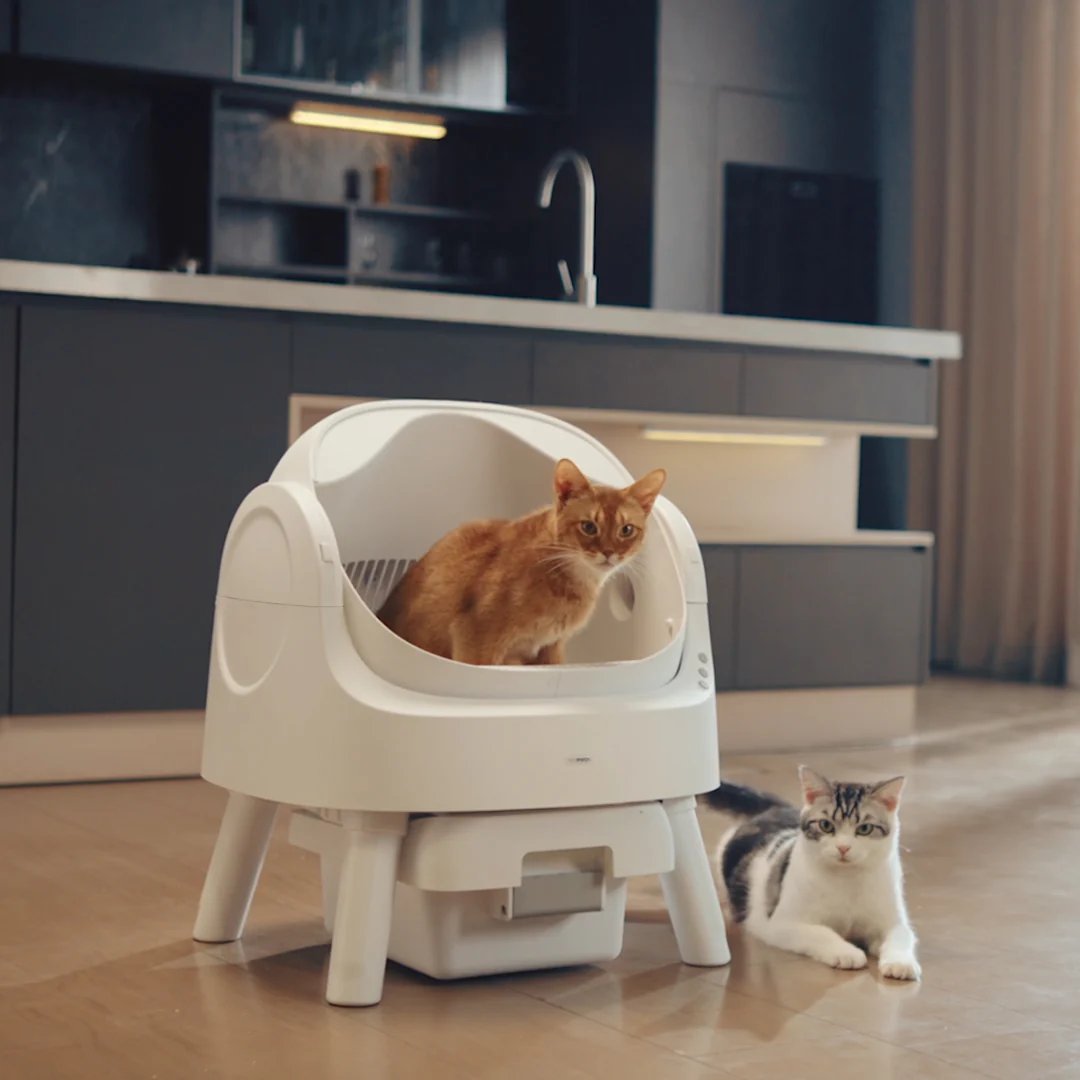
Accessible litter box: Provide an accessible clean litter box for the cat; otherwise, the cat might hold in its bowels, as the litter box should be placed away from any noise and easily accessible, and it must be clean. Our guide to keeping the litter box from smelling covers a scooping routine that helps.
-
Observing: Observe the frequency of defecation and the appearance of stools.
How to Keep Track of Your Cat's Litter Box Habits

FAQs
Is it normal for a cat not to poop every day?
How long can a cat go without pooping?
Why is my cat eating normally but not pooping?
Do cats poop less when they eat wet food?
Why is my cat pooping three or four times a day?
You may also like


Base per lettiera AutoScooper 11 – Confezione da 2


Lettiera per gatti AutoScooper 12 Lite

Lettiera per gatti AutoScooper 12 Lite
Further reading

How Often to Change Cat Litter: A Practical Schedule

Can You Flush Cat Litter? Risks, Rules, and Safe Disposal

How to Litter Train a Kitten in 7 Simple Steps at Home
